
Have you ever wondered how long your running shoes should last? You’re not alone.
Many runners, whether beginners or seasoned marathoners, find themselves asking this question. It’s more than just curiosity; it’s about getting the most out of your shoes while ensuring your feet are well-protected. Imagine the freedom of knowing exactly when to replace your running shoes.
No more guessing games or unnecessary discomfort during your runs. This knowledge can help you avoid injuries and enhance your performance. You’ll learn the tell-tale signs of wear and tear and discover simple tips to extend the life of your shoes. Stay with us as we dive into the factors that influence the lifespan of your running shoes. By the end of this article, you’ll feel confident in determining when it’s time for a new pair. Your feet deserve the best, and with the right information, you can ensure they get it.

Credit: theordinaryrunner.co.uk
Factors Affecting Shoe Longevity
Running shoes play a crucial role in a runner’s performance. Yet, their lifespan can vary greatly. Understanding the factors that affect shoe longevity helps in making informed choices. This section delves into essential elements that impact how long running shoes can last. By paying attention to these factors, runners can ensure their shoes remain in peak condition for longer.
Material Quality
Material quality is a key factor in shoe durability. High-quality materials tend to last longer. They withstand wear and tear better than cheaper ones. Look for shoes with durable mesh and strong soles. Quality stitching also contributes to longevity. Investing in well-made shoes can prolong their life.
Running Terrain
Different terrains affect shoe wear differently. Running on rough trails wears shoes faster. Smooth surfaces like pavements are gentler on shoes. Trail runners should expect quicker wear and tear. Choosing shoes designed for specific terrains helps in maintaining their condition.
Runner’s Weight
A runner’s weight impacts shoe longevity significantly. Heavier runners exert more pressure on shoes. This can lead to faster degradation. Lightweight runners may find their shoes last longer. Considering weight when choosing shoes can make a difference.
Shoe Maintenance
Proper maintenance extends shoe life. Regular cleaning keeps them in good condition. Drying shoes properly prevents mold and odor. Avoid exposing shoes to extreme temperatures. Rotate pairs to reduce wear on a single pair. These practices enhance shoe longevity.
Signs Of Worn-out Running Shoes
Running shoes don’t last forever. Recognizing the signs of wear can prevent injuries. Knowing these signs helps in deciding when to replace your shoes.
Visible Wear And Tear
Check the shoe exterior. Worn-out soles and frayed fabric indicate age. Cracks and tears suggest it’s time for a new pair.
Reduced Cushioning
Feel the shoe’s midsole. Less bounce means cushioning has deteriorated. This impacts comfort and performance.
Loss Of Traction
Inspect the shoe’s grip. Smooth or bald spots reduce traction. Slipping on wet surfaces becomes more likely.
Foot Discomfort
Listen to your feet. Pain or soreness during runs signals worn shoes. Proper footwear should not cause discomfort.
Estimating Shoe Lifespan
Estimating the lifespan of running shoes depends on usage and terrain. On average, they last 300 to 500 miles. Regular runners should monitor wear patterns to ensure optimal performance and prevent injuries.
Estimating the lifespan of your running shoes is crucial to ensure your safety and performance. But how do you know when it’s time to replace them? Several factors can influence the durability of running shoes, from mileage to the type of shoe you choose. Let’s dive into these aspects to help you gauge when your shoes might be ready for retirement.Mileage Guidelines
Experts often suggest replacing running shoes every 300 to 500 miles. This range varies depending on your running style and the terrain you frequent. Are you a trail enthusiast or a pavement pounder? Running on rugged paths can wear out your shoes faster. Consider tracking your mileage to keep an eye on your shoe’s journey. A simple app or a journal can do the trick. Have you ever noticed your feet feeling more fatigued after a run? It might be a subtle sign that your shoes are nearing the end of their mileage life.Type Of Running Shoe
The type of running shoe you choose significantly affects its lifespan. Lightweight shoes are generally less durable compared to those designed for stability or cushioning. If you’re a sprinter, you might opt for a shoe that offers speed but sacrifices longevity. On the other hand, marathon runners often prefer shoes with enhanced cushioning that promise more miles. Think about your running goals and pick a shoe that aligns with your needs. Ever considered switching shoe types based on your training cycle?Frequency Of Use
How often you use your running shoes is a straightforward indicator of their longevity. Daily runners might find their shoes wearing out quicker than those who run occasionally. Even casual joggers should pay attention to their shoe’s condition. Rotate between pairs if you’re running frequently to extend each pair’s life. Have you tried giving your shoes a break for a day or two? It can surprisingly help preserve their structure and support.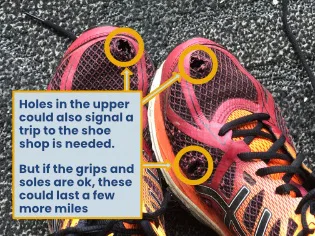
Credit: runningdirections.com
Extending The Life Of Running Shoes
You’ve invested in a pair of running shoes that offer comfort, support, and the perfect fit. But how do you ensure they last as long as possible? Extending the life of your running shoes requires a few smart strategies that go beyond just wearing them less often. Imagine squeezing extra mileage out of your favorite pair without compromising their performance. Let’s dive into some practical tips that can keep your running shoes in top shape.
Proper Cleaning Techniques
Keeping your running shoes clean can significantly extend their lifespan. A simple rinse with water can remove dirt and grime that accumulate over time. Avoid using harsh detergents or bleach, as these can damage the fabric and affect the shoe’s structural integrity. Consider using a soft brush to gently scrub away mud and stains. A clean shoe not only looks better but also performs better on your runs.
Shoe Rotation
Do you have more than one pair of running shoes? Rotating between pairs can reduce wear and tear on any single pair. This practice allows each pair to recover and retain its cushioning and support. It’s also a great way to adapt to different terrains or weather conditions without compromising your run. Shoe rotation can be a fun way to mix up your style while prolonging the life of your footwear.
Correct Storage Practices
Where you store your running shoes can impact their longevity. Keep them in a cool, dry place away from direct sunlight to prevent fading and material degradation. Avoid cramming them in tight spaces or leaving them in a damp area, as this can lead to unpleasant odors and mold growth. Consider using a shoe rack or a designated spot in your closet. Proper storage ensures your shoes are ready to hit the ground running whenever you are.
When To Replace Your Shoes
Running shoes typically last between 300 to 500 miles. Replace them when you notice discomfort or worn-out soles. Regularly checking your shoes can help avoid injuries and maintain performance.
When it comes to running, shoe longevity is crucial. Knowing when to replace them can prevent injuries and enhance performance. Worn-out shoes lose their cushioning and support. This can affect your comfort and safety. Here’s how to determine the right time for a new pair.Assessing Shoe Condition
Examine the outsole for wear patterns. Uneven wear suggests replacement. Check the midsole for creases or compression. Flex the shoe. If it bends easily, it may lack support. Inspect the upper for tears or holes. These signs indicate it’s time for new shoes.Impact On Performance
Worn shoes can hinder your running efficiency. Poor cushioning reduces energy return. This makes runs feel harder. Lack of support affects foot stability. It can lead to slower pace and increased fatigue. Fresh shoes boost your performance.Health Implications
Old shoes can cause injuries. They fail to absorb shock, stressing your joints. Insufficient support may lead to foot pain or blisters. Overuse injuries like shin splints can occur. Protect your health by replacing shoes regularly.
Credit: coachtherun.com
Choosing Durable Running Shoes
Durable running shoes can last between 300 to 500 miles, depending on usage and care. Regular runners may need replacements every 4 to 6 months. Proper maintenance extends the lifespan of your shoes, ensuring comfort and support.
Choosing the right running shoes ensures they last longer. Durability means you get more miles for your money. Let’s explore how to select shoes that withstand the test of time.Brands Known For Longevity
Some brands are famous for their durable shoes. Companies like Asics and Brooks make sturdy options. New Balance also offers long-lasting models. These brands focus on quality materials and construction. They understand the needs of avid runners. Choosing from these brands can save you money over time.Features To Look For
Durable shoes have specific features. Look for strong outsoles that resist wear. Quality midsoles provide lasting support and comfort. Reinforced toe boxes add extra protection. Breathable yet tough uppers ensure your shoes handle any weather. These features make shoes last longer.Balancing Cost And Quality
Balancing cost and quality can be tricky. Expensive shoes aren’t always more durable. Check customer reviews for insights on durability. Compare prices among trusted brands. Investing in a good pair pays off in the long run. Spending a bit more now can save money later.Frequently Asked Questions
What Is The Lifespan Of Running Shoes?
Running shoes typically last 300 to 500 miles. Lifespan varies based on usage and brand quality. Regularly inspect for wear and tear. Replace shoes if cushioning diminishes or the outsole wears down. Proper care extends longevity. Choose shoes designed for your running style for optimal durability.
Can Running Shoes Last 10 Years?
Running shoes typically last 300-500 miles or 4-6 months with regular use. Proper care may extend lifespan, but lasting 10 years is unlikely. Aging materials can affect performance and support over time. Always replace shoes when they show significant wear or feel uncomfortable.
How Often Should I Replace My Running Shoes?
Replace running shoes every 300-500 miles to maintain optimal performance and support. Check for signs of wear like uneven soles or discomfort. Quality and usage frequency affect longevity, so monitor them regularly. Proper maintenance extends shoe life, ensuring safety and comfort during runs.
What Is The Life Expectancy Of A Pair Of Running Shoes?
Running shoes typically last 300 to 500 miles. Factors like running surface and shoe quality affect their lifespan. Regularly check for wear and tear, especially on the sole and cushioning. Replace them when you notice decreased comfort or support to maintain optimal performance and reduce injury risk.
Conclusion
Running shoes can last, but their lifespan varies. Factors like running style, terrain, and shoe quality influence durability. Typically, running shoes should be replaced every 300 to 500 miles. Worn-out shoes may lead to discomfort or injury. Regularly check for signs of wear, like flattened soles or reduced cushioning.
Proper maintenance extends shoe life. Clean them and store in a cool, dry place. Listen to your body. If pain or discomfort occurs, consider new shoes. Investing in good shoes supports your health. Keep track of mileage to ensure timely replacement.
Your feet deserve the best care possible.