
Have you ever wondered if your running shoes are still giving you the support and comfort you need? You’re not alone.
Many runners face this dilemma, often holding onto their favorite pair for a bit too long. But how long are running shoes actually good for? This question is more crucial than you might think, as worn-out shoes can lead to discomfort or even injury.
We’ll explore the lifespan of your running shoes, the signs that it’s time for a new pair, and how to get the most mileage out of them. By understanding this, you can keep your runs safe and enjoyable. Stick with us, and you’ll discover everything you need to know about the longevity of your running shoes, ensuring your next run is as smooth as ever.
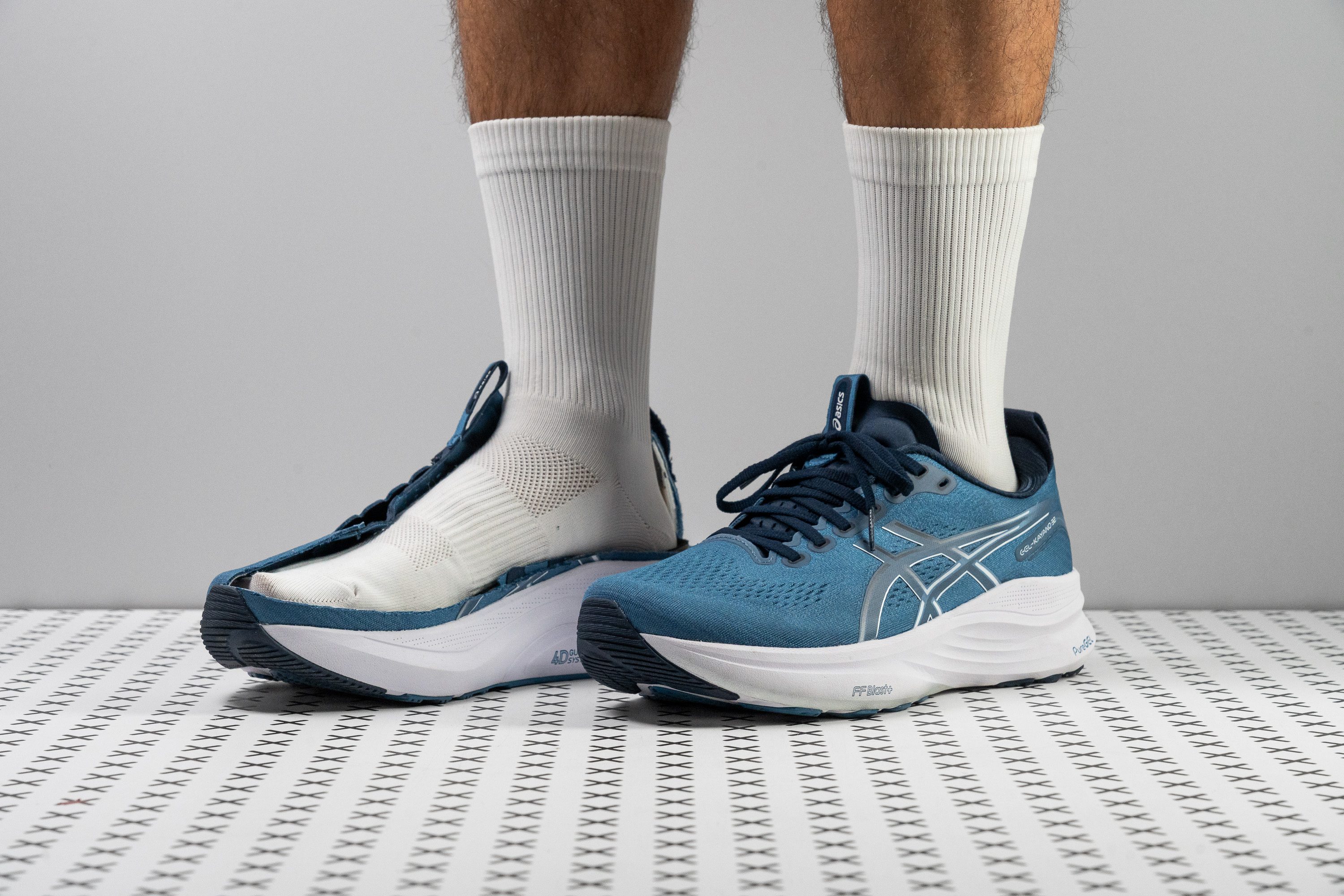
Credit: runrepeat.com
Factors Affecting Shoe Longevity
Running shoes last based on usage frequency and running surface. Quality materials and proper care extend their lifespan. Regular inspection helps in assessing wear and tear, ensuring optimal performance and comfort.
Factors Affecting Shoe Longevity Running shoes don’t last forever. Their lifespan depends on several factors. Understanding these can help you get the best mileage out of your shoes.Material Quality
The quality of materials impacts how long shoes last. High-quality fabrics and rubber offer better durability. Premium shoes often use advanced materials for longer life. Low-quality materials wear out faster.Usage Frequency
How often you run affects shoe life. Daily runners will notice wear sooner. Less frequent runners may see shoes last longer. Track your mileage to judge wear.Running Surface
The surface you run on matters. Pavement wears shoes faster than trails. Softer surfaces like grass can extend shoe life. Consider rotating shoes for different terrains to reduce wear.Signs Of Wear And Tear
Running shoes typically last 300 to 500 miles. Look for signs like worn treads, reduced cushioning, or discomfort. These indicators suggest it’s time to replace them for optimal performance and injury prevention.
Noticing the signs of wear and tear on your running shoes can save your feet and legs from unnecessary stress. Keeping an eye on these tell-tale signs will help you decide when it’s time to retire your current pair and invest in a new one. Let’s delve into the key indicators that your running shoes may be past their prime.Sole Degradation
The sole of your running shoe is its foundation. Over time, you’ll notice the treads wearing down, affecting your grip on different surfaces. If you can no longer see the tread pattern or the shoe feels slippery, it’s a clear sign your shoes need replacing. Walking around your home or a local park can be a simple test. If you find yourself slipping on wet or uneven surfaces, your soles are likely too worn out to provide adequate traction.Upper Fabric Damage
The upper part of your shoe should fit snugly yet comfortably. Look for visible tears or fraying in the fabric. This damage often indicates that the shoe is no longer providing the support your foot requires. A personal observation might be finding your foot sliding around inside the shoe. This can lead to blisters or discomfort during your runs, signaling the need for a new pair.Loss Of Cushioning
Cushioning is crucial for absorbing impact. Press down on the midsole to feel the level of give. If it feels hard or unresponsive, the cushioning has likely degraded. A simple run can also reveal this. If you feel more impact in your knees or shins than usual, it might be because your shoes have lost their shock-absorbing capabilities. Are you noticing any of these signs? Your feet deserve the best support, so consider replacing your running shoes if they show these symptoms. Investing in a new pair could enhance your running experience and prevent injuries.Maintenance Tips
Running shoes typically last around 300 to 500 miles. Pay attention to signs of wear like flattened soles or discomfort. Regularly rotating shoes and using them on appropriate surfaces can extend their lifespan.
Maintaining your running shoes properly can extend their lifespan significantly. It’s not just about how often you wear them, but how well you take care of them. With a few simple maintenance tips, you can keep your shoes in great shape and ensure they continue to support your runs effectively. Let’s delve into some essential practices that can make a difference.Proper Cleaning
Cleaning your running shoes regularly can prevent dirt and grime from degrading the materials. Use a soft brush to remove mud and debris from the soles. For the uppers, a damp cloth with mild soap works wonders. Avoid throwing them in the washing machine, as this can weaken the structure. Air drying your shoes after cleaning helps them maintain their shape.Storage Recommendations
Where you store your running shoes matters. Keep them in a cool, dry place to avoid moisture damage. Avoid leaving them in direct sunlight, as UV rays can break down the materials over time. A shoe rack or cupboard is ideal for maintaining their integrity. You may even want to stuff them with newspaper to help retain their form.Rotation Strategies
Consider rotating between multiple pairs of running shoes. This strategy allows each pair to recover from the stresses of your workouts. Rotating shoes also gives the foam time to decompress, preserving its cushioning properties. Think about how different shoes cater to varying terrain and conditions. This not only extends their lifespan but also enhances your performance. Are you giving your shoes the care they deserve? With these tips, you’ll be set to maximize their durability and get the most out of your runs.When To Replace Your Shoes
Running shoes generally last between 300 to 500 miles. Check for signs like worn-out soles or reduced cushioning. These indicate it’s time to replace them for optimal performance and comfort.
When to Replace Your Shoes Running shoes don’t last forever. They wear out over time, impacting your performance and potentially leading to injuries. Knowing when to replace your shoes is crucial for maintaining your running health.Mileage Guidelines
A common rule of thumb suggests replacing running shoes every 300 to 500 miles. This range depends on the shoe type, your running style, and surface. If you run 20 miles a week, you might need new shoes every four to six months. Keep a running log to track your shoe mileage. Many apps can help you with this, providing reminders when it’s time to shop for a new pair.Physical Discomfort
Listen to your body. If you start experiencing aches in your knees, hips, or back, your shoes might be past their prime. Worn-out shoes often lack the cushioning and support needed to protect your joints. Check for visible signs of wear like thinning soles or frayed fabric. Even if the exterior looks fine, the internal structure could be worn out, leading to discomfort during your runs. Have you noticed any changes in your running form or stride? This could be a subtle sign that your shoes are no longer supporting you as they should. Don’t ignore these signs; your body knows best.Choosing Durable Running Shoes
Running shoes typically last about 300 to 500 miles before needing replacement. Durable shoes enhance comfort and safety on your runs. Consider factors like terrain and usage to determine lifespan.
Choosing durable running shoes can make a significant difference in your running experience. Quality shoes not only enhance performance but also provide better foot protection. Selecting the right pair involves various considerations to ensure longevity and comfort.Material Considerations
The materials used in running shoes greatly impact their durability. High-quality synthetic materials often offer better resistance to wear and tear. Look for shoes with reinforced mesh uppers. They provide breathability while maintaining strength. The sole material is crucial too. Rubber outsoles deliver excellent grip and long-lasting performance. EVA foam midsoles offer good cushioning and resilience. Choose shoes with durable stitching to prevent seams from unraveling.Brand Reputation
A brand’s reputation can serve as a guide to shoe durability. Established brands have a history of producing reliable footwear. They often invest in technology and research. This leads to better quality shoes. Reading customer reviews can provide insight into a brand’s reliability. Loyal customers often attest to a brand’s longevity. Some brands offer warranties or guarantees. These can assure you of the shoe’s durability.Design Features
Design features play a key role in the lifespan of running shoes. Reinforced toe caps protect against impact and abrasions. Shoes with a strong heel counter offer better stability and reduce wear. A well-designed tread pattern enhances traction and reduces sole degradation. Consider shoes with replaceable insoles. They allow customization and extend the shoe’s life. Breathable linings prevent moisture buildup, reducing odor and material breakdown.
Credit: www.runnersworld.com
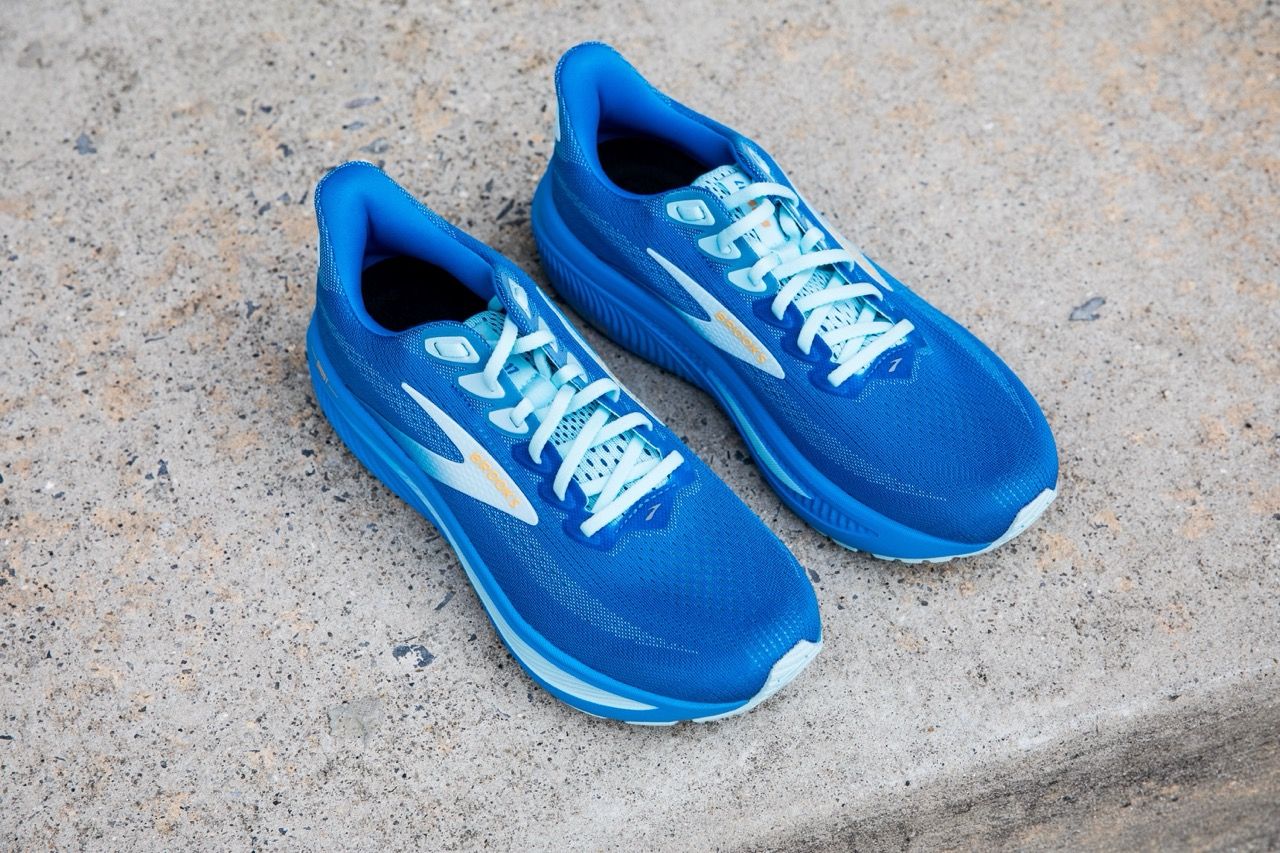
Credit: www.runnersworld.com
Frequently Asked Questions
How Often Should I Replace My Running Shoes?
Replace your running shoes every 300 to 500 miles, depending on wear and tear. Monitor shoe comfort and support.
Can Running Shoes Last 10 Years?
Running shoes typically last 300-500 miles, not 10 years. Longevity depends on usage, care, and shoe quality. Regular runners should replace shoes every 6-12 months. Check for signs of wear like worn-out soles and reduced cushioning to ensure optimal performance and injury prevention.
What Is The Life Expectancy Of A Running Shoe?
Running shoes typically last 300 to 500 miles. This varies based on running style and terrain. Regular checks for wear and tear ensure optimal performance. Proper maintenance can extend their life expectancy. Replace them when cushioning wears out or discomfort arises.
Do Running Shoes Deteriorate Over Time?
Yes, running shoes deteriorate over time due to wear and tear. Regular use compresses cushioning, reducing support and comfort. Environmental factors like moisture and heat can also break down materials. Replace shoes every 300-500 miles to maintain optimal performance and foot health.
Conclusion
Running shoes don’t last forever. They wear out with use. Watch for signs of wear. Consider replacing them every 300 to 500 miles. Feet need proper support. Old shoes can cause pain or injury. Listen to your body. It tells you when shoes need replacing.
Check your shoes regularly. Look for worn soles or discomfort. Fresh shoes improve performance and comfort. Make smart choices for your feet. Stay aware and protect your health. Choose wisely to keep running smoothly. Your feet will thank you.