
Are you curious about the size of pro soccer balls and how they might differ from the ones you kick around at the park? You’re not alone.
Whether you’re an aspiring soccer player, a coach, or just a fan of the beautiful game, understanding the specifics of pro soccer balls can enhance your appreciation for the sport. Imagine being able to confidently discuss the exact size specifications during a game or while watching your favorite team on TV.
This knowledge doesn’t just make you a better player or fan—it connects you more deeply with the sport. Dive into this article to uncover everything you need to know about pro soccer ball sizes, and become the go-to expert in your circle.
Credit: www.evangelistasports.com
Pro Soccer Ball Standards
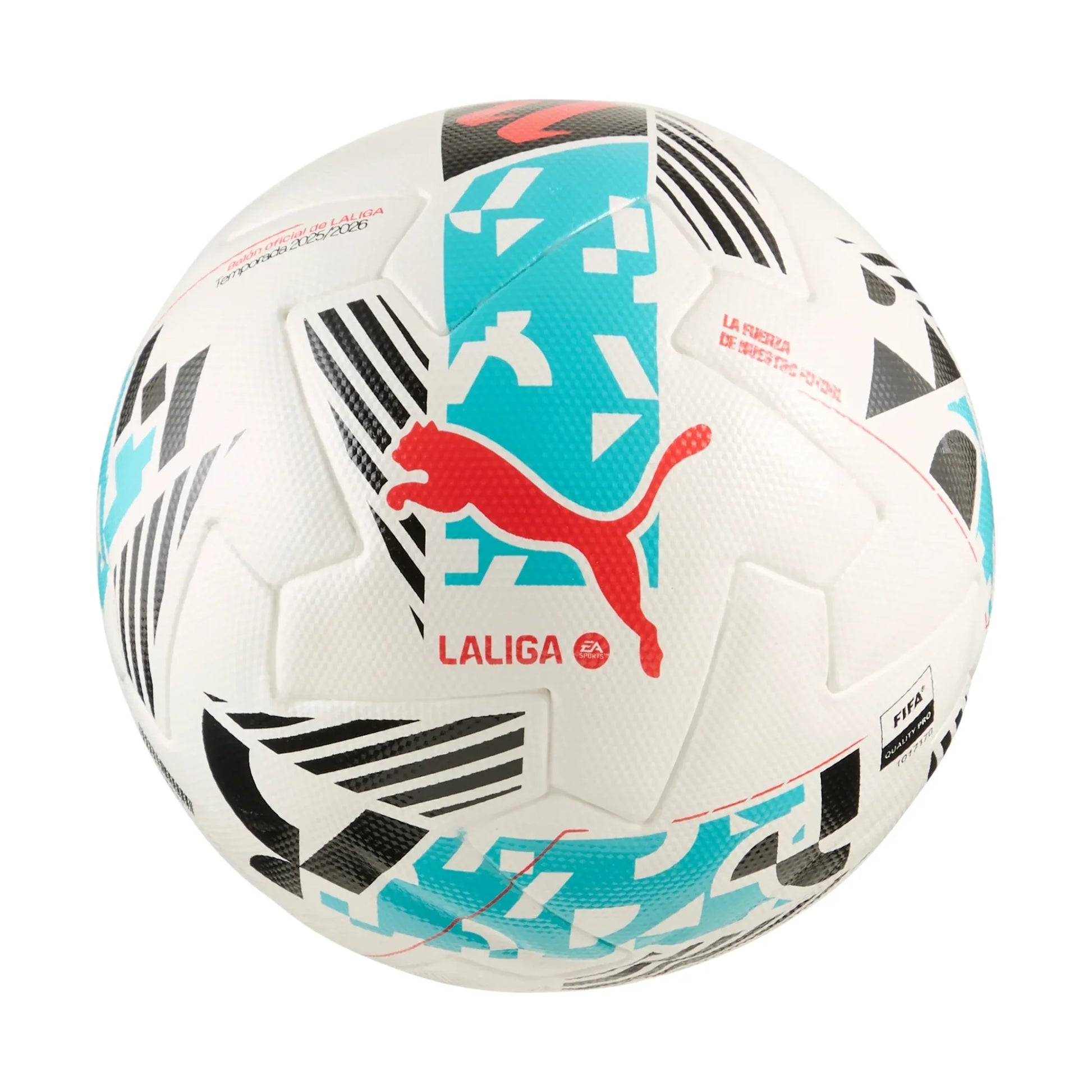
Professional soccer balls are typically size 5. This size is used in official matches. It measures about 27 to 28 inches in circumference.
Pro soccer ball standards are crucial for the game’s integrity. These standards ensure each ball offers consistent performance. Understanding these standards helps fans appreciate the sport’s precision.What Are Pro Soccer Balls?
Pro soccer balls are size 5. They are used in international matches. These balls are designed for players aged 12 and above. They offer the best quality for professional play.Weight Specifications
A pro soccer ball weighs between 410 and 450 grams. This weight allows for accurate passes and shots. Consistent weight ensures fair play across games.Size And Circumference
A pro soccer ball measures 68 to 70 cm in circumference. This size ensures the ball is manageable for skilled players. It’s perfect for executing advanced techniques. Pro soccer balls are made from synthetic leather. This material ensures durability and grip. The surface allows for precise control during gameplay.Fifa Quality Standards
FIFA sets strict standards for pro soccer balls. Each ball must pass rigorous tests. These include bounce, water absorption, and more. Meeting these standards ensures top-level play.Pressure Requirements
The ball pressure must be between 0.6 and 1.1 bars. Proper pressure ensures the ball performs well on the field. It affects bounce and flight characteristics.Color And Design
Pro soccer balls often have bright colors. These colors enhance visibility on the field. Unique designs also help with branding and marketing. By understanding these standards, fans can better appreciate the sport. Soccer’s precision relies on these well-defined ball standards.Dimensions And Weight
Pro soccer balls are typically size 5, measuring around 27-28 inches in circumference. Their weight ranges from 14 to 16 ounces, ideal for professional play.
Understanding the dimensions and weight of pro soccer balls is crucial whether you’re a player or a fan. These specifications ensure the game is played uniformly worldwide, offering a consistent experience no matter where you are. Have you ever wondered why the ball feels just right when kicked? The secret lies in the precise measurements that define professional soccer balls.Diameter Specifications
Professional soccer balls, known as size 5 balls, have a diameter ranging between 8.6 to 9 inches (22 to 23 centimeters). This standardized size ensures the ball is manageable for players of all skill levels, from novices to seasoned pros. Imagine a soccer match where the ball varies in size—chaos would ensue! The consistent diameter helps maintain balance and predictability in gameplay.Weight Requirements
The weight of a pro soccer ball is equally significant, falling between 14 to 16 ounces (410 to 450 grams). This weight range provides optimal control and speed, allowing players to execute precise passes and powerful shots. Think of the last exhilarating goal you witnessed; the ball’s weight plays a role in how it moves and reacts on the field. Would you enjoy the game as much if the ball felt too light or too heavy to kick accurately?Size Categories
Understanding the size categories of pro soccer balls is crucial. These categories ensure players of all ages can find the right fit. The size of the ball affects how it moves and how players handle it. So, choosing the correct size is essential for a good game.
Youth Sizes
Youth soccer balls come in different sizes for growing players. Size 3 is perfect for kids aged 8 and under. It has a circumference of about 23 to 24 inches. This size helps young players develop their skills easily. For children aged 8 to 12, size 4 is ideal. It measures 25 to 26 inches around. This ball size offers a nice balance for practice and play.
Adult Sizes
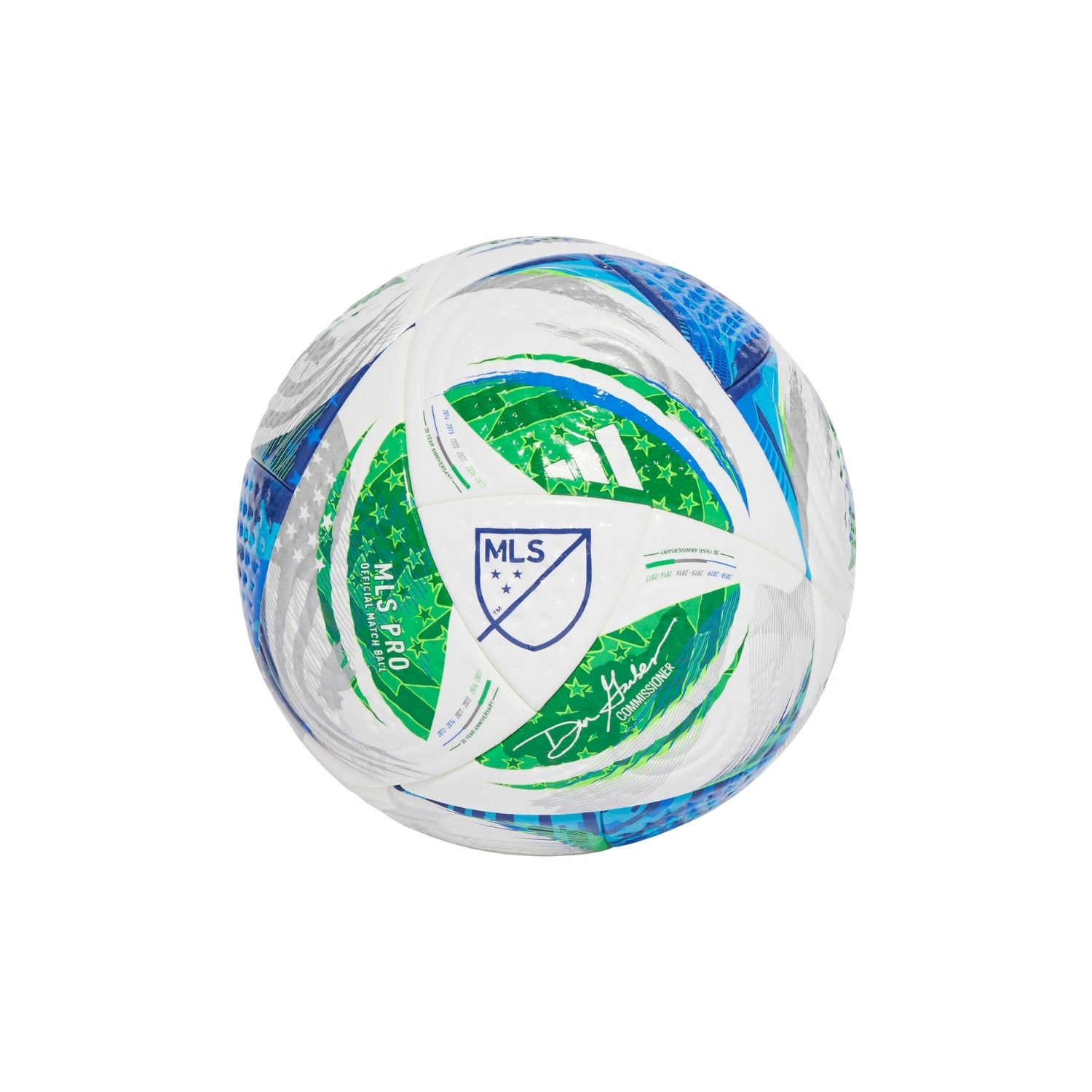
Adults and teenagers aged 13 and above use size 5 balls. This is the standard size for professional games. The circumference ranges between 27 to 28 inches. This size allows for powerful kicks and controlled play. It is the most common size used in leagues worldwide. Understanding these sizes helps players select the best ball for their needs.
Credit: soccermaxx.ca
Material Composition
Pro soccer balls are typically size 5, with a circumference of 27 to 28 inches. These balls are designed for professional matches and are made from high-quality materials for durability and performance. The right size ensures optimal control and precision during play.
The material composition of a pro soccer ball significantly affects its performance, durability, and feel. Understanding what makes up a soccer ball can enhance your appreciation of the game and even improve your playing experience. Let’s take a closer look at the essential components that form the backbone of these balls.Outer Layer Materials
The outer layer, or casing, of a soccer ball is crucial for both durability and control. The materials used can range from synthetic leather to polyurethane. – Synthetic Leather: Offers a softer touch and is often used in high-quality balls. This material mimics the feel of natural leather while being more resilient to water damage. – Polyurethane: Known for its durability and resistance to wear and tear. It provides excellent grip and can withstand intensive play, making it a favorite for professional matches. Have you ever wondered why some balls feel softer, while others are more rigid? The choice of outer layer material plays a huge role here.Inner Bladder Types
Inside the ball lies the bladder, which holds air and impacts the ball’s bounce and shape retention. Different types of bladders cater to various needs and preferences. – Latex Bladders: These offer a softer feel and better control, but they tend to lose air faster. They’re ideal for players who prioritize touch over durability. – Butyl Bladders: Known for excellent air retention, these bladders maintain their shape longer. While they might feel firmer, they ensure consistency throughout prolonged use. Have you ever felt your ball deflate quicker than expected? It might be due to the type of bladder used. Choosing the right soccer ball involves understanding these material compositions. Do you prioritize control and feel, or is durability your main concern? This knowledge can help you make an informed decision next time you’re selecting a ball for your game.Impact On Gameplay
Pro soccer ball size significantly affects gameplay. Players experience changes in control, speed, and precision. The ball’s dimensions influence every move on the field.
Ball Control
Ball size impacts players’ control during the game. A standard size 5 ball is used in professional matches. It allows players to maneuver with precision. Smaller balls may feel different, affecting dribbling skills. Players must adjust their touch and footwork. Larger balls may slow down movement and require more effort. Consistent size ensures players’ skills are tested fairly.
Flight Patterns
Flight patterns change with ball size. A size 5 ball is aerodynamically designed. It cuts through the air smoothly, maintaining speed and direction. Smaller balls might drift or curve unexpectedly. Larger balls can be more stable but slower. The standard size ensures predictable flight, aiding strategic play. Players can anticipate passes and shots with better accuracy.

Credit: www.ebay.ca
Choosing The Right Ball
Choosing the right soccer ball can enhance your gameplay significantly. The size of the ball you choose affects how well you perform on the field. Understanding the differences helps you select the best ball for your needs. Let’s explore some key factors in choosing the right ball.
Skill Level Considerations
Different skill levels require different ball sizes. Beginners often use size 3 balls. These are smaller and lighter, making them easier to control. Intermediate players usually prefer size 4 balls. These offer a balance between control and power. Advanced players, including professionals, use size 5 balls. This size is standard for official matches. It demands precise skill and technique.
Field Conditions
Field conditions greatly influence ball choice. On wet or muddy fields, a heavier ball may be preferable. It reduces unwanted slipping and sliding. On dry, hard surfaces, a lighter ball can enhance speed and agility. Some fields are uneven or have obstacles. In such cases, a ball with better control features is beneficial.
Regulatory Bodies
Regulatory bodies set the standard size for pro soccer balls, ensuring fair play and consistency. Typically, these balls are size 5, with a circumference of 27 to 28 inches. This uniformity helps maintain the game’s integrity across leagues worldwide.
When it comes to understanding the dimensions of a pro soccer ball, regulatory bodies play a vital role in ensuring consistency and fairness in the sport. These organizations establish guidelines that dictate the precise size a soccer ball must be to meet competitive standards. This includes specifications set forth by global and national entities that govern the sport.Fifa Standards
FIFA, the international governing body for soccer, sets the gold standard for ball sizes used in professional matches worldwide. According to FIFA regulations, a standard soccer ball must have a circumference between 68 cm and 70 cm (approximately 27 to 28 inches). Its weight must fall between 410 g and 450 g (14 to 16 ounces). The emphasis on these precise measurements ensures uniformity, so whether you’re watching a match in Brazil or England, the ball behaves predictably. Have you ever considered how this standardization impacts gameplay? It ensures that players can rely on consistent ball performance, wherever they play.National Associations
National soccer associations also play a crucial role in enforcing ball size regulations within their countries. While they largely adhere to FIFA’s guidelines, some may have slight variations to accommodate local leagues or youth competitions. For instance, younger players might use smaller balls to better suit their developing skills. These variations allow the sport to be accessible and enjoyable across different age groups and skill levels. Think about the last time you played soccer—did you notice any differences in ball size? These subtle changes can significantly affect your gameplay experience, emphasizing the importance of these regulatory decisions.Frequently Asked Questions
What Size Ball Does Pro Soccer Use?
Pro soccer uses a size 5 ball. This standard size is 27 to 28 inches in circumference. It’s ideal for players aged 12 and up, providing optimal control and performance during matches. Size 5 is the official ball size for professional leagues globally.
What Soccer Ball Size Does Fifa Use?
FIFA uses a size 5 soccer ball for all official matches. It measures 27-28 inches in circumference. This size is standard for players aged 12 and above, ensuring consistent gameplay across tournaments. Using a size 5 ball enhances performance and maintains uniformity in professional soccer.
What Is The Legal Size Of A Soccer Ball?
A legal soccer ball is size 5 for adult matches. It measures 68-70 cm in circumference. The weight should be 410-450 grams. This size is used in professional and international matches. It ensures consistency and fairness in gameplay.
Is Size 5 The Biggest Soccer Ball?
Size 5 is the largest standard soccer ball used in professional matches. It measures 27 to 28 inches in circumference. This ball size is suitable for players aged 12 and older. Size 5 balls are designed for optimal control and performance during gameplay.
Conclusion
Understanding the size of pro soccer balls is crucial. It ensures fair play and consistency. Players need balls that meet specific standards. This helps maintain the game’s quality. Size 5 is the standard for professional matches. It suits adult players perfectly.
Youth leagues may use smaller sizes. Always check the required size before buying. This ensures the best experience on the field. Knowing the right ball size improves performance. It also boosts confidence during play. Remember, the right equipment makes a difference.
Enjoy your game with the perfect soccer ball!