
Have you ever wondered what goes into making a soccer ball? Whether you’re a player, a fan, or just curious, understanding the materials and craftsmanship behind these iconic sports symbols can be fascinating.
You might be surprised by the level of detail and innovation involved. We’ll uncover the secrets of soccer ball construction, revealing how each component contributes to your game. Get ready to explore the inner workings of a soccer ball, and discover why it feels and performs the way it does.
Stick around, and you might just find yourself looking at this essential piece of sports equipment in a whole new light.
Evolution Of Soccer Balls
Soccer balls have evolved from leather covers to modern synthetic materials. Today’s balls use polyurethane or polyvinyl chloride for durability. These materials enhance performance and ensure better control on the field.
The soccer ball has a rich and fascinating history. It has transformed dramatically over the years. Each change reflects advances in technology and player needs. This evolution showcases the journey from simple beginnings to modern marvels.Early Designs And Materials
In the early days, soccer balls were handmade. They often used animal bladders for the inner part. These bladders were then covered with leather. This made the ball strong but also heavy. The shape was not always perfect, leading to unpredictable bounces. Stitching was done by hand, making each ball unique.Modern Innovations
Today, soccer balls are a blend of science and art. They use synthetic materials for better performance. These materials are lighter and more durable. Panels are no longer stitched but glued together. This gives a more aerodynamic shape. The inner bladder is now made of latex or rubber. This helps maintain air pressure longer. The outer layer often uses polyurethane. It provides better grip and control. With these changes, the game has become faster and more exciting. Soccer balls now meet strict standards for international matches. This ensures fairness and uniformity in games worldwide.Core Components
Soccer balls are crafted with precision and care, ensuring optimal performance on the field. Understanding the core components of a soccer ball can deepen appreciation for this essential piece of sports equipment.
Inner Bladder
The inner bladder is crucial to a soccer ball’s functionality. It holds the air that gives the ball its shape and bounce. Typically, bladders are made from latex or butyl. Latex bladders offer excellent bounce and feel but need frequent inflation. Butyl bladders are more airtight, retaining air longer, making them ideal for regular play. The choice of bladder material affects the ball’s performance and maintenance needs.
Outer Casing
The outer casing is what players interact with. It’s typically crafted from synthetic leather or PVC. Synthetic leather offers superior feel and control, preferred by professionals. PVC is durable and weather-resistant, suitable for recreational use. The casing’s panels are stitched together, affecting the ball’s aerodynamic properties. The number and type of stitches can influence how the ball moves through the air. The outer casing’s design and material contribute to the ball’s durability and handling.
Materials Used
Modern soccer balls are crafted from synthetic leather, often polyurethane or PVC. These materials offer durability and water resistance. Inside, a rubber bladder helps maintain the ball’s shape and air retention.
Understanding the materials used in soccer balls can enhance your appreciation for this universally loved sport. Each material contributes to the ball’s performance, durability, and feel. Whether you’re a casual player or a soccer enthusiast, knowing what goes into making a soccer ball can change how you choose your next one.Synthetic Vs. Natural Leather
Soccer balls were traditionally made from natural leather. This material provides a soft touch and superior feel. However, it absorbs water, making the ball heavier and less predictable in wet conditions. In contrast, synthetic leather has become the modern standard. It offers durability and resists water absorption, maintaining its playability in all weather. High-quality synthetic materials like polyurethane (PU) mimic the softness of natural leather while offering better longevity. Have you ever played with a waterlogged leather ball? The shift to synthetics might make you appreciate dry, consistent gameplay.Innovative Materials
Advancements in technology have led to the use of innovative materials in soccer balls. Microfiber composites enhance the touch and responsiveness of the ball. These materials are engineered to provide a balance between softness and durability. Another innovation is the use of textured surfaces. Textures improve grip and control, especially for players who rely on precise ball handling. Some balls even incorporate foam layers for better energy return, aiding in power shots. Think about the last time you kicked a ball that felt just right. It likely had layers of technology working to give you that perfect feel. Choosing the right soccer ball can impact your game. Next time you’re on the field, consider what materials are beneath your feet. Which would you prefer: the classic feel of leather or the modern performance of synthetic materials?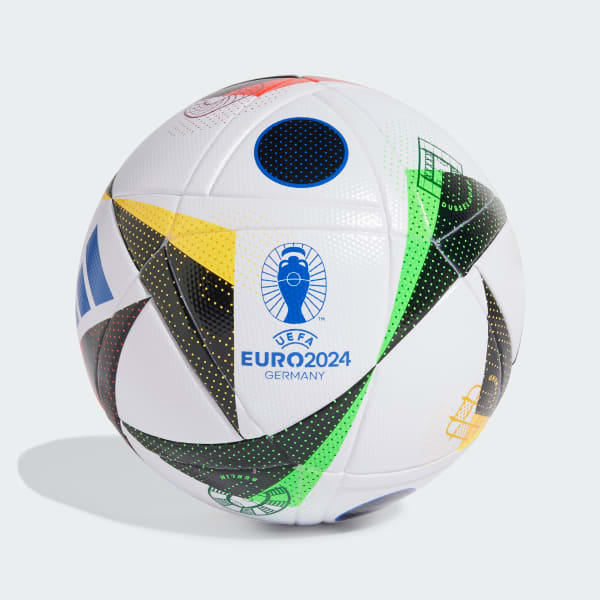
Credit: www.adidas.co.in
Manufacturing Process
Soccer balls are crafted from synthetic leather, enhancing durability and performance. Inside, a latex or rubber bladder ensures optimal air retention. Hand-stitched panels provide a seamless finish for superior control and flight.
The manufacturing process of soccer balls is a fascinating journey from raw materials to the finished product. Each step in this process ensures the ball’s durability, performance, and quality. Understanding how soccer balls are made can deepen appreciation for this essential equipment.Material Selection
Selecting the right materials is crucial in soccer ball manufacturing. The outer layer, known as the cover, is often made from synthetic leather or polyurethane. These materials provide durability and a smooth surface. Inside, the bladder holds the air and is typically made of latex or butyl. Latex offers elasticity while butyl retains air longer. Panels, the sections of the ball’s surface, are usually crafted from polyester or cotton blends. These materials are chosen for their strength and flexibility.Assembly Techniques
Assembly involves stitching or bonding the panels together. Stitching is done by hand or machine, ensuring tight seams. Bonding uses heat and adhesives for a seamless look. The bladder is inserted inside the stitched or bonded panels. This step requires precision to maintain the ball’s shape. Once assembled, the ball undergoes quality checks. These tests ensure the ball meets size, weight, and bounce standards. Finally, branding and design elements are added, giving the ball its unique appearance.Quality And Performance
Soccer balls vary in quality and performance. These aspects determine how well a ball performs on the field. Quality materials enhance durability and affect gameplay. The composition influences how a ball feels and reacts during a match.
Durability And Longevity
Soccer balls are made from different materials. High-quality balls use synthetic leather or polyurethane. These materials resist wear and tear. They withstand frequent use and maintain shape. Durability ensures a longer lifespan, saving players from frequent replacements. Stitching quality also plays a role. Good stitching prevents seams from splitting.
Impact On Game Play
The ball’s construction affects gameplay. The bladder inside determines air retention and bounce. Latex bladders offer a softer feel but require frequent inflation. Butyl bladders retain air longer, ensuring consistent bounce. Surface texture influences grip and control. A smooth finish aids in precise passes and shots. Ball weight and size must meet standards for optimal performance.

Credit: jinanthgj2019.en.made-in-china.com
Environmental Considerations
In today’s world, being environmentally conscious is more important than ever, and even soccer balls are under the spotlight. As you juggle the excitement of the game, it’s worth pausing to consider what goes into making those perfect kicks. The production and disposal of soccer balls have an environmental impact, and understanding these aspects can help you make more sustainable choices.
Sustainability Efforts
Soccer ball manufacturers are increasingly focusing on sustainability. Some companies are using eco-friendly materials like natural rubber and recycled plastics to reduce their carbon footprint. These efforts not only help the environment but also offer you a chance to support greener products.
Brands are also investing in energy-efficient production processes. By reducing energy consumption during manufacturing, they contribute less to global warming. Next time you purchase a soccer ball, check if the brand shares its sustainability practices.
Recycling Challenges
Recycling soccer balls presents unique challenges. Unlike paper or glass, the combination of materials in a soccer ball makes recycling complex. This often leads to more waste ending up in landfills.
Consider this: when a soccer ball reaches the end of its life, can you repurpose it? Some creative ideas include using old balls as planters or dog toys. Small actions like these can significantly reduce waste.
Have you ever thought about the lifecycle of your soccer ball? By understanding these environmental considerations, you can play a role in promoting sustainability in sports. Every choice, no matter how small, contributes to a greener planet.

Credit: coinussports.en.made-in-china.com
Frequently Asked Questions
How Are Fifa Footballs Made?
FIFA footballs are crafted from high-quality synthetic leather. Panels are stitched or thermally bonded for durability. Advanced technology ensures excellent shape retention and performance. Each ball undergoes rigorous testing for quality and consistency. Skilled workers meticulously assemble and inspect every football to meet FIFA standards.
What Materials Do You Use To Make A Soccer Ball?
Soccer balls are made using synthetic leather, typically polyurethane or PVC. The inner bladder is often latex or butyl. These materials ensure durability and performance. Stitching is done with polyester or nylon threads for strength. High-quality balls may include foam layers for enhanced touch.
Is A Soccer Ball Rubber?
A soccer ball typically has an inner rubber bladder. This helps maintain air pressure and gives it shape. The outer layer is usually made of synthetic leather or polyurethane for durability and control. Rubber plays a crucial role in the ball’s construction, ensuring optimal performance during play.
Is A Soccer Ball Made Out Of Hexagons?
A soccer ball is typically made up of hexagons and pentagons. The design combines 20 hexagons and 12 pentagons to form a spherical shape. This pattern, called a truncated icosahedron, is popular for its symmetry and durability in gameplay. Soccer balls vary, but this is the most common design.
Conclusion
Soccer balls come from diverse materials. Leather offers a classic feel. Synthetic options provide durability and waterproof qualities. Inside, rubber or latex bladders ensure bounce and shape retention. Hand-stitched balls offer quality, while machine-stitched ones are common. Each material affects performance.
From professional matches to casual play, the right soccer ball enhances experience. Knowing what soccer balls are made of helps players make informed choices. Choose wisely, based on needs and playing conditions. Soccer remains a beloved sport worldwide. Enjoy playing with the best ball suited for your game.