
Choosing the right kettlebell can feel like a puzzle. You want to make sure it fits your fitness goals perfectly without causing injury.
But with so many sizes available, how do you know which one is right for you? Picture this: you’re ready to start your kettlebell journey, aiming for strength, flexibility, or perhaps weight loss. The right kettlebell is your trusty companion, guiding you to success.
You’ll discover how to select the ideal kettlebell size tailored to your needs, ensuring every workout is both safe and effective. Dive in, and unlock the secret to maximizing your kettlebell training.
Choosing The Right Kettlebell
Choosing the right kettlebell is crucial for maximizing your workout benefits while minimizing the risk of injury. With countless options available, it can be overwhelming to figure out which size fits your needs best. Understanding the factors that influence your decision and recognizing common mistakes can guide you to a smarter choice.
Factors Influencing Your Decision
Several key elements should determine your kettlebell size. Consider your current fitness level; beginners might start with lighter weights, while those with more experience could opt for heavier options. Your workout goals play a significant role—are you focusing on strength, endurance, or flexibility? Each goal might require different kettlebell weights. Think about the exercises you intend to perform; a kettlebell that is perfect for squats might not be ideal for swings or snatches.
Personal experiences often reveal unexpected insights. When I first started, I underestimated my strength and chose a kettlebell too light, missing the challenge necessary for growth. Are you underestimating your abilities, too? Maybe you should try a slightly heavier weight to push your limits.
Common Mistakes To Avoid
A frequent mistake is choosing a kettlebell based on appearance rather than function. Don’t be swayed by colorful designs or fancy shapes—it’s the weight that matters most. Another common error is selecting a kettlebell that’s too heavy or too light. You might think heavier is always better, but too much weight can compromise form and cause injury. Conversely, a kettlebell that’s too light might not provide the challenge needed for improvement.
Avoid the trap of thinking one size fits all. Your kettlebell needs may evolve as you progress, and what works now might not be suitable a few months down the line. Are you prepared to adjust your equipment as your strength and skills grow?
By carefully considering these factors and avoiding common pitfalls, you can confidently choose the right kettlebell, ensuring an effective and enjoyable workout experience.

Credit: www.youtube.com
Weight Recommendations By Experience Level
Choosing the right kettlebell weight depends on your experience level. Different levels require different weight recommendations. This ensures safety and effective workouts. Beginners need lighter weights. Intermediate users can handle more. Advanced athletes can push their limits. Let’s explore these recommendations.
Beginners: Starting Safely
Beginners should start with a manageable weight. This helps avoid injuries. Usually, women can start with 8 kg (18 lbs). Men might start with 12 kg (26 lbs). Focus on form and technique first. Use lighter weights to learn proper movement. Build a solid foundation before increasing weight.
Intermediate Users: Progressing Gradually
Intermediate users have developed some strength and skill. They can handle heavier weights. Women can progress to 12 kg (26 lbs). Men might use 16 kg (35 lbs). Gradually increase the weight as you gain strength. Pay attention to your body’s feedback. This stage is about building endurance and strength.
Advanced Athletes: Challenging Limits
Advanced athletes can challenge their limits. They have mastered technique and strength. Women may use 16 kg (35 lbs) or more. Men can choose 20 kg (44 lbs) or heavier. Focus on improving power and performance. Keep challenging your limits safely. Advanced training demands precision and control.
Kettlebell Types And Their Uses
Choosing the right kettlebell size involves understanding the different types available and their specific uses. Each type caters to varied fitness needs, offering unique benefits that can enhance your workout routine. Let’s explore the different kettlebell types and how they can fit into your fitness journey.
Standard Kettlebells
Standard kettlebells are the most common type you’ll find in gyms and fitness stores. They are typically made of cast iron and have a large handle for easy grip. These kettlebells are perfect for beginners who are just getting started with strength training.
They come in a wide range of weights, allowing you to gradually increase your strength. You can use them for exercises like swings, squats, and deadlifts. If you’re starting out, a standard kettlebell will provide a solid foundation for building your skills.
Adjustable Kettlebells
Adjustable kettlebells are a versatile option for those who want to save space and money. They allow you to change the weight by adding or removing plates, making them ideal for a home gym. This flexibility means you can adapt your workouts as you progress.
Imagine having a single kettlebell that can replace an entire set. This is great for those who live in small spaces or want to avoid clutter. Plus, it’s a budget-friendly option for those who don’t want to invest in multiple kettlebells.
Competition Kettlebells
Competition kettlebells are designed for those who are serious about their training. They are typically made of steel and have a uniform size, regardless of weight. This consistency is crucial for athletes who need precise control over their movements.
These kettlebells are color-coded according to weight, which helps in quickly identifying the right one during high-intensity workouts. If you’re aiming to compete or simply want to train like a pro, competition kettlebells offer that extra edge.
Each kettlebell type offers unique advantages. Have you considered which type aligns with your fitness goals? By choosing the right kettlebell, you can maximize your workouts and achieve better results.
Exercises And Their Weight Demands
Choosing the right kettlebell size is essential for effective workouts. Beginners might start with lighter weights, around 8-12 kg, while more experienced users can opt for 16 kg or heavier. Selecting the appropriate weight helps in achieving fitness goals and ensures safety during exercises.
When choosing the right kettlebell weight, it’s crucial to consider the specific exercises you plan to perform. Each type of workout demands a different level of resistance. Understanding these demands will help you select the appropriate kettlebell size, ensuring effective workouts and minimizing the risk of injury.Strength Training With Kettlebells
Strength training often requires heavier kettlebells. When you’re performing moves like kettlebell swings, deadlifts, or goblet squats, you need a weight that challenges your muscles but still allows for proper form. For beginners, a weight between 12 kg (26 lbs) and 16 kg (35 lbs) is usually a good starting point. As you progress, you can gradually increase the weight to continue building strength. The key is to find a balance where the kettlebell is heavy enough to provide resistance but not so heavy that it compromises your technique. Consider how your body feels during the last few reps—are you maintaining form, or is the weight dictating your movements?Cardio Workouts
Cardio-focused kettlebell workouts require lighter weights compared to strength training. The goal here is to maintain a steady pace and increase your heart rate without overstraining. For exercises like kettlebell snatches, high pulls, or clean and press, a weight range of 8 kg (18 lbs) to 12 kg (26 lbs) is often ideal for beginners. These weights allow you to perform high-repetition sets, which are essential for cardiovascular endurance. As your stamina builds, you can gradually incorporate heavier weights to intensify your sessions. Remember, the aim is to keep moving consistently without sacrificing form or safety.Flexibility And Mobility Exercises
When using kettlebells for flexibility and mobility, lighter weights are usually sufficient. Exercises like windmills, Turkish get-ups, or halo movements are designed to improve your range of motion and stability. A kettlebell between 4 kg (9 lbs) and 8 kg (18 lbs) is typically recommended. These exercises emphasize control and fluidity, so a lighter weight helps you focus on technique. Notice how your body moves through each motion—are you able to maintain a smooth, controlled flow? By prioritizing form over weight, you’ll enhance flexibility and prevent injuries. Choosing the right kettlebell weight is a personal journey. Reflect on your goals, listen to your body, and adjust as needed. What feels challenging yet manageable today might change tomorrow as you grow stronger and more skilled.Kettlebell Material Considerations
Choosing the right kettlebell involves more than just deciding on the weight; the material is equally important. The material can affect your workout experience, durability, and grip. Are you curious about how the kettlebell’s material can make or break your fitness journey?
Cast Iron Vs. Vinyl
Cast iron kettlebells are the traditional choice for many fitness enthusiasts. They offer a raw and authentic feel during workouts. Their simplicity and durability make them a favorite for those who appreciate the classic gym vibe.
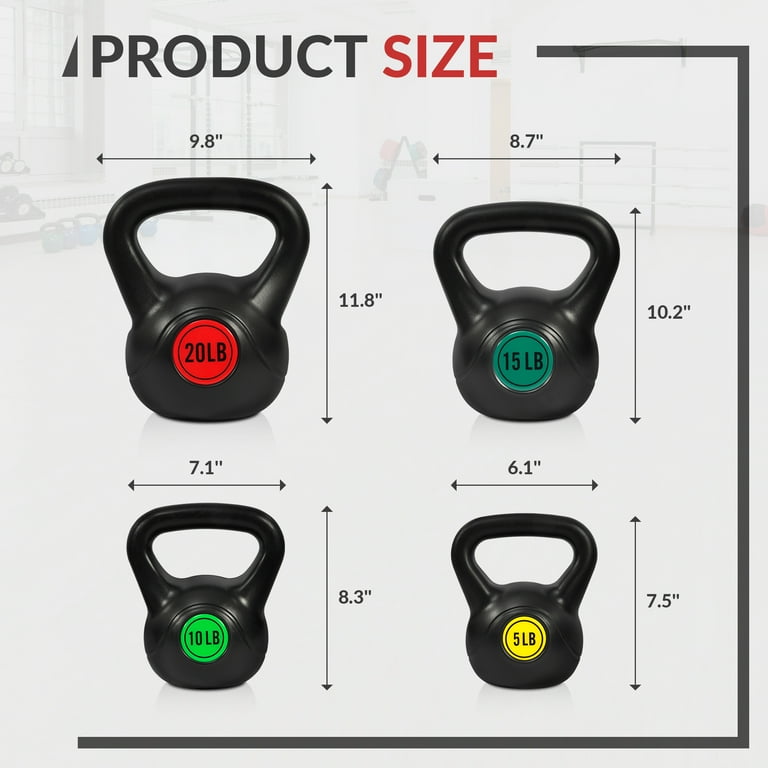
On the other hand, vinyl kettlebells are often seen in more modern settings. They are usually more colorful and can be gentler on flooring. If aesthetics and protection of surfaces are a priority for you, vinyl might be the way to go.
Durability And Grip
Durability should be a top consideration. Cast iron kettlebells are known for their longevity. They can withstand drops and rough handling, making them a reliable option for intense workouts.
The grip is another critical factor. Cast iron kettlebells often have a rougher surface, providing a solid hold. Vinyl kettlebells may have a smoother finish, potentially affecting your grip during sweaty sessions. Think about how a secure grip can enhance your performance.
Which material do you think aligns best with your fitness goals? Whether you choose cast iron or vinyl, consider how each option complements your workout style and environment.
Assessing Your Fitness Goals
Choosing the right kettlebell size helps achieve fitness goals effectively. Beginners might start with 8-12 kg for basic exercises. Intermediate users often prefer 12-16 kg to increase strength and endurance.
Assessing your fitness goals is key when choosing the right kettlebell size. Your goals will guide you in selecting a kettlebell that matches your workout needs. Kettlebells come in various weights, and choosing the right one depends on what you want to achieve.Short-term Vs. Long-term Goals
Focus on what you aim to achieve in the short term. Short-term goals might include mastering basic movements or improving balance. These goals often require lighter kettlebells. For long-term goals, consider your overall fitness journey. You might aim to build significant strength or enhance endurance. Long-term goals generally necessitate heavier kettlebells as you progress.Balancing Strength And Endurance
Strength and endurance are vital components of fitness. Balancing them means choosing kettlebells that suit exercises enhancing both. Strength-focused workouts demand heavier weights. They help build muscle and increase power. Endurance-focused routines might need lighter kettlebells. They allow for longer repetitions and improved stamina. Adjust the kettlebell size based on your preferred balance between strength and endurance.Tips For Testing Kettlebell Weight
Choosing the right kettlebell weight involves considering your fitness level and goals. Beginners might start with lighter weights for safety and control. Testing different sizes helps find a comfortable option that challenges your muscles without straining them.
When selecting the right kettlebell weight, testing before buying is crucial. Finding the perfect kettlebell size ensures effective and safe workouts. Below are some practical tips to help you choose wisely.Try Before You Buy
Testing kettlebells firsthand gives a sense of their weight and feel. Visit a local gym or sporting goods store. Lift different weights to determine comfort and manageability. Focus on maintaining proper form during each lift. Keep in mind your fitness level and goals. A trial session can prevent potential injuries and support your progress.Seek Professional Guidance
Consult a fitness trainer for expert advice on kettlebell weight. Trainers assess your strength and recommend suitable weights. They observe your form and suggest corrections. Personalized guidance ensures you choose a weight matching your needs. Professional input can lead to safer and more effective workouts.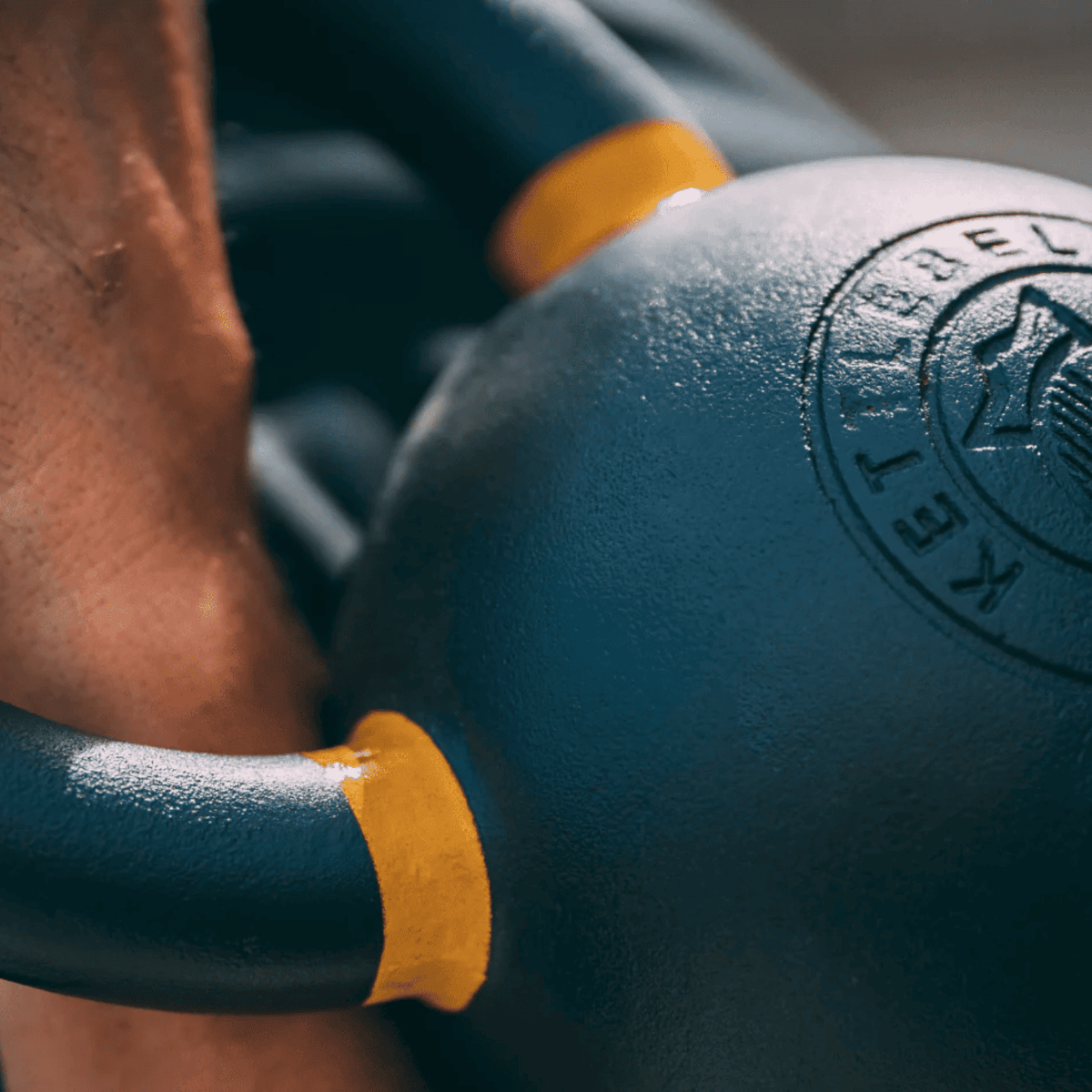
Credit: www.kettlebellkings.com
Credit: www.walmart.com
Frequently Asked Questions
What Size Kettlebells Should You Get?
Choose kettlebell weights based on your fitness level. Beginners often start with 8-12 kg for men and 4-8 kg for women. Intermediate lifters may use 12-16 kg, while advanced lifters might prefer 20 kg or more. Always prioritize proper form over weight.
How Heavy Should My Kettlebell Be For Swings?
Choose a kettlebell that is 12-16 kg for beginners. Intermediate users should opt for 16-24 kg. Advanced individuals can swing 24 kg or more. Ensure your form is correct to avoid injury. Listen to your body and adjust weight accordingly for safe and effective workouts.
How Heavy Should A Kettlebell Be For Squats?
Choose a kettlebell weight based on your fitness level. Beginners typically start with 8-12 kg, while experienced lifters use 16-24 kg. Focus on maintaining proper form during squats to prevent injury and maximize effectiveness. Adjust weight as you gain strength and confidence in your technique.
What Factors Determine Kettlebell Size?
Choosing the right kettlebell size depends on your fitness level, exercise type, and goals. Beginners may start with lighter weights, while advanced users may opt for heavier ones. Consider your strength and the exercises you plan to perform for a perfect fit.
Conclusion
Choosing the right kettlebell size is crucial. It impacts your workout effectiveness. Start with a weight that feels comfortable. Focus on form and control. Beginners should avoid heavy kettlebells. Gradually increase weight as you grow stronger. Remember to listen to your body.
Safety comes first. Consult a fitness trainer if unsure. They can provide personalized advice. With the right size, progress is achievable. Stay consistent and enjoy your fitness journey.