
Have you ever found yourself standing by a serene riverbank, ready to reel in some trout, but feeling unsure about which hook size to use? You’re not alone.
Choosing the right hook size for trout fishing can make all the difference between a successful day catching fish and a frustrating one. If you’ve ever wondered why some fishing trips yield a plentiful catch while others leave you empty-handed, the answer might be hiding in the size of your hook.
Understanding hook sizes is crucial for optimizing your fishing strategy. It can determine how well your bait presents itself, how easily you can hook a fish, and even how many fish you’re likely to catch. Imagine the thrill of knowing you’ve nailed the perfect hook size and are prepared for a day filled with triumph. Are you ready to uncover the secrets of selecting the perfect hook size to enhance your trout fishing experience? Dive into this guide, and let’s turn your next fishing adventure into a memorable success!
Choosing The Right Hook Size
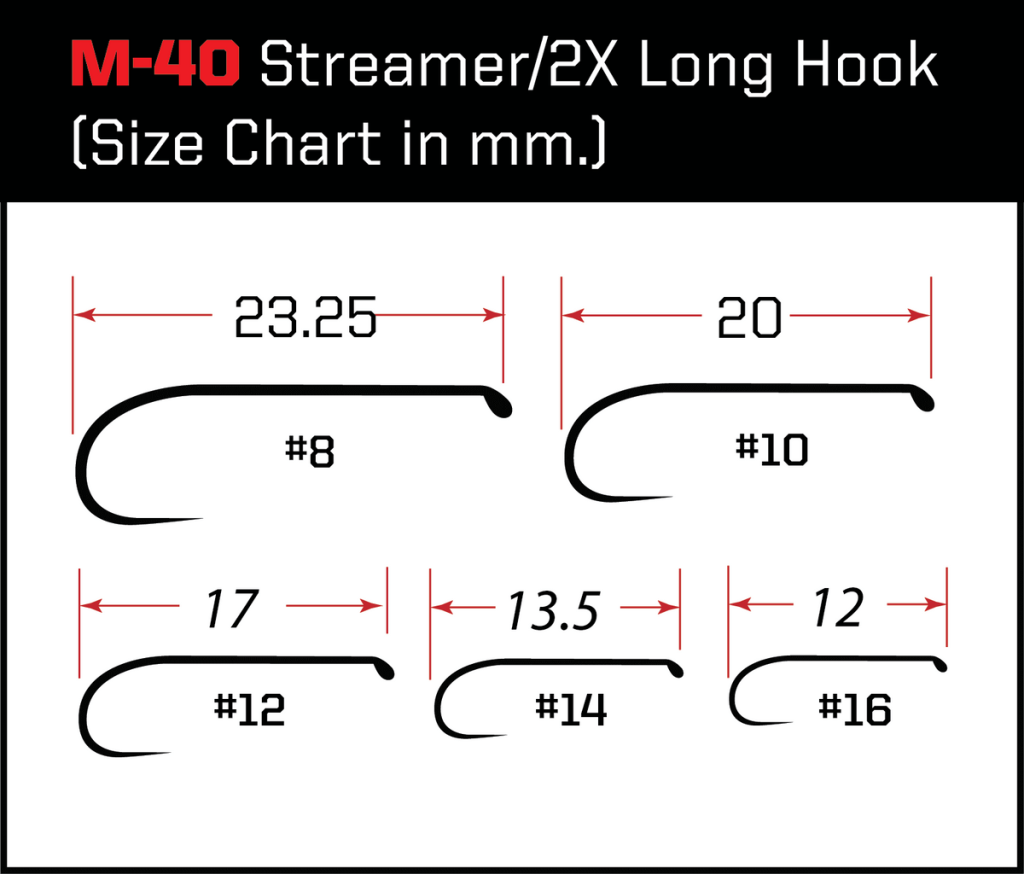
Choosing the right hook size is crucial for successful trout fishing. Smaller hooks, like size 8 to 12, work best. They easily fit in a trout’s mouth and hold bait effectively.
Choosing the right hook size is crucial for successful trout fishing. It’s not just about snagging a fish; it’s about understanding the delicate balance between hook size, bait, and the trout’s behavior. Picking the correct hook size can mean the difference between a triumphant catch and a missed opportunity.Factors Influencing Hook Size
Several factors can determine which hook size will work best for you. The type of bait you use is a primary consideration; smaller baits like worms or insects often require smaller hooks. Additionally, the water conditions and the trout species you are targeting play a crucial role in hook selection. Water clarity can also influence your choice. In crystal-clear waters, a smaller, more discreet hook might be necessary. Conversely, in murkier waters, a slightly larger hook could be more effective.Common Hook Sizes For Trout
Understanding common hook sizes can help you make an informed choice. Hook sizes for trout typically range between size 8 and 14. Size 8 hooks are generally better for larger trout and when using bigger bait like minnows. Size 10 and 12 hooks are versatile and often used with worms or power bait. These sizes are ideal for medium-sized trout and are a popular choice among seasoned anglers. Size 14 hooks are perfect for fly fishing or when targeting smaller trout with tiny bait. They offer a delicate approach, ensuring the trout doesn’t get spooked. When was the last time you adjusted your hook size for the conditions, and how did it impact your catch? Considering these factors and sizes can significantly enhance your trout fishing adventures.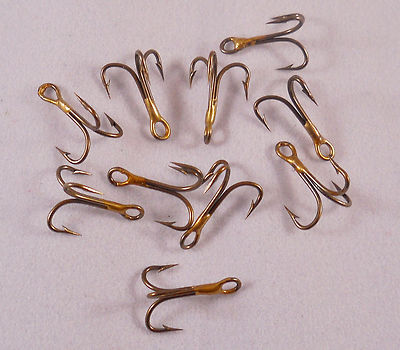
Credit: www.ebay.com
Hook Types And Their Uses
Choosing the right hook size is vital for successful trout fishing. Smaller hooks, like size 10 to 14, are ideal for these fish. They ensure a gentle presentation, preventing the fish from getting spooked.
Hook Types and Their Uses Understanding hook types is essential for successful trout fishing. Different hooks serve specific purposes. Each type offers unique advantages. Choosing the right hook can make your fishing experience rewarding. Let’s explore some common hook types for trout fishing.Single Hooks
Single hooks are versatile and easy to use. They have one point and are simple to bait. Many anglers prefer them for their reliability. Single hooks reduce the risk of injury to the fish. They are ideal for catch and release fishing. They offer a straightforward hooking process. Perfect for beginners and experienced anglers alike.Treble Hooks
Treble hooks consist of three points. They increase the chances of catching trout. Each point improves hook-up efficiency. Treble hooks are great for lures. They provide multiple contact points. Ideal for targeting aggressive trout. Be mindful of their potential harm to fish. Handle with care to avoid unnecessary damage.Circle Hooks
Circle hooks are designed for conservation. They minimize injury to fish. Their unique shape promotes safe catch and release. Circle hooks are self-setting. They hook fish in the corner of the mouth. This reduces deep hooking. Best for live bait fishing. They offer better survival rates for released trout.Material Considerations
Choosing the right material for your trout fishing hooks is crucial for a successful fishing experience. The material of the hook determines its durability, strength, and performance. Whether you’re a seasoned angler or a beginner, understanding the nuances of hook materials can dramatically impact your trout fishing success.
Steel Vs. Carbon Hooks
Steel hooks are traditional and widely used, known for their robustness and affordability. They provide a solid option for those who fish occasionally. Carbon hooks, on the other hand, offer superior strength and lightweight properties. They tend to be more expensive but are favored by serious anglers for their reliability and reduced breakage.
Imagine you’re out in the water, casting your line with confidence. A steel hook might bend under pressure during a fierce fight with a large trout, while a carbon hook remains steadfast. Which one would you trust more when the stakes are high?
Durability And Strength
Durability is a key factor that can make or break your fishing adventure. Steel hooks, though durable, can rust over time, affecting their long-term usability. Carbon hooks resist rust and maintain their sharpness longer, proving to be a worthwhile investment for regular anglers.
Strength is essential in avoiding hook failure. A hook that breaks in the middle of a catch can be frustrating. Carbon hooks boast higher tensile strength, making them less likely to snap under pressure. Next time you’re selecting hooks, ask yourself: is it worth risking a lost catch for a cheaper option?
Fishing Techniques And Hook Size
Fishing for trout is an exciting and rewarding experience. Choosing the right hook size can enhance your success. Different fishing techniques require specific hook sizes for optimal results. Understanding the relationship between technique and hook size can make a significant difference.
Fly Fishing Hooks
Fly fishing for trout often uses small hooks. Sizes range from 10 to 18, with 12 and 14 being popular choices. These sizes match the insects trout feed on. Smaller hooks make the fly appear natural and enticing.
Bait Fishing Hooks
Bait fishing usually involves hooks sized from 6 to 14. A size 8 or 10 is ideal for worms or dough bait. These sizes offer a good balance, securing the bait while remaining subtle. Ensure the hook size complements the bait’s size and type.
Lure Fishing Hooks
Lure fishing for trout can use sizes 8 to 12. Treble hooks on lures need careful selection. They should be small enough to not deter the fish, yet large enough to ensure a good hold. Check your lure’s design to choose the best hook size.
Expert Tips For Hook Selection
When fishing for trout, selecting the right hook size can be as crucial as choosing the right bait. A hook that’s too large may scare away the fish, while one that’s too small might not secure your catch. By understanding how to match your hook size to your bait and adjusting for specific conditions, you can significantly improve your chances of a successful fishing trip.
Matching Hook Size To Bait
The size of your bait directly influences the size of the hook you should use. For small baits like worms or small insects, opt for hooks in the size range of 10 to 14. These smaller hooks allow the bait to move naturally, enticing the trout to bite.
Larger baits such as minnows or artificial lures require larger hooks, typically in the size range of 6 to 8. This ensures the bait stays secure and presents an inviting target for the fish. Have you ever tried adjusting your hook size to match your bait and noticed an increase in bites?
Adjusting Hook Size For Conditions
Fishing conditions can change drastically, and so should your hook size. In clear water, smaller hooks are less noticeable, making them ideal for attracting cautious trout. On the other hand, murky waters may require larger hooks that can hold bulkier baits to attract attention.
When fishing in fast currents, consider a heavier hook to keep your bait anchored. This prevents the current from sweeping your bait away, keeping it in the strike zone longer. Have you ever thought about how the water conditions might be affecting your choice of hook size?

Credit: www.ebay.com
Common Mistakes To Avoid
Choosing the right hook size for trout fishing can be tricky. Many anglers make common mistakes that hinder their success. Understanding these errors can improve your catch rates.
Using Oversized Hooks
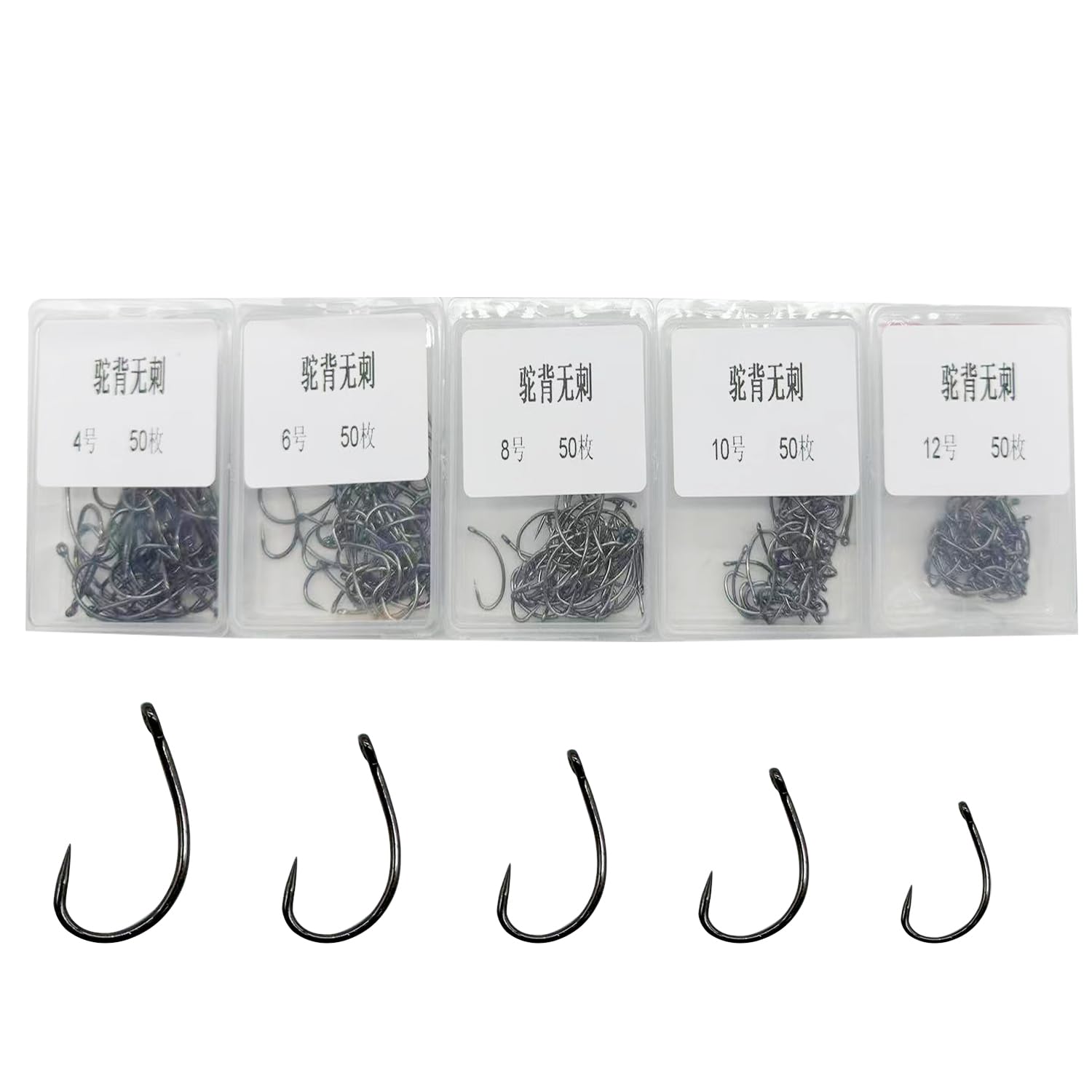
Many anglers use hooks that are too large for trout. Large hooks can intimidate trout and make them wary. Trout have small mouths, so they struggle with big hooks. Opt for smaller hooks to increase your chances. Hooks ranging from size 10 to 14 are often ideal.
Ignoring Water Conditions
Water conditions affect trout behavior and feeding. Ignoring these can lead to poor hook choices. In clear water, trout are more cautious and small hooks work best. In murky water, larger hooks can be more effective. Match your hook size to the water clarity.
Credit: www.amazon.com
Frequently Asked Questions
Is A 2 Or 4 Hook Bigger?
A 2 hook is larger than a 4 hook. Hook sizes decrease as the number increases. Smaller numbers indicate bigger hooks, commonly used for larger fish. For SEO purposes, understanding hook sizes is essential for anglers looking to optimize their fishing gear selection.
What Is The Best Hook Setup For Trout?
Use a size 12 to 16 single or treble hook for trout. Pair with light line and natural bait like worms. This setup offers natural presentation and effective hook setting. Avoid large hooks to prevent scaring the fish. Choose the right setup based on water conditions and trout size.
Is Size 10 Good For Trout?
Size 10 is ideal for trout fishing. It balances visibility and subtlety, attracting trout effectively. Trout often respond well to this size, making it a popular choice among anglers. Consider local conditions and trout preferences for best results.
Is A 10 Hook Bigger Than An 8?
A 10 hook is smaller than a 8 hook. Fishing hook sizes decrease as the number increases.
Conclusion
Choosing the right hook size boosts your trout fishing success. Smaller hooks work well for delicate presentations. Bigger hooks suit larger bait and bigger trout. Match hook size to your bait and trout’s size. Experimenting with different sizes helps find the best fit.
Weather conditions may affect trout behavior. Adjusting hook size can make a difference. Stay observant and adapt your strategy. Every fishing trip is a learning experience. Enjoy the adventure and refine your skills. Happy fishing!