
Riding a motorcycle offers a sense of freedom, but safety should always be a priority. One of the most critical safety features in modern bikes is the Anti-Lock Braking System (ABS). This technology is designed to prevent wheel lock-up during sudden braking, ensuring that riders maintain control and stability in emergency situations.
In this article, we will explore what the Anti-Lock Braking System in bikes is, how it works, its benefits, and why it’s essential for every rider. By the end, you’ll understand why investing in a motorcycle with ABS can significantly enhance your safety on the road.
Understanding the Anti-Lock Braking System in Bikes
The Anti-Lock Braking System (ABS) is a vital safety feature that prevents the wheels from locking up during hard braking. This system is crucial for maintaining control over the motorcycle, especially in emergency braking situations. Without ABS, the wheels can skid, leading to loss of control and potential accidents. Every rider should understand how ABS works and its importance in enhancing safety.
How ABS Works in Motorcycles
ABS operates through a series of sensors that monitor the speed of each wheel. When the system detects that a wheel is about to lock up, it automatically modulates brake pressure to prevent skidding. This allows the rider to maintain steering control even during hard braking, significantly reducing the risk of accidents.
Key Components of ABS
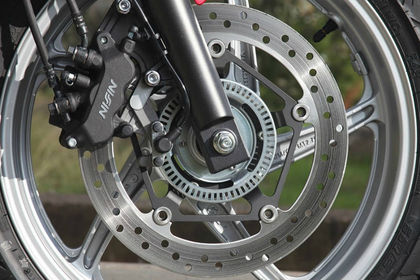
The Anti-Lock Braking System comprises several essential components:
- Speed Sensors: These sensors continuously monitor the rotation speed of each wheel.
- Electronic Control Unit (ECU): This unit processes data from the speed sensors and determines when to adjust brake pressure.
- Hydraulic Valves: These valves modulate brake pressure to prevent wheel lock-up.
- ABS Module: This integrates all components, ensuring smooth operation of the system.
Benefits of Having ABS in Bikes
The advantages of an Anti-Lock Braking System are significant. ABS can reduce braking distances, especially on slippery surfaces, and provides better control and stability. Riders can confidently navigate challenging conditions, making biking safer and more enjoyable. We cover this in detail in our How Unlock Kryptonite Bike Lock: article.
Common Misconceptions About ABS
Many riders mistakenly believe that ABS increases stopping distances. In reality, it enhances braking efficiency and is beneficial for riders of all skill levels. ABS is not merely an advanced feature; it is a crucial safety upgrade that every motorcycle should have.
Credit: www.bikedekho.com
Maintaining Your Anti-Lock Braking System
Proper maintenance of your ABS is essential for optimal performance. Regularly check the brake fluid levels, inspect the sensors for dirt or damage, and ensure that the hydraulic system is functioning correctly. Consult your motorcycle’s manual for specific maintenance guidelines to keep your ABS in top condition. You may also find our How Do You Reset Bike helpful.
FAQs About Anti-Lock Braking Systems in Bikes
Q: What is an anti-lock braking system?
A: An anti-lock braking system (ABS) is a safety feature in motorcycles that prevents wheel lock-up during sudden braking, allowing for better control and stability.
Q: How does ABS work in motorcycles?
A: ABS uses sensors to monitor wheel speed and automatically adjusts brake pressure to prevent skidding, helping riders maintain steering control during hard braking. Learn more in our Anti Fog Goggles Swimming: Picks post.
Q: Why is ABS important for bike safety?
A: ABS significantly enhances safety by reducing braking distances and preventing wheel lock-up, especially in slippery conditions, making it essential for all riders. According to Mayo Clinic fitness guide, this is important for athletes.
Q: Can you install ABS on an older motorcycle?
A: While it is technically possible to retrofit ABS on some older motorcycles, it can be complex and costly. It’s often more practical to invest in a newer model with ABS already installed. For more, see our complete guide on How Reset Bike Lock Combo:.
Q: What are the signs of a failing anti-lock braking system?
A: Signs of a failing ABS include warning lights on the dashboard, unusual braking behavior, or a lack of response during emergency stops. Regular maintenance checks can help identify issues early.
Q: How does ABS compare to traditional braking systems?
A: Unlike traditional braking systems that can cause wheel lock-up, ABS optimizes braking pressure to maintain traction and control, especially in emergency situations.
Q: What are the advantages of having ABS in bikes?
A: The advantages include improved safety, reduced stopping distances, better control in adverse conditions, and enhanced rider confidence.
Q: How can I maintain my anti-lock braking system?
A: Regularly check brake fluid levels, inspect sensors for dirt or damage, and follow your motorcycle’s maintenance guidelines to ensure your ABS operates effectively.
In summary, the Anti-Lock Braking System in bikes is a crucial safety feature that every rider should consider. By preventing wheel lock-up during braking, it enhances control, stability, and overall safety. Whether you’re a seasoned rider or a beginner, investing in a motorcycle with ABS can significantly improve your riding experience. Remember to maintain your ABS for optimal performance and enjoy safer rides on the open road.