
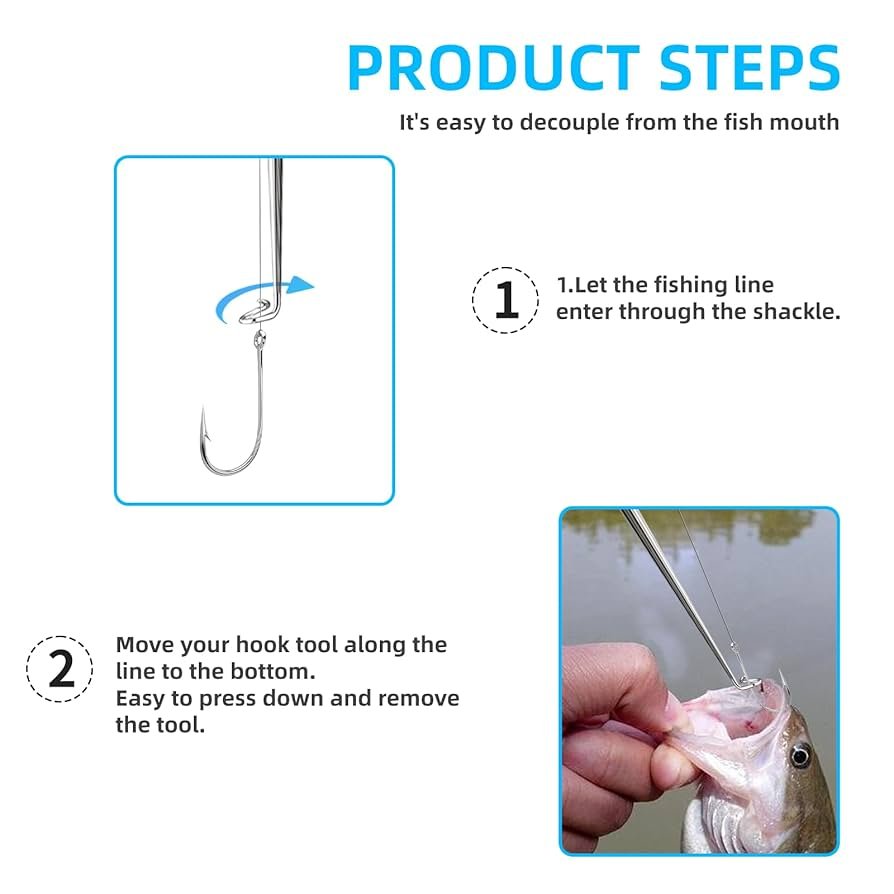
After the thrill of catching a fish, the next crucial step is how to take fish off the hook safely and effectively. This process can be intimidating, but with the right techniques and tools, you can ensure a smooth release or preparation for your meal. Mastering the art of unhooking fish enhances your fishing experience and promotes responsible catch-and-release practices.
Essential Tools for Unhooking Fish
To successfully take fish off the hook, having the right tools is essential. These tools not only make the process easier but also ensure the safety of both you and the fish. Here’s a list of must-have items:
Hook Remover
A hook remover is an essential tool for safely removing hooks from fish. It allows you to extract the hook without causing harm to the fish and keeps your hands away from sharp teeth or spines.
Needle Nose Pliers
These versatile pliers are perfect for gripping and removing hooks, especially those that are deeply set. Their long, slender design provides excellent reach and control. For more, see our complete guide on How Take Fish off Hook:.
Fishing Gloves
Wearing fishing gloves protects your hands from cuts and fish slime while providing a better grip on slippery fish. They also help minimize the risk of infections from fish barbs.
Dehooking Device
A dehooking device is designed to quickly and efficiently remove hooks, reducing stress on the fish. This tool is particularly useful for anglers practicing catch-and-release fishing.
Line Cutter
Having a line cutter on hand is vital for situations where a hook is deeply embedded. Quickly cutting the line can prevent further injury to the fish. We cover this in detail in our Take Fish Off article.
Towel or Fish Mat
A towel or fish mat provides a safe and protective surface for handling fish, reducing the risk of injury during the unhooking process.
- Hook Remover
- Needle Nose Pliers
- Fishing Gloves
- Dehooking Device
- Line Cutter
- Towel or Fish Mat
Safety First: How to Unhook Fish
When learning how to take fish off the hook, safety is paramount. Here are some tips for handling fish carefully:
Handling Fish Carefully
Fish can be slippery and may escape easily, so it’s important to hold them gently but firmly. Use your tools to remove the hook safely, and keep an eye out for sharp fins or teeth that could cause injury. You may also find our How Take Speed Limiter off helpful.
Expert Tips for Unhooking Fish
Here are some expert tips to help you take fish off the hook effectively:
- Always wet your hands before handling fish to reduce slime loss.
- For deep hooks, use a dehooking tool to minimize stress on the fish.
- Keep the fish in the water as much as possible while unhooking to ensure its survival.
- Practice catch-and-release techniques to help maintain fish populations.
FAQs
Q: How to take fish off the hook without harming it?
To safely take fish off the hook, use a hook remover or dehooking device, handle the fish gently, and minimize its time out of water. This ensures a humane release. According to Mayo Clinic fitness guide, this is important for athletes.
Q: What tools do I need to unhook fish?
Essential tools include a hook remover, needle nose pliers, fishing gloves, a dehooking device, line cutters, and a towel or fish mat for safe handling. Learn more in our How Take Hook Out Fish: post.
Q: How to remove a hook from a fish’s mouth?
To remove a hook, carefully grasp the fish, use pliers or a hook remover to grip the hook, and gently twist or pull it out. Always be cautious of the fish’s sharp fins.
Q: What is the best technique to remove fish from the hook?
The best technique involves using a dehooking tool or pliers to gently remove the hook while keeping the fish in water as much as possible to reduce stress.
Q: How can I ensure a successful catch and release?
To ensure a successful catch and release, handle the fish minimally, keep it in water, use the right tools for unhooking, and support its body when releasing it back into the water.
Q: Why is it important to use fishing gloves?
Fishing gloves protect your hands from cuts, provide a better grip on slippery fish, and help prevent infections from fish barbs or sharp fins.
Q: Can I use regular pliers to unhook fish?
While regular pliers can be used, needle nose pliers are specifically designed for fishing and offer better reach and grip for safely removing hooks.
Q: What should I do if the hook is deeply embedded?
If the hook is deeply embedded, use a line cutter to cut the line and leave the hook in place. The fish can often heal naturally over time.
In summary, knowing how to take fish off the hook is an essential skill for any angler. By using the right tools and techniques, you can ensure a safe and humane process for both you and the fish. Remember to prioritize safety and practice responsible fishing practices to enhance your overall experience.