
Are you tired of pulling out your sleeping bag for a camping trip, only to find it musty or damaged? Knowing how to store a sleeping bag properly can save you from that disappointment and extend its life.
Imagine the comfort of slipping into a fresh, well-maintained sleeping bag after a long day of hiking. This article is your guide to achieving just that. We’ll walk you through simple yet effective steps to keep your sleeping bag in top shape.
You’ll learn how to ensure it remains as cozy and inviting as the day you bought it. Curious to find out how? Keep reading to discover the secrets of optimal sleeping bag storage. Your next adventure will thank you!
Choosing The Right Storage Location
Finding the perfect spot to store your sleeping bag is crucial. It helps maintain its shape and longevity. A good storage location prevents damage and ensures comfort on your next adventure.
Storing your sleeping bag in the right place makes a big difference. It keeps it clean and ready for your next trip. Consider these factors when choosing a storage location.
Avoiding Damp Areas
Damp places can harm your sleeping bag. Moisture promotes mold growth, leading to bad odors. Keep your sleeping bag dry by storing it away from wet basements or garages.
Temperature Considerations
Extreme temperatures affect your sleeping bag’s materials. High heat can damage synthetic fibers, while cold might make fabrics stiff. Choose a spot with moderate temperature for best results.
Avoiding Direct Sunlight
Sunlight fades colors and weakens fabric. Prolonged exposure can lead to tears and wear. Store your sleeping bag in a shaded area to preserve its quality.

Credit: www.youtube.com
Cleaning Before Storage
Clean your sleeping bag before storage to prevent odors and mildew. Gently wash it and ensure it’s fully dry. Store in a cool, dry place to maintain its shape and freshness.
Cleaning Before Storage A clean sleeping bag lasts longer and remains comfortable. Before storing, remove dirt and stains. This helps prevent mold and unpleasant smells. Follow these simple steps to ensure your sleeping bag stays fresh and ready for your next adventure. `htmlWashing Guidelines
Use a gentle detergent suitable for outdoor gear. Wash the sleeping bag in a front-loading machine. Avoid using top-loading machines with agitators as they can damage the fabric. Use cold water for washing to protect the material. Set the machine to a gentle cycle to prevent wear. htmlDrying Tips
After washing, dry the sleeping bag thoroughly. Use a low heat setting in the dryer. Place two clean tennis balls in the dryer to fluff the insulation. Check regularly to ensure the sleeping bag is completely dry. This prevents mold growth. htmlSpot Cleaning
Proper Folding Techniques
Proper Folding Techniques Storing a sleeping bag correctly helps maintain its shape and warmth. Loosely roll or stuff it into a large storage sack. Keep it in a dry place to prevent mildew.
Proper folding techniques for your sleeping bag can significantly extend its lifespan and maintain its insulation properties. Careful handling ensures that your sleeping bag remains fluffy, warm, and ready for your next adventure. Let’s explore some methods to store your sleeping bag effectively.Rolling Vs Stuffing
There are two popular methods: rolling and stuffing. Rolling involves neatly folding and then rolling the sleeping bag, while stuffing means cramming it into its sack without folding. Rolling might seem more organized, but stuffing is often recommended by manufacturers because it avoids creating pressure points, which can damage the insulation.Folding For Down Sleeping Bags
Down sleeping bags require gentle handling. Begin by laying the bag flat on a clean surface. Fold it lengthwise, aligning the edges neatly. Then, roll it loosely from the foot towards the head, ensuring you don’t compress the feathers too much. This method helps maintain the down’s loft and insulation capabilities.Folding For Synthetic Sleeping Bags
Synthetic sleeping bags are more forgiving but still benefit from careful folding. Lay the bag flat and fold it in thirds lengthwise. Start rolling from the bottom, keeping the roll loose to preserve the insulating fibers. This technique helps maintain the bag’s structure and makes it easier to pack away. Consider how you store your sleeping bag when not in use. Hanging it or storing it in a large breathable sack can prevent the insulation from becoming flat. What method do you prefer?
Credit: www.coreequipment.com
Using Storage Bags
Store your sleeping bag in a large, breathable cotton storage bag. This prevents compression and maintains loft. Avoid keeping it in a tight space, allowing it to retain its shape and warmth for future use.
Using storage bags ensures your sleeping bag remains in top condition. Proper storage prevents damage and extends the life of your sleeping bag. Let’s explore the types of storage bags you can use for this purpose.Types Of Storage Bags
Different bags cater to various sleeping bag needs. Choose based on your storage space and sleeping bag material. Some popular types include:- Mesh storage bags: Allow airflow and prevent moisture buildup.
- Cotton storage bags: Provide a soft barrier without compressing the bag.
- Nylon bags: Durable and resistant to damage, suitable for long-term storage.
Compression Sack Vs Storage Sack
Compression sacks minimize space, ideal for travel. They squeeze the sleeping bag tightly, making it compact. Yet, they aren’t recommended for long-term storage. Storage sacks, on the other hand, maintain the loft of the sleeping bag. They offer more room, preventing compression that can damage insulation fibers. For everyday storage, choose storage sacks to keep your sleeping bag fluffy and warm.Breathable Storage Options
Breathable bags protect your sleeping bag from moisture and mildew. These bags have materials that allow air circulation. This prevents the sleeping bag from becoming musty during storage. The best breathable options include mesh and cotton bags. They let air flow freely, keeping your sleeping bag fresh and ready for your next adventure.Long-term Storage Tips
Store your sleeping bag in a cool, dry place to prevent damage. Hang it or use a breathable storage sack. Avoid compressing it tightly for long periods to maintain insulation.
Storing your sleeping bag correctly can significantly extend its lifespan and maintain its insulating properties. Whether you’re gearing up for your next adventure or taking a hiatus from the great outdoors, knowing the right way to store your sleeping bag for the long term is crucial. Improper storage can lead to unwanted smells, damage, or loss of loft, making it less effective when you need it the most. Here’s how you can ensure your sleeping bag stays in top condition during long-term storage.Avoiding Compression
Compression is the enemy of a sleeping bag’s loft and insulation. When storing your sleeping bag for an extended period, avoid keeping it in its stuff sack. Instead, hang it in a large, breathable cotton or mesh storage sack to maintain its shape and fluffiness. I learned this the hard way after my favorite sleeping bag lost its warmth after being crammed in a tight space for months.Regular Inspection
Regularly inspect your sleeping bag even when it’s in storage. This helps you catch any issues like small tears or mold growth early. Set a reminder to check your sleeping bag every few months and look for signs of wear or pests. Doing so ensures it remains ready for your next camping trip.Pest Prevention
You don’t want to open your storage area to find your sleeping bag has become a home for pests. Store your bag in a dry, cool place, preferably off the floor. Consider using cedar blocks or lavender sachets as natural deterrents for moths and other critters. These simple additions can keep your gear safe without introducing harsh chemicals. Incorporating these tips into your storage routine can keep your sleeping bag in great condition for years. What other gear maintenance habits do you have that others might find useful? Share your thoughts and stories in the comments!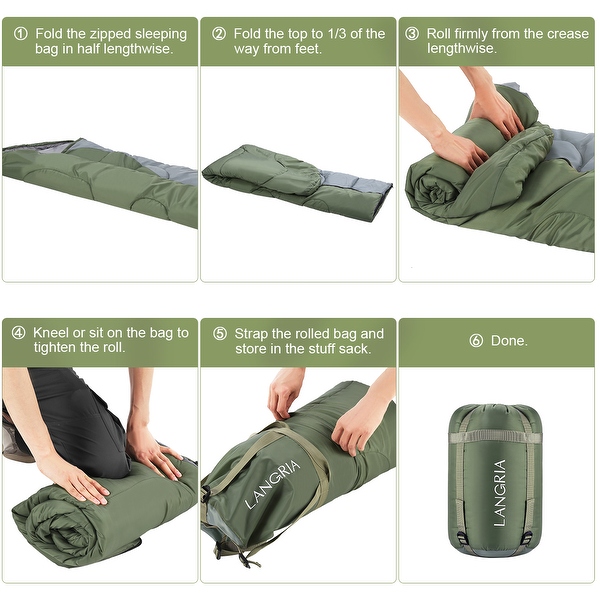
Credit: www.fccminneapolis.org
Maintaining Sleeping Bag Freshness
Proper storage keeps your sleeping bag fresh. Store it uncompressed in a cool, dry place to maintain loft. Use a breathable sack to prevent musty odors and protect against dust.
Maintaining the freshness of your sleeping bag ensures comfort and longevity. A clean sleeping bag enhances your outdoor experience and prevents odors. Proper storage techniques keep your sleeping bag smelling great.Using Deodorizers
Deodorizers help keep your sleeping bag fresh. Choose products designed for fabrics. These deodorizers neutralize odors effectively. Spray them lightly on the bag’s surface. Avoid soaking the bag. This method is simple yet effective. Always test a small area first. This ensures the deodorizer won’t damage the fabric.Airing Out Periodically
Regular airing prevents musty odors. Unzip the sleeping bag fully. Hang it outside on a sunny day. Sunlight helps eliminate bacteria. Fresh air revitalizes the fabric. This method is natural and safe. Perform this every few months. It keeps your sleeping bag fresh and clean.Avoiding Musty Odors
Avoid storing your sleeping bag in damp places. Moisture leads to musty smells. Choose a dry, cool location. Use breathable storage bags. Plastic bags trap moisture. This causes unpleasant odors. Keep the storage area ventilated. Air circulation prevents dampness. Your sleeping bag stays fresh and odor-free.Frequently Asked Questions
What Is The Correct Way To Store A Sleeping Bag?
Store a sleeping bag loosely in a cool, dry place. Avoid compressing it for long periods. Use a large breathable sack or hang it. Keep away from direct sunlight and moisture to maintain its loft and longevity. Regularly air out and clean the bag to prevent odor and damage.
Should You Roll Or Stuff Sleeping Bags?
Stuff sleeping bags instead of rolling them. Stuffing prevents damage to insulation and maintains loft. It’s faster and helps extend the bag’s lifespan. Avoid tight compression sacks to preserve the sleeping bag’s quality. Always store in a large, breathable bag to maximize durability and performance.
Should I Store My Sleeping Bag In A Compression Sack?
Storing a sleeping bag in a compression sack long-term can harm its insulation. Use a loose storage bag instead. This allows the sleeping bag to retain its loft and warmth, ensuring longevity and performance. Always ensure the sleeping bag is clean and dry before storing.
How To Store Bags When Not In Use?
Store bags in a cool, dry place away from sunlight. Use dust bags for protection. Stuff bags with tissue to maintain shape. Avoid stacking to prevent damage. Keep them on shelves or hang them. Regularly check for mold or damage.
Conclusion
Storing your sleeping bag right makes it last longer. Keep it clean and dry before packing. Choose a breathable storage sack for better air circulation. Avoid tight spaces and heavy compression. Store it loosely to maintain loft. A closet or shelf works well.
Keep it away from sunlight to prevent damage. Always check for moisture and mold. These steps help protect your sleeping bag. Proper storage means you’re ready for your next adventure. Your sleeping bag stays cozy and warm for years. Enjoy your outdoor trips with peace of mind.