

Imagine standing on the tee with your favorite club in hand, ready to make that perfect swing. But suddenly, you notice something off—the grip feels loose, slippery, and uncomfortable.
This could be costing you accuracy and control in your game. You might not realize it, but the grip is the connection between you and your club, playing a crucial role in your performance. Re-gripping a golf club is not just a maintenance task; it’s an essential skill that can enhance your game significantly.
You’ll learn how to re-grip your golf club easily and effectively, saving money and improving your gameplay. Whether you’re a seasoned golfer or a beginner, mastering this skill will empower you to keep your equipment in top condition and your swings precise. So, are you ready to transform your golfing experience with just a simple change? Keep reading to discover how a new grip can make all the difference in your game.
Why Regripping Matters
Regripping ensures a firm hold on the club, enhancing swing control and accuracy. Worn grips can slip, affecting performance. Regular maintenance keeps grips fresh, supporting better game results.
Regripping your golf club might not be the first thing on your mind when you think about improving your game, but it holds more importance than you might realize. A fresh grip can make a world of difference in how you handle your club, affecting your control, accuracy, and even your confidence on the course. Understanding why regripping matters can transform your play from frustrating to fulfilling.Improved Control And Accuracy
A new grip can significantly improve your control over the club. Worn-out grips are slippery, causing your hands to slide during your swing, which can lead to mishits. Imagine lining up the perfect shot only to have your grip slip at the last moment. By ensuring your grips are tacky and secure, you can maintain consistent hand positioning, boosting your accuracy.Enhanced Comfort
Comfort is key in golf, especially during those long rounds. Old grips can be hard, cracked, or even torn, making them uncomfortable to hold. Regripping with softer, more cushioned materials can reduce strain on your hands and wrists. You’ll notice less fatigue, allowing you to keep your focus and energy throughout the game.Weather Resistance
Weather conditions can change quickly on the golf course. Wet or humid conditions can make worn grips even more slippery. New grips often come with better weather-resistant materials, providing a reliable grip whether it’s raining or shining. This consistency helps you play confidently in any weather, knowing your club won’t betray you.Personalized Feel
Every golfer has a unique preference for how a club should feel in their hands. Regripping gives you the chance to customize your clubs to your liking. Whether you prefer a thicker grip for more control or a thinner one for better feel, choosing the right grip can make every swing feel just right. This personal touch can significantly enhance your connection to the game.Confidence Boost
There’s something satisfying about stepping onto the course with freshly regripped clubs. It’s a small change that makes a big difference in your mindset. Knowing your equipment is in top condition can boost your confidence and help you focus on your game instead of worrying about your gear. Do you remember the last time you felt truly in control of your game? A simple regrip might bring back that feeling.Signs It’s Time To Regrip
Worn grips can make controlling your golf club difficult. Notice slipping or reduced control? It’s time to regrip. Regripping ensures a firm hold, improving your swing and accuracy on the course.
Regripping your golf club can improve your game. Worn-out grips affect your swing and control. But how do you know it’s time to regrip? Recognizing signs early ensures you maintain a solid grip on your club.1. Visible Wear And Tear
Examine your grips closely. Look for cracks or splits. Notice any shiny patches. These signs indicate the grip has worn down. A smooth surface means less friction. This reduces control during swings.2. Slippery Feel
A grip should feel tacky and secure. If it feels slippery, it’s time to change. Sweaty hands worsen the problem. A new grip restores confidence in your hold.3. Loss Of Traction
Check for reduced traction. A worn grip doesn’t hold your hands well. This affects the accuracy of your shots. Feel for any looseness during your swing.4. Frequent Hand Adjustments
Do you often adjust your hands mid-swing? This is a clear sign. A good grip stays firm in your hands. Constant adjustments mean the grip isn’t doing its job.5. Fading Color
Notice any color changes? Fading indicates wear. Even if the grip feels okay, discoloration suggests it’s aging. New grips restore the club’s appearance and performance.6. Time Passed Since Last Regrip
How long since your last regrip? Many golfers wait too long. Ideally, replace grips once a year. Regular golfers may need replacements more often. Keep track to ensure peak performance.Choosing The Right Grip
Choosing the right grip is crucial for improving your golf game. The grip affects swing control and shot accuracy. It’s essential to find a grip that feels comfortable and enhances your performance.
Types Of Golf Grips
Golf grips come in various types. Each type offers unique benefits and feels. Here are some common types:
- Rubber Grips:Durable and affordable. They offer a firm hold.
- Corded Grips:Great for rainy days. They provide extra traction.
- Leather Grips:Classic and stylish. They offer a soft, comfortable feel.
- Hybrid Grips:Combine rubber and cord. They offer versatility.
Factors To Consider
When choosing a grip, consider your playing style. Weather conditions and personal preferences matter too. Here are some factors to keep in mind:
- Size:Ensure the grip fits your hand size. A larger grip can reduce wrist action.
- Feel:Choose a texture that feels comfortable. Some players prefer smooth grips.
- Weather:For wet conditions, opt for corded grips. They offer better grip.
- Durability:Look for materials that last long. Rubber grips are known for their durability.
- Cost:Consider your budget. Some grips are pricier but offer premium features.
Tools And Materials Needed
Gather double-sided tape, a utility knife, and grip solvent. Ensure a stable workspace with a vice and cloth. Prepare new grips, rubber clamp, and towel for clean handling.
Re-gripping a golf club is a straightforward process that can significantly improve your game. The key to a successful re-grip lies in having the right tools and materials. Before starting, gather everything you need to ensure a smooth and efficient job.Grip Tape
Grip tape is essential for securing the new grip to the shaft. It’s usually double-sided and available in pre-cut strips or rolls. Choose one that suits your preference and ensures a snug fit.Solvent
A grip solvent is used to activate the adhesive on the grip tape. Many options are available, such as mineral spirits or specialized grip solvents. Make sure you have a well-ventilated area to work in, as some solvents can have strong fumes.Hook Blade Or Utility Knife
A hook blade or utility knife helps in removing the old grip. The hook blade is safer and recommended to prevent any damage to the shaft. Always cut away from yourself to avoid injury.Vise With Rubber Shaft Clamp
A vise with a rubber shaft clamp stabilizes the club during the re-gripping process. This tool prevents the shaft from moving, allowing you to work with precision. If you don’t have a vise, ask yourself if you can manage without it, but be careful to avoid any slips.New Grip
Selecting a new grip is where personal preference comes into play. Consider factors like size, texture, and material. An oversized grip can reduce hand tension, while a softer texture might offer better comfort.Rags Or Towels
Rags or towels are necessary for cleaning up excess solvent and any mess during the process. They also help in drying the club before applying the new grip. Keep a few handy to maintain a clean workspace.Bucket Or Tray
Using a bucket or tray to catch excess solvent keeps your work area tidy. It also prevents the solvent from damaging surfaces. Consider it as an easy way to streamline the cleanup process. Having the right tools and materials not only makes the job easier but also more enjoyable. Are you ready to transform your golfing experience with a fresh grip? Grab your tools, and let’s get started!Step-by-step Regripping Process
Regripping a golf club involves removing the old grip, cleaning the shaft, and applying double-sided tape. Slide the new grip onto the shaft, ensuring it’s aligned properly. Let it dry before use. This simple process can enhance your golf experience by improving grip and control.
Regripping a golf club can breathe new life into your game. The process is surprisingly simple and can be accomplished in the comfort of your home. By following these straightforward steps, you’ll soon have a club that feels fresh and ready to perform on the course.Removing The Old Grip
Start by securing the club in a vice with a protective rubber sleeve. This prevents damage to the shaft. Use a utility knife to carefully cut through the old grip. Make sure to cut away from your body to avoid injury. Once sliced, peel the grip off completely. You might need to use a bit of force, especially if the grip is old and stubborn.Preparing The Shaft
Clean the shaft thoroughly. Residual adhesive can affect the new grip’s performance. Use a solvent or grip tape remover to ensure all remnants are gone. A clean shaft guarantees better adhesion. Consider your next grip choice. Do you prefer a softer feel or a firmer control? The right grip can make a difference in your swing.Applying The New Grip
Wrap new double-sided grip tape around the shaft. Ensure it’s evenly applied for consistent performance. Pour a small amount of grip solvent over the tape. This acts as a lubricant and adhesive. Slide the new grip onto the shaft, twisting gently to ensure it seats correctly. Align any logos or markings with the club face for precision. Give the grip time to dry and set. Usually, a few hours will suffice before you hit the greens. Have you noticed a difference when playing with freshly regripped clubs? The subtle change in feel might just be the edge you need to improve your game.
Credit: www.youtube.com
Ensuring Proper Grip Alignment
Ensuring proper grip alignment is crucial when re-gripping a golf club. Align the grip’s logo with the clubface for consistent swings. This simple step can enhance your performance on the course.
Ensuring proper grip alignment is crucial to improving your golf game and maintaining consistency in your swings. A well-aligned grip can significantly enhance your control over the club, leading to more accurate shots. Without correct alignment, even the best swing mechanics might not yield the desired results.Understanding The Importance Of Grip Alignment
Proper grip alignment is not just about holding the club; it’s about holding it right. Misalignment can cause the clubface to open or close, leading to slices or hooks. Have you ever noticed how a slight twist in your grip can change the trajectory of your ball? That’s how sensitive alignment is.Using Visual Aids To Guide Alignment
Visual aids can be a game-changer in ensuring your grip is aligned perfectly. Consider using alignment marks or lines on the grip itself to guide your hands. These visual cues help you quickly check if your hands are positioned correctly before each swing.Checking Alignment With Your Natural Grip
Your natural grip should feel comfortable yet firm. Try this: close your eyes and grip the club naturally. Open them and check if the alignment matches the visual guides on the club. This exercise helps reinforce muscle memory, making proper alignment second nature.Practicing Regularly For Consistency
Consistency comes with practice. Dedicate time in your practice sessions to focus solely on grip alignment. Set a routine to check and adjust your grip before each shot. Over time, this habit will become instinctive, reducing errors during actual play.Seeking Professional Advice
Sometimes, a fresh pair of eyes can spot issues you might miss. Consider consulting a golf instructor to assess your grip alignment. Professional advice can provide personalized tips and adjustments that cater specifically to your playing style. Understanding and maintaining proper grip alignment can be the key to unleashing your true potential on the golf course. By integrating these tips into your routine, you’ll likely see noticeable improvements in your game.Maintaining Your Golf Grips
Regripping a golf club involves removing the old grip and cleaning the shaft thoroughly. Apply double-sided tape on the shaft, then lubricate the tape and new grip with solvent. Slide the new grip onto the shaft and ensure it’s aligned properly.
Let it dry completely before use.
Maintaining your golf grips is crucial for ensuring a consistent swing and a better game. Over time, dirt and oils from your hands can make grips slippery, affecting your control. Regular maintenance not only improves performance but also extends the life of your grips. A little care can lead to significant improvements on the course.Cleaning Tips
Cleaning your golf grips is easier than you might think. Use warm, soapy water and a soft brush to gently scrub the grips. Ensure you rinse them thoroughly to remove any soap residue. Dry them with a towel, and you’re good to go. A quick clean after every game keeps your grips in top condition. You’ll be surprised how much better your club feels in your hands.Regular Inspections
Regular inspections are key to grip maintenance. Look for signs of wear such as smooth spots or tears. These are indicators that it might be time for a new grip. Make it a habit to check your grips every few rounds. Spotting issues early can save you from unexpected mishaps during a crucial game. Ask yourself, how does your grip feel today? If it’s not up to par, it might be time for a change.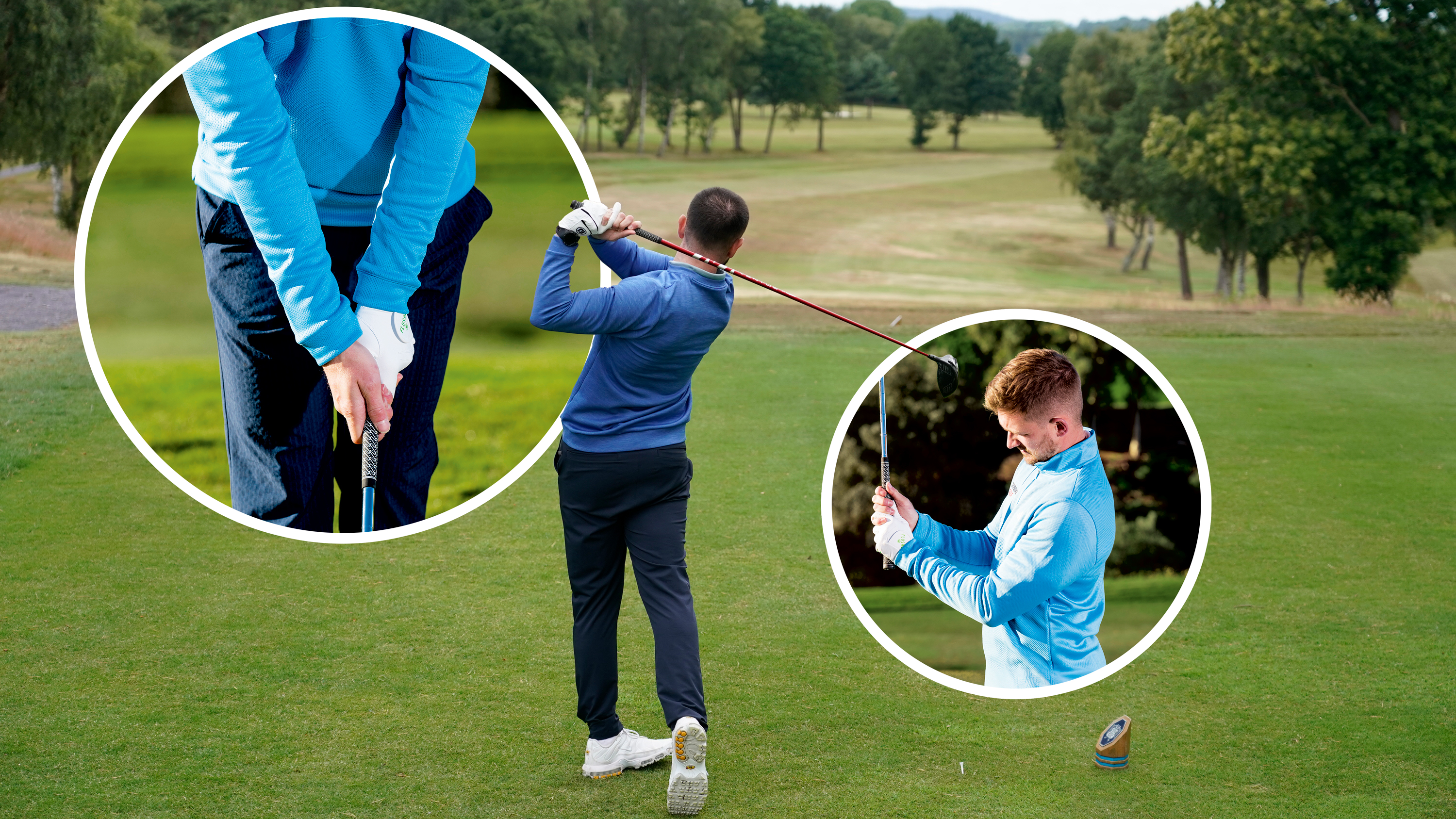
Credit: www.golfmonthly.com
Benefits Of A Fresh Grip
Refreshing your golf club grip enhances control and comfort. A new grip prevents slippage during swings, boosting performance.
A fresh grip on your golf club can transform your game more than you might expect. Over time, grips wear out, become slick, and can affect your swing. Refreshing your grip can bring back the traction and confidence you need to perform at your best. But what exactly makes a new grip so beneficial? Let’s explore.Enhanced Control And Precision
With a fresh grip, you gain better control over the club. This control translates to more precise swings and shots. Imagine hitting the ball exactly where you aimed, thanks to the renewed traction on your grip.Improved Comfort
Worn-out grips can cause discomfort and even blisters. A new grip, however, offers a comfortable feel, allowing you to play longer without irritation. Isn’t it time your hands felt as good as your game?Boosted Confidence
A new grip often boosts your confidence on the course. Knowing that your grip is secure allows you to focus on technique rather than worrying about slipping. Confidence can make a significant difference in how you approach each shot.Consistent Performance
Consistency is key in golf, and a fresh grip helps maintain that consistency. With a stable grip, your swings become more predictable, leading to better performance. Ever notice how the pros always seem to have perfect swings? Their grips might be a well-kept secret.Longevity Of Your Club
Replacing grips extends the life of your golf clubs. It prevents the shafts from experiencing too much wear and tear. When was the last time you checked your grips to ensure your clubs last longer? These benefits show that a simple change like re-gripping can have a meaningful impact on your game. So, next time you’re struggling with your swing, consider if a fresh grip could be the solution you’ve been overlooking.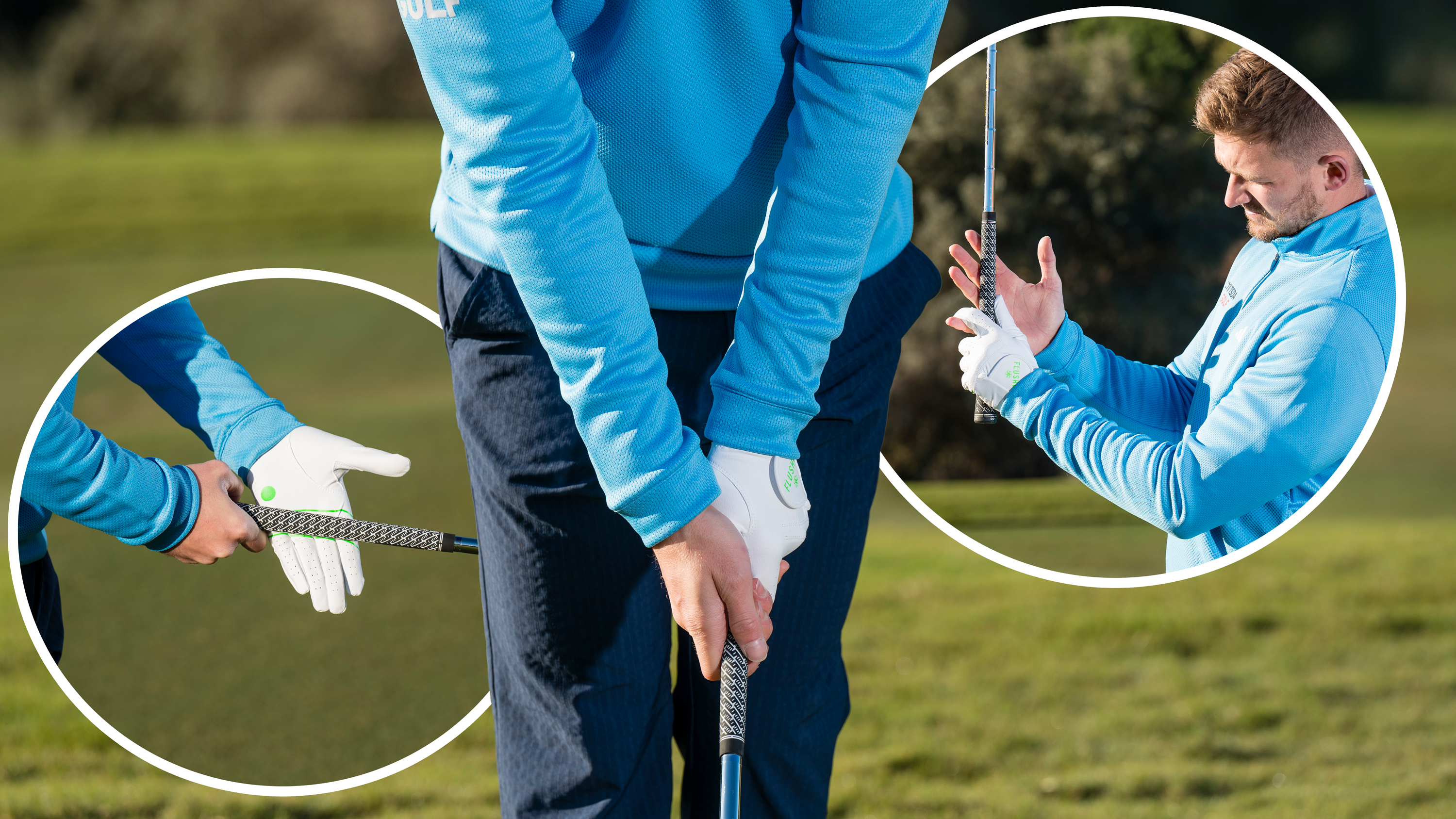
Credit: www.golfmonthly.com
Frequently Asked Questions
How Much Does It Cost To Regrip Your Golf Clubs?
Regripping golf clubs usually costs between $5 and $15 per grip. Prices vary based on grip quality and brand. Labor fees can add an extra $2 to $5 per club if done professionally. DIY kits might save money, offering grips and tools for around $50 to $100 for a full set.
How To Correctly Grip A Golf Club?
Grip the club with your left hand first, positioning it diagonally across your fingers. Place your right hand below, overlapping or interlocking with the left. Ensure a firm but relaxed grip. Keep palms facing each other and thumbs pointing down the shaft.
Practice to maintain consistency and control.
Is It Worth Regripping Clubs?
Yes, regripping clubs is worth it. Fresh grips improve control, accuracy, and comfort during swings. They enhance performance and extend the lifespan of clubs. Regular regripping prevents slippage and ensures better grip in varying weather conditions. Investing in new grips is cost-effective compared to buying new clubs.
How To Regrip Golf Clubs At Home Without A Vise?
To regrip golf clubs without a vise, secure the club by placing it against a stable surface. Use double-sided tape and solvent to remove old grips and attach new ones. Slide the new grip onto the shaft, ensuring it’s aligned correctly.
Let it dry for optimal performance.
Conclusion
Regripping your golf club boosts comfort and control. It’s a simple task that can refresh your game. Gather the right tools. Follow each step carefully. Safety is key when using sharp objects. Practice makes perfect. With patience, you’ll master it.
A fresh grip can improve your swing. Your performance might feel more stable. Regular grip checks keep your gear in top shape. Enjoy the process. Feel the difference in your game. Remember, a good grip is essential. Take the time to do it right.
Your golf game deserves the best.