

Imagine standing at the trailhead, the fresh scent of pine wafting through the air, your heart racing with excitement for the adventure ahead. But wait—did you pack your hiking backpack correctly?
The way you pack can make or break your hiking experience. You want to feel comfortable and prepared, not weighed down or scrambling for essentials. Are you ready to discover the secrets of packing like a pro? In this guide, you’ll find simple steps to master the art of packing your hiking backpack.
Picture yourself breezing through the trails with ease, knowing exactly where everything is when you need it. You’ll learn how to balance your load, keep your essentials within reach, and maximize space without sacrificing comfort. This isn’t just about packing; it’s about crafting an experience that’s as enjoyable as the stunning views you’ll encounter. Keep reading, and let’s transform your next hike into a seamless journey.
Choosing The Right Backpack
Choosing the right backpack for hiking involves smart packing. Distribute weight evenly for better balance. Place heavier items close to your back and lighter ones at the top. Use compartments to keep gear organized and accessible.
Choosing the right backpack is the cornerstone of any successful hiking adventure. A well-selected backpack not only enhances your comfort but also ensures you have everything you need within easy reach. The wrong choice can leave you struggling under unnecessary weight or lacking crucial gear.Types Of Backpacks
Selecting the right type of backpack starts with understanding the variety available. There are daypacks for short hikes, multi-day packs for extended trips, and specialized packs for technical hikes. A daypack, typically under 30 liters, is ideal for quick jaunts, while a multi-day pack, ranging from 50 to 70 liters, suits longer adventures.Capacity Considerations
Choosing the correct capacity is crucial and depends on the length and nature of your hike. For a weekend trip, a 40-50 liter pack often suffices, while extended treks may require 60 liters or more. Always remember to leave some room for unexpected essentials like extra water or layers.Material And Durability
The material of your backpack greatly impacts its durability and weight. Nylon and polyester are common choices, with nylon being more robust but heavier. Look for weather-resistant features if you expect to encounter rain or snow, ensuring your gear stays dry and safe. When picking a backpack, have you ever pondered how much your comfort on the trail is worth? Investing in the right pack can significantly enhance your hiking experience. Make sure to try on different options, adjusting the straps and weight to find what feels best.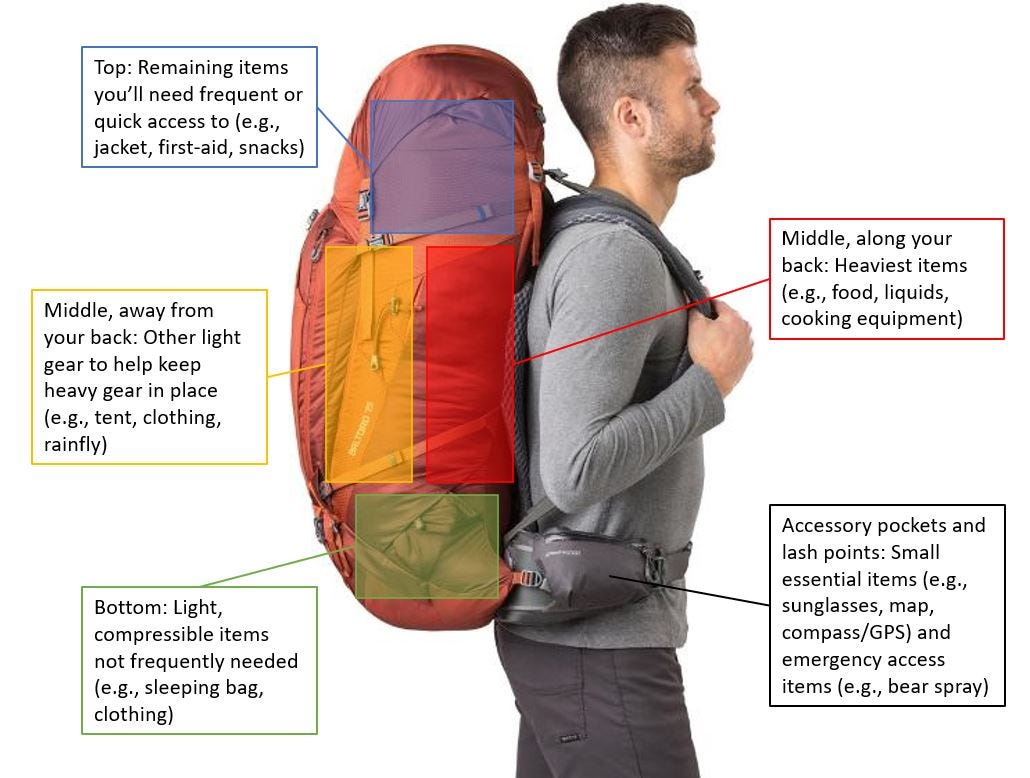
Credit: pangolinswithpacks.com
Essential Gear And Equipment
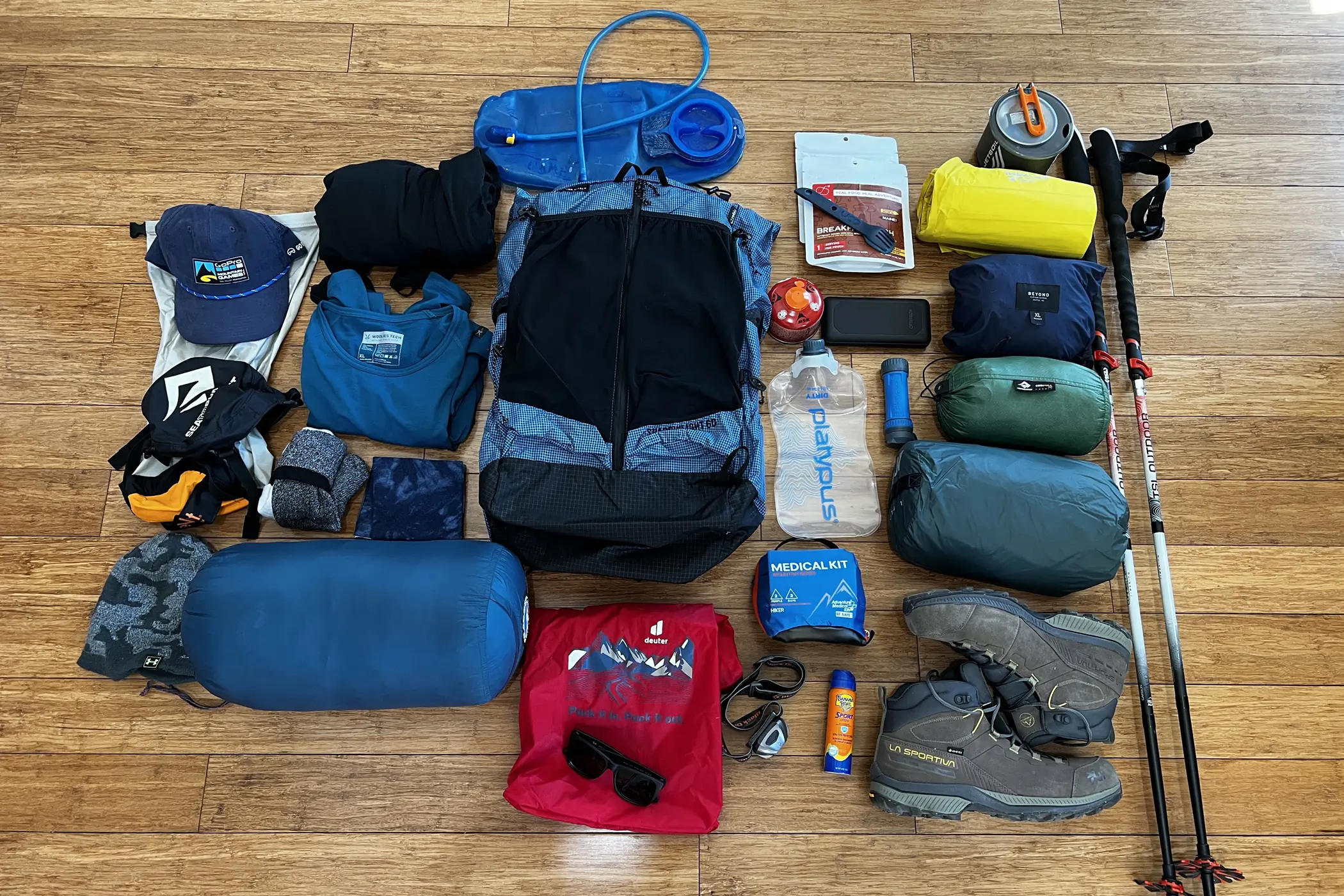
Packing a hiking backpack requires careful selection of essential gear. Prioritize lightweight items like a compact tent, sleeping bag, and water filter. Organize by weight, keeping heavier items at the bottom for balance and comfort.
Packing a hiking backpack requires careful selection of essential gear and equipment. Proper packing ensures comfort and preparedness in the wilderness. Each item serves a purpose, enhancing your hiking experience.Clothing And Footwear
Choose clothing suitable for the hike’s weather and terrain. Pack moisture-wicking shirts and thermal layers for warmth. Include a waterproof jacket to stay dry in rain. Lightweight pants or shorts provide flexibility. Don’t forget a hat for sun protection. Footwear matters too. Wear hiking boots with good ankle support. Pack extra socks to keep feet dry and comfortable.Camping Supplies
Camping gear is crucial for overnight hikes. Carry a lightweight tent and sleeping bag. Choose a sleeping mat for comfort. Pack a compact stove for cooking meals. Bring a water filter or purification tablets. A multi-tool can be handy for various tasks. Include a first-aid kit for safety.Navigation Tools
Navigation tools keep you on track. Carry a detailed map of the area. A compass helps with direction. A GPS device provides precise location data. Don’t rely solely on electronics, as batteries can die. A whistle can signal for help if needed. Mark trails with biodegradable tape for easy return paths. Packing smartly ensures a safe and enjoyable hiking adventure.Food And Water Packing
Pack your hiking backpack by placing heavier items like food and water close to your back for balance. Use lightweight, reusable containers to minimize waste and save space. Secure them well to prevent leaks and ensure easy access during your hike.
Packing food and water is crucial for a successful hike. Your backpack needs a balance of meals and hydration. Ensuring enough nutrition and water boosts energy levels on trails. This section will guide you on efficient packing for meals, water, and snacks.Meal Planning
Start with a meal plan before hiking. Calculate the number of meals needed. Consider high-calorie options for energy. Choose foods that are lightweight and easy to prepare. Think about instant oatmeal, dehydrated meals, or pasta. Store items in resealable bags for convenience. Avoid cans; they add unnecessary weight.Water Storage Solutions
Hydration is essential on hikes. Choose a sturdy water bottle or a hydration reservoir. A reservoir allows you to drink while walking. Consider collapsible bottles for easy packing. Pack purification tablets or a filter for natural water sources. This ensures clean drinking water if your supply runs out.Energy Snacks
Energy snacks provide quick fuel. Pack nuts, dried fruits, and granola bars. These are lightweight and nutritious. Choose snacks that are high in protein and carbohydrates. Store them in easy-access pockets. This ensures quick retrieval during short breaks.Organizing Your Backpack
Efficiently packing a hiking backpack ensures a comfortable trip. Place heavy items close to your back for balance. Organize smaller items in pockets for easy access during the hike.
Organizing your backpack efficiently is crucial for a successful hiking adventure. Imagine reaching for your water bottle only to find it buried beneath layers of gear. This can disrupt your rhythm and even your enjoyment of the hike. Proper organization not only maximizes space but also ensures that you can easily access essentials when you need them most.Packing Order
Begin by laying out all your gear. This helps visualize what you’re carrying and prevents overpacking. Start with the larger items, like your sleeping bag or tent, placing them at the bottom of the backpack. This creates a solid foundation and balances the backpack. Medium-sized items like clothes should go in next, filling gaps and providing cushioning. Small, frequently used items like snacks, maps, and sunscreen should be packed last. This strategic order ensures you don’t have to unpack your entire bag for one item. Think about what you’ll need first when you set up camp and pack accordingly.Weight Distribution
Balancing weight is key to comfort. Heavy items should be centered and close to your back. This placement minimizes strain and maintains your natural posture during the hike. Consider the weight of each item and its necessity. Avoid packing all heavy gear in one side or at the bottom. This uneven weight distribution can cause discomfort and fatigue quickly. A well-balanced backpack feels lighter and more manageable, allowing you to enjoy the scenery rather than focusing on your burden.Accessibility Tips
Quick access to essentials can save time and energy. Use external pockets for items like water bottles, snacks, and a map. These pockets allow you to reach necessities without stopping or taking off your backpack. Utilize compartments within your backpack to categorize gear. Store emergency supplies in a distinct pocket, ready for quick access. Ask yourself: Can I grab what I need without disrupting my pace? Organize with this question in mind to maintain your hiking momentum.Safety And Emergency Items
Packing a hiking backpack involves careful placement of safety and emergency items. Ensure essentials like a first-aid kit, flashlight, and whistle are easily accessible. These items can be crucial during unexpected situations on the trail.
Packing your hiking backpack with safety and emergency items can be the difference between a minor inconvenience and a major emergency. These essentials ensure that you are prepared for unexpected situations and can handle them efficiently. Prioritizing safety isn’t just smart—it’s vital. Whether you’re a seasoned hiker or just starting out, understanding what to include in your backpack for safety can provide peace of mind and enhance your outdoor experience.First Aid Kit
A well-stocked first aid kit is crucial for any hiking trip. It doesn’t need to be bulky but should contain basic items like band-aids, antiseptic wipes, and pain relievers. You might be thinking, “Do I really need all this?” The answer is yes. Even a small scrape can become problematic without proper care. Remember to check your kit before each hike to ensure nothing is expired or missing.Weather Protection
Weather conditions can change rapidly in the great outdoors. Packing weather protection items like a rain poncho, thermal blanket, and sunscreen can keep you safe and comfortable. Have you ever been caught in an unexpected downpour without a poncho? It’s not just about staying dry—it’s about preventing hypothermia. Prioritize lightweight, packable options that won’t take up too much space in your backpack.Emergency Signals
Emergency signals are your lifeline if you find yourself in trouble. A whistle, mirror, or even a small flashlight can help rescuers locate you. Consider this: can you make enough noise to be heard over a mile away without a whistle? Probably not. These small items are easy to overlook but invaluable in an emergency. Make sure they are easily accessible in your backpack. By thoughtfully including these safety and emergency items, you equip yourself to handle the unexpected confidently. What other safety items do you consider indispensable for your hikes?Tips For Comfort And Convenience
Organize gear by weight and frequency of use for easy access during hikes. Place heavier items close to your back. Use compression sacks to save space and keep essentials like water and snacks accessible.
Packing a hiking backpack efficiently is key to ensuring comfort and convenience on the trail. It’s not just about stuffing everything you need inside; it’s about strategic placement and smart choices. Proper organization can make a significant difference in how your back and shoulders feel at the end of a long trek. Here are some practical tips to help you pack your backpack for maximum comfort and ease.Backpack Fit And Adjustments
Your backpack should feel like an extension of your body. Make sure it fits snugly but comfortably, distributing the weight evenly across your back. Adjust the shoulder straps, hip belt, and chest straps to prevent any strain or discomfort. A well-fitted backpack can reduce fatigue and prevent injuries. When trying on a new pack, load it with weight to simulate real hiking conditions. Don’t hesitate to make adjustments throughout your hike as your body and backpack settle.Reducing Backpack Weight
Every ounce counts when you’re hiking, so be ruthless with your packing list. Consider the essentials and eliminate items you can live without. Opt for lightweight alternatives, like a titanium spork instead of a heavy cutlery set. Think about multi-use items to save space and weight. A poncho can double as a rain cover and a groundsheet. When deciding between two items, ask yourself: will this enhance my hike or weigh me down?Quick Access Hacks
Organize your backpack so you can reach important items without unpacking everything. Store snacks, maps, and a first-aid kit in external pockets for easy access. Use color-coded dry bags or packing cubes to keep your gear organized. Consider attaching frequently used items like a water bottle or a compass to the outside of your pack. Reflect on your last hike—did you spend too long searching for an item? Plan ahead to streamline your experience. Packing your backpack effectively can transform your hiking experience. Are you ready to hike smarter, not harder?Common Mistakes To Avoid
Packing a hiking backpack seems simple, yet many make mistakes. These errors can lead to discomfort or safety issues on the trail. Identifying and avoiding these common pitfalls ensures a more enjoyable hiking experience.
Overpacking
Overpacking is a frequent mistake. Many hikers bring unnecessary items. This adds extra weight, causing fatigue. A heavy backpack can slow you down and cause discomfort. Stick to essentials. Make a checklist of must-have items. Prioritize lightweight, multi-use gear. This approach helps manage weight effectively.
Neglecting Weather Forecasts
Ignoring weather forecasts can ruin your hike. Weather changes quickly in the mountains. Not preparing for rain or cold leads to discomfort. Always check the forecast before packing. Include rain gear and warm clothing. Prepare for unexpected weather shifts. This ensures safety and comfort throughout your hike.
Ignoring Backpack Maintenance
Backpack maintenance is crucial but often overlooked. A well-maintained backpack enhances comfort and durability. Check your backpack for wear and tear before packing. Ensure zippers, straps, and buckles function properly. Clean your backpack after each hike to prolong its life. Regular maintenance keeps your gear in top condition.
Credit: gearjunkie.com

Credit: altongoods.com
Frequently Asked Questions
How To Correctly Pack A Hiking Backpack?
Pack heavy items close to your back for balance. Place lighter items at the bottom. Use compartments for easy access. Keep essentials like water and snacks at the top. Compress and secure everything tightly to avoid shifting during the hike.
What Is The 20% Rule For Backpacking?
The 20% rule for backpacking suggests carrying no more than 20% of your body weight. This ensures comfort and safety while hiking. Calculate your ideal pack weight and adjust items to stay within this limit. Prioritize essentials and lighter gear to optimize your backpacking experience.
What Order Should You Pack Hiking Backpacks?
Pack heavy items close to your back for balance. Place sleeping gear at the bottom. Store frequently needed items at the top or in external pockets. Distribute weight evenly to avoid strain. Keep food in waterproof bags.
What Not To Pack For Hiking?
Avoid packing heavy electronics, unnecessary clothing, and bulky items. Leave behind glass containers and excessive food supplies. Skip non-essential cosmetics and jewelry. Keep your gear lightweight and practical to ensure a comfortable hike.
Conclusion
Packing your hiking backpack right ensures a smoother adventure. Organize your gear carefully. Keep essentials easy to reach. Use packing cubes or bags for better organization. Balance weight evenly to avoid strain. Think about weather and terrain. Adjust your packing accordingly.
Don’t forget snacks and water. Stay safe and hydrated on the trail. Double-check your checklist before heading out. Remember, a well-packed backpack can make hiking more enjoyable. Happy hiking!