
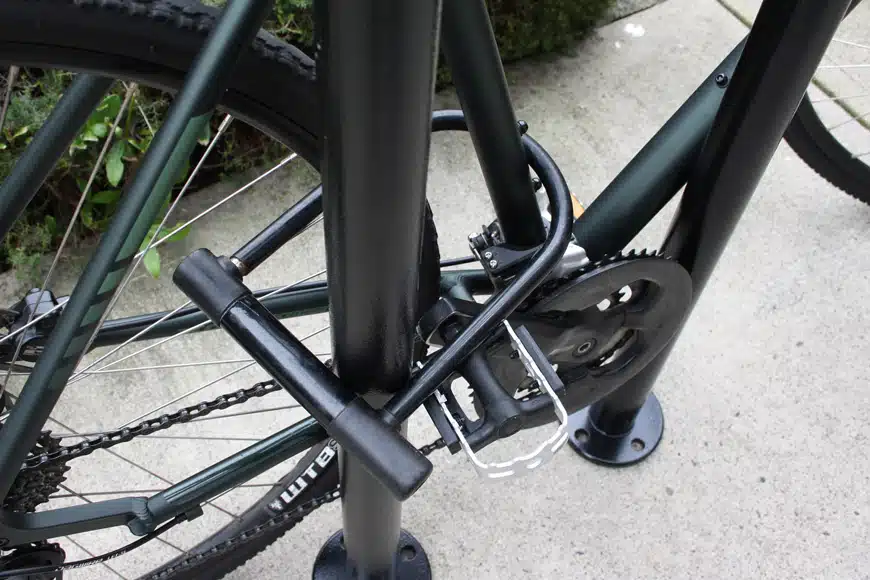
Have you ever parked your bike and worried if it would still be there when you return? If yes, you’re not alone.
Every cyclist knows the uneasy feeling of leaving their beloved ride unattended, even for a moment. Your bike represents freedom, adventure, and sometimes a significant investment. Losing it to theft is not just inconvenient; it’s heartbreaking. But here’s the good news: securing your bike doesn’t have to be complicated.
By learning how to lock your bike rack effectively, you can protect your two-wheeled treasure and ride with peace of mind. You’ll discover simple, effective methods to safeguard your bike against theft. Let’s dive in and make sure your bike stays yours.

Credit: www.reliance-foundry.com
Choosing The Right Bike Rack
Choosing the right bike rack is not just about finding a convenient spot to park your bike; it’s about ensuring the security and longevity of your ride. With numerous options available, it can be overwhelming to decide which bike rack suits your needs best. Let’s dive into the key factors to consider when selecting the perfect bike rack for you.
Types Of Bike Racks
Bike racks come in various styles, each offering unique benefits. Wall-mounted racks save space in cramped areas, while floor stands provide stability for heavier bikes. Ceiling racks are perfect for those looking to maximize vertical space. Consider your storage area and how often you’ll be accessing your bike. If you’re someone who loves spontaneity, a floor stand might be the best choice for quick grab-and-go moments.
Materials And Durability
The material of your bike rack is crucial for durability and security. Steel racks offer robust protection against theft but can be heavy and less portable. Aluminum racks are lighter, making them ideal for frequent movers but might compromise on strength. Plastic racks are affordable and easy to install, but they might not withstand harsh weather conditions. Think about where you’ll use the rack most—indoors or outdoors—and choose a material that withstands potential environmental challenges.
Selecting The Best Lock
Choose a sturdy U-lock or chain lock to secure your bike rack. Ensure it fits snugly around the rack and the bike frame. Opt for locks with a high-security rating to deter thieves effectively.
Selecting the Best Lock Choosing the right lock is crucial for bike security. Not all locks offer the same level of protection. Consider your environment and how long you’ll leave your bike unattended.Cable Locks Vs. U-locks
Cable locks are flexible and easy to use. They can wrap around various bike parts. They are convenient for quick stops. However, they are less secure against cutters. Thieves can easily cut through them. U-locks, in contrast, are sturdier and more reliable. They resist cutting and leverage attacks. They are heavier and less flexible, though. U-locks provide better security for long-term parking.Features To Look For
Look for locks with solid construction. Hardened steel offers strength and durability. Check the lock’s size to fit your bike properly. Consider locks with a double-locking mechanism. This feature adds extra security. Weather-resistant materials are important. They protect the lock from rust and corrosion. A good lock should be easy to operate. Smooth locking and unlocking are essential.Proper Locking Techniques
Securing your bike to a rack requires a sturdy U-lock or chain. Position the lock through the frame and a wheel. Ensure it’s snug, reducing gaps for tools. Always choose a solid, immovable object for attaching your bike. This deters potential thieves and keeps your bike safe.
Proper locking techniques are essential to ensure your bike remains secure when parked. It’s not just about using a lock; it’s about using it effectively. By adopting smart locking habits, you can deter thieves and protect your investment.Securing The Frame
Begin by securing the frame, which is the most crucial part of your bike to lock. Always anchor the lock through the frame and a solid, immovable object like a bike rack. Avoid locking only the top tube, as thieves can easily maneuver the bike around. Consider using a U-lock or a strong chain lock, as these offer better resistance against bolt cutters. Double-check that the lock is tightly fastened and doesn’t have any slack. Have you ever lost a bike because you only locked the wheel? It’s a common mistake that leaves your bike vulnerable.Locking The Wheels
Don’t neglect the wheels, which are often targeted by thieves. Use a cable lock in combination with your main lock to secure the front wheel. If possible, remove the front wheel and lock it with the rear wheel and frame. For added security, consider using a second lock to secure the rear wheel. Quick-release wheels are convenient but make your bike an easy target, so use locking skewers. Remember that a well-locked bike is less likely to be stolen, and a little extra effort can save you from a lot of heartache. By focusing on these proper locking techniques, you’ll give potential thieves a run for their money. How do you ensure your bike stays secure every day?Location Considerations
Choosing a visible and busy location is essential to secure your bike. Ensure the rack is near lighting and security cameras. Avoid secluded areas to deter theft.
When locking your bike, the location you choose plays a vital role. A good location can deter thieves and keep your bike safe. Think about visibility, accessibility, and surrounding activity. Each aspect is crucial for ensuring your bike’s safety.Choosing Safe Spots
Select areas with plenty of foot traffic. Thieves avoid busy places due to high visibility. Well-lit spots are essential, especially at night. They help others notice suspicious activity. Near entrances of buildings is smart. People often pass through these areas. Look for security cameras nearby. They add an extra layer of protection.Avoiding Common Risks
Don’t leave your bike in secluded areas. Thieves target these places due to low visibility. Avoid parking near objects that can be easily broken or removed. Fences and small trees are risky. Stay away from construction zones. They provide cover for thieves. Avoid locking to other bikes. If one falls, it could damage yours or make it easier to steal.Additional Security Measures
Secure your bike rack with a sturdy chain and padlock to prevent theft. Consider using a U-lock for added security. Regularly inspect locks and chains for wear and tear.
Securing your bike goes beyond just locking it to a rack. Implementing additional security measures can significantly reduce the risk of theft and provide peace of mind. These measures, though simple, can make a difference in ensuring your bike stays where you left it.Using Security Cameras
Installing security cameras near your bike storage area can deter potential thieves. A visible camera can make someone think twice about attempting a theft. If a theft does occur, the footage can be invaluable for recovery. Consider investing in a camera with motion detection and alerts. These features allow you to monitor activity around your bike in real time. You can even receive notifications on your phone if something suspicious is detected. Don’t have a private space to install cameras? Public spaces often have cameras, so choose a well-monitored area for parking your bike. This added layer of security can work wonders.Registering Your Bike
Registering your bike with local authorities or online databases can aid in recovery if it’s stolen. A registered bike is easier for law enforcement to track and return to you. It’s a simple process that can save you headaches down the road. Keep a record of your bike’s serial number and key features. This information is crucial for registration and helps in identification if needed. Some cities offer free bike registration programs, making it a no-brainer to sign up. Check with your local community or cycling groups for guidance on registration options. Have you considered these additional security measures for your bike? They’re small steps, but they could save you from losing your prized possession.Maintenance And Checks
Securing a bike rack involves choosing a sturdy lock that fits snugly around the rack and bike frame. Regularly inspect your lock for damage or wear to ensure reliability. Always lock both the bike and rack to a fixed object to prevent theft.
Maintaining your bike rack and keeping it in top-notch condition is crucial for the security of your bike. Regular maintenance and checks ensure that your bike rack is always ready to protect your prized possession. A well-maintained bike rack not only prevents theft but also extends the life of your equipment.Inspecting Locks Regularly
Make it a habit to inspect the locks on your bike rack. Check for signs of wear and tear, rust, or damage. Even a small crack can compromise the security of your bike. Look for any stiffness or difficulty in turning the key. This could indicate internal damage or debris buildup. A quick spray of lubricant can often resolve minor issues. Ask yourself if the lock still feels secure and reliable. If there’s any doubt, it might be time for a more thorough inspection.Replacing Worn Out Parts
Identify parts that are showing signs of excessive wear. This could include the lock itself, brackets, or straps. Replacing worn-out components is a small investment compared to the potential loss of your bike. Keep spare parts on hand for quick fixes. Consider the age of your bike rack. Sometimes, it’s more practical to replace an outdated rack with a newer model. Regular maintenance and checks are key to ensuring your bike’s security. How often do you inspect your bike rack? Could a quick check today save you a headache tomorrow?Common Mistakes To Avoid
Locking your bike rack properly is crucial for security. Many people make simple mistakes that can lead to theft. Knowing these common pitfalls helps you protect your investment better.
Overlooking Vulnerable Points
Some areas of your bike are easy targets for thieves. Ensure the wheels and frame are locked securely. Thieves often target these parts because they are quick to remove. Do not ignore smaller parts like seats and handlebars. Lock these components with additional security measures. Use cable locks or chains for added protection.
Using Inadequate Locks
Using a weak lock is a big mistake. Cheap locks break easily, offering little security. Invest in high-quality locks like U-locks or chain locks. These types are harder to cut and more reliable. Always check the lock’s rating before purchasing. A strong lock can deter most thieves, keeping your bike safe.

Credit: www.reddit.com

Credit: www.reddit.com
Frequently Asked Questions
How To Lock A Bike On A Bike Rack?
Secure your bike by threading a sturdy lock through the frame and front wheel. Attach the lock to the bike rack, ensuring it’s tightly fastened. Use a second lock for the rear wheel if possible. Position the bike close to the rack to avoid theft attempts.
How To Keep A Bike Rack From Being Stolen?
Secure the bike rack with a sturdy lock attached to a fixed object. Use a weather-resistant lock for durability. Install a locking hitch pin if possible. Remove the rack when not in use. Engrave or mark the rack with identification details to deter thieves.
How To Secure Trunk Bike Rack?
Secure the bike rack by attaching straps to the vehicle’s trunk. Ensure all hooks are firmly placed. Tighten straps for stability and double-check connections. Lock bikes to the rack for added security. Regularly inspect the rack and straps for wear and tear to ensure safety.
How To Secure A Hitch Bike Rack?
Secure your hitch bike rack by tightening all bolts and nuts firmly. Use a hitch lock for added security. Ensure straps and cables are tightly fastened to prevent movement. Regularly check and adjust connections during travel. Install anti-rattle devices to minimize rack vibrations and enhance stability.
Conclusion
Locking your bike rack securely is crucial. It protects your valuable bike. Follow the steps to ensure safety. Choose a quality lock. Attach it properly to the rack. Check the lock regularly. This prevents theft and gives peace of mind.
Remember, a secure bike is a safe bike. Share these tips with friends. Enjoy your ride without worry. Keep exploring new places confidently. A well-locked bike lets you focus on the journey. Stay vigilant, stay safe, and happy cycling!