
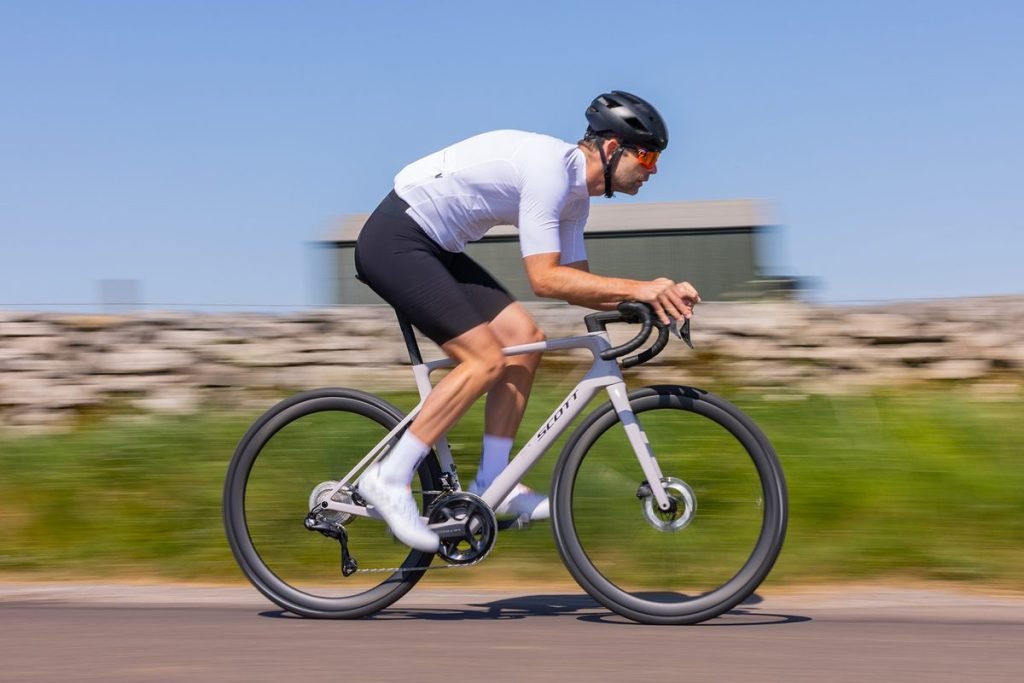
How much should a road bike weigh? If you’ve ever asked yourself this question, you’re not alone.
The weight of a road bike is a hot topic among cyclists of all levels. You might wonder why it even matters. Isn’t it all about the ride? Well, there’s more to it than meets the eye. The weight of your road bike can influence your speed, handling, and overall performance.
It can make your ride a dream or a challenge. We’ll unravel the mystery of road bike weight, giving you the insights you need to make an informed decision. Whether you’re a seasoned pro or a beginner, understanding the ideal weight for your road bike can transform your cycling experience. So, are you ready to find out how to achieve the perfect balance between lightness and performance? Let’s dive in and discover what’s truly important when it comes to the weight of your road bike.
Ideal Weight Range
When considering the ideal weight range for a road bike, it’s crucial to strike a balance between performance and practicality. A lighter bike often means faster speeds and easier handling, but it can also come with a higher price tag. On the other hand, a heavier bike might offer more durability and comfort, which can be essential for long rides. So, how do you determine the perfect weight for your road bike?
What Is The Ideal Weight Range For Road Bikes?
Typically, road bikes weigh anywhere between 15 to 25 pounds. This range offers a good compromise between speed, durability, and budget.
Bikes on the lighter end are often built with high-end materials such as carbon fiber. This makes them excellent for competitive cycling where every ounce counts.
Heavier bikes, usually made from aluminum or steel, are great for casual riders or those who prefer a sturdier feel. They’re often more affordable and can withstand various road conditions.
Factors Affecting Road Bike Weight
Several components influence a bike’s weight. The frame material is a significant factor. Carbon fiber is lighter but costs more, while aluminum offers a good balance of weight and price.
- Components:High-performance gears and brakes tend to be lighter but can be pricier.
- Wheels:Lightweight wheels improve speed but might be less durable.
- Accessories:Every accessory, from water bottle cages to saddlebags, adds weight. Consider what’s necessary for your ride.
Does Lighter Always Mean Better?
A lighter bike can enhance your riding experience, but it’s not always the best choice. Think about the type of riding you do most often.
If you’re a racer or a speed enthusiast, a lighter bike can give you a competitive edge. However, if you enjoy leisurely rides or tours, comfort and durability might matter more than weight.
Remember, the most important thing is how the bike feels when you ride it. Test different bikes and see what works for your style and budget.
Personal Experience: Finding Your Perfect Bike
When I first started cycling, I was obsessed with getting the lightest bike possible. I spent more money than necessary, only to find that a slightly heavier bike was more comfortable and suited my needs better.
Consider what you prioritize in your riding experience. Is it speed, comfort, or durability? Try different options and see what feels right.
Ultimately, the ideal bike weight is a personal choice. Ask yourself: What kind of rides do you want to enjoy? Your answer will guide you to your perfect road bike.

Credit: www.bikeradar.com
Factors Affecting Weight
Weight plays a crucial role in a road bike’s performance. Lighter bikes often offer speed and easier handling. Materials, components, and design significantly influence the bike’s weight.
Understanding the weight of a road bike is crucial for any cycling enthusiast aiming for optimal performance. The weight can significantly influence your speed, agility, and overall riding experience. Various factors contribute to how much a road bike weighs, and knowing these can help you make informed decisions when choosing or customizing your bike.Frame Material
The frame is the backbone of any bike, and its material plays a critical role in determining the bike’s weight. Common materials include aluminum, carbon fiber, titanium, and steel. – Aluminum is lightweight and affordable, making it popular for beginners. – Carbon fiber offers the best strength-to-weight ratio, providing a feather-light feel but often at a higher cost. – Titanium combines durability with a light weight but is usually more expensive. – Steel is heavier but provides a smooth ride and is often chosen for its classic aesthetic. Each material offers distinct advantages and trade-offs. Consider your budget and riding goals when selecting a frame.Component Choices
The components you choose can either lighten or add to your bike’s weight. Think about the groupset, which includes the gears, brakes, and levers. – High-end components are often made from lighter materials like carbon or titanium. – Mid-range options may incorporate a mix of materials to balance cost and weight. – Entry-level components might use more steel, which can add weight but reduce cost. Upgrading components can be a smart way to shave off weight without replacing the entire bike. Have you considered how much each component contributes to your bike’s overall weight?Wheel Set
Wheels are another crucial factor affecting your bike’s weight. Lighter wheels can improve acceleration and climbing efficiency. – Carbon wheels are lighter and offer excellent performance, but they can be costly. – Aluminum wheels are more affordable but usually heavier than their carbon counterparts. – Spoke count also affects weight—fewer spokes mean lighter wheels, but they might not be as durable. When choosing wheels, think about your riding style. Do you prioritize speed, endurance, or a mix of both? Understanding these factors can help you make a more informed decision when choosing your road bike. Balancing weight with performance and cost is key to finding the perfect bike for your needs.Performance Implications
Road bike weight influences speed, control, and efficiency. Lighter bikes accelerate quickly and climb hills with ease. Heavier bikes provide stability but may slow down performance in competitive settings.
When considering the performance of a road bike, its weight plays a crucial role. A bike’s weight can significantly affect your riding experience, influencing speed, efficiency, handling, and stability. Whether you’re a competitive cyclist or a weekend warrior, understanding these performance implications can help you make informed decisions.Speed And Efficiency
A lighter road bike can enhance speed and efficiency. When climbing hills, every gram counts, making a lighter bike feel more responsive. On flat terrains, a lighter bike requires less energy, allowing you to maintain higher speeds with less effort. Have you ever noticed how effortlessly some cyclists seem to glide past you? Often, it’s not just their conditioning but the weight advantage of their bikes.Handling And Stability
While lighter bikes offer speed, they can also affect handling and stability. A bike that’s too light may feel twitchy, especially when descending or in windy conditions. Heavier bikes often provide more grip and control, instilling confidence during tricky maneuvers. Have you considered how your bike’s weight affects your cornering ability or how stable you feel during sudden stops? Ultimately, the ideal bike weight depends on your specific needs and riding conditions. Balancing weight with your performance goals can transform your cycling experience.Weight Vs. Durability
The debate between weight and durability is a common one among road bike enthusiasts. A lighter bike can offer speed and agility, making it a top choice for racers and those looking to maximize their performance. However, it often comes at the cost of durability, potentially compromising the bike’s longevity and strength. Striking the right balance between these two factors is crucial for a fulfilling cycling experience.
Trade-offs
Choosing a lightweight bike often means opting for materials like carbon fiber or titanium. These materials are excellent for reducing weight but may be more susceptible to damage from regular wear and tear. On the other hand, heavier bikes, usually made from aluminum or steel, can offer greater durability, resisting impacts and rough terrain. So, ask yourself: is the thrill of speed worth the possibility of frequent repairs?
Long-term Considerations
Think about your cycling goals and habits. If you’re planning to use your bike for daily commutes or long-distance tours, durability might be your priority. A slightly heavier bike could save you money and hassle in the long run. Meanwhile, if you’re training for races, the benefits of a lightweight bike might outweigh any durability concerns. Consider your future plans with your bike and how much maintenance you’re willing to handle.
Influence Of Terrain
Hilly terrains demand lightweight road bikes for easier climbs. Flat terrains suit heavier bikes, offering stability and speed. Choose wisely based on your regular riding environment.
The weight of your road bike can significantly impact your cycling experience, especially when considering the terrain you plan to conquer. Different terrains demand varying bike weights for optimal performance and comfort. Understanding these influences can help you make informed decisions about your bike’s weight, ensuring a smoother and more enjoyable ride.Flat Roads
On flat roads, the weight of your bike might not seem as crucial. However, lighter bikes can still offer advantages in terms of speed and agility. A lighter bike allows for quicker acceleration, making it easier to maintain a consistent speed. When cycling on flat terrains, you might prioritize aerodynamics over weight. Consider a balance between lightweight and aero features to achieve an efficient ride. Remember, reducing weight in non-essential components can still enhance your overall riding experience.Mountain Climbing
Mountain climbing presents an entirely different set of challenges where bike weight becomes a critical factor. A lighter bike can significantly reduce the effort needed to climb steep inclines. This is where shedding a few pounds from your bike can make a noticeable difference. Consider the energy savings when every pedal counts on a long climb. A lighter bike can mean the difference between a grueling struggle and a manageable ascent. Think about how your energy levels and stamina will fare on extended climbs with a heavier bike.
Credit: www.cyclingweekly.com
Rider Preferences
Rider preferences play a crucial role in determining the ideal weight for a road bike. Whether you’re speeding down the track or leisurely cruising through scenic routes, your choice in bike weight can enhance your cycling experience. Let’s delve into how different riders perceive the perfect weight for their road bikes.
Competitive Cyclists
For competitive cyclists, every gram counts. A lighter bike can make all the difference in a race. You might notice a significant boost in speed and agility when you opt for a bike weighing around 15-18 pounds. This weight range is favored for its balance between performance and durability.
Imagine shaving off seconds in a race simply because your bike is lighter. It’s an exhilarating thought, isn’t it? Competitive cyclists often invest in high-end materials like carbon fiber to achieve the desired weight without compromising on strength.
Casual Riders
Casual riders often have different priorities. Comfort and stability might overshadow the need for a super light bike. You might prefer a bike in the range of 20-25 pounds, which offers a more relaxed ride while still being manageable.
Think about those leisurely rides through the park or scenic trails. A slightly heavier bike can offer a smoother ride over diverse terrains. Plus, a sturdier build often means less maintenance, which is a win for those who ride more for enjoyment than competition.
Ultimately, your preference should match your riding style and goals. Are you looking for speed or comfort? Your answer will guide you to the perfect road bike weight. What’s your priority when choosing a road bike? Share your thoughts!
Technological Advancements
In the world of road biking, technological advancements have transformed the way bikes are designed and constructed. As a cyclist, you might wonder how these innovations affect the weight of your bike. The journey from traditional heavy frames to lightweight marvels is nothing short of fascinating.
Materials Innovation
Gone are the days when steel was the primary material for road bikes. Today, carbon fiber leads the pack with its remarkable strength-to-weight ratio. Imagine pedaling uphill with ease, thanks to this feather-light material.
Aluminum and titanium are also popular choices, each offering unique benefits. Aluminum is affordable and lightweight, while titanium provides durability without compromising weight. Which material suits your riding style?
Design Enhancements
Beyond materials, the design of road bikes has seen significant upgrades. Aerodynamic shapes and streamlined frames help reduce drag and enhance speed. You’ll notice a difference in how smoothly you glide through the air.
Innovative geometries ensure better weight distribution and improved handling. This means tackling sharp turns and rough terrains feels natural and controlled. Have you experienced the seamless transition on a well-designed bike?
Technological advancements continue to shape the future of road biking, making it more accessible and enjoyable for enthusiasts like you. Embrace these changes and discover how they can elevate your riding experience.
Expert Recommendations
Choosing the ideal weight for a road bike can enhance performance and comfort. Experts suggest a range between 15 to 20 pounds for optimal balance. Consider factors like terrain and riding style to find the best fit for your needs.
When choosing a road bike, weight matters significantly. Experts often provide guidance on the ideal weight for different riders. This helps in achieving better performance and comfort. Understanding these recommendations can enhance your biking experience.Ideal Weight For Beginners
Beginners should focus on bikes that are not too heavy. An ideal weight is around 18 to 22 pounds. This range offers a balance between stability and ease of handling. Lighter bikes provide smoother rides and easier uphill climbs. They help in building confidence and skills. Weight should not be the only factor. Comfort and fit are equally important.Advice For Professional Riders
Professional riders usually prefer bikes weighing between 15 to 17 pounds. These bikes offer enhanced speed and agility. A lighter bike allows for faster acceleration and easier maneuverability. Professionals benefit from the reduced weight during long races. They often choose high-quality materials like carbon fiber. This ensures strength without adding extra weight.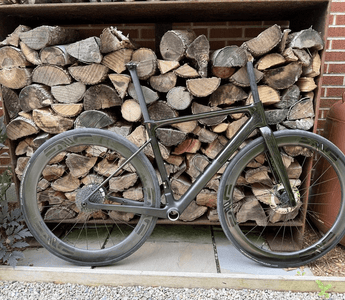
Credit: tideacebike.com
Frequently Asked Questions
Is 22 Lbs Heavy For A Road Bike?
A road bike weighing 22 lbs is considered moderately heavy. Many road bikes weigh between 15-20 lbs. Heavier bikes may impact speed and climbing efficiency. Focus on your riding style and preferences to determine if the weight is suitable for you.
Always balance weight with durability and comfort.
What Is A Decent Weight For A Road Bike?
A decent weight for a road bike ranges from 15 to 18 pounds (6. 8 to 8. 2 kilograms). Lightweight bikes enhance speed and efficiency. Choose a bike that balances weight, durability, and budget for optimal performance on the road.
Ensure quality materials for the best riding experience.
Is 300 Lbs Too Heavy For A Bike?
A 300 lbs rider can find bikes with suitable weight limits. Opt for sturdy frames and reinforced wheels for safety. Many brands offer options specifically designed for heavier riders, ensuring a comfortable ride. Always check the bike’s specifications to confirm its weight capacity meets your needs.
Are Lighter Road Bikes Better?
Lighter road bikes offer better speed and efficiency, especially on climbs and long rides. Enhanced maneuverability contributes to improved performance. They are ideal for competitive cycling, but may lack durability. Consider your riding style and terrain before choosing a lighter bike.
Conclusion
Choosing the right road bike weight is crucial. It affects speed and comfort. Light bikes offer speed but cost more. Heavier bikes provide stability and are budget-friendly. Consider terrain and purpose. Are you racing or touring? Think about your budget too.
Test different weights to find what feels best. Remember, the perfect weight varies per rider. Prioritize comfort and efficiency. Balance between lightness and control. Your ideal bike weight will enhance your ride. Enjoy your cycling adventures!