
Are you curious about how much a road bike weighs? If you’re a cycling enthusiast or just someone looking to get into the sport, understanding the weight of a road bike is crucial.
It can impact everything from your speed to how easy it is to handle your bike. But why does it matter so much, and what should you look for? Imagine this: you’re gliding effortlessly down a scenic route, the wind in your hair, feeling like you could ride forever.
A lighter bike can make this a reality. But there’s more to it than just the numbers on the scale. The right bike weight can enhance your performance and make your rides more enjoyable. We’re going to dive into the details. You’ll discover what affects a road bike’s weight, why it matters, and how to choose the right weight for your needs. By the end, you’ll have a clear understanding of what to look for when shopping for your perfect ride. So, stick with us, and let’s explore how much a road bike really weighs!

Credit: www.bikeradar.com
Road Bike Weight Basics
Understanding the basics of road bike weight can significantly enhance your cycling experience. Whether you’re racing, commuting, or simply enjoying a leisurely ride, the weight of your bike plays a crucial role in performance and comfort. Let’s delve into the key aspects you should know about road bike weight.
Average Weight Range
Most road bikes weigh between 17 to 22 pounds. This range is typical for entry-level to mid-range bikes, designed to balance durability and efficiency. High-end models, built for competitive cycling, can weigh as little as 14 pounds, showcasing advanced materials and engineering.
Have you ever wondered why some bikes feel so much lighter? It’s not just about shedding pounds; it’s about strategic weight distribution. This balance affects your speed and handling, making every ride unique.
Factors Influencing Weight
- Frame Material:Aluminum is lightweight and affordable, while carbon fiber is lighter but pricier. Steel frames, although heavier, provide a smooth ride.
- Components:Gears, brakes, and handlebars all add to the weight. Opting for lightweight components can shave off ounces.
- Wheel Size and Type:Larger wheels can increase weight, but choosing lighter rims and spokes can offset this.
Choosing the right bike involves more than just considering its weight. Think about your riding style and terrain. A lighter bike might be great for climbing, but a slightly heavier one could offer more control on descents.
Have you noticed how different bikes handle differently? Understanding these factors can help you make informed decisions, tailored to your needs and preferences.
Materials And Their Impact
Understanding the weight of a road bike is crucial for cyclists. The materials used in construction directly impact the bike’s weight. Different materials offer unique benefits and drawbacks. Let’s explore how aluminum, carbon fiber, steel, and titanium affect road bike weight.
Aluminum Frames
Aluminum is a popular choice for road bike frames. It’s lightweight and affordable. This material provides a good balance of weight and strength. Aluminum frames are often used for entry-level road bikes. They are easier to manufacture, which keeps costs low. While they are light, they can be less comfortable on rough roads.
Carbon Fiber Frames
Carbon fiber frames are known for being extremely light. This material allows for intricate designs that enhance performance. Carbon fiber offers excellent vibration damping, providing a smooth ride. It is more expensive due to complex manufacturing processes. Cyclists often prefer carbon fiber for competitive racing due to its lightweight nature.
Steel And Titanium Options
Steel frames have been used for decades. They are durable and provide a classic feel. Steel is heavier than aluminum and carbon fiber. It offers comfort and longevity. Titanium frames are a premium choice. They combine strength with a lower weight compared to steel. Titanium is corrosion-resistant and durable, making it ideal for high-end bikes.
Components And Accessories
Road bikes typically weigh between 15 to 25 pounds, depending on materials and components used. Lightweight frames and accessories contribute to a faster ride and easier handling.
Road bikes are known for their lightweight design. This design makes them fast and efficient. The weight of a road bike depends on its components and accessories. Every part plays a role. From gears to wheels, each adds to the total weight. Understanding these components helps in choosing the right bike.Gear And Brake Systems
The gear and brake systems are vital. They control speed and safety. Lightweight materials like carbon and titanium are common. These materials reduce weight significantly. High-end bikes may have electronic gear systems. These systems weigh less and shift gears smoothly. The choice of brakes also affects weight. Disc brakes are heavier than rim brakes. Yet, they offer better stopping power.Wheels And Tires
Wheels are crucial for speed. Lightweight wheels improve performance. They are often made from carbon fiber. This material is strong and light. Tires also affect weight. Thinner tires weigh less and roll faster. Tubeless tires are lighter than traditional ones. They reduce the risk of punctures. Wheel size can impact weight too. Larger wheels may weigh more but offer better stability.Additional Accessories
Accessories add functionality but increase weight. Water bottle holders, lights, and saddlebags are common. Lightweight versions of these accessories are available. They are often made from plastic or aluminum. Some riders add a bike computer. This device tracks speed and distance. It adds a small amount of weight. Choosing essential accessories wisely keeps the bike light.
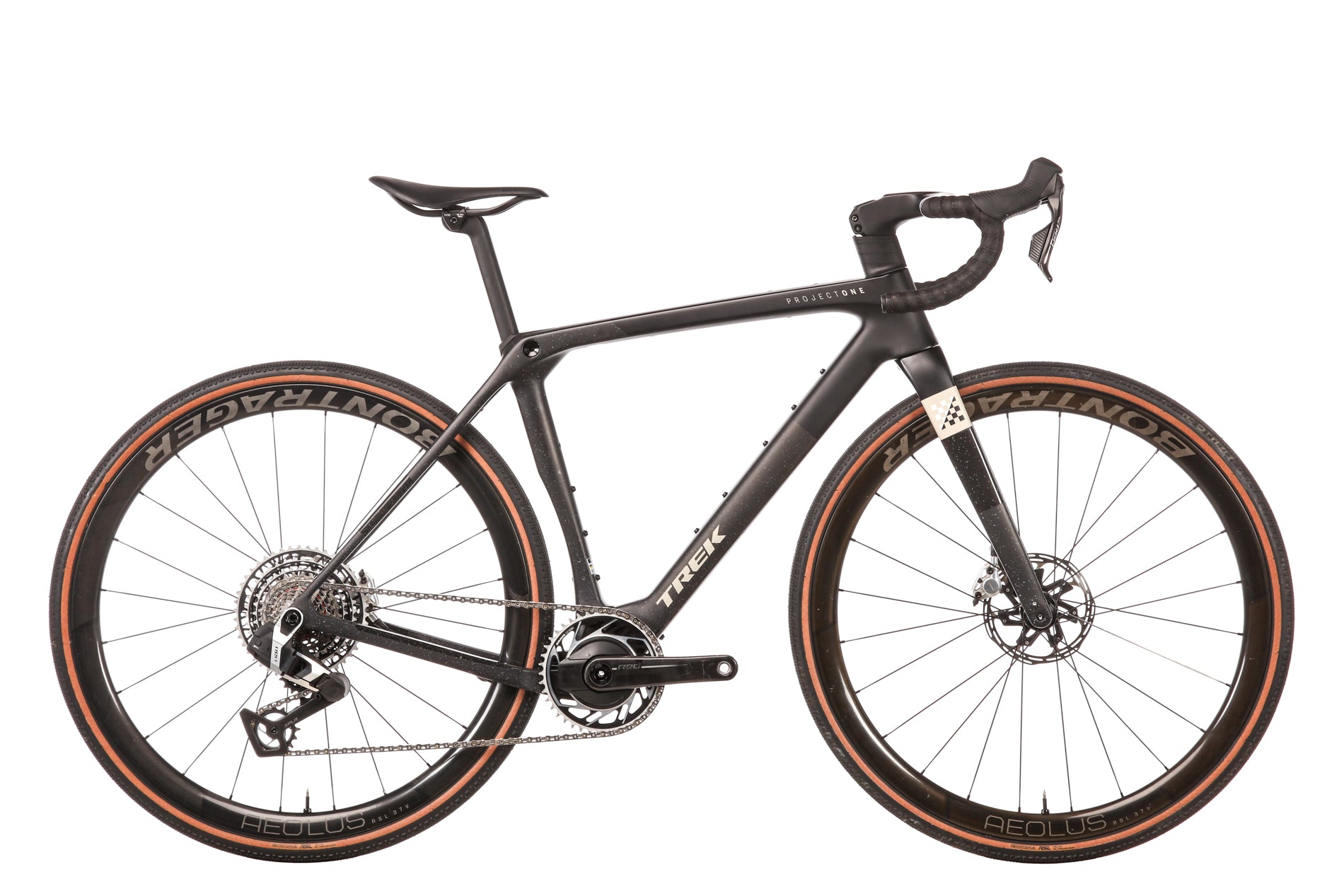
Credit: www.theproscloset.com
Performance And Weight Correlation
Understanding the weight of a road bike can enhance its performance. The lighter the bike, the better its speed and agility. Weight impacts climbing efficiency and endurance riding too. Let’s explore how each aspect connects to weight.
Speed And Agility
A lighter bike accelerates faster. It allows quick movements, essential in races. Riders can change direction swiftly. This agility helps in dodging obstacles. Less weight means less resistance. The bike moves smoothly, boosting speed naturally.
Climbing Efficiency
Climbing hills tests a bike’s weight. Lighter bikes require less effort uphill. Riders can maintain a steady pace. The reduced weight minimizes fatigue. This efficiency improves overall riding experience. Steep climbs become less daunting. Riders feel more confident tackling elevations.
Endurance Riding
Long rides demand comfort and endurance. A lighter bike reduces strain on the rider. It helps maintain energy over distances. The bike’s weight affects fatigue levels. Less weight means fewer energy drains. Riders can enjoy longer journeys comfortably. This balance is crucial in endurance biking.
Choosing The Right Weight
Choosing the right road bike weight affects performance and comfort. Most road bikes weigh between 15 and 25 pounds. A lighter bike helps with speed and control, especially on hills.
Choosing the right weight for a road bike is crucial. It impacts your performance and overall riding experience. Riders often wonder about the perfect weight for their needs. Several factors influence this decision. Each rider has unique preferences and requirements. Understanding these can help make an informed choice.Personal Riding Style
Your riding style affects your weight choice. Casual riders may not need a super light bike. If you ride long distances, a lighter bike may suit you. Competitive cyclists often prefer the lightest options. Think about how you ride most often. Do you enjoy leisurely rides or speed-focused sessions? Your style guides your weight preference.Terrain Considerations
The terrain you ride on matters. Flat roads don’t require ultra-light bikes. Hilly or mountainous areas benefit from lighter bikes. Easier climbing and better control can be achieved. Consider the common terrain in your area. It will influence your bike weight decision. Different terrains require different bike characteristics.Budget Constraints
Budget plays a role in choosing bike weight. Lightweight bikes often cost more. High-end materials and technology increase the price. Determine your budget before shopping. Consider how much you are willing to spend. Balancing cost and weight is important. You can find quality bikes within various budget ranges. Prioritize your needs and financial limits.Technological Advances
In the world of road biking, technological advances have dramatically transformed the way we think about bike weight. Today’s bikes are lighter and more efficient, thanks to cutting-edge innovations that push the boundaries of engineering. Whether you’re a seasoned cyclist or a newbie, understanding these advancements can help you make informed decisions about your next ride.
Innovative Materials
The use of innovative materials has revolutionized bike construction. Carbon fiber, titanium, and advanced alloys have replaced heavier metals, offering unparalleled strength-to-weight ratios. Carbon fiber, in particular, is favored for its lightweight and strong properties, making it a popular choice among competitive cyclists.
Imagine riding a bike that’s both lighter and more resilient. This is the promise of these new materials, allowing for quicker acceleration and easier climbs. Have you noticed the difference in your own cycling experience when switching to a lighter frame?
Weight Reduction Techniques
Manufacturers employ a variety of techniques to shave off those extra grams. Strategic design choices like aerodynamic frames and minimalist components significantly reduce weight. Hollow cranksets and lightweight wheelsets are also common, optimizing performance without sacrificing durability.
Consider the impact of a lighter bike on your endurance during long rides. With less weight to lug around, you can maintain speed longer and enjoy a more comfortable ride. What techniques have you tried to reduce your bike’s weight?
Future Trends
The future of road biking looks promising with ongoing research and innovation. Emerging materials such as graphene are being explored for their potential to create even lighter and stronger bikes. Moreover, 3D printing technology may soon allow for highly customized frames tailored to individual riders’ needs.
Looking ahead, how do you envision these trends shaping your cycling experience? As technology continues to evolve, staying informed will help you stay ahead of the curve. Are you ready to embrace the future of road biking?
Credit: www.theproscloset.com
Frequently Asked Questions
Is 25 Lbs Heavy For A Road Bike?
A 25 lbs road bike is considered heavy for competitive cycling. Most road bikes weigh between 15-20 lbs. Heavier bikes can impact speed and performance, especially on climbs. For casual riding, it might be acceptable, but for serious cyclists, a lighter bike is preferable for efficiency and speed.
How Heavy Is A Tour De France Bike?
A Tour de France bike typically weighs around 6. 8 kilograms. This meets the UCI’s minimum weight requirement. Lightweight materials like carbon fiber ensure durability and speed. These bikes are designed for optimal performance and efficiency during the race.
Is 24 Lbs Heavy For A Bike?
A 24 lbs bike is considered moderately heavy for road cycling but acceptable for mountain or hybrid bikes. Lightweight bikes typically weigh 15 to 20 lbs, offering better speed and agility. Consider your cycling style and preferences to determine if the weight suits your needs.
Is 300 Lbs Too Heavy For A Bike?
Most bikes can support 300 lbs, but check the manufacturer’s weight limit. Choose sturdy models like mountain or cruiser bikes. Ensure proper tire pressure and regular maintenance to handle the weight safely. Consider bikes specifically designed for heavier riders for optimal performance and comfort.
Conclusion
A road bike’s weight can vary greatly. Factors like material and components matter. Lighter bikes often cost more. They offer speed and ease in riding. Heavier bikes can be more durable. Choose based on your needs and budget. Test a few before deciding.
Feel the difference in weight and comfort. Remember, the best bike suits your style. Happy riding, and may you enjoy every journey. Your perfect bike awaits.