

Are you curious about how far an electric bike can take you on a single charge? Whether you’re considering making the switch to an e-bike or already have one parked in your garage, understanding its range is crucial for planning your adventures.
Imagine the freedom of knowing exactly how many miles you can confidently cover without the fear of running out of power. This knowledge opens up endless possibilities for your daily commute, weekend explorations, or even that long-distance trek you’ve been dreaming about.
Dive into this guide to discover the factors that influence an electric bike’s range and how you can maximize your ride. By the end, you’ll be equipped with the insights you need to make the most of every journey.
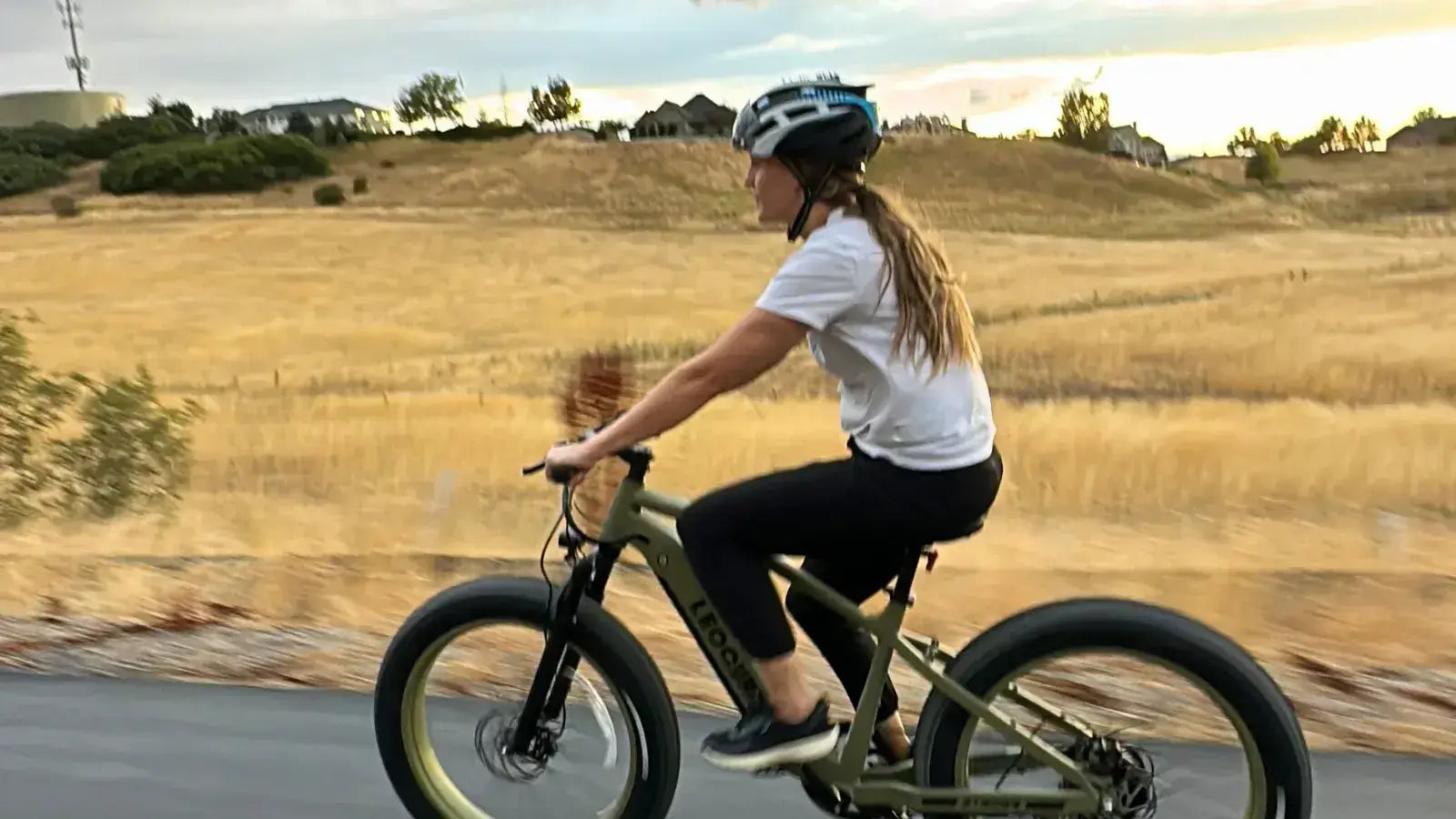
Credit: leoguarbikes.com
Factors Affecting Electric Bike Range
Terrain, rider weight, and battery size greatly influence how many miles an electric bike can travel. Weather conditions and riding style also play crucial roles in determining the bike’s range.
Understanding the range of an electric bike can be crucial in planning your rides effectively. Several factors can influence how far you can travel on a single charge. Let’s explore these elements to help you maximize your biking adventures.Battery Capacity
The heart of your electric bike is its battery. A higher capacity battery can provide more miles per charge. If you’ve ever felt your bike slowing down halfway through a ride, it might be due to a smaller battery. Opt for a bike with a robust battery to enjoy longer rides without the anxiety of running out of power.Motor Efficiency
The efficiency of the motor plays a significant role in the bike’s range. A motor that uses power efficiently will allow you to travel further. Consider how often you find yourself pedaling harder than expected. Choosing a bike with a high-efficiency motor can make your ride smoother and extend your journey.Rider Weight
Your weight can directly affect how far your bike can go. Heavier riders may notice a decrease in range, as the motor works harder to maintain speed. If you’ve felt your bike lagging, it could be due to the extra load. Adjusting your riding habits or choosing a bike designed to handle heavier weights might be necessary.Terrain And Surface
The type of terrain you’re riding on can drastically impact your bike’s range. Smooth, flat surfaces allow for more effortless travel, while steep hills and rough paths can drain your battery quickly. Reflect on the trails you love most; are they challenging your bike’s limits? Opt for routes that match your bike’s capabilities for a more enjoyable ride. In essence, knowing these factors can empower you to make informed decisions about your electric bike rides. Are there aspects of your biking experience you hadn’t considered before? Understanding these can transform your cycling experience and ensure you make the most of each journey.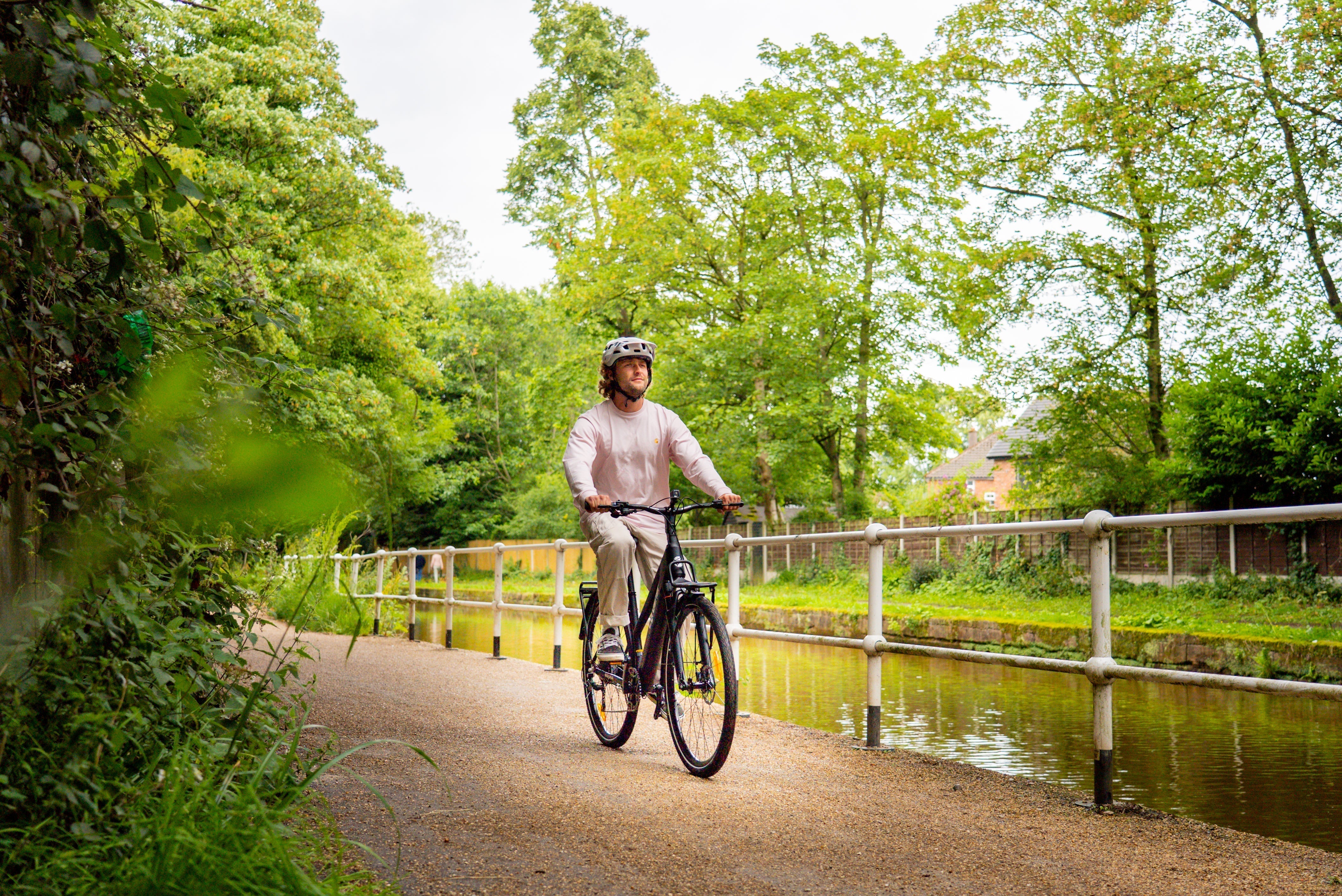
Credit: www.cyrusher.com
Optimizing Battery Performance
Optimizing battery performance is crucial to maximizing the distance your electric bike can travel. It’s not just about ensuring your bike is charged; it’s about making the most of every charge. By paying attention to charging practices, temperature considerations, and regular maintenance, you can extend your battery’s lifespan and efficiency. Let’s dive into how you can make your electric bike go the extra mile.
Charging Practices
Proper charging habits can significantly impact your battery’s performance. Always use the charger that came with your bike, as it’s designed to match your battery’s specifications. Avoid overcharging by unplugging once the battery is full; this prevents unnecessary wear. Consider charging your bike at a regular interval rather than letting the battery run to zero, which can help maintain its capacity.
Temperature Considerations
Temperature plays a huge role in battery performance. Extreme cold can reduce the efficiency of your battery, while excessive heat can damage it. Store your bike in a cool, dry place when not in use to protect the battery. If you ride in colder climates, allow the battery to warm up gradually indoors before charging or using it.
Regular Maintenance
Keeping your battery in peak condition requires regular maintenance. Clean the battery terminals periodically to ensure a good connection. Check the battery for any signs of damage or wear, and consult a professional if you spot any issues. Staying proactive with these checks can prevent unexpected failures and keep your bike running smoothly.
Choosing The Right Electric Bike
Consider the battery capacity and terrain to determine the range of an electric bike. Typically, e-bikes can travel 20 to 100 miles on a single charge. Factors like riding speed and weight affect mileage significantly.
Choosing the right electric bike can enhance your riding experience. Different bikes offer various features and benefits. Knowing what to look for can help you make an informed decision.Comparing Battery Types
Battery type affects the range and weight of an electric bike. Lithium-ion batteries are lightweight and offer a long lifespan. They are more common in modern electric bikes. Lead-acid batteries are heavier and often less efficient. They are usually cheaper but may not offer the same performance. Choose a battery that balances your needs with your budget.Assessing Motor Power
Motor power determines how fast and how far you can travel. A motor with higher watts will generally provide more speed and torque. For city commutes, a 250-watt motor might be sufficient. For longer distances or hilly terrains, consider a 500-watt motor or higher. Always check the local regulations on motor power limits.Evaluating Design And Features
The design of an electric bike can impact comfort and usability. Consider the frame size and shape to ensure a comfortable ride. Look for features like adjustable seats and handlebars. Some bikes offer built-in lights or suspension for added safety and comfort. Make sure the bike meets your daily needs and preferences.Riding Techniques To Extend Range
Optimizing your riding technique can significantly extend the range of an electric bike. Smooth acceleration and maintaining a steady speed are key strategies. Reducing the use of high power modes also helps conserve battery life for longer rides.
Riding an electric bike offers you the freedom to explore while reducing your carbon footprint. But maximizing your range is key to ensuring that your adventures are long-lasting and enjoyable. By adopting smart riding techniques, you can significantly extend the distance your electric bike can travel on a single charge. Let’s dive into some practical strategies that can help you get the most out of your ride.Pacing And Speed Management
Maintaining a consistent pace is crucial. Rapid acceleration and high speeds can quickly drain your battery. Consider your terrain: Uphill climbs require more power, so slow down to conserve energy. On flat or downhill paths, you can afford to pick up speed without as much impact on your battery life. Experiment with different speeds to find the sweet spot that balances speed and range.Utilizing Pedal Assist
Engage pedal assist modes strategically. Lower assist levels can save battery life, especially on flat terrains. Increase the assistance when tackling steep hills or when you’re feeling fatigued. Remember, pedal assist isn’t just about making the ride easier; it’s about enhancing your efficiency.Avoiding Frequent Stops
Frequent stops can sap your battery, as restarting from a standstill often requires more power than maintaining a rolling pace. Plan your route to minimize unnecessary stops and start smoothly whenever you do need to halt. Think about the energy you save by riding smoothly—each uninterrupted mile means more range for your journey. What small adjustments can you make in your riding style to squeeze out those extra miles? Implement these techniques and watch your range increase as you pedal your way to new destinations.Energy-saving Accessories
Electric bikes are a fantastic way to get around, offering an eco-friendly and efficient mode of transportation. However, to maximize your e-bike’s range, energy-saving accessories can make a significant difference. By investing in the right gear, you can stretch those miles further, making your rides more enjoyable and sustainable.
Aerodynamic Gear
Have you ever felt the drag of the wind slowing you down? Aerodynamic gear can help reduce this resistance, allowing you to glide through the air with ease. Consider adding streamlined helmets and clothing to your biking wardrobe. These can minimize wind resistance and improve your speed, ultimately conserving battery life.
Lightweight Components
The weight of your e-bike plays a crucial role in its energy consumption. Upgrading to lightweight components, such as carbon fiber frames or wheels, can make your bike more efficient. Imagine the ease of pedaling a bike that feels almost weightless compared to a heavier one. Every ounce saved reduces the strain on your battery, giving you more miles per charge.
Efficient Lighting Systems
Efficient lighting systems are a small change with a big impact. LED lights consume less power than traditional bulbs, extending your bike’s battery life. Have you thought about how much energy your current lights might be using? Switching to energy-efficient lighting not only conserves battery power but also enhances your visibility during night rides, keeping you safe.
By choosing the right energy-saving accessories, you can significantly increase your electric bike’s range. Which accessory will you try first to enhance your e-biking experience?
Planning Routes For Maximum Distance
Electric bikes can travel between 20 to 100 miles on a single charge. Battery size and terrain affect distance. Proper route planning helps maximize your journey, ensuring you cover more miles efficiently.
Planning routes for maximum distance can enhance your electric bike journey. Thoughtful route planning can extend the miles you travel. Focus on terrain, traffic, and charging stations. These factors influence how far your e-bike can go.Choosing Flat Terrain
Flat terrain uses less battery power. It allows you to cover more miles. Hills and inclines drain your battery quickly. Plan routes with minimal elevation. This helps in achieving maximum distance. Use online tools to find flat paths.Minimizing Traffic Stops
Frequent stops affect battery usage. They slow you down and waste power. Choose routes with fewer stoplights. Avoid busy streets during peak hours. Continuous riding conserves energy and extends your range.Mapping Charging Stations
Locate charging stations along your route. This ensures your bike stays powered. Plan breaks where you can recharge. Use apps to find nearby charging points. A well-planned route prevents getting stranded.
Credit: meelod.com
Frequently Asked Questions
How Many Miles Can An Electric Bike Go On A Full Charge?
Electric bikes typically travel 20 to 100 miles per charge, depending on battery size, terrain, and riding style. Battery capacity and efficiency influence the distance. Proper maintenance can extend range. Check manufacturer’s specifications for precise mileage details.
How Many Miles Does An Electric Bicycle Last?
An electric bicycle typically lasts between 20 to 100 miles per charge. Mileage depends on battery capacity, rider weight, terrain, and pedal assist level. Regular maintenance and proper charging extend battery life. Always check manufacturer specifications for accurate range details.
How Far Will An Electric Bike Go Without Pedaling?
Electric bikes can travel 20-50 miles without pedaling, depending on battery capacity, terrain, and riding conditions.
What Ebike Can Go 100 Miles?
E-bikes like the Rad Power RadCity 5 Plus and Specialized Turbo Vado offer ranges up to 100 miles. Battery capacity and riding conditions affect range. Choose a model with a high-capacity battery for longer distances. Regular maintenance and efficient riding also help achieve 100-mile journeys.
Conclusion
Electric bikes offer a practical way to travel long distances. Their mileage varies based on factors like battery size, terrain, and rider weight. Most e-bikes cover 25 to 50 miles on a single charge. Some advanced models can go up to 100 miles.
Choosing the right e-bike depends on your needs. Consider your regular travel distances and terrain. Maintenance also plays a role in mileage. Regularly check your battery and tires for optimal performance. With the right care, your electric bike can serve you well for many miles.
Enjoy your eco-friendly ride!