
Have you ever wondered how long your electric bike will last? Investing in an electric bike is exciting, promising a fun and eco-friendly way to navigate your daily commutes or weekend adventures.
But knowing the lifespan of your two-wheeled companion is crucial for making the most out of your investment. Imagine cruising through the streets, feeling the breeze, without the nagging worry of your bike’s durability in the back of your mind.
By understanding the factors that affect an electric bike’s longevity, you can confidently plan your rides and ensure your bike serves you well for years. Dive into this article to uncover the secrets to extending your electric bike’s life, and learn tips that can save you time and money, ensuring every ride is as thrilling as the first.
Electric Bike Longevity Factors
Electric bikes have rapidly gained popularity, providing an eco-friendly and efficient mode of transportation. But how long can you expect your electric bike to last? Several factors play a crucial role in determining the lifespan of your e-bike, including battery life, motor durability, and frame quality. Understanding these components can help you make informed decisions and maximize your e-bike’s longevity.
Battery Life Considerations
The battery is the heart of your electric bike. Its longevity largely depends on usage patterns, charging habits, and overall maintenance. Most e-bike batteries last between 2 to 5 years, but diligent care can extend their lifespan.
Think about how often you charge your battery. Regularly topping it up instead of letting it fully deplete can keep it healthy longer. Also, avoid exposing it to extreme temperatures, as this can significantly reduce its lifespan.
Are you using the right charger? Manufacturer-recommended chargers ensure optimal battery performance and longevity. Using a generic charger might save a few bucks upfront but can cost you more in the long run.
Motor Durability Aspects
The motor is another critical component affecting the lifespan of your electric bike. Quality motors typically last longer, but regular maintenance is key to their durability.
Consider the terrain you often ride on. Rough terrains put more stress on the motor, potentially shortening its lifespan. Smooth surfaces can help reduce wear and tear, preserving motor health.
Do you hear unusual noises from the motor? This could be a sign of underlying issues. Regular check-ups can identify and resolve problems before they escalate, ensuring your motor remains in top shape.
Frame And Build Quality
The frame and build quality of your electric bike significantly influence its longevity. High-quality materials and robust construction can withstand daily wear and tear, extending the bike’s lifespan.
Pay attention to weight limits. Overloading your bike can strain the frame, leading to early deterioration. Adhering to weight recommendations maintains the structural integrity of your e-bike.
Have you inspected for rust or damage? Regular checks for signs of wear can prevent minor issues from becoming major ones. A little attention can ensure your bike stays road-ready for years.
Ultimately, how long your electric bike lasts depends on how well you care for it. Are you ready to make the right choices to enjoy a longer, smoother ride?

Credit: www.zhsydz.com
Battery Maintenance Tips
Electric bikes can last many years with proper battery care. Always charge the battery before it completely drains. Store it in a cool, dry place to extend its lifespan.
Battery Maintenance Tips Electric bikes rely heavily on their batteries for power. Proper maintenance can extend their lifespan. Keeping your battery in good condition ensures your e-bike runs smoothly. Follow these tips to maximize your battery’s life.Charging Best Practices
Charge your battery regularly. Avoid letting it drain completely. Use the charger provided by the manufacturer. This ensures compatibility and safety. Charge in a cool, dry place. Extreme temperatures can damage the battery.Storage Recommendations
Store your battery properly. Keep it in a cool, dry environment. Avoid direct sunlight or heat sources. If storing for a long time, charge it to about 60%. This helps maintain its health.Signs Of Battery Wear
Watch for signs of wear. Reduced range may indicate battery aging. Slow charging is another sign. Overheating during use suggests issues. Regularly inspect for physical damage. Cracks or leaks require immediate attention.Extending Motor Lifespan
Electric bikes typically last between 3 to 5 years. Regular maintenance and proper care can extend their lifespan. Ensuring battery health and motor efficiency are key factors in achieving longer use.
Extending the lifespan of an electric bike’s motor is crucial for longevity. A well-maintained motor ensures smooth rides and reduces costly repairs. Focus on key practices to keep your motor in top shape. These include regular maintenance, avoiding overheating, and following usage guidelines.Regular Maintenance Checks
Routine checks help identify potential issues early. Inspect the motor for dust and debris. Clean it gently to prevent damage. Check for any loose connections. Tighten any that seem loose. Regularly update the motor’s firmware if applicable. This can optimize performance and improve longevity.Avoiding Overheating
Overheating can damage the motor. Avoid riding in extreme heat for long periods. Allow the motor to cool down after a long ride. Pay attention to unusual noises or smells. These can indicate overheating. Ensure proper ventilation around the motor. This helps in dissipating heat effectively.Proper Usage Guidelines
Use the bike within its recommended limits. Avoid overloading with excessive weight. Maintain a steady speed to prevent strain on the motor. Use the correct settings for different terrains. This ensures the motor works efficiently. Follow the manufacturer’s usage instructions closely. This maximizes motor lifespan and performance.Frame And Component Care
Electric bikes can offer years of enjoyment with proper care. The longevity of an electric bike often depends on how well you maintain its frame and components. Keeping the bike in top condition ensures a smooth ride and extends its lifespan. Here, we’ll explore essential tips for taking care of your bike’s frame and components.
Rust Prevention Techniques
Rust is a common enemy of any bike. It weakens the frame and shortens the bike’s lifespan. To prevent rust, store your bike in a dry place. Use a bike cover if storing outside. Apply anti-rust spray to metal parts regularly. This creates a protective barrier against moisture.
Regular Cleaning Routine
Cleaning your electric bike is crucial. Dirt and grime build-up can damage components over time. Use a soft brush and mild soap to clean the frame. Rinse with water but avoid soaking electrical parts. Dry the bike thoroughly with a clean cloth. Pay attention to joints and crevices where dirt accumulates.
Component Replacement Indicators
Knowing when to replace components is vital for bike health. Listen for unusual sounds during rides. Squeaks or grinding noises signal wear. Check the chain for rust or stretched links. Inspect brakes and tires regularly for wear and tear. Replacing worn parts promptly prevents further damage.
Common Lifespan Estimates
Understanding the common lifespan estimates of electric bikes helps in planning maintenance. It is crucial to know how long each component lasts. This knowledge aids in preserving the bike’s performance and value.
Average Battery Lifespan
The battery is a key component of an electric bike. Most batteries last between two to five years. This depends on the type, usage, and care. Lithium-ion batteries are common and can endure up to 1,000 charge cycles. Proper charging habits extend battery life.
Typical Motor Durability
The motor is another vital part of an electric bike. Motors generally last between three to ten years. High-quality motors may offer longer durability. Regular maintenance checks prevent wear and tear. Keeping the motor clean ensures it runs smoothly.
Frame Longevity
The frame of an electric bike can last over a decade. The lifespan depends on the material and construction quality. Aluminum and steel frames are sturdy and resist corrosion. Regular inspections help spot any cracks or rust early. Proper storage prevents environmental damage.

Credit: leoguarbikes.com
Choosing Long-lasting Electric Bikes
Understanding the lifespan of electric bikes is essential for making a smart choice. Most electric bikes can last 3 to 5 years with proper maintenance. Battery care, regular servicing, and quality components play key roles in extending their life.
Choosing Long-lasting Electric Bikes Electric bikes can be a great investment. But how long will they last? Picking a durable model can save money and hassle. This section will guide you through selecting a long-lasting electric bike.Top Brands For Durability
Certain brands are known for their robust electric bikes. Look for manufacturers with a strong reputation. Brands like Bosch, Trek, and Rad Power Bikes are well-regarded. They offer models with long-lasting components. Research their offerings for reliability and sturdiness.Features To Look For
Several features indicate a bike’s longevity. Check the battery type and capacity. Lithium-ion batteries generally last longer. Strong frames made from aluminum or steel are ideal. High-quality tires and brakes enhance durability. Look for waterproof components to protect against rain damage.Customer Reviews And Ratings
Customer reviews provide insights into bike performance. Read experiences shared by other users. Pay attention to comments on durability and maintenance. Ratings can reveal satisfaction levels and common issues. Websites like Trustpilot or Amazon are good sources. Their feedback helps assess a bike’s lasting power.Future Innovations In Longevity
Exploring the lifespan of electric bikes reveals a blend of technology and durability. Battery life, usage, and maintenance influence their longevity. With care, electric bikes can last several years, offering a sustainable transport option.
Electric bikes have revolutionized the way we commute, offering an eco-friendly and efficient alternative to traditional bicycles. As you invest in an electric bike, you might wonder about its longevity and how future innovations are set to extend it even further. With cutting-edge advancements in technology, the lifespan of electric bikes is poised to lengthen significantly, ensuring you get the most out of your investment. Let’s delve into the exciting developments in battery technology, motor designs, and frame materials that promise to enhance the durability of your e-bike.Advancements In Battery Technology
Battery life is a crucial factor in determining how long your electric bike will last. Innovations in battery technology are continuously evolving, promising longer-lasting and more efficient power sources. Imagine a battery that charges in half the time and lasts twice as long. New lithium-ion batteries are being designed to offer increased capacity and faster charging cycles. This means you spend less time waiting and more time riding. With developments such as solid-state batteries, you can expect safer and more stable energy sources that are less prone to wear and tear. These batteries boast higher energy density, meaning they can store more power without increasing their size or weight.Improved Motor Designs
The motor is the heart of your electric bike, and improvements in motor designs are set to extend the lifespan of your ride. Brushless motors are becoming the standard, reducing friction and wear, which leads to a quieter and more efficient ride. These motors require less maintenance, ensuring you get more mileage without frequent repairs. Manufacturers are also focusing on creating motors that are more resistant to environmental factors like dust and moisture. This means your e-bike can withstand various conditions without compromising its performance.Enhanced Frame Materials
The frame of your electric bike plays a significant role in its longevity. Advances in materials science are introducing stronger and lighter materials that promise to boost durability. Aluminum and carbon fiber frames are being engineered to provide better shock absorption and resilience. This translates to a smoother ride and less strain on the bike’s structure, prolonging its life. Future innovations could include smart materials that adapt to different conditions, enhancing your biking experience while protecting the integrity of the frame. Imagine riding a bike that intuitively adjusts to your environment, ensuring a longer-lasting and more enjoyable journey. As you look forward to these innovations, consider how they might impact your biking experience. What changes would you welcome the most? Would a longer-lasting battery make your daily commute more convenient? These advancements are not just about extending longevity—they’re about enhancing every aspect of your ride.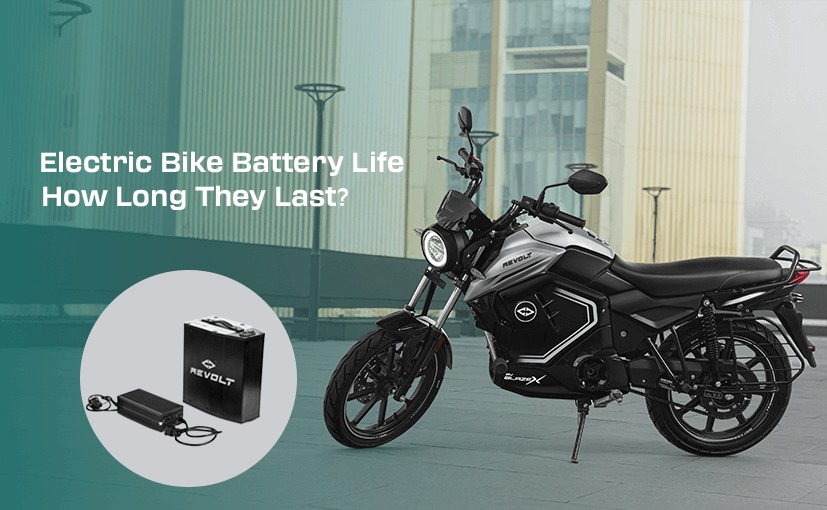
Credit: www.revoltmotors.com
Frequently Asked Questions
How Much Does It Cost To Replace The Battery In An Electric Bike?
Replacing an electric bike battery costs between $300 and $800. Prices vary based on brand and capacity. Shop around for competitive deals. Regular maintenance extends battery life, saving money in the long run. Consider warranty options for added security.
How Many Miles Should An Ebike Motor Last?
An ebike motor typically lasts between 10,000 to 15,000 miles. Proper maintenance can extend its lifespan. Regular checks on battery health, avoiding extreme conditions, and ensuring correct usage contribute to longevity. Quality of the motor and usage patterns also influence durability.
Always follow manufacturer guidelines for optimal performance.
How Long Does An Electric Bike Last From Fully Charged?
An electric bike typically lasts 20-50 miles on a full charge. The range varies based on battery capacity, terrain, and riding conditions. Regular maintenance and proper charging habits can extend battery life and performance.
How Many Miles Can An Electric Bike Go On A Full Charge?
Electric bikes typically travel 20 to 100 miles on a full charge. Range depends on battery capacity, terrain, and rider weight. Efficient pedaling extends mileage. Check bike specifications for exact details.
Conclusion
Electric bikes offer years of reliable service. Lifespan depends on usage and maintenance. Regular care keeps them running smoothly. Batteries last a few years with proper charging. Motor and parts can last longer. Choosing quality brands extends their life. Always follow the manufacturer’s guidelines.
This ensures your bike serves you well. Routine check-ups catch wear early. Address issues before they worsen. Investing time in maintenance pays off. Enjoy the ride for many years. Your electric bike can be a lasting companion.