
Are you curious about just how fast road bikes can go? Whether you’re a seasoned cyclist or just starting out, the speed and thrill of riding a road bike can be exhilarating.
Imagine the wind rushing past you as you glide down the road, pushing your limits and feeling the rush of adrenaline. But have you ever wondered just how fast you can really go? Understanding the speed potential of road bikes not only fuels your passion but also helps you improve your performance.
We’ll explore the factors that affect road bike speed and reveal tips to help you achieve your cycling goals. Get ready to uncover the secrets to maximizing your speed and enjoying every ride to the fullest.
Credit: www.cyclingweekly.com
Factors Affecting Speed
Road biking is an exhilarating sport, but how fast can you really go? The speed of a road bike is influenced by several factors that can either propel you forward or hold you back. Understanding these elements can help you maximize your biking experience and maybe even beat your personal best. Let’s dive into the components that can make or break your speed.
Bike Design And Materials
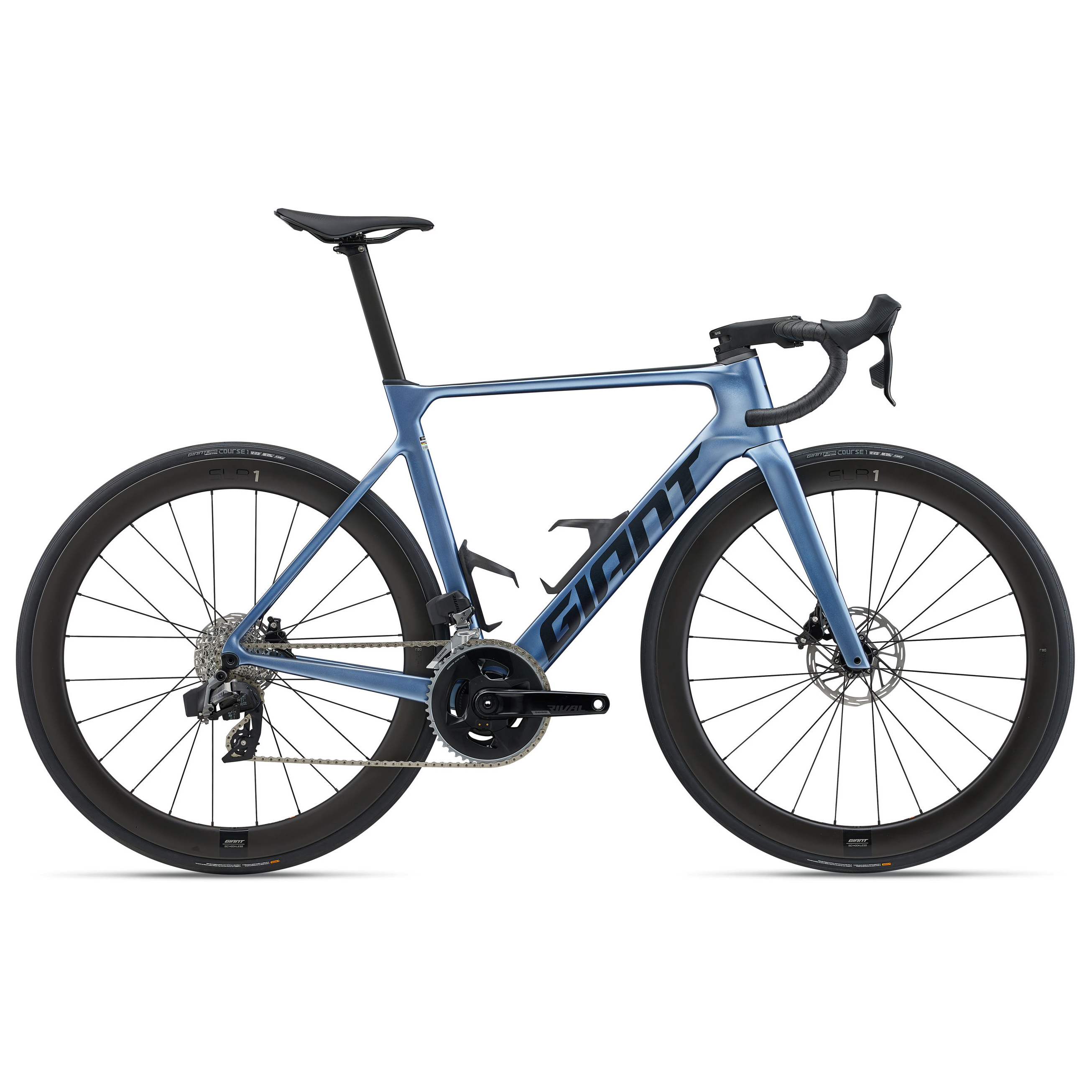
The design and materials of your bike play a critical role in speed. A sleek frame made from lightweight materials like carbon fiber can drastically improve your performance. Carbon fiber is not only light but also strong, allowing for efficient power transfer when pedaling.
Consider the geometry of your bike as well. A racing bike with a more aggressive stance will let you cut through the wind more effectively. Reflect on your own experiences with different bike designs — have you felt a noticeable difference?
Aerodynamics And Positioning
Aerodynamics is all about reducing drag. Your body position on the bike can either help you glide smoothly or slow you down. A lower and more compact posture can make a significant difference in reducing wind resistance.
Have you tried adjusting your handlebars or saddle height for better aerodynamics? Small changes in positioning can lead to substantial improvements in speed. How can you tweak your setup for optimal performance?
Weight And Components
Every gram counts when you’re striving for speed. The lighter your bike, the easier it is to accelerate and maintain high speeds. Swapping heavier components for lighter ones can be a game-changer.
Think about your wheels and tires — are they designed for speed? Lightweight rims and thin tires can reduce rolling resistance, helping you go faster with less effort. What components could you upgrade to shed some weight?
Speed isn’t just about raw power; it’s about making smart choices with your equipment. Each factor, from bike design to aerodynamics, contributes to how fast you can go. How will you optimize your ride for speed?

Credit: www.bikeradar.com
Rider’s Influence
Riders play a crucial role in determining how fast road bikes can go. Their physical and mental attributes significantly affect speed. Understanding these influences can help improve performance on the road.
Fitness And Endurance
A rider’s fitness level directly impacts their speed. Strong muscles enable powerful pedaling, increasing bike velocity. Endurance helps maintain high speeds over long distances. Regular training improves both fitness and endurance. This allows riders to push their limits further.
Skill And Technique
Riding technique affects how fast a bike can go. Efficient pedaling and gear shifting maximize speed. Proper posture reduces air resistance, helping riders go faster. Skilled riders navigate corners and descents safely at higher speeds. Practice and experience refine these skills.
Mental Focus And Strategy
Mental focus is key for maintaining speed. Concentration helps avoid distractions and maintain a steady pace. Strategic planning considers terrain and weather conditions. Riders adjust their speed for optimal performance. Mental resilience keeps them motivated during challenging rides.
Environmental Conditions
Understanding how fast road bikes can go isn’t just about the bike itself or the rider’s strength. Environmental conditions play a critical role. They can significantly influence your speed, either boosting it or slowing you down. Let’s explore these factors.
Weather Impact
Weather conditions can dramatically affect your biking speed. A sunny, windless day offers the ideal setting for a fast ride. In contrast, strong headwinds can feel like you’re pushing through molasses, drastically slowing your pace.
Rain can be tricky, too. Wet roads reduce tire grip, making it essential to slow down for safety. Additionally, heavy rain can obscure vision, further impacting your speed.
Have you ever tried cycling during a heatwave? Extreme temperatures can sap your energy, making it harder to maintain high speeds. Staying hydrated and wearing breathable clothing becomes crucial.
Terrain And Elevation
Riding on flat terrain is typically faster than tackling hilly routes. Climbing uphill demands more effort and naturally reduces speed. On the flip side, descending can boost your speed, sometimes alarmingly so.
Consider routes with varying elevation for an extra challenge. You might notice your average speed drops, but the workout becomes more rewarding.
Ever tried a long ride on a flat, open road? It’s a great way to test your endurance and speed. But remember, maintaining high speed requires consistent effort.
Traffic And Obstacles
Heavy traffic and road obstacles can seriously slow you down. Navigating through cars, pedestrians, and unexpected debris demands caution and often means braking frequently.
Choose routes with less traffic for a faster, smoother ride. You’ll not only boost your speed but also enjoy a safer journey.
Have you ever encountered a surprise pothole or a wandering animal? These obstacles require quick reflexes and can disrupt your ride, adding a layer of unpredictability to your speed.
Speed Enhancements
Speed enhancements can transform your road biking experience. Riders constantly seek ways to increase speed. This involves various strategies, from equipment upgrades to training and nutrition. Let’s dive into these areas to see how they contribute to faster rides.
Upgraded Equipment
Investing in quality equipment can boost your biking speed. Consider lighter frames and high-performance tires. Aerodynamic helmets and clothing reduce air resistance. Carbon fiber parts further enhance speed by reducing weight. Clipless pedals improve pedaling efficiency, offering better power transfer.
Training Regimens
Effective training is essential for speed. Interval training boosts endurance and speed. High-intensity sessions enhance cardiovascular fitness. Regular practice builds muscle strength. Consistent training helps maintain high speeds for longer periods. Tailor your regimen to your personal fitness level.
Nutrition And Hydration
Proper nutrition fuels your body for speed. Carbohydrates provide energy for long rides. Proteins aid in muscle recovery and growth. Hydration is vital to maintain performance. Dehydration slows you down, so drink water consistently. Consider energy drinks for quick electrolyte replenishment.
Measuring And Tracking Speed
Discover the thrill of road biking by understanding how fast these bikes can go. Road bikes typically reach speeds of 25 to 30 mph on flat terrain. Factors like rider fitness, bike aerodynamics, and road conditions play a crucial role in achieving higher speeds.
Measuring and tracking speed on a road bike is not just for the pros. It’s an exciting way to understand your performance and improve over time. With the right tools, you can easily track your speed, set goals, and even compete with friends.Speedometers And Gps
Speedometers have been a staple for cyclists for decades. They are simple to use and provide real-time data on your speed. Most speedometers attach to your bike’s handlebars, with a sensor on the wheel to calculate speed based on wheel rotation. In recent years, GPS devices have gained popularity. They offer more than just speed tracking; you can map your route and analyze your ride. GPS units are often more expensive, but they provide a wealth of data that can be invaluable for serious cyclists.Apps And Wearables
Smartphones have become a cyclist’s best friend. There are numerous apps available that can track your speed and much more. Apps like Strava not only record your speed but also help you connect with other riders and challenge yourself with segments. Wearables such as smartwatches add another layer of convenience. They can track your speed, heart rate, and calories burned, all from your wrist. The data syncs seamlessly with your phone, making it easy to monitor your progress. Whether you’re using a speedometer, GPS, app, or wearable, the key is consistency. Regularly tracking your speed can help you set new personal bests and keep your rides exciting. Which tool do you think would best fit your biking style?Real-world Speed Examples
Road bikes can reach impressive speeds, often cruising at 25 to 30 mph on flat roads. With downhill momentum, they can exceed 50 mph, showcasing their aerodynamic design and lightweight frames.
When it comes to understanding how fast road bikes can go, real-world examples provide a fascinating perspective. Various factors such as terrain, rider experience, and bike technology influence speed. Let’s dive into some real-world speed achievements from different types of cyclists.Professional Cyclists
Professional cyclists often push the limits, reaching speeds that seem unimaginable to the average rider. During major races like the Tour de France, cyclists can average speeds of 25 to 28 miles per hour on flat stages. Imagine maintaining such velocity over several hours—it’s a testament to their training and endurance. In time trials, where speed is crucial, professionals can exceed 30 miles per hour. The aerodynamic position and specialized bikes play a significant role here. It’s thrilling to watch how these athletes shave seconds off their time, showcasing the peak of human performance.Amateur Riders
Amateur riders, though not as fast as professionals, still achieve impressive speeds. On average, a well-trained amateur cyclist might cruise at 15 to 20 miles per hour on flat terrain. This speed is achievable with consistent training and a decent road bike. For those riding in groups, known as pelotons, drafting can significantly boost speed. You might find yourself effortlessly riding at 22 miles per hour with the help of the slipstream effect. Have you experienced the exhilarating boost from drafting behind a fellow rider?Record-breaking Achievements
Record-breaking speeds on road bikes capture the imagination of cycling enthusiasts worldwide. One of the most astounding feats is the land speed record, where cyclists have reached speeds over 183 miles per hour using specialized bikes and drafting behind vehicles. Even without external aids, some cyclists have achieved over 60 miles per hour downhill. This requires not only skill but also courage and precise control. Such achievements push the boundaries of what we believe is possible on two wheels. What do these examples inspire in your own cycling adventures? How fast can you go? The potential is there for those willing to pedal hard and push their limits.
Credit: www.youtube.com
Frequently Asked Questions
Can You Go 45 Mph On A Bike?
Achieving 45 mph on a bike is possible for skilled cyclists. Downhill slopes or strong tailwinds help reach this speed. Professional cyclists and those using advanced equipment can maintain such speeds. Always prioritize safety and wear protective gear when attempting high speeds.
What Is The Average Speed Of A Road Bicycle?
The average speed of a road bicycle ranges from 15 to 30 km/h. Experienced cyclists often reach higher speeds. Factors like terrain, fitness level, and weather conditions can influence speed. Regular practice and maintaining the bike can improve performance.
Is 15 Mph Fast On A Road Bike?
15 mph is considered a moderate speed for road biking. Experienced cyclists often maintain speeds between 20-25 mph on flat terrain. Beginners and casual riders typically average around 12-15 mph. Terrain, fitness level, and bike type influence speed. Consistent practice can help increase your average biking speed.
Can Bicycles Go 40 Mph?
Yes, bicycles can reach 40 mph under certain conditions. Professional cyclists achieve this speed during races. Downhill cycling also allows for such speeds. Specialized bikes and favorable weather improve speed potential. Regular cyclists usually ride at lower speeds. Achieving 40 mph requires skill, fitness, and optimal conditions.
Conclusion
Road bikes offer speed and excitement. Riders can achieve impressive speeds. Factors like rider skill and bike type impact speed. Lightweight bikes enhance performance. Aerodynamics also play a crucial role. Regular maintenance keeps bikes in top shape. Safety is essential at high speeds.
Proper gear and caution are advised. Whether racing or riding casually, road bikes deliver thrilling experiences. Explore different terrains and enjoy the ride. Remember, practice improves speed and control. Road biking blends fun with fitness. Embrace the journey and push your limits.
Keep pedaling, stay safe, and enjoy the thrill.