

How fast can an electric bike go? This question is on the minds of many potential buyers and cycling enthusiasts alike. E-bikes combine the thrill of cycling with the power of electric motors, offering impressive speeds that can transform your riding experience.
When considering an electric bike, understanding its speed capabilities is crucial. From commuting to weekend adventures, knowing how fast an electric bike can go will help you make an informed decision. Let’s dive into the factors that influence electric bike speed and what you can expect from these innovative machines.
Electric Bike Speed Potential
Electric bikes, or e-bikes, are designed for speed and efficiency. The speed potential of these bikes is one of their most appealing features, attracting those who desire a quick and enjoyable ride. But how fast can an electric bike truly go? Let’s break down the key elements that determine their speed.
Factors Affecting Speed
Several factors can influence how fast an electric bike can go. The terrain is a significant factor; flat ground allows for higher speeds, while inclines can reduce speed. Additionally, the combined weight of the rider and any cargo plays a role. Wind resistance and tire pressure also impact speed. By understanding these elements, you can optimize your e-bike’s performance.
Motor Power and Design
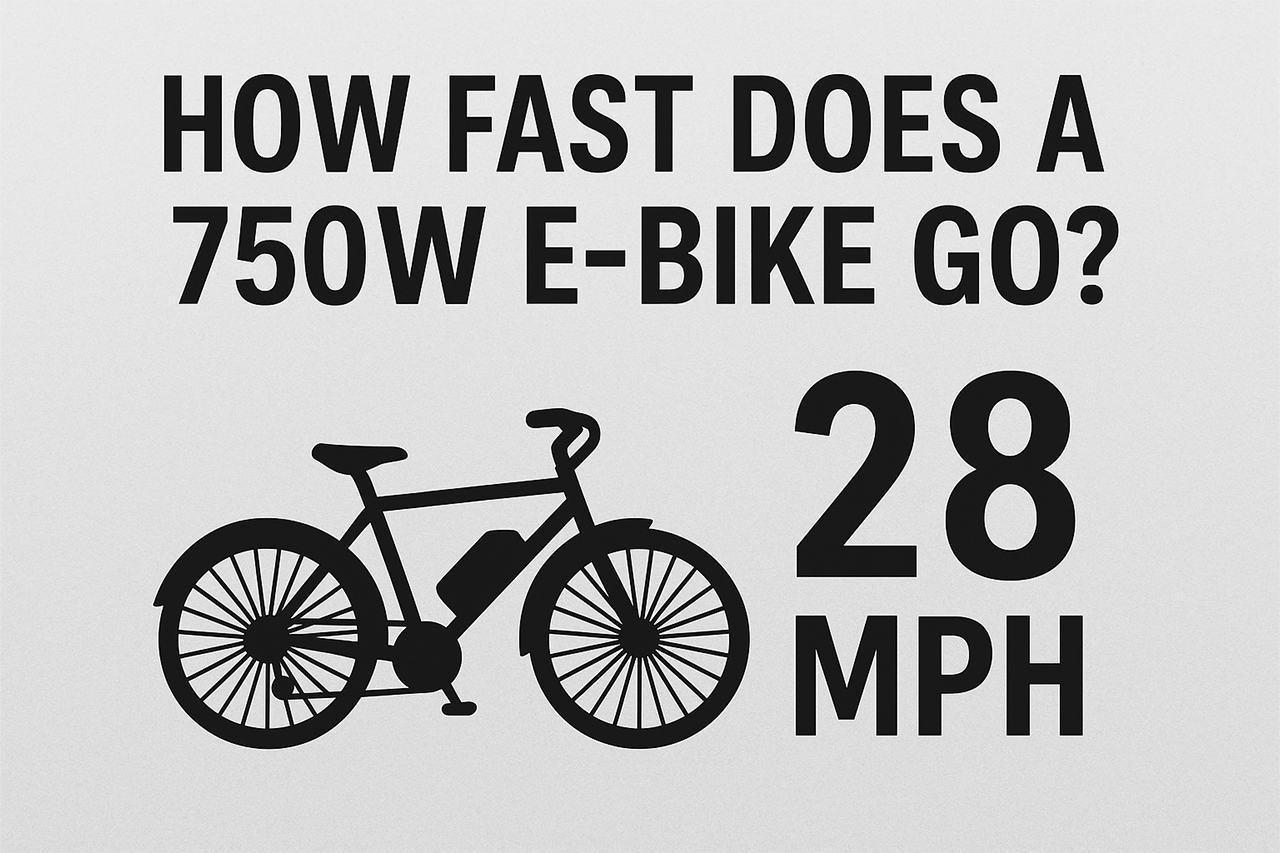
The motor is the core of an electric bike, significantly affecting its speed capabilities. More powerful motors typically result in faster speeds, but they may also consume more battery power. Motors are usually rated in watts; for example, a 250-watt motor can reach speeds of 15-20 mph, while a 750-watt motor can exceed 28 mph. The design of the motor also matters. Hub motors provide direct power from the wheel, while mid-drive motors offer better weight distribution and efficiency, impacting both speed and overall performance.
Credit: goebikelife.com
Legal Speed Limits
In the U.S., electric bikes are subject to specific speed limits defined by law. Generally, e-bikes are categorized into three classes based on their speed and motor assistance. Class 1 and Class 2 e-bikes can reach speeds of up to 20 mph, while Class 3 e-bikes can go up to 28 mph. It’s essential to be aware of local regulations regarding e-bike speeds to ensure compliance and safe riding.
Q: How fast can an electric bike go?
Electric bikes can typically reach speeds between 15 to 28 mph, depending on the motor power and design. Some high-performance models can go even faster.
Q: What affects the speed of an electric bike?
Speed is influenced by factors such as terrain, rider weight, motor power, and wind resistance. Proper tire pressure also plays a role in optimizing speed. According to Mayo Clinic fitness guide, this is important for athletes.
Q: Are electric bikes faster than regular bikes?
Yes, electric bikes can be faster than traditional bikes, especially on flat terrain, due to the assistance provided by their electric motors.
Q: What is the fastest electric bike available?
The fastest electric bikes can exceed speeds of 40 mph, with models designed for racing or high-performance riding. Researching specific brands can help you find top-speed options.
Q: How can I increase my electric bike speed?
To increase speed, ensure your bike is well-maintained, check tire pressure, and consider upgrading to a more powerful motor. Riding on flat terrain also helps maximize speed.
Q: What is the top speed of electric bikes?
The top speed of most electric bikes is capped at 28 mph for Class 3 models, but some high-performance bikes can go beyond this limit.
Q: Are there speed limits for electric bikes?
Yes, electric bikes have speed limits defined by law, typically ranging from 20 to 28 mph, depending on the bike class. Always check local regulations.
Q: Can I ride an electric bike without a license?
In most states, you do not need a license to ride an electric bike, but regulations can vary. Always check your local laws to be sure.
In summary, electric bikes offer an exciting blend of speed and sustainability, making them an excellent choice for commuters and recreational riders alike. By understanding the factors that influence speed and the legal limits in your area, you can make an informed decision about your next e-bike purchase. Whether you’re looking for the fastest electric bike or simply want to enjoy a leisurely ride, there’s an e-bike out there for you. For more information, check out our articles on how fast can electric bikes go, the fastest electric bike you can buy, and how far can an electric bike go.