

Imagine cruising effortlessly through scenic trails or zipping past traffic on your way to work, all while barely breaking a sweat. Electric bikes are transforming the way you travel, offering a perfect blend of exercise and convenience.
But here’s the big question: just how far can you go on an electric bike? Whether you’re planning a weekend adventure or a daily commute, understanding the range of your e-bike is crucial. You want to maximize your ride without the dreaded fear of running out of battery.
You’ll discover the factors that influence your e-bike’s range and learn how to make the most of every charge. Get ready to unlock the full potential of your electric bike and explore like never before!
Battery Capacity And Range
Battery capacity greatly influences the distance an electric bike can cover. Larger batteries offer extended ranges, perfect for long rides. Efficient energy use and terrain also affect how far you can go.
Understanding the battery capacity and range of an electric bike is crucial for maximizing your riding experience. Whether you’re commuting daily or exploring scenic trails, knowing how far you can travel on a single charge allows you to plan your rides effectively. Let’s dive into the key factors that determine how far you can go on your electric bike.Influence Of Battery Size
The size of your battery directly affects the distance you can cover. Larger batteries, measured in watt-hours (Wh), typically offer more range. A 500Wh battery will generally take you farther than a 300Wh battery. Think of battery size as your bike’s energy tank. With a bigger tank, you can ride longer without needing a recharge. However, larger batteries are usually heavier and might increase the bike’s overall weight, impacting handling. Choose a battery size that matches your typical riding needs. If you’re frequently tackling long distances, investing in a larger battery might be wise.Impact Of Terrain On Range
The type of terrain you ride on significantly influences your electric bike’s range. Flat, smooth surfaces allow for a more efficient use of battery power, extending your ride. Hilly or uneven terrain demands more energy, reducing the overall range. Riding uphill requires additional power, and you might find your battery draining faster than expected. Consider your route when estimating range. Are you mostly on paved roads or navigating challenging trails? Adjusting your expectations based on terrain will ensure you don’t run out of battery mid-ride.Role Of Pedal Assist
Pedal assist can be a game-changer in determining your bike’s range. By providing additional power as you pedal, it helps you cover more ground with less battery consumption. The level of pedal assist you use directly impacts battery life. Using higher levels of assistance may reduce your range, while lower levels can extend it. Experiment with different levels to find a balance that suits your riding style. Are you looking for a leisurely ride or a more intense workout? Adjusting pedal assist accordingly will optimize your battery usage and enhance your overall experience. In exploring these factors, how do you plan to maximize your electric bike’s range? Consider your battery size, terrain, and pedal assist levels to tailor your rides for maximum efficiency.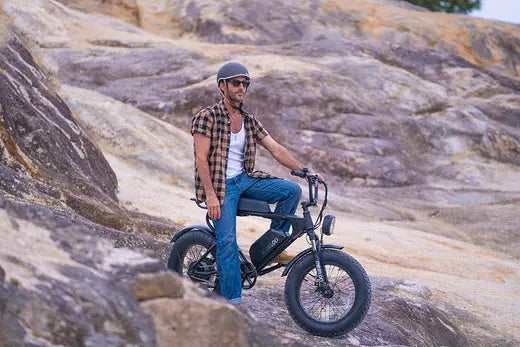
Credit: meelod.com
Terrain And Environmental Factors
Terrain and Environmental Factors Electric bike range varies with terrain and weather. Hills drain batteries faster than flat roads. Wind and temperature also affect performance.
Understanding how far you can go on an electric bike is more than just a question of battery life and speed. Terrain and environmental factors play a significant role in determining your e-bike’s range. These elements can be both predictable and unexpected, influencing your journey in ways you might not expect.Hills And Inclines
Tackling hills and inclines can dramatically affect your e-bike’s performance. Riding uphill requires more energy, which can deplete your battery faster than cruising on flat terrain. If you frequently navigate hilly areas, consider an e-bike with a powerful motor and higher battery capacity. Think about your route choices. Can you find a less steep path, or is the direct hill climb unavoidable? This decision can make a difference in how far you can travel on a single charge.Weather Conditions
Weather conditions are another factor that can influence your e-bike range. Cold temperatures can reduce battery efficiency, while wind resistance can demand more power from your motor. Riding in rain or snow might not just shorten your ride but also affect road safety. Always check the weather forecast before heading out and dress appropriately to protect yourself and your e-bike.Road Surface And Quality
The quality of the roads you travel on is crucial. Smooth, paved roads allow for a steady ride, helping to conserve battery life. Conversely, rough or uneven surfaces can increase resistance and thus require more power. Do you often ride on gravel paths or poorly maintained roads? If so, you might find your battery running out sooner than expected. Opt for routes with better surfaces whenever possible to maximize your range. Understanding these terrain and environmental factors can help you plan your rides more effectively. What adjustments can you make to get the most out of your e-bike? Consider these insights as you map your next adventure.Rider’s Influence On Distance
Electric bikes offer a convenient way to travel long distances. But the rider’s influence on distance is significant. Factors like weight, riding style, fitness level, and speed play crucial roles. Understanding these can help maximize your e-bike’s potential. Let’s dive into how these elements affect your journey.
Weight And Riding Style
The rider’s weight impacts battery life and distance. A heavier rider may experience reduced range. Riding style also matters. Aggressive riders drain batteries faster. Smooth and steady riding conserves energy. Choose a balanced approach for optimal distance.
Fitness Level And Effort
Fitness level affects how far you can travel. A fit rider can pedal longer, extending the bike’s range. Effort exerted makes a difference too. Pedal harder to cover more ground. Less reliance on the motor equals more miles.
Optimal Speed For Efficiency
Speed impacts battery consumption. Riding too fast drains the battery quickly. Find an optimal speed for efficiency. Slow and steady wins the race. This approach maximizes distance without exhausting the battery.
Credit: rectrix.io
Maintenance And Care
Proper maintenance ensures your electric bike’s longevity and performance. Regular checks on battery health and tire pressure can maximize your riding range. Cleaning and lubricating the chain helps prevent wear and tear, keeping your bike in top condition for longer journeys.
Owning an electric bike is not just about enjoying the ride; it’s also about ensuring that your e-bike remains in top condition for every journey. Proper maintenance and care are crucial for maximizing the distance you can travel on a single charge. A well-maintained e-bike not only enhances your riding experience but also extends the bike’s lifespan, ensuring you get the most out of your investment. Let’s explore some practical tips on how to keep your e-bike in excellent shape.Battery Maintenance Tips
Your e-bike’s battery is its heart. Keeping it healthy is key to longer rides. Always charge your battery in a cool, dry place and avoid letting it drain completely before recharging. This preserves battery life and ensures consistent performance. Consider investing in a quality charger. Cheap chargers can overheat and damage your battery, reducing its lifespan. Regularly inspect your battery for any signs of wear or damage. If you notice anything unusual, consult a professional.Tire Pressure And Condition
Tire pressure can greatly influence your e-bike’s range. Under-inflated tires create more friction, which can drain your battery faster. Check your tire pressure at least once a week and adjust it according to the manufacturer’s recommendations. Examine your tires for any cuts, punctures, or wear. Riding on damaged tires can be dangerous and inefficient. Replace them if necessary to ensure a safe and smooth ride.Regular Servicing And Checks
Regular servicing is the backbone of e-bike maintenance. Schedule check-ups with a professional to ensure all components are functioning correctly. This includes brakes, gears, and the motor. Perform basic checks yourself, such as ensuring all bolts are tight and lubricating moving parts. This not only prevents potential issues but also enhances your bike’s performance. How often do you service your e-bike? Regular attention can make a significant difference in how far you can go, both in distance and longevity. Prioritize maintenance and enjoy every ride to the fullest!Technology And Innovations
Electric bikes are changing the way we travel. They offer a clean and efficient way to get around. But how far can you really go on one? Thanks to technology and innovations, electric bikes can go farther than ever before. Let’s explore the key areas making this possible.
Advancements In Battery Tech
Battery technology has come a long way. Today’s batteries are lighter and hold more charge. Lithium-ion batteries power most electric bikes. They are durable and charge quickly. This means you can travel longer distances without worry. Some bikes even offer swappable batteries. This allows you to extend your trip by carrying an extra.
Enhanced Motor Efficiency
Motors in electric bikes are more efficient now. They use less power to give more speed and distance. Brushless motors are common. They require less maintenance and offer smooth rides. This efficiency helps in climbing hills and riding long distances. The improved performance makes electric bikes a reliable option for daily use.
Smart Features For Monitoring
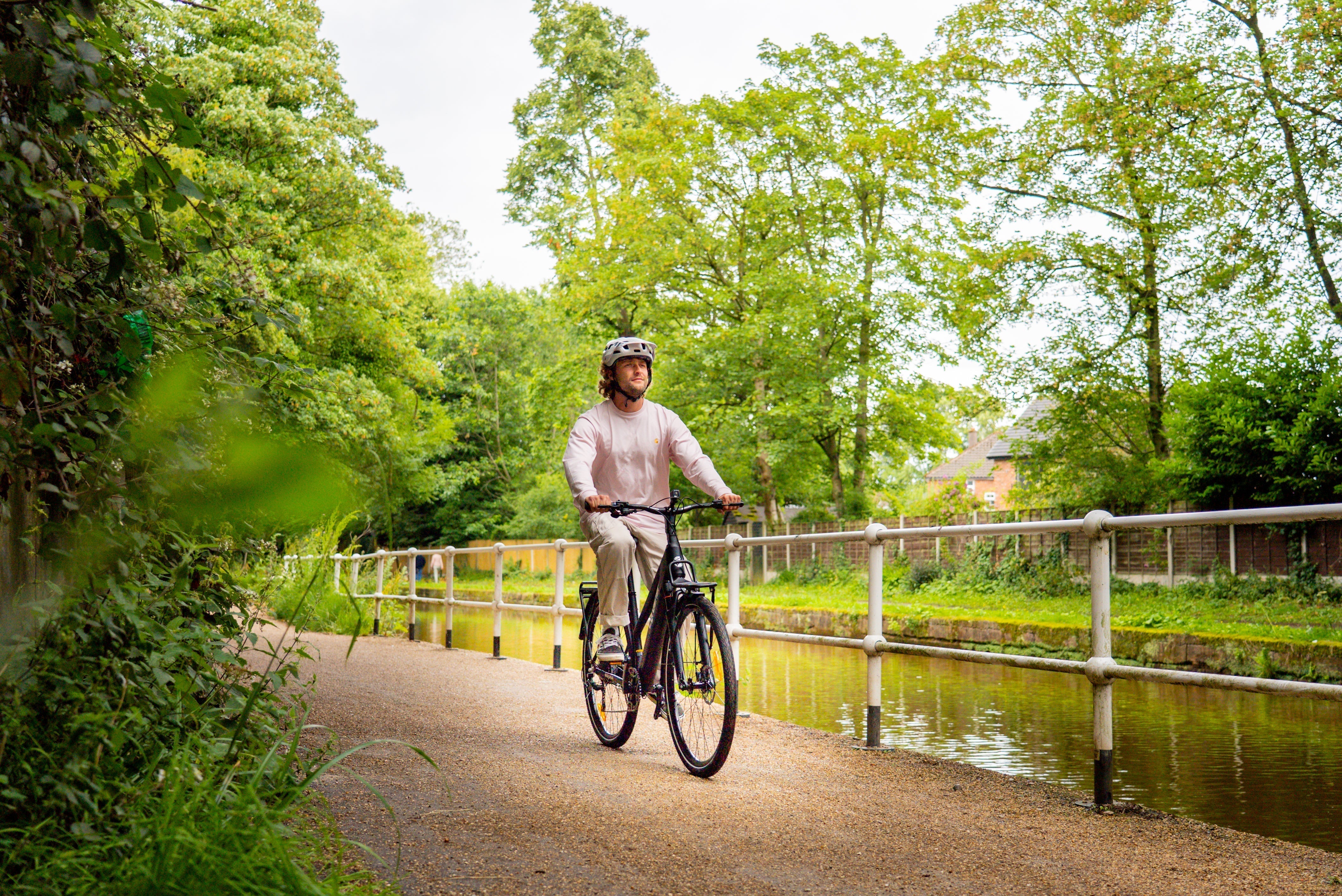
Modern electric bikes come with smart features. These include GPS and mobile apps. They help you monitor battery life and distance traveled. Some even offer route planning. This ensures you never run out of charge mid-journey. These tools make riding an electric bike easy and stress-free.
Credit: www.cyrusher.com
Planning Longer Trips
Explore how far you can travel on an electric bike for longer trips. Battery life, terrain, and speed affect distance. Adjust your journey plans accordingly to enjoy a smooth ride.
Planning longer trips on an electric bike can be thrilling. These bikes make exploring new places easy and fun. Knowing how far you can travel is crucial for a smooth journey. With proper planning, you can maximize your bike’s range and enjoy a seamless ride.Route Planning Strategies
Careful route planning is essential. Choose paths that match your bike’s battery life. Flat terrains often use less energy than hilly ones. Use online maps to find bike-friendly routes. Consider paths with scenic views to enhance your experience. Avoid routes with heavy traffic for safety and efficiency.Charging Stations And Options
Locate charging stations along your route. Many places now offer electric bike charging. This ensures you won’t run out of power midway. Research available charging facilities before starting. Carry a portable charger if possible. This provides flexibility for unexpected detours. Some stations offer fast charging, saving you time.Emergency Preparedness
Being prepared for emergencies is vital. Carry basic repair tools and a spare battery. Know the nearest repair shops along your route. Keep a list of emergency contacts. Pack a first aid kit. These precautions ensure you’re ready for any situation. Familiarize yourself with your bike’s manual for quick troubleshooting.Frequently Asked Questions
How Far Can An Electric Bike Go On One Charge?
An electric bike can typically travel 20 to 100 miles on a single charge. Range varies based on battery capacity, terrain, and rider weight. Check the manufacturer’s specifications for exact details. Regular maintenance and proper battery care can enhance performance and extend the bike’s range.
Do Electric Bikes Charge When You Pedal?
Electric bikes typically do not charge while you pedal. Some models with regenerative braking can recharge slightly during downhill rides. Most electric bikes rely on external charging from a power outlet. Always check your bike’s specifications to understand its charging capabilities.
Do You Need A License For An Electric Bike?
Most countries don’t require a license for electric bikes if their speed is under 20 mph. Always check local regulations.
How Far Will An Electric Bike Go Without Pedaling?
An electric bike can travel 20-50 miles without pedaling, depending on battery capacity, terrain, and rider weight. Battery efficiency and speed also affect distance. Always check the manufacturer’s specifications for accurate range details.
Conclusion
Electric bikes offer exciting possibilities for travel. They combine convenience with eco-friendly benefits. Riders can explore longer distances without tiring. Battery life is key; it affects how far you can go. Regular maintenance ensures smooth rides and longevity. Consider terrain and riding habits for best performance.
Enjoy the freedom an electric bike provides. Whether commuting or leisure riding, they fit diverse needs. Choose wisely based on features and budget. Experience the joy of cycling with ease. Electric bikes are a practical choice for many. Discover your adventure today.