
Imagine this: You’ve just bought a new pair of running shoes. They’re comfortable, stylish, and ready to hit the pavement.
But then, a friend invites you to play tennis this weekend. Now, you’re wondering if your running shoes can double up for a tennis match. You’re not alone in this dilemma. Many face this same question, and understanding the difference could enhance your performance and prevent injuries.
Before you step onto the court, let’s dive into the reasons why choosing the right footwear matters. This could be the game-changer you didn’t know you needed.
Differences Between Running And Tennis Shoes
Choosing the right footwear can significantly impact your performance, whether you’re running a marathon or playing a heated game of tennis. While both sports demand agility and speed, the footwear designed for each has distinct features tailored to their specific needs. Understanding these differences can help you make an informed decision next time you’re gearing up for a workout or match.
Design And Structure
Running shoes are often lightweight and streamlined, designed to support forward motion. They typically feature a breathable upper to keep your feet cool during long runs. In contrast, tennis shoes are built to withstand lateral movements, with reinforced sides for stability. They may feel heavier due to added support and durability, essential for quick pivots and sudden stops on the court.
Sole And Traction
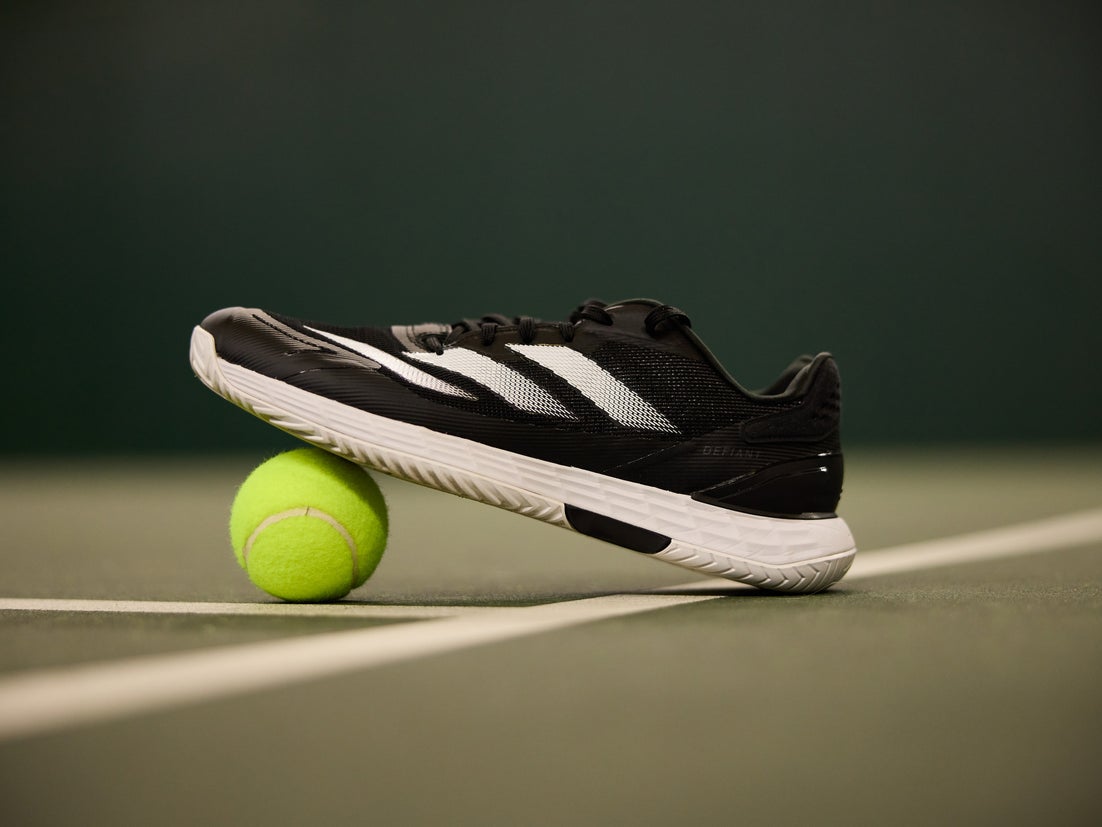
The sole of a running shoe is typically smooth with grooves that provide traction on roads or tracks. They are optimized for repetitive forward movement. Tennis shoes, however, feature a more intricate tread pattern, designed to grip various court surfaces. Whether clay, grass, or hard court, the traction helps you maintain control during quick directional changes. Have you ever tried a sudden stop in running shoes on a tennis court? It might feel slippery!
Cushioning And Support
Running shoes prioritize cushioning, especially in the heel area, to absorb impact with each step. This design supports repetitive heel-to-toe movement. Tennis shoes, on the other hand, distribute cushioning more evenly across the sole. This provides balanced support for multidirectional movements, reducing the risk of injury during intense lateral play. Imagine playing a vigorous match without proper support—it could lead to discomfort or even injury.
So, can you use running shoes for tennis? While it’s possible, understanding these differences might convince you to invest in sport-specific shoes for optimal performance and safety. What do you think? Would you gamble with your foot comfort on the court?
Impact On Performance
Running shoes can affect your tennis game. They lack lateral support, which is crucial for quick side movements. Using them might lead to discomfort or injury, impacting performance on the court.
The type of shoes you wear can impact your tennis performance. Running shoes and tennis shoes serve different purposes. Understanding the effects on movement and agility, stability, and balance can help you choose wisely.Movement And Agility
Running shoes are designed for forward motion. They excel in straight-line speed. Tennis, on the other hand, requires quick lateral movements. Side-to-side agility is crucial. Running shoes lack the necessary lateral support. This can hinder swift direction changes. Tennis shoes have specially designed soles. They provide better grip on the court. This enhances agility and quickness.Stability And Balance
Stability is vital in tennis. Running shoes offer cushioning for impact absorption. Yet, they often have a higher heel drop. This can affect balance during tennis play. Tennis shoes are designed with a lower profile. They offer a stable base for various movements. This helps maintain balance during rapid stops and starts. Proper footwear ensures better stability on the court.Potential Risks Of Using Running Shoes
Running shoes are crafted for forward motion, supporting runners’ stride. Tennis demands lateral movement, quick direction changes, and stability. Using running shoes for tennis may pose risks, affecting your game and health.
Injury Concerns
Running shoes lack lateral support, increasing the risk of ankle sprains. Tennis involves sudden stops and starts, requiring firm grip and stability. Without proper footwear, injuries become more likely.
Durability Issues
Running shoes are not made for tennis court surfaces. Constant movement and friction wear them out faster. This leads to a decrease in performance and comfort during play.

Credit: www.self.com
Expert Opinions
When deciding whether to use running shoes for tennis, expert opinions vary. Some believe it’s possible, while others suggest caution. Let’s explore what sports scientists and professional players have to say.
Sports Scientist Perspectives
Sports scientists focus on the design of running and tennis shoes. Running shoes are crafted for forward motion. They provide cushioning and support for this movement. Tennis shoes, on the other hand, are made for lateral movements. These include side-to-side and quick stops. Scientists advise that using running shoes for tennis might increase injury risk. The lack of lateral support can lead to ankle issues.
Professional Player Insights
Professional tennis players often have strong opinions. Many agree that tennis shoes offer better performance on the court. They share experiences of better grip and stability. These elements are crucial during intense matches. Some players have tried running shoes for tennis. They report that it impacts their game negatively. The difference in shoe design affects their movement and footwork.
When It Might Be Acceptable
Using running shoes for tennis isn’t ideal, but there are scenarios where it might be acceptable. Understanding when you can temporarily swap your tennis shoes for running shoes can save you time, money, and hassle. Before you lace up, let’s explore when this substitution might be suitable.
Casual Play Considerations
If you’re engaging in casual tennis play, running shoes might just do the trick. Consider a friendly match with family or a laid-back game at the park. In these settings, the high-intensity lateral movements typical in competitive tennis are less common.
Running shoes offer enough cushioning and support for light, leisurely games. They can be a practical choice for those who occasionally dabble in tennis without the commitment to invest in specialized footwear.
Temporary Solutions
Have you ever been ready for a tennis game only to realize you’ve forgotten your tennis shoes? In such cases, running shoes can serve as an emergency solution. They provide the necessary grip and comfort for a quick game.
However, it’s crucial to be cautious. Avoid high-stress movements and sudden stops that could strain your shoes or your ankles. Think of this as a stop-gap rather than a permanent fix.
When using running shoes temporarily, consider the court surface. Hard courts are more forgiving, whereas clay might demand more specialized footwear. This insight can help you make a more informed decision on the fly.
Credit: www.tennis-warehouse.com
Choosing The Right Footwear For Tennis
Tennis and running require different movements. Each demands specific footwear. Running shoes provide cushioning for forward motion. Tennis shoes offer stability for side-to-side movements. Choosing the right footwear for tennis is crucial. It can affect your game performance and foot health.
Key Features To Look For
Tennis shoes have unique features. They ensure comfort and support during play. Look for durable soles. Tennis involves quick stops and starts. A strong sole withstands this stress. Check for lateral support. This keeps your foot stable during side movements. Good cushioning is essential. It absorbs shock and reduces injury risk. Breathability is another factor. It keeps your feet cool and dry during intense matches.
Top Tennis Shoe Brands
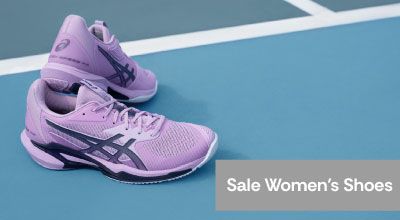
Several brands excel in tennis footwear. Nike is a popular choice. They offer a range of styles for different courts. Adidas is known for its comfort and design. Their shoes provide excellent grip and support. Asics is favored for its cushioning technology. It suits players who need extra support. New Balance offers a variety of widths. This ensures a perfect fit for every foot type. Lastly, Babolat focuses on durability and performance. Their shoes are great for frequent players.
Credit: www.midwestracquetsports.com
Frequently Asked Questions
Is There A Difference Between Running And Tennis Shoes?
Yes, running and tennis shoes differ. Running shoes offer cushioning and support for forward motion. Tennis shoes provide lateral support and stability for quick side-to-side movements. The sole of tennis shoes is also designed for court surfaces, unlike running shoes which focus on impact absorption and traction.
What Qualifies As Tennis Shoes?
Tennis shoes feature non-marking rubber soles, lateral support, and cushioning for quick movements. They’re designed for court traction and stability. These shoes differ from regular sneakers by offering enhanced ankle support and durability. Choosing shoes with breathable materials ensures comfort during play.
Tennis shoes cater to various court surfaces and playing styles.
What Shoes Can You Not Wear On A Tennis Court?
Avoid wearing running shoes on a tennis court. Their soles can damage the surface. Basketball shoes, with their high tops, restrict ankle movement. Cross trainers lack proper lateral support for tennis movements. Always choose tennis-specific shoes for optimal performance and court preservation.
Can Nike Running Shoes Be Used For Tennis?
Nike running shoes are not ideal for tennis. They lack lateral support and durability needed on tennis courts. Tennis-specific shoes offer better grip and stability. Using running shoes for tennis can lead to discomfort or injury. Consider investing in proper tennis shoes for optimal performance and safety on the court.
Conclusion
Choosing the right shoes for tennis is crucial. Running shoes may seem fine. But they lack tennis-specific features. Tennis demands lateral movement. Running shoes focus on forward motion. This difference matters for comfort and safety. Tennis shoes provide better support.
They reduce injury risks on the court. So, consider investing in tennis shoes. Your feet will thank you. Enjoy the game without discomfort or worry. Proper gear enhances performance. It keeps you safe. Make smart choices for your sport. Tennis deserves the right shoes.
Keep this in mind next time you play.