
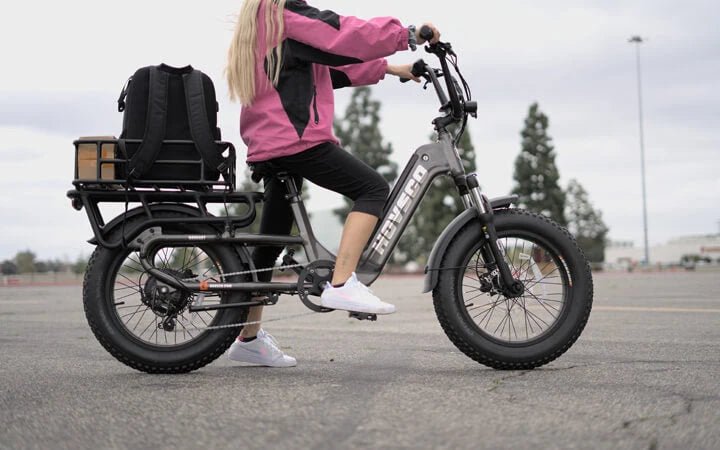
With the surge in popularity of e-bikes, many are asking: can you drive an e-bike on the road? This question is crucial for potential buyers and current riders alike, as understanding the legal landscape can enhance your riding experience and ensure your safety.
In this article, we will explore the legality of riding e-bikes on public roads, the varying regulations across states, and what you need to know to ride safely and legally. Whether you’re considering purchasing an e-bike or just curious about the rules, this guide will provide valuable insights.
E-Bike Basics
E-bikes, or electric bikes, combine traditional cycling with electric power, making them an appealing option for commuters and recreational riders. Understanding the different types of e-bikes and their features can help you choose the right one for road use.
Types of E-Bikes
There are several types of e-bikes, each designed for specific purposes:
- City E-Bikes: Perfect for urban commuting, these bikes are comfortable and easy to navigate through traffic.
- Mountain E-Bikes: Built for off-road adventures, these bikes feature sturdy frames and robust tires.
- Folding E-Bikes: Ideal for those with limited storage space, these bikes are portable and convenient.
- Hybrid E-Bikes: A versatile option that combines features of both city and mountain bikes, suitable for various terrains.
Key Features and Specifications
When selecting an e-bike, consider the following specifications:
- Battery: A higher capacity battery allows for longer rides without needing a recharge.
- Motor: The motor’s wattage determines the bike’s power and performance.
- Frame: Choose a frame that suits your riding style and durability needs.
- Brakes: Safety is paramount; disc brakes typically offer better stopping power.

Credit: ride1up.com
Road Regulations
Whether you can drive an e-bike on the road largely depends on local laws. Many states allow e-bikes on public roads, but they come with specific regulations. Riders are often required to adhere to bike lane rules, wear helmets, and follow traffic signals.
Understanding e-bike road laws is essential for a safe riding experience. Here’s a breakdown of common regulations:
- Most states classify e-bikes into different classes based on their speed and power, which affects where they can be ridden.
- Some areas may restrict e-bikes from certain paths or trails, so it’s important to check local regulations.
- Riders may need to register their e-bikes or obtain insurance, depending on state laws.
Frequently Asked Questions
Q: Are e-bikes allowed on the road?
Yes, in most states, e-bikes are allowed on public roads, but specific regulations may vary. Always check local laws to ensure compliance.
Q: Do you need a license for an e-bike?
Generally, you do not need a license to ride an e-bike, but some states may have specific requirements based on the e-bike class. Always verify local regulations.
Q: What are the speed limits for e-bikes on roads?
Speed limits for e-bikes can vary by state and local jurisdiction. Typically, e-bikes are limited to speeds of 20-28 mph, depending on their classification. According to Mayo Clinic fitness guide, this is important for athletes.
Q: Can you ride an e-bike on the sidewalk?
Sidewalk riding regulations differ by location. In many areas, riding on the sidewalk is prohibited for e-bikes, while some places allow it. Always check local laws.
Q: What are the laws for riding an e-bike on the road?
Laws vary by state, but generally, e-bike riders must follow traffic rules, use bike lanes where available, and may need to wear helmets.
Q: Can you ride an electric bike on public roads?
Yes, electric bikes can typically be ridden on public roads, but riders must adhere to local traffic laws and regulations.
Q: What are e-bike road usage regulations by state?
Each state has its own regulations regarding e-bike usage, including classifications and where they can be ridden. It’s essential to research your state’s laws.
Q: How to legally ride an e-bike on the road?
To ride legally, ensure you understand your state’s e-bike classifications, follow traffic laws, and use appropriate safety gear like helmets.
Conclusion
Riding an e-bike on the road can be a thrilling and eco-friendly alternative to traditional commuting. However, understanding the legal requirements and regulations is crucial for a safe experience. By familiarizing yourself with local laws and ensuring you have the right equipment, you can enjoy the freedom of the road while riding your e-bike. For more information on related topics, check out our articles on dirt bike road legality, e-bike speed limits, and mountain bike tire compatibility.