
When it comes to sports, the right gear can make all the difference. Imagine yourself standing in front of your closet, eyeing your trusty soccer cleats.
You’re about to head out for a football game, and a thought crosses your mind: “Can I wear soccer cleats for football? ” It’s a question many athletes ponder, and it might just be the game-changer you’ve been searching for.
We’re diving into the world of athletic footwear to uncover whether soccer cleats can truly give you an edge on the football field. You’ll discover the surprising similarities and key differences between these two types of cleats, and how they can affect your performance. Are you ready to explore this intriguing possibility and potentially elevate your game? Keep reading to find out everything you need to know before you lace up those cleats.

Credit: www.amazon.com
Soccer Cleats Vs. Football Boots
Soccer cleats can be worn for football, but they differ in design and traction. Soccer cleats are lighter and have less ankle support, while football boots offer more protection and grip for tackling. Always consider the playing surface and level of support needed before choosing.
In the world of sports footwear, soccer cleats and football boots serve distinct purposes. Many athletes wonder if they can interchange these shoes. Understanding the differences helps in making the right choice.Key Differences In Design
Soccer cleats focus on agility and speed. They have a low-cut design for better ankle movement. The studs are shorter, giving optimal grip on grass surfaces. Football boots, on the other hand, emphasize protection. They often feature a higher cut to support the ankle. Their design considers sudden stops and starts on varied surfaces.Material And Construction Variations
Soccer cleats use lightweight materials. Leather and synthetic materials are common. This helps players maintain speed and control. Football boots use sturdier materials. They often have reinforced areas to protect the foot. This is crucial for tackling and physical contact. Both shoe types prioritize durability and performance. Yet, their construction serves different needs on the field.Performance Impact
Wearing soccer cleats for football can affect your performance. Soccer cleats offer less ankle support and grip. This might impact your agility and stability on the football field. Choose appropriate footwear to ensure optimal performance and safety during the game.
The performance impact of wearing soccer cleats for football can vary. Soccer cleats might seem similar to football cleats, but they have distinct design differences. These differences affect traction, grip, agility, and speed on the football field. Understanding these factors helps in making an informed decision.Traction And Grip
Soccer cleats have a different stud pattern. They provide excellent traction on grass. But football requires quick stops and starts. Soccer cleats may not offer the same grip on a football field. Football cleats are designed for this specific need. They have longer and sturdier studs. This ensures better grip on a football field. Wearing soccer cleats might lead to slipping during sudden movements.Agility And Speed
Soccer cleats are lighter. This enhances speed and swift movement on the field. Football cleats offer more support for lateral movements. Soccer cleats might not provide the same level of support. This can affect agility during a football game. The lighter design of soccer cleats can increase speed. But at the cost of stability in directional changes. Football demands quick directional changes. Soccer cleats may not perform optimally in such situations.Safety Considerations
When considering whether to wear soccer cleats for football, safety should be your top priority. While the idea might seem convenient, understanding the potential risks and regulations is crucial. Let’s delve into the specifics that could impact your game and your health.
Injury Risks
Soccer cleats are designed for traction on grass surfaces, but football involves different movements and field conditions. Wearing soccer cleats for football might not provide the necessary ankle support, increasing the risk of sprains and twists.
Think about the aggressive tackles and quick direction changes in football. Soccer cleats may not handle these dynamics well, potentially leading to slips and falls. Are you willing to compromise your safety for convenience?
Regulations And Compliance
Before stepping onto the football field in soccer cleats, check your league’s equipment regulations. Many football leagues have strict rules about footwear to ensure player safety.
Using non-compliant gear could disqualify you from games or lead to penalties. Would it be worth risking your spot on the team for a pair of cleats?
Furthermore, different leagues have varying standards. Always confirm with your coach or league representative to avoid any surprises.
Expert Opinions
Many athletes wonder about using soccer cleats for football. Expert opinions vary on this topic. Let’s explore insights from professionals and coaches.
Professional Player Insights
Professional players often have strong opinions on footwear. Soccer cleats offer agility and speed. Some players appreciate these qualities for football. They enjoy the lightweight design. Yet, they also note differences. Football demands more protection and support. Soccer cleats might lack these features.
Athletes stress the importance of fit. The right fit reduces injury risk. Soccer cleats may not suit all foot shapes. They also emphasize playing style. Some football positions need more grip. Soccer cleats might not provide enough traction.
Coach Perspectives
Coaches focus on performance and safety. They understand the importance of proper footwear. Many advise against using soccer cleats for football. The main concern is protection. Football involves more physical contact. Soccer cleats offer less ankle support.
Coaches also consider field conditions. Football fields differ from soccer pitches. Soccer cleats may not handle wet or muddy conditions well. Coaches recommend cleats designed for specific sports. This ensures better performance and safety.
Alternative Footwear Options
Wearing soccer cleats for football may not be the best fit. Different sports need different footwear for safety and performance. But, you have other options. These alternatives can provide the grip and comfort needed for football. Let’s explore some of these options.
Hybrid Cleats
Hybrid cleats offer a versatile choice. They combine features of soccer and football cleats. These cleats provide good traction on grass and turf. They have a mix of stud shapes and sizes. This design helps in quick movements and stability. Hybrid cleats are great for players active in both sports. They provide flexibility without buying two pairs of cleats.
Customized Solutions
Customized cleats are tailored for your specific needs. They offer a perfect fit and comfort. You can adjust the stud length and pattern. This customization ensures better grip on the playing surface. Some brands allow personal design choices. Customization might cost more, but it enhances performance and reduces injury risk.

Credit: www.sbnation.com
Making The Right Choice
Choosing the right footwear is crucial for comfort and performance. Soccer cleats can be used for football, but they may lack the necessary grip and protection. Always consider the sport-specific requirements before making a decision.
Choosing the right footwear for sports can be tricky, especially when considering whether soccer cleats can be used for football. Although both sports demand agility and speed, the differences in field conditions, rules, and movement patterns play a crucial role in this decision. Your choice should be informed by a blend of personal needs and expert tips to ensure optimal performance and safety.Assessing Personal Needs
Understanding your individual requirements is the first step in making the right choice. Consider the level of play and frequency of your football sessions. Are you playing casually with friends or in competitive leagues? Think about your playing style. If you rely heavily on speed and quick turns, cleats designed for these movements might benefit you. However, if your role in the game involves more tackling and physical engagement, football-specific cleats might be more suitable. Evaluate your comfort preferences. Soccer cleats are typically lighter and offer a snug fit, whereas football cleats provide more ankle support and cushioning. Which aspect is more critical for your playing comfort?Tips For Optimal Selection
Once you’ve assessed your needs, it’s time to dive into selection tips.- Test before you invest: Try wearing soccer cleats during a casual football game to gauge comfort and performance. Notice any discomfort or lack of grip.
- Seek expert advice: Consult with sports store professionals who can provide insights on the latest designs and materials.
- Prioritize versatility: If you play both sports regularly, look for cleats that are specifically designed to cater to multi-sport use.
- Consider field conditions: Soccer cleats may perform differently on varied surfaces. Ensure your choice matches the typical field conditions you play on.
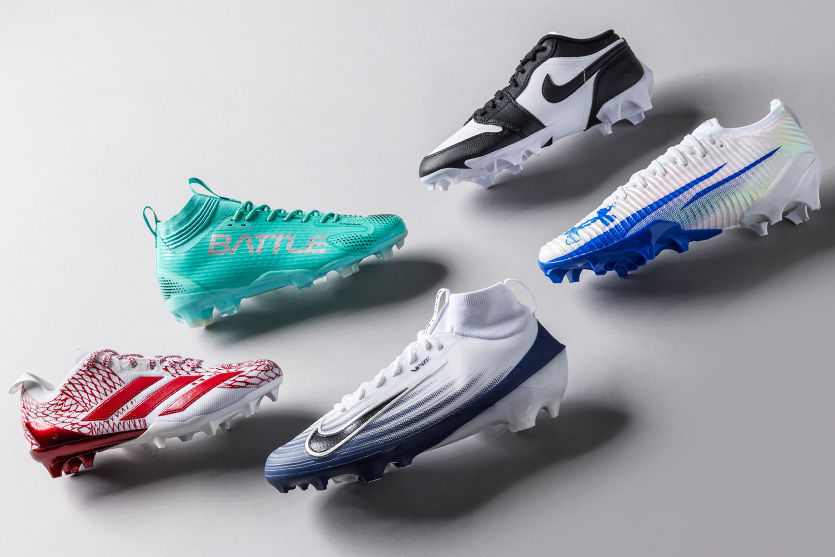
Credit: www.dickssportinggoods.com
Frequently Asked Questions
Can My Child Use Soccer Cleats For Football?
Soccer cleats can be used for football, but may lack optimal traction and protection. Football cleats offer better ankle support and grip. Always check league regulations to ensure compliance with footwear rules. Choosing appropriate cleats enhances performance and safety on the field.
Does It Matter What Cleats You Wear For Football?
Yes, the right cleats enhance performance and provide traction, stability, and safety on the football field. Choose cleats suited to the playing surface, whether grass or turf. Comfort and fit are crucial to avoid injuries. Proper cleats can improve speed, agility, and overall game quality.
Is There Any Difference Between Soccer And Football Cleats?
Yes, soccer and football cleats differ. Soccer cleats are lighter and lack a toe stud. Football cleats are heavier with a toe stud for grip. Soccer cleats offer better agility, while football cleats provide more ankle support. Each is designed to suit the specific demands of its sport.
What Kind Of Cleats Can You Wear For Football?
Wear molded, turf, or detachable cleats for football. Choose based on field type and weather conditions. Ensure proper fit for comfort and performance.
Conclusion
Choosing the right cleats matters for comfort and performance. Soccer cleats offer good grip but lack football-specific safety features. Football cleats provide better protection and stability. Soccer cleats can be worn for casual football games. For serious play, football cleats are the safer option.
Consider your playing style and field conditions. Comfort, safety, and proper fit are crucial. Always make informed decisions for your footwear needs. Your feet will thank you. Playing with confidence makes the game enjoyable. Consider your priorities, and choose wisely.