

Have you ever wondered if your trusty road running shoes can handle the rugged terrain of trail running? As you lace up and head out to explore nature’s challenging paths, it’s crucial to ensure your footwear is up to the task.
You might be tempted to use the same shoes for both road and trail running, but is that really the best choice for your feet and performance? We’ll unravel the mystery and guide you through the considerations that will help you make an informed decision.
Discover how the right pair can enhance your trail running experience, protect you from potential injuries, and boost your confidence on any path. Stay tuned to uncover the secrets of choosing the perfect footwear for your trail adventures!
Road Vs. Trail Running Shoes
Choosing between road and trail running shoes can feel like a daunting task. Each type of shoe is crafted with specific environments in mind, offering unique features that cater to different needs. Understanding these differences will help you make an informed decision, ensuring your runs are both comfortable and safe.
Design Differences
The design of road running shoes and trail running shoes varies significantly. Road running shoes often feature a smooth and lightweight construction. They are designed for speed and efficiency on paved surfaces.
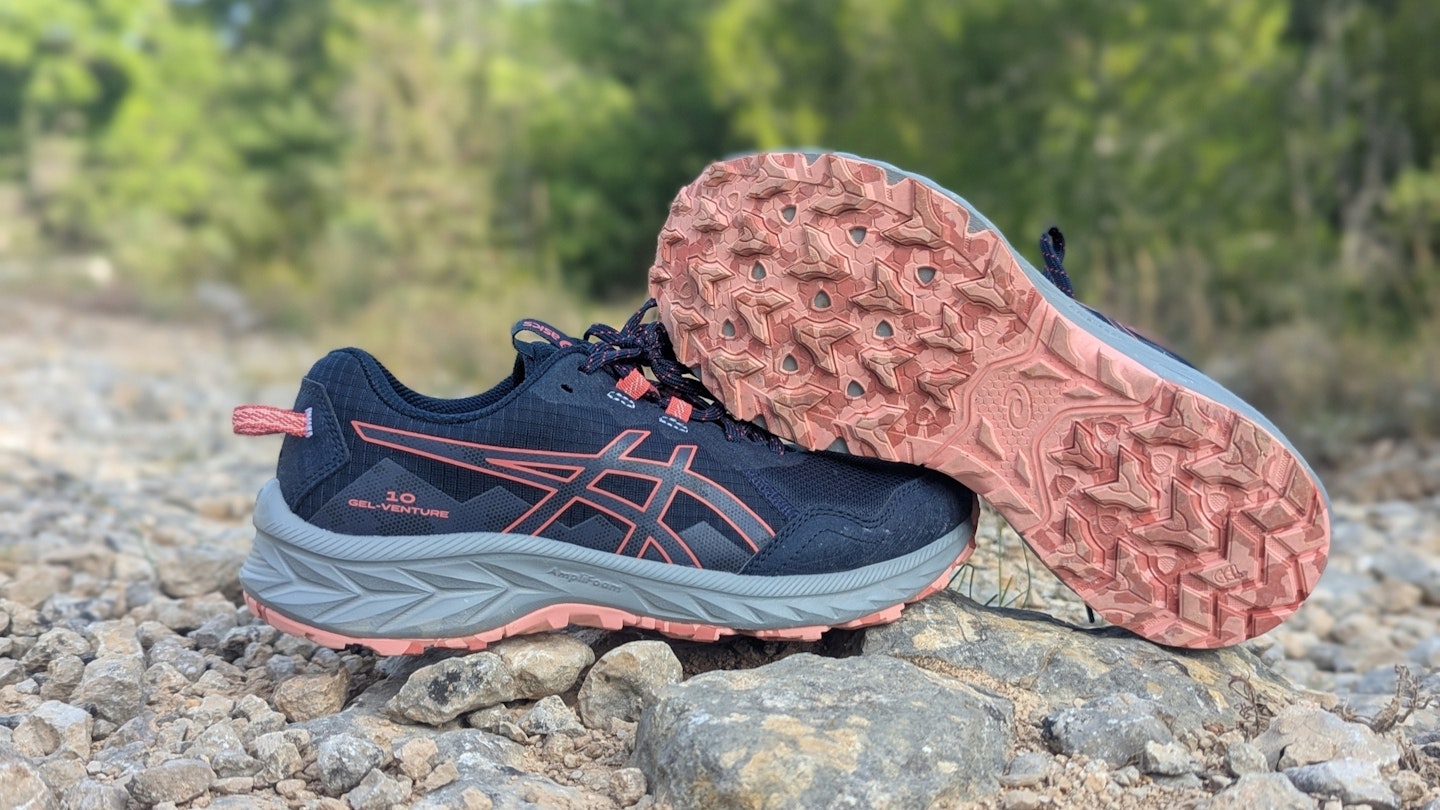
Trail running shoes, on the other hand, are built to handle rugged terrain. They come with aggressive tread patterns and reinforced uppers to protect your feet from rocks and debris. Have you ever noticed how trail shoes feel more like protective armor for your feet?
Performance Variations
The performance of these shoes can differ greatly depending on the terrain. Road shoes excel on flat and predictable surfaces, providing excellent shock absorption and energy return. They are your best bet for maintaining speed during a marathon.
Trail shoes offer superior grip and stability, essential for navigating uneven paths and slippery slopes. They are designed to keep you steady and safe in unpredictable conditions. Imagine the confidence of knowing your shoes will keep you upright on a muddy trail.
Consider your typical running environment and needs. Do you prioritize speed or stability? This will guide you in selecting the right shoe for your adventures.
Credit: www.livefortheoutdoors.com
Terrain Challenges
Running on trails offers a different experience compared to roads. Trails present unique challenges that affect your choice of footwear. Road running shoes might not be ideal for trails due to terrain differences.
Surface Impact
Trail surfaces vary from rocks to mud. They change with weather and seasons. Road shoes lack the protection and cushioning needed for rough terrains. Trails demand shoes that absorb shocks and protect feet from sharp objects. Road shoes are built for smooth surfaces like asphalt or concrete. On trails, they may not provide adequate support.
Grip And Traction Needs
Traction is crucial on trails. Slippery leaves and loose gravel require shoes with strong grip. Trail running shoes have deeper lugs for better traction. Road shoes have smoother soles, designed for flat surfaces. They struggle to maintain grip on uneven trail paths. Proper grip prevents slips and falls, keeping you safe while running.
Safety Considerations
Trail running offers a thrilling escape into nature. It requires shoes designed for rugged terrains. Road running shoes, while comfortable, might not always be the safest choice. Understanding safety considerations is crucial before hitting the trail.
Stability And Support
Trail surfaces are uneven and unpredictable. Road shoes lack the stability needed for rough paths. Their soles are designed for flat surfaces. This can lead to slips and falls on trails. Trail shoes provide better grip and support. They help maintain balance on rocky or muddy trails. Consider your safety and invest in proper footwear.
Protection From Elements
Trail running exposes your feet to various elements. Rocks, roots, and wet conditions are common. Road shoes offer minimal protection against these hazards. They lack reinforced toe caps and durable materials. Trail shoes are designed to shield your feet from sharp objects. They often have water-resistant features. This keeps your feet dry and safe from blisters. Prioritize protection to enjoy a safe trail running experience.
Expert Opinions
When considering whether to swap your road running shoes for trail running, expert opinions can provide valuable insights. By understanding perspectives from both shoe designers and trail runners, you can make an informed decision that suits your unique needs.
Insights From Shoe Designers
Shoe designers emphasize the importance of understanding the purpose behind each type of footwear. Road running shoes are designed for smooth surfaces, offering flexibility and cushioning. In contrast, trail running shoes are built with rugged terrains in mind, providing enhanced grip and protection.
One designer shared their experience of testing road shoes on trails, noting that while they performed well on hard-packed dirt, they struggled in muddy or rocky conditions. Have you ever noticed how certain shoes wear out faster in different environments? That’s why shoe designers focus on specialized features, like added toe protection and aggressive tread patterns, to cater to trail needs.
Advice From Trail Runners
Trail runners often have firsthand experience with both types of shoes. Many seasoned runners advise against using road shoes on trails, citing the lack of grip and durability. One runner recounted a personal incident where slipping on a wet trail led to a minor injury, underscoring the importance of proper footwear.
However, some runners suggest road shoes could be used on easier trails or dry conditions. If you’re just starting out, why not experiment with your road shoes on a beginner trail to see how they hold up? Remember, each trail is unique, and your shoe choice might vary based on the terrain and weather conditions.
What do you prioritize in your trail running experience? Comfort, safety, or versatility? By weighing expert opinions, you can tailor your shoe choice to enhance your running adventures.
Adapting Road Shoes For Trails
Trail running with road shoes is possible but challenging. Road shoes lack grip and protection for uneven surfaces. Adapting involves choosing routes with minimal obstacles and considering shoe modifications for better traction.
Adapting road running shoes for trail running can be a practical solution for those who are new to trail running or on a tight budget. While trail running shoes are specifically designed to handle rugged terrains with their enhanced grip and durability, you can still make your road running shoes work for trails with some modifications. Understanding when and how to adapt your road shoes can save you money and make your trail running experience enjoyable.Modifications And Hacks
To enhance the grip of your road running shoes, consider adding traction devices. Products like Yaktrax or microspikes can be strapped onto your shoes to provide extra grip. These are especially useful in slippery or muddy conditions. You might also want to reinforce the shoe’s upper part. Applying a water-resistant spray can protect your shoes from moisture on wet trails. Alternatively, using a duct tape hack can provide an extra layer of protection against sharp rocks and debris. Think about replacing your insoles with thicker, more cushioned ones. This can provide better shock absorption on rocky paths and help prevent foot fatigue.When It’s Feasible
Using road running shoes on well-maintained or dry trails can be feasible. If the trail is more like a dirt path without too many obstacles, your road shoes might just do the trick. Consider the trail’s length and difficulty. For shorter runs or trails with minimal elevation gain, your road shoes can suffice without causing discomfort or compromising safety. Always assess the weather conditions. If the trail is dry and the weather is stable, road shoes can be suitable. However, avoid using them in rainy or snowy conditions where enhanced grip is crucial for safety. Ultimately, your comfort and safety should guide your decision. Adapt your shoes thoughtfully and ensure they meet the demands of the trail you intend to tackle.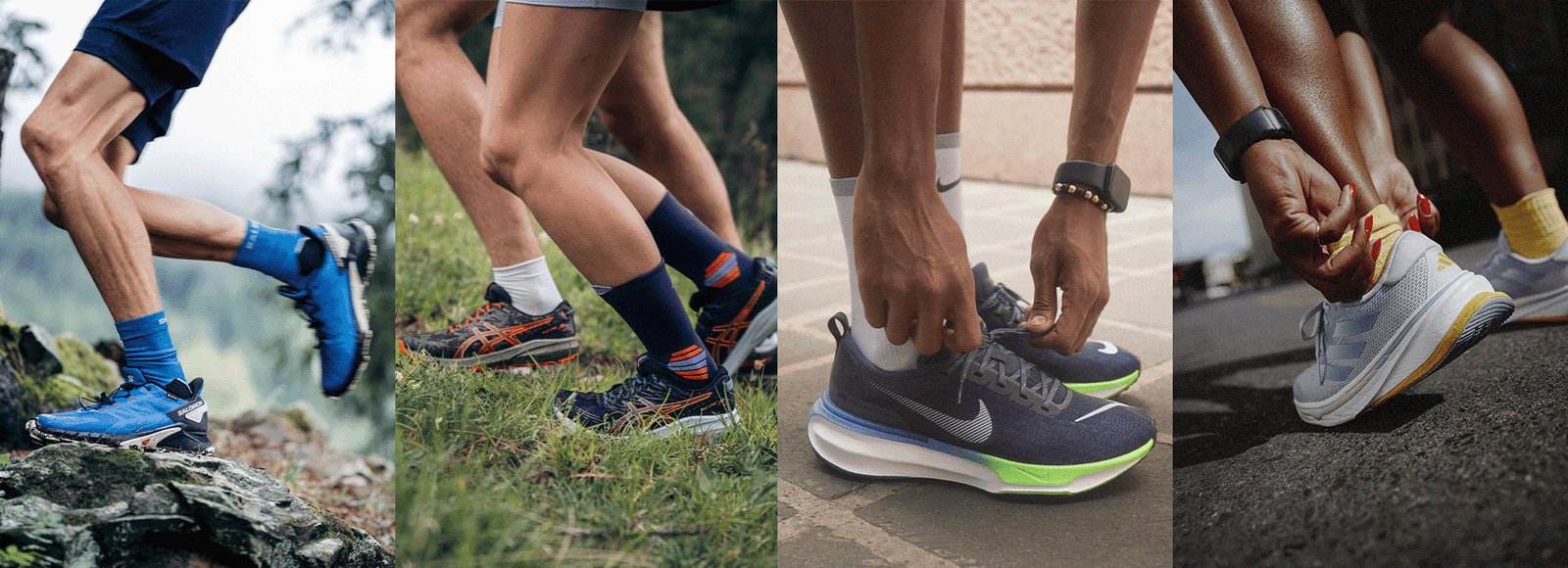
Credit: www.elverys.ie
Alternative Solutions
Finding the right footwear for trail running can be challenging, especially if you’re used to road running shoes. While using road running shoes on trails might not always be ideal, there are alternative solutions that can enhance your trail running experience without compromising on comfort or safety.
Hybrid Shoe Options
Hybrid shoes blend the best of both worlds—road and trail features. They offer versatile soles that handle both pavement and rugged terrain. This makes them a great option for mixed routes or transition zones where terrain changes frequently.
Consider shoes with enhanced grip and durable materials. These hybrids often have reinforced toe caps and midsoles that protect against rocks and roots while maintaining the lightweight feel of road shoes. Brands like Salomon and Brooks offer popular models that cater to hybrid needs.
Have you tried a hybrid shoe before? You might find them surprisingly comfortable on trails without sacrificing the speed you enjoy on roads.
Investing In Trail-specific Gear
If you’re serious about trail running, investing in trail-specific gear can make a significant difference. Trail shoes are designed with aggressive tread patterns for better traction and stability on uneven surfaces.
Look for features like water resistance, breathability, and ankle support. These characteristics are crucial for tackling muddy paths, stream crossings, and steep inclines. Brands like Hoka One One and Merrell offer specialized trail running shoes that cater to varying terrains.
Does your trail running demand more durability and protection than road shoes can offer? Consider how trail-specific gear can enhance your performance and safety during your runs.

Credit: trailandkale.com
Frequently Asked Questions
Can You Wear Regular Running Shoes For Trail Running?
Regular running shoes can be used for trail running, but they’re not ideal. Trail shoes offer better grip and protection. They are designed for uneven terrain, providing stability and durability. For frequent trail running, invest in trail-specific shoes for enhanced performance and safety.
What Is The Difference Between Trail Running Shoes And Road Running Shoes?
Trail running shoes offer more grip and protection for uneven terrains. Road running shoes provide cushioning for flat surfaces. Trail shoes have rugged soles and reinforced uppers. Road shoes are lighter and more flexible. Choose trail shoes for off-road paths and road shoes for pavement.
How Necessary Are Trail Running Shoes?
Trail running shoes are essential for off-road running. They provide grip, stability, and protection on rough terrains. Using them reduces injury risks and enhances performance. Regular running shoes lack the durability and traction needed for trails. For optimal safety and comfort, invest in trail-specific footwear for trail running activities.
Is There A Trail And Road Running Shoe?
Yes, hybrid shoes exist for both trail and road running. They offer versatility and comfort on varied terrains. These shoes provide good traction for trails and cushioning for roads, making them ideal for mixed-surface running. Choose a pair with durable soles and flexible designs for optimal performance.
Conclusion
Trail running demands the right footwear. Road running shoes offer comfort on smooth paths. But trails present different challenges. Rocks, mud, and uneven terrain require more grip. Trail shoes provide better traction and protection. They are designed for rough surfaces.
Consider the trail conditions you will face. Choose shoes that match those needs. Safety and comfort should always come first. Proper footwear enhances your running experience. Make informed decisions about your gear. Enjoy your trail adventures with confidence.