
Have you ever looked at your dirt bike and wondered, “Can I ride this on the road?” You’re not alone.
The thrill of dirt biking is unmatched, and the thought of taking that excitement to the streets is tempting. But is it possible? And more importantly, is it legal? These questions might be circling your mind, fueling a curiosity that only grows stronger with each passing day.
Imagine the freedom of cruising through the city or countryside on your dirt bike, feeling the wind on your face as you navigate the roads. Before you rev up that engine, there’s a lot you need to know. This article will uncover the truths and myths about riding a dirt bike on the road, guiding you through the legalities, safety tips, and practicalities you need to consider. Stick around to discover if your dirt bike dreams can become a reality.
Legal Status Of Dirt Bikes
Riding a dirt bike on the road depends on local laws. Some places require modifications and registration. Always check local regulations before hitting the pavement.
Riding dirt bikes on the road often sparks curiosity and confusion about their legal status. While dirt bikes are synonymous with off-road adventures, their presence on public streets involves various regulations. Understanding these rules is essential for enthusiasts who wish to transition from trails to tarmac.Definition Of Dirt Bikes
Dirt bikes are lightweight motorcycles designed primarily for off-road use. They feature rugged tires, high ground clearance, and robust suspension systems. Unlike street bikes, dirt bikes lack basic road equipment such as mirrors, lights, and horns. This makes them ill-suited for road use without modifications. Dirt bikes are often used for recreational activities, such as motocross racing and trail riding. Their design prioritizes agility and durability over comfort and road compliance. This distinction is vital when considering their legal road usage.Street-legal Requirements
To ride a dirt bike on the road legally, several modifications are necessary. These changes aim to meet the safety standards required for public street use. You might need to add headlights, taillights, turn signals, and mirrors. A horn and a license plate holder are also mandatory in most areas. Each state or region may have specific regulations, so it’s crucial to check local laws. Some places require additional upgrades like speedometers or emission controls. Understanding these requirements can save you from fines and ensure a smooth transition to road riding. Have you ever considered converting your dirt bike for street use? The process can be rewarding but involves time and investment. The thrill of riding your favorite bike legally on roads might be worth the effort. However, always weigh the costs and check local laws to avoid surprises.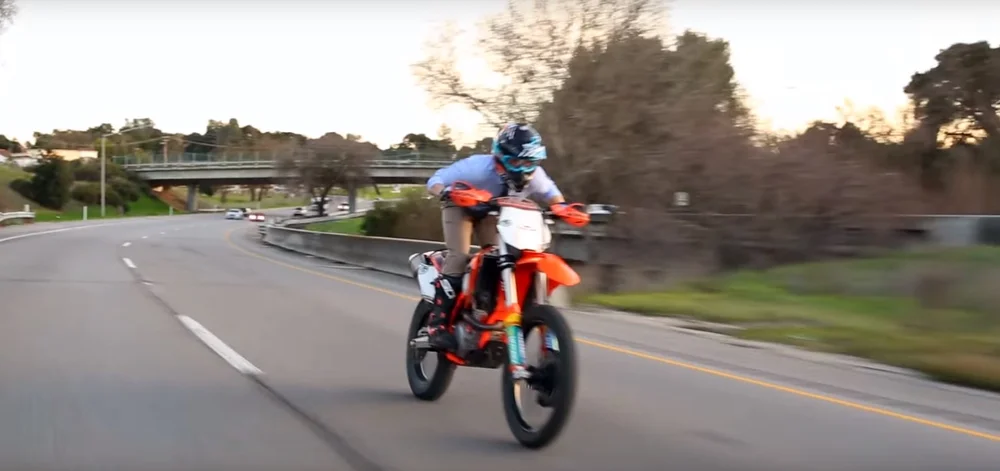
Credit: www.dirtlegal.com
Federal And State Regulations
Federal and state regulations often restrict dirt bikes on public roads. These laws ensure safety and reduce environmental impact. Always check local rules before riding to avoid fines or penalties.
Riding a dirt bike on the road involves understanding various regulations. These rules differ based on federal and state laws. Knowing these regulations can help avoid legal issues. Let’s explore them.Federal Guidelines
Federal laws set basic standards for vehicles. Dirt bikes are often not street-legal by these standards. They lack necessary features like headlights and turn signals. To ride on roads, modifications are needed. This includes adding mirrors, lights, and a horn. Meeting these standards is the first step.Variations In State Laws
State laws can vary widely. Some states have strict rules, while others are more lenient. In some places, dirt bikes can be registered for road use. Other states may have seasonal restrictions. It’s crucial to check local laws before riding. Each state has its own requirements and exceptions. Understanding these can save you from fines and penalties. Before riding, research your state’s specific laws. This ensures you’re prepared and compliant.Licensing And Registration
Licensing and registration are crucial for riding a dirt bike on public roads. Most regions require street-legal modifications and proper documentation. Always check local laws to ensure compliance and avoid fines.
Riding a dirt bike on the road can be an exhilarating experience, but it comes with its own set of rules and requirements. Licensing and registration are crucial steps that you need to understand before hitting the pavement. These steps ensure not only your safety but also compliance with local laws. Understanding the nuances can make the difference between a smooth ride and a bumpy legal hassle. So, what do you need to know about getting your dirt bike road-ready?Driver’s License Necessities
Before you can legally ride a dirt bike on the road, you must have the right driver’s license. Many regions require a motorcycle endorsement on your standard driver’s license. This means you may need to pass a motorcycle safety course and a written test. If you think these requirements are just red tape, consider this: they equip you with the skills to handle the unique dynamics of riding a dirt bike on paved surfaces. Are you prepared to navigate the complexities of traffic and road conditions safely?Registration Process
Registering your dirt bike for road use is another essential step. This often involves ensuring that your bike meets specific road safety standards. You may need to install mirrors, headlights, and turn signals if they aren’t already present. The registration process can vary depending on where you live. Some jurisdictions might require an inspection, while others could ask for proof of insurance. It’s a good idea to check with your local Department of Motor Vehicles (DMV) for precise details. Are you ready to transform your off-road machine into a legal road warrior? The process might seem daunting, but taking it step-by-step ensures you’re fully prepared for the open road.Safety And Equipment Standards
Riding a dirt bike on the road requires checking legal and safety standards. Ensure your bike meets local regulations. Always wear approved safety gear like helmets and protective clothing.
Riding a dirt bike on the road can be thrilling. But it comes with responsibilities and rules. Ensuring safety and meeting equipment standards is crucial. Understanding what gear is mandatory and how your bike needs to be modified is essential for your safety and legal compliance.Mandatory Safety Gear
Wearing the right gear protects you during rides. It’s not just about comfort, but safety. Helmets are a must. They protect your head from injuries. Choose one that fits well and meets safety standards. Gloves ensure a better grip and shield your hands. Boots with ankle support prevent injuries. Goggles protect your eyes from dust and debris. A sturdy jacket and pants offer body protection. Reflective clothing increases visibility to other drivers.Bike Modification Rules
Modifying your dirt bike for road use is necessary. It should comply with legal standards. Install a headlight for night rides. Ensure it’s bright enough to be visible. A taillight is also essential. It signals your presence to vehicles behind. Mirrors help you see traffic around you. They prevent accidents and improve awareness. A horn is required for alerting others. Make sure your tires are road-appropriate. They need enough grip for smooth rides. Check your bike’s emissions to meet environmental standards.Penalties For Non-compliance
Riding a dirt bike on the road without proper compliance can lead to fines and legal consequences. Safety violations might result in penalties, including confiscation of the bike. Always check local regulations to avoid unexpected legal issues.
Riding a dirt bike on the road might seem like a thrilling idea, but it comes with its own set of legal challenges. Many places have strict laws about where dirt bikes can be used. Ignoring these laws can lead to serious penalties. Understanding the consequences of non-compliance is crucial if you’re considering taking your dirt bike for a spin on the asphalt.Fines And Citations
If you ride a dirt bike on the road without proper authorization, you can face hefty fines. These fines vary depending on your location, but they are often substantial enough to make you think twice. For example, in some states, fines can reach up to $500 for a first offense. Additionally, receiving a citation can have other consequences. It could lead to points on your driving record. Accumulating points might affect your ability to drive other vehicles legally. If you’re caught multiple times, the penalties can escalate. You might face higher fines or even legal action. It’s important to weigh these risks before taking your dirt bike on public roads.Impact On Insurance
Getting caught riding your dirt bike on the road might also affect your insurance. Insurance companies view illegal activities as high-risk behavior. This could lead to increased premiums or even policy cancellation. Imagine being unable to afford insurance for your primary vehicle because of a mistake made on a dirt bike. It’s a situation that no one wants to find themselves in. Some insurers might refuse to cover any future claims if they discover a history of non-compliance. Have you considered how this could affect your future insurance applications? Maintaining a clean record is essential for securing affordable insurance rates. It’s a factor that should weigh heavily in your decision-making process. Reflect on these potential penalties before you decide to hit the road on a dirt bike. Are the risks worth the thrill?Exceptions And Special Permissions
Riding a dirt bike on the road often requires special permissions and exceptions. Local laws may grant temporary road use for events or specific routes. Always check regional regulations before planning a ride.
Riding a dirt bike on the road is generally not permitted due to safety regulations and vehicle classification. However, there are certain exceptions and special permissions that allow you to legally navigate the asphalt on your dirt bike. These can vary based on location, specific rules, and temporary allowances. Understanding these exceptions can open up new avenues for your dirt biking adventures.Temporary Permits
In some areas, you might be able to obtain a temporary permit to ride your dirt bike on the road. These permits are typically issued for specific events or situations where road usage is unavoidable. For instance, you might get a permit for a rally or cross-country event that requires transitioning from off-road trails to paved roads. You must ensure your bike meets certain safety standards, like having headlights and turn signals.Off-road Vs. On-road Usage
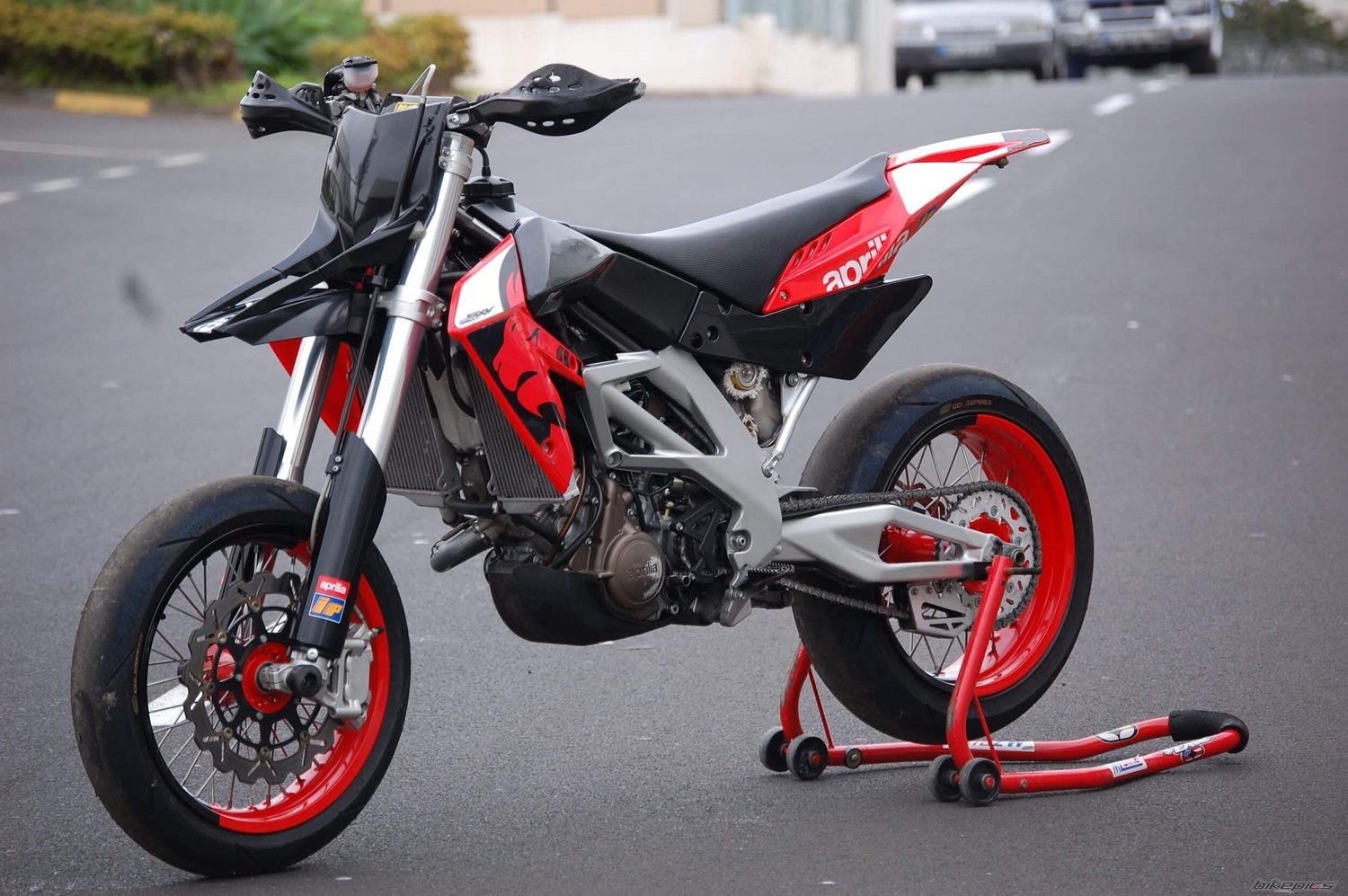
The distinction between off-road and on-road usage is crucial when considering exceptions. Off-road dirt bikes lack the necessary features for safe road riding, like mirrors and speedometers. Conversely, on-road dirt bikes, often referred to as dual-sport bikes, come equipped with these features. They are designed to handle both terrains, providing versatility. Is it worth upgrading your dirt bike for on-road usage? Consider how often you’ll need to ride on public roads versus trails. By aligning your bike’s capabilities with your riding needs, you can make informed decisions about seeking exceptions or modifications.Navigating Legal Challenges
Riding a dirt bike on the road can be exciting. But it comes with legal challenges. Understanding these challenges is crucial for a safe and lawful experience. Dirt bikes often lack the necessary features to be road-legal. Navigating the legal aspects is essential for riders.
Handling Legal Disputes
Legal disputes can arise from riding dirt bikes on roads. Common issues include noise complaints and accidents. Riders must be aware of local laws to prevent disputes. Check state regulations for dirt bike usage. Staying informed helps avoid potential legal trouble.
Consulting Legal Experts
Consulting legal experts offers valuable guidance. They can explain local laws and regulations. Legal experts provide advice on necessary bike modifications. This ensures compliance with road safety standards. Expert advice helps in understanding complex legal terms. It aids in making informed decisions.
Credit: www.dirtlegal.com

Credit: www.dirtlegal.com
Frequently Asked Questions
Can Dirt Bikes Go On Normal Roads?
Dirt bikes can go on normal roads if they are street legal. They need lights, mirrors, and a license plate. Check local laws to ensure compliance. Always wear protective gear while riding on roads for safety.
What Happens If You Get Caught Riding A Dirt Bike On The Street?
Riding a dirt bike on the street can lead to fines and impoundment. Dirt bikes aren’t street legal, requiring registration and insurance. You might face legal consequences and pay penalties. Always check local regulations to avoid trouble.
Are Any Dirt Bikes Road Legal?
Yes, some dirt bikes are road legal. They must meet specific requirements like headlights, mirrors, turn signals, and emissions standards. Always check local regulations as laws vary by region. Dirt bikes converted for road use are known as dual-sport or street-legal dirt bikes.
Can You Ride Dirt Bikes In Your Yard?
Yes, you can ride dirt bikes in your yard, but check local noise and zoning regulations first. Ensure safety and consider neighbors’ concerns. Always use proper safety gear and maintain your bike to prevent accidents. Riding responsibly helps avoid conflicts and ensures a fun experience.
Conclusion
Riding a dirt bike on the road demands caution and respect for laws. Safety is key; always wear protective gear and follow traffic rules. Check local regulations to ensure you’re riding legally. Dirt bikes can be fun, but roads pose risks.
Be aware of surroundings and other vehicles. Understand the bike’s limits for safe riding. Planning routes helps avoid restricted areas. Consider quieter streets or trails where bikes are allowed. Sharing the road requires cooperation with drivers. Stay alert and ride responsibly.
Enjoy the thrill while keeping safety in mind.