
Have you ever watched a thrilling soccer match and wondered about the size of the goal? Maybe you’re a budding soccer player or a curious fan looking to understand the game better.
Either way, knowing the standard size of a soccer goal is essential. It’s more than just a frame with a net; it’s the focal point of every game where dreams are realized and history is made. Understanding this aspect of the sport can enhance your appreciation and knowledge of soccer.
You’ll discover the exact dimensions that define a soccer goal, and why they are crucial for both players and fans alike. Stick around, because by the end of this read, you’ll have a clearer picture that might just change the way you look at the game.

Credit: www.ypc.co.uk
Soccer Goal Dimensions
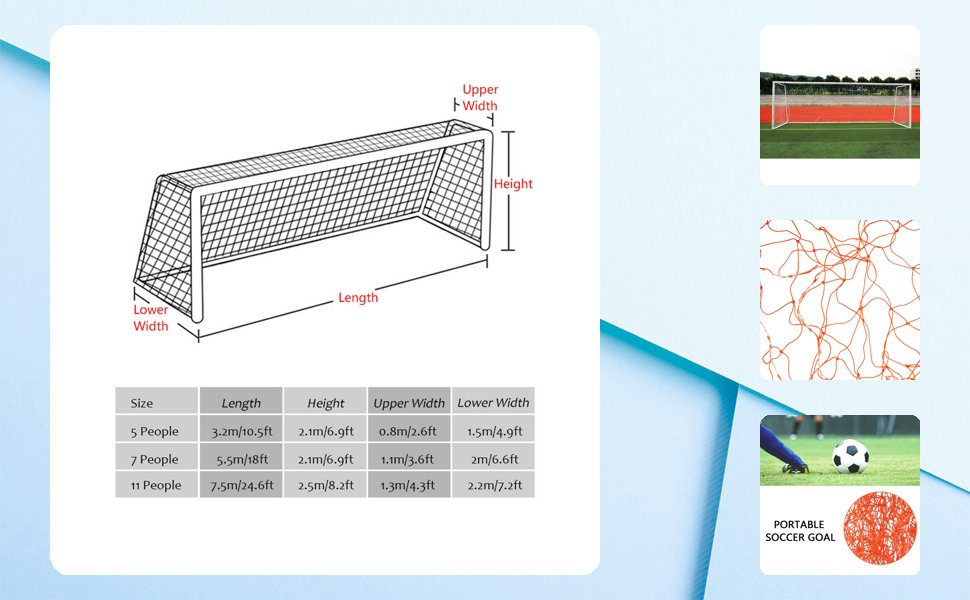
Understanding soccer goal dimensions is crucial for players and coaches. Knowing the right measurements ensures fair play and consistent practice. Whether for professional matches or youth games, dimensions vary to suit different levels.
Official Measurements
For professional soccer, the standard goal size is 8 feet high and 24 feet wide. This is the FIFA regulation size. It applies to both international and club matches. The goal posts and crossbar must be the same width. This ensures uniformity in all official games.
Youth Soccer Goals
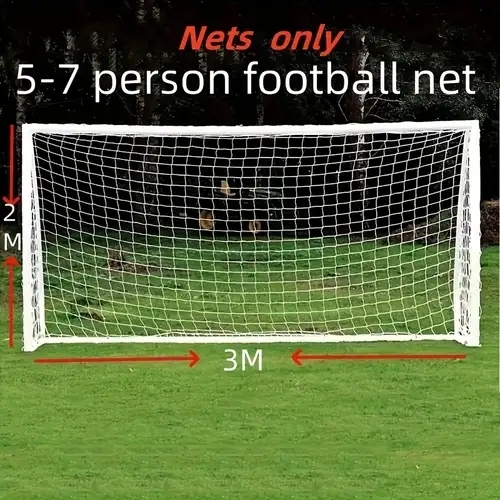
Youth soccer goals differ in size based on age groups. For children under 8, goals are usually 4 feet high and 6 feet wide. For ages 8 to 12, goals are often 6 feet high and 18 feet wide. These sizes help young players develop skills in a more manageable space. As players grow, the goal sizes increase accordingly.
Credit: www.temu.com
Materials And Construction
When selecting a soccer goal, one of the key aspects to consider is the materials and construction. The durability and performance of the goal are significantly influenced by the choice of materials used in the frame and netting. Whether you are setting up a backyard goal for casual play or outfitting a professional soccer field, understanding these components can make a big difference.
Frame Materials
The frame of a soccer goal can be constructed from various materials, each offering distinct advantages. Aluminum is a popular choice due to its lightweight nature and resistance to rust, making it ideal for portability and outdoor use. Steel frames, on the other hand, provide robustness and stability, suitable for permanent fixtures on soccer fields.
For casual or youth games, PVC frames are often used because they are cost-effective and easy to assemble. However, they may not offer the same durability as metal frames. When deciding on a frame material, consider the balance between durability, weight, and cost.
Netting Options
Soccer goal netting comes in various materials and designs to cater to different needs. Nylon netting is widely preferred for its strength and ability to withstand harsh weather conditions. It is a great choice for outdoor fields exposed to varying climates.
Polyethylene nets are economical and offer decent durability, making them suitable for home use. You can also find knotless netting options, which reduce tangling and enhance the aesthetic of the goal.
When choosing netting, think about the environment in which the goal will be used. Will it be exposed to constant sun and rain? Are you looking for a net that is easy to maintain? Your answers will guide you to the right choice, ensuring your goal remains functional and visually appealing.
Types Of Soccer Goals
Understanding the types of soccer goals is essential for players and coaches. Different goals serve different needs in soccer matches and practice sessions. The choice between portable and permanent goals can impact the game’s dynamics and the field’s setup.
Portable Goals
Portable soccer goals are designed for easy transportation. They are lightweight and usually made from materials like aluminum or fiberglass. These goals are perfect for training sessions and temporary setups. They can be quickly assembled and disassembled. This makes them ideal for schools and community events. Their flexibility allows for use on various surfaces, including grass and turf. Many models come with wheels, enhancing mobility. Despite their convenience, they need regular maintenance to ensure stability.
Permanent Goals
Permanent soccer goals offer stability and durability. They are fixed installations on soccer fields. These goals are typically made from steel or heavy-duty aluminum. Their sturdy design withstands intense gameplay and harsh weather conditions. Permanent goals are commonly found in professional and school stadiums. They require proper installation, often involving concrete foundations. This ensures they remain anchored during matches. While they lack portability, their robustness makes them a reliable choice for long-term use.
Credit: www.forzagoal.co.uk
Regulations And Standards
Soccer goals come in different sizes, but standards guide their dimensions. These regulations ensure fairness and consistency in the game. Understanding these standards helps players and teams play on a level field. Let’s explore the regulations and standards for soccer goal sizes.
Fifa Guidelines
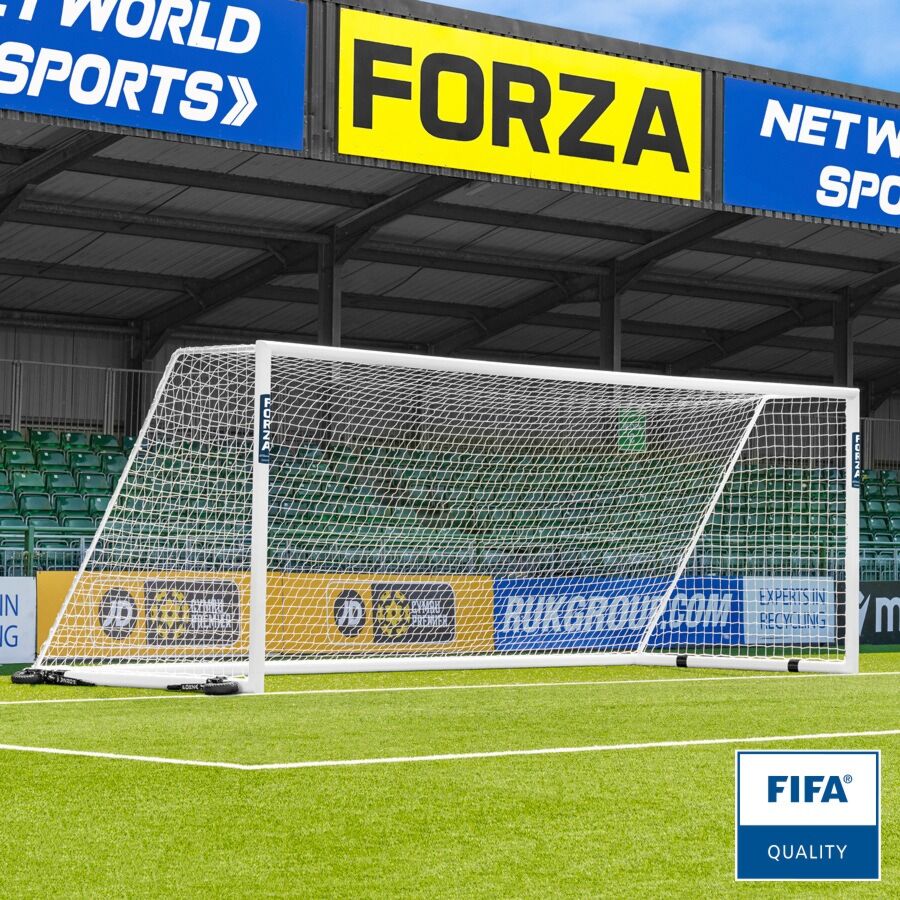
FIFA sets the global standard for soccer goal sizes. Their guidelines ensure uniformity across international matches. The official size for a soccer goal is 24 feet wide and 8 feet high. This size is used in professional and international games. The goalposts and crossbar must be white and made of a safe material. The net should be attached to the posts and the ground. This prevents the ball from passing through. Compliance with these standards ensures fairness in the sport.
Local Variations
Local leagues sometimes use different goal sizes. These variations accommodate younger players or specific field conditions. For youth soccer, goals are often smaller. This makes the game more suitable for younger players. Common youth goal sizes range from 18 feet by 6 feet to 21 feet by 7 feet. Some recreational leagues may use slightly different dimensions. These variations ensure that the game remains accessible and fun for all players. Understanding local standards helps teams prepare for each match effectively.
Choosing The Right Goal
Selecting the correct soccer goal size is essential for every game. The standard soccer goal is 8 feet high and 24 feet wide, providing consistency in play across all levels.
Choosing the right soccer goal is crucial for an enjoyable game. The standard size for adult soccer goals is 24 feet wide by 8 feet tall. But different age groups may need different sizes. It’s essential to select a goal that matches the players’ needs and abilities. This ensures the game is both safe and fun.Considerations For Different Age Groups
Soccer goals come in various sizes for different ages. For children under 6, smaller goals of about 4 feet by 6 feet are ideal. This size helps young players develop skills without feeling overwhelmed. Kids aged 6 to 12 can use goals measuring 6 feet by 12 feet. These slightly larger goals allow for more challenging play. Teenagers and adults typically use the standard size of 24 feet by 8 feet. Choosing the right size fosters skill development and keeps the game enjoyable.Budget And Durability
Soccer goals vary in price and durability. Consider your budget before purchasing a goal. Lower-priced goals are often made of lightweight materials. They may not last as long but are easier to move. Higher-end goals offer greater durability and stability. These are often constructed from steel or reinforced materials. Investing in a durable goal can save money in the long run. It withstands more games and adverse weather conditions.Maintenance Tips
Soccer goals are essential for any game, but they need regular care. Proper maintenance ensures they last longer and perform well. Here are some useful tips to keep your soccer goals in top condition.
Regular Inspections
Check the goals at least once a month. Look for any signs of wear or damage. Inspect the net and frame. Tighten loose bolts and screws. Ensure the goal is stable and secure. Regular checks prevent bigger problems later.
Cleaning And Repairs
Clean the goal regularly to remove dirt and debris. Use soap and water for the net and frame. Dry the goal to avoid rust or mold. Repair any tears in the net quickly. Replace broken parts to keep the goal safe. A clean goal improves the game experience.
Frequently Asked Questions
What Are The Dimensions Of A Soccer Goal?
A soccer goal measures 8 feet in height and 24 feet in width. These dimensions apply to professional and international matches, ensuring consistency and fairness. Properly sized goals are crucial for regulation play, enhancing the game’s integrity and excitement.
What Is The Size Of A Fifa Goal?
A FIFA goal measures 8 yards wide and 8 feet high. The goalposts and crossbar must be white. This standard size is used in professional football matches worldwide.
What Size Is A Soccer Goal In The Mls?
MLS soccer goals measure 8 feet high and 24 feet wide. These dimensions are consistent with international standards. Soccer goals are designed to provide fair play and consistent scoring opportunities. Official guidelines ensure uniformity across MLS matches for player experience.
What Is The Size Of The Premier League Soccer Goal?
Premier League soccer goals measure 24 feet wide and 8 feet high. These dimensions comply with FIFA regulations. Soccer goalposts are white and made of metal or durable material. The netting is attached securely to catch the ball.
Conclusion
Soccer goals come in standard sizes. These sizes ensure fair play. The dimensions are regulated worldwide. Adults and youth have different sizes. Goal size affects gameplay and strategy. Choosing the right goal is crucial. It helps maintain consistency in matches.
Soccer enthusiasts should know goal sizes. This knowledge enhances understanding of the game. Knowing the standard size aids in proper setup. Whether playing casually or competitively, goal size matters. It impacts players and their performance. Soccer is a universal sport with shared rules.
Understanding goal dimensions connects players globally. Enjoy the game with this key knowledge.