

Are soccer cleats good for football? This question might have crossed your mind if you’re gearing up for the gridiron but only have a pair of soccer cleats handy.
You’re not alone in pondering this. Many athletes wonder if their trusty soccer shoes can double as football cleats. Before you lace them up and hit the field, it’s crucial to understand the differences and similarities between these two types of footwear.
By the end of this article, you’ll have clarity, ensuring you make the best choice for your performance and safety. Dive in to discover how your soccer cleats might just be the versatile solution you need or if it’s time to invest in football-specific gear.
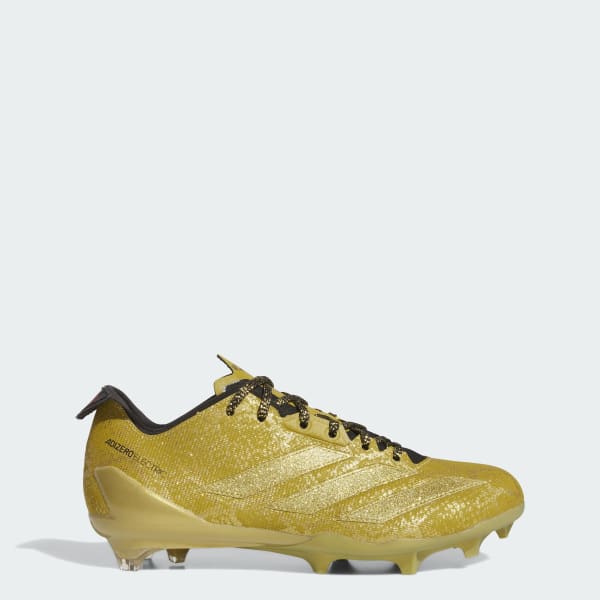
Credit: www.adidas.com
Soccer Cleats Vs. Football Cleats
Soccer cleats can be used for football, but they might not offer the best grip on grass fields. Football cleats are designed for better traction and protection, making them more suitable for the game. Soccer cleats are lighter, which may not provide the necessary support needed in football.
When you’re considering whether to use soccer cleats for football, it’s essential to understand the differences between the two. Soccer and football cleats are designed with distinct purposes in mind, and recognizing these differences can impact your performance on the field. While both types of footwear aim to provide grip and support, their unique features cater specifically to the demands of each sport. Let’s explore the key differences in design, material composition, and stud configuration.Design Differences
Soccer cleats are streamlined and low-cut, designed for agility and quick footwork. They’re lighter, allowing you to move swiftly and change direction with ease. Football cleats, however, often come in low, mid, and high-top designs. High-tops provide extra ankle support, crucial for football’s physical nature and frequent lateral movements.Material Composition
The materials used in soccer cleats are typically lightweight synthetic or leather, prioritizing comfort and control. Leather molds to your foot, offering a snug fit, whereas synthetics are durable and often water-resistant. Football cleats, meanwhile, use sturdier materials to withstand the sport’s physicality. Extra padding and reinforced areas protect against impacts and add durability.Stud Configuration
The stud pattern in soccer cleats is designed for multi-directional traction, essential for quick pivots and sprints. They often have more studs, which are shorter and evenly distributed. Football cleats feature fewer but larger studs, often with a toe stud for added traction during explosive starts. This configuration provides grip during intense plays, like blocking or tackling. When choosing between soccer and football cleats, consider the demands of your sport and your playing style. Will the lighter soccer cleats give you the speed advantage, or does the robust design of football cleats better suit your needs? By understanding these differences, you can make an informed decision that enhances your performance and keeps you comfortable on the field.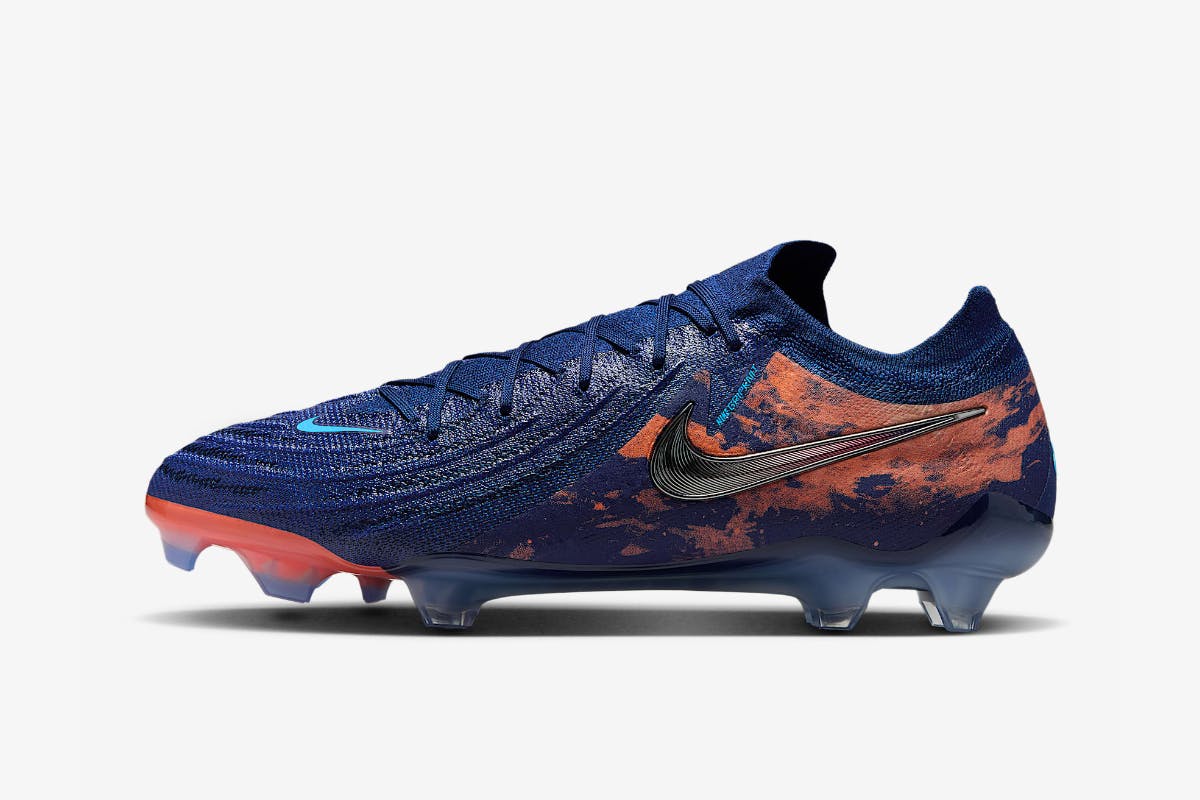
Credit: www.highsnobiety.com
Performance On The Field
When considering whether soccer cleats are suitable for playing football, understanding their performance on the field is crucial. Soccer cleats are designed with specific features that can impact your game, both positively and negatively. Let’s explore how they perform in terms of traction, agility, and comfort.
Traction And Grip
Soccer cleats are engineered to provide excellent traction on grassy fields. The studs are strategically placed to prevent slipping, allowing you to maintain control during sudden movements. However, the grip may vary on different surfaces, such as artificial turf, which is more common in football.
Have you ever tried to make a sharp turn only to find yourself skidding slightly? This is where the right cleat makes a difference. Consider the type of field you’ll be playing on to choose the cleat that offers the best grip.
Agility And Speed
Speed is a vital element in both soccer and football, and cleats can influence your ability to accelerate quickly. Soccer cleats are generally lightweight, which can aid in enhancing your speed. Their low-profile design helps in swift directional changes, giving you an edge in quick maneuvers.
Imagine sprinting down the field with shoes that feel like an extension of your feet. That’s the agility soccer cleats can offer. However, ensure they don’t compromise on protection, especially in a contact-heavy sport like football.
Comfort And Fit
Comfort is paramount when you’re on the field for extended periods. Soccer cleats are designed to fit snugly, providing a glove-like feel. This snug fit allows for better ball control in soccer but can sometimes feel restrictive in football.
Have you ever worn shoes that felt too tight after an hour of play? Ensuring the right fit is key. Look for cleats that offer a balance between snugness and flexibility to avoid discomfort and blisters.
In the end, the suitability of soccer cleats for football depends on personal preference and playing conditions. Test them in practice sessions to see how they work for you. Your performance on the field can be significantly influenced by your choice of footwear.
Safety Considerations
Ensure soccer cleats provide enough grip for football surfaces. Check for adequate ankle support to prevent injuries. Consider the different field conditions and player positions before choosing the right footwear.
When considering if soccer cleats are suitable for football, safety is vital. Different sports have unique demands, affecting gear choice. Soccer cleats might seem similar to football cleats, but key differences impact safety.Injury Risks
Soccer cleats often have a lighter design for agility. This can increase injury risk on football fields. Football requires more stability and protection due to aggressive play. Soccer cleats might lack necessary support, risking ankle injuries. Players need to be cautious about traction differences. Soccer cleats have fewer studs, which might slip on grass.Protection Features
Football cleats provide more ankle support. They have extra padding for impact absorption. Soccer cleats focus on speed, with less cushioning. Football demands sturdy shoes for tackling and blocking. Soccer cleats might not protect feet adequately during these actions. Choosing appropriate footwear can prevent injuries in football. Football cleats offer reinforced material for durability. Soccer cleats prioritize lightweight construction, which might compromise safety.Weather And Surface Conditions
Soccer cleats can suit football, depending on weather and surface. Wet fields may cause slipping issues. Firm ground and dry conditions offer better grip with soccer cleats.
Weather and surface conditions play a crucial role in the effectiveness of soccer cleats for football. Whether the field is grassy or synthetic turf, the choice of footwear can impact performance. Soccer cleats are designed to offer specific advantages depending on the playing surface and weather conditions. Understanding these factors can help players make informed decisions.Playing On Grass
Grass fields are common in football, offering a natural feel. Soccer cleats with longer studs provide better grip on soft ground. They prevent slipping, especially during wet conditions. The design ensures traction and stability, crucial for sudden movements. Players can benefit from this feature during rainy matches. It’s important to check field moisture before choosing cleats. This ensures optimal performance and reduces injury risk.Playing On Turf
Turf fields have a different texture compared to grass. Soccer cleats for turf have shorter studs for better surface grip. These cleats are lighter and offer increased speed. They prevent stud pressure on feet, enhancing comfort. Turf shoes often come with rubber soles for better cushioning. Proper footwear reduces the chance of falls, making it ideal for dry conditions. Regularly assess the turf’s condition to select the right cleats. This can enhance agility and improve game performance.Professional Opinions
Soccer cleats often catch the eye of football players. Some wonder if they can switch between sports using the same footwear. To get a clear answer, professional opinions matter. Athletes and experts have voiced their thoughts, offering insights on this topic.
Athlete Feedback
Many athletes have tried soccer cleats in football games. They share mixed experiences. Some find them light and offer great grip on grass. Others miss the extra ankle support football cleats provide. The design difference affects their performance.
Football players notice the studs on soccer cleats. They help in quick turns but lack the depth for certain football plays. On wet fields, soccer cleats can slip more. Athletes think twice before using them in heavy rain.
Expert Analysis
Experts examine the structure of soccer cleats. They point out the low-cut style. This style enhances agility but risks ankle injuries. Football cleats offer more protection.
The stud pattern in soccer cleats is unique. It supports fast movements but lacks stability for football tackles. Experts highlight the importance of choosing cleats based on sport requirements.
Overall, experts advise testing both types. Understanding personal comfort and play style is key. They recommend using football cleats for gridiron games for better safety.
Cost And Accessibility
When considering whether soccer cleats are suitable for football, cost and accessibility play crucial roles in decision-making. While both sports require specialized footwear, the price and availability can significantly influence your choice. Understanding these factors can help you make an informed decision without breaking the bank.
Price Comparison
Soccer cleats generally come with a more affordable price tag compared to football cleats. This is often due to the materials used and the manufacturing processes. For example, a decent pair of soccer cleats might cost you around $50 to $100, whereas football cleats often start at $80 and can go upwards of $200.
Why are soccer cleats cheaper? They are usually lighter and designed for a different type of play, which may not require the same level of durability as football cleats. If you’re just starting out or trying to save some money, soccer cleats can be a practical choice.
Availability
Availability of soccer cleats is another factor to consider. Soccer is a globally popular sport, and you can find soccer cleats in almost every sports store. This makes it easier to try on different pairs and find one that fits well.
Football cleats, on the other hand, might not be as readily available, especially if you live outside North America. This limited availability can make it challenging to find the right pair without ordering online, which often involves additional shipping costs and the hassle of returns.
Have you ever struggled to find the right cleats in your local store? Opting for soccer cleats might save you time and effort, letting you focus more on your game than on your gear.
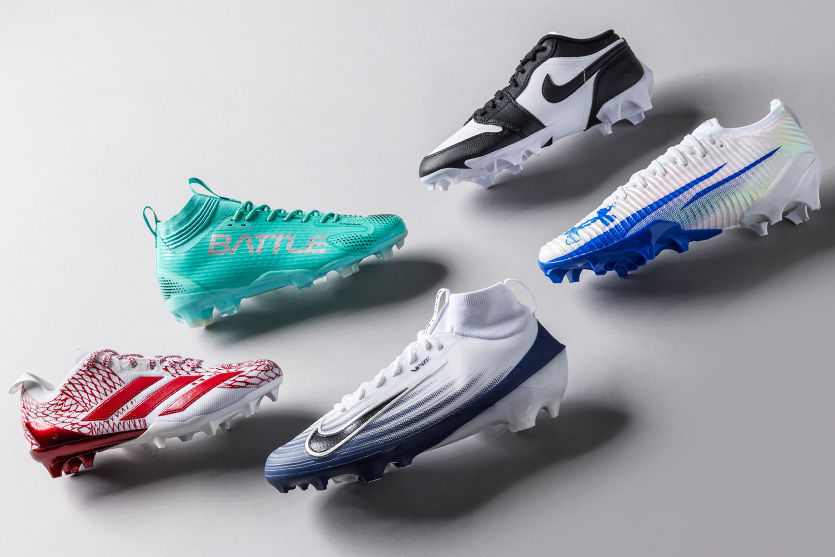
Credit: www.dickssportinggoods.com
Frequently Asked Questions
Can I Wear Soccer Cleats For Football?
Yes, you can wear soccer cleats for football. Ensure they offer good grip and comfort. Soccer cleats have studs suitable for grass fields. Check league rules on footwear before playing. Proper fit prevents injuries and enhances performance.
Are Football And Soccer Cleats The Same Thing?
Football and soccer cleats are not the same. Soccer cleats lack a toe stud, unlike football cleats. Football cleats offer more ankle support and have different stud patterns for traction. Soccer cleats are lighter and designed for better ball control.
Choose cleats based on your sport for optimal performance.
What Type Of Cleats Are Best For Football?
Firm ground cleats are ideal for natural grass fields. For artificial turf, use turf shoes. Indoor cleats suit indoor pitches. Choose based on surface type for the best performance and safety.
Does It Matter What Cleats You Wear For Football?
Choosing the right football cleats improves performance and safety. Cleats provide traction, stability, and comfort. Different surfaces require specific cleat types for optimal grip. Proper fit prevents injuries and enhances agility. Investing in quality cleats tailored to your playing style and position maximizes your potential on the field.
Conclusion
Choosing the right cleats is crucial for your football performance. Soccer cleats can work for football, but consider the differences. Football demands more stability and protection. Soccer cleats offer lightweight design and agility. Evaluate your needs and playing style. Comfort and fit are essential.
Test both types if possible. Find what suits your foot and sport best. Personal preference and comfort often win. Keep safety in mind. Your choice impacts your game. Soccer cleats might fit some players, but not all. Make an informed decision.
Enjoy your sport with confidence.