

Are you planning your next adventure in the great outdoors? Whether you’re a seasoned hiker or a camping newbie, knowing how to pack your gear efficiently is crucial.
One of the most common challenges is figuring out how to attach your sleeping bag to your backpack securely. Imagine reaching your campsite only to find your sleeping bag missing because it wasn’t properly fastened. You wouldn’t want that, right?
In this guide, we’ll show you simple, effective techniques to keep your sleeping bag safe and sound during your journey. Stick around, because mastering this skill will not only save you time but also ensure a stress-free trip. Ready to learn the secret to seamless packing? Let’s dive in!
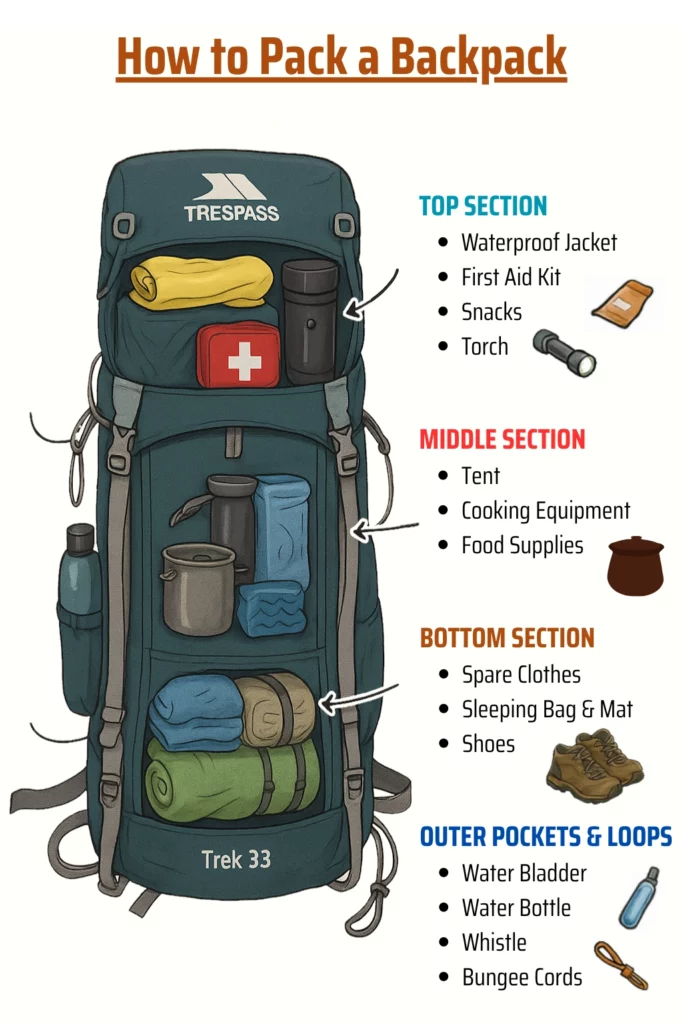
Credit: www.trespass.com
Choosing The Right Sleeping Bag
Your choice of a sleeping bag can significantly impact your backpacking experience. It’s not just about warmth and comfort; your sleeping bag needs to be compatible with your backpack for easy attachment. Selecting the right sleeping bag involves considering size, weight, material, and durability. Each of these factors plays a crucial role in ensuring your backpacking journey is smooth and hassle-free.
Consider Size And Weight
Size and weight are crucial when selecting a sleeping bag. A bulky sleeping bag can be cumbersome, making it difficult to attach securely to your backpack. Opt for a compact and lightweight design. This makes it easier to carry and gives you more room for other essentials.
Have you ever struggled with a heavy sleeping bag that adds unnecessary weight to your pack? Choosing a lightweight option can save you from fatigue and keep your backpack manageable during long hikes. Remember, a lighter bag means you can cover more ground without feeling weighed down.
Material And Durability
Material and durability are equally important. Choose materials that can withstand rough terrains and unpredictable weather. Synthetic materials often offer better durability and moisture resistance than down, especially in wet conditions.
Think about the times you’ve pitched your tent on rocky or uneven ground. A durable sleeping bag withstands such challenges, ensuring you stay warm and cozy throughout the night. Durability also means fewer worries about wear and tear during your travels.
What’s your priority—lightweight design or robust durability? Balancing these factors can lead to a perfect choice that suits your backpacking adventures. Make sure your sleeping bag complements your style and needs for an enjoyable outdoor experience.
Selecting The Ideal Backpack
Choosing the perfect backpack for your outdoor adventures is crucial when you need to attach a sleeping bag effectively. Not all backpacks are created equal, and finding one that suits your needs can make a significant difference in comfort and convenience during your trips. Let’s dive into the essential features you should look for when selecting a backpack for this purpose.
Capacity And Design
When considering capacity, think about the length of your trips and the number of items you’ll need to carry. A backpack with a 50-70 liter capacity is often ideal for extended hikes, offering ample space for both your sleeping bag and other essentials.
Design matters too. Opt for backpacks with a streamlined shape that distributes weight evenly. This ensures you maintain balance while trekking. A backpack with a separate compartment for your sleeping bag can be a game-changer, keeping it accessible yet secure.
Strap And Loop Features
Look for backpacks equipped with strong straps and loops. These features allow you to attach your sleeping bag securely, preventing it from slipping or swinging as you move.
Consider adjustable straps. They provide flexibility in how tightly or loosely you fasten your sleeping bag, accommodating different bag sizes and shapes. Extra loops and daisy chains can be used to attach additional gear, enhancing your backpack’s versatility.
Have you ever been on a hike where your sleeping bag kept shifting uncomfortably? It’s a common issue that can be avoided with the right strap and loop configuration. Make sure your backpack has these elements to ensure a hassle-free journey.
In the quest for the ideal backpack, what unique features do you prioritize for your adventures?
Packing Techniques
Secure your sleeping bag to a backpack using straps or cords. Attach it to the bottom loops for balance. Ensure it’s tightly fastened to prevent movement during hikes.
Packing your sleeping bag efficiently can make a world of difference on your backpacking trip. The right techniques ensure not only comfort but also easy access and more space for other essentials. Let’s dive into some effective strategies to attach your sleeping bag to your backpack.Compression Sack Use
Using a compression sack can significantly reduce the size of your sleeping bag. By squeezing out the air, you can shrink the bulk, allowing it to fit neatly inside or outside your backpack. This method is particularly useful for winter sleeping bags, which tend to be bulkier. Most compression sacks come with straps that can be cinched tightly. When attaching to your backpack, ensure the straps are secure and evenly distributed. This not only stabilizes the load but also prevents unnecessary shifting during your trek.Rolling Vs. Stuffing
Deciding between rolling and stuffing your sleeping bag can be a game-changer. Rolling might seem neater, but it often leaves pockets of air, taking up more space. Stuffing, on the other hand, allows the sleeping bag to mold to the available space, making it more space-efficient. When you stuff your sleeping bag, start from the foot and work your way up. This method not only saves space but also reduces the risk of damaging the insulation by repeatedly folding at the same points. Have you ever noticed how much easier it is to pack when you don’t have to wrestle with your gear? Experiment with both techniques to see which suits your style and needs best.
Credit: www.reddit.com
Attachment Methods
Attaching a sleeping bag to your backpack efficiently is vital for hiking. It allows you to carry it without using valuable space inside the pack. The right attachment method ensures stability and comfort during your journey. Here are two popular methods to attach your sleeping bag securely.
Using Buckles And Straps
Buckles and straps offer a straightforward way to attach your sleeping bag. Many backpacks have adjustable straps at the bottom or sides. You can use these straps to secure your sleeping bag.
- First, roll your sleeping bag tightly. This reduces its size and makes it easier to attach.
- Next, position the sleeping bag at the backpack’s bottom. This keeps the weight balanced.
- Thread the straps through the buckles. Ensure they are tight to prevent movement.
- Check the straps for any loose ends. Tighten them to keep the sleeping bag secure.
This method is ideal for keeping the sleeping bag stable during hikes.
Securing With Carabiners
Carabiners are another great tool for attaching a sleeping bag. They offer flexibility and quick attachment.
- Begin by rolling up the sleeping bag and securing it with its own straps.
- Locate loops or daisy chains on your backpack. These are perfect for carabiners.
- Attach carabiners to the loops on the backpack.
- Hook the sleeping bag straps onto the carabiners. Ensure they are firmly attached.
- Test the attachment by gently pulling on the sleeping bag.
This method allows easy access to the sleeping bag when needed.
Balancing Weight Distribution
Secure the sleeping bag at the bottom of the backpack for stability. Use compression straps to minimize bulk. Ensure weight is evenly distributed to prevent discomfort during hikes.
Balancing weight distribution is crucial when attaching a sleeping bag to your backpack. Proper balance ensures comfort and prevents strain during hikes. An uneven load can lead to fatigue and discomfort.Placement For Stability
Place the sleeping bag near the center of your pack. This position helps maintain balance. Keep it close to your back for better support. Use compression straps to keep it secure. A snug fit prevents shifting during movement. Avoid hanging it from the bottom of the pack. This can throw off balance and cause discomfort.Avoiding Backpack Sway
Backpack sway can be troublesome on uneven terrain. Ensure tight fastening of the sleeping bag. Straps should be firm but not overly tight. Check the weight distribution of other items. Keep heavy items low and close to your back. A stable pack reduces stress on your body. Adjust straps frequently to maintain comfort.Weather And Terrain Considerations
When venturing into the great outdoors, understanding how to attach your sleeping bag to your backpack with weather and terrain considerations can make all the difference in your adventure. The unpredictability of weather conditions and diverse terrains can affect the way you pack. So, how can you prepare for nature’s surprises while ensuring your sleeping bag is securely attached? Let’s dive into some practical tips.
Waterproofing Solutions
Imagine you’re hiking through a downpour, and your sleeping bag gets soaked. It’s not just uncomfortable, but potentially dangerous in cold conditions. Consider using a waterproof compression sack to keep your sleeping bag dry. These sacks not only protect against rain but also help compress the sleeping bag, making it easier to attach to your backpack.
Another option is a rain cover for your backpack. This simple addition can shield your gear from unexpected showers. If you anticipate heavy rain, layering a plastic bag over the sleeping bag before putting it in the waterproof sack can provide extra protection. Remember, a dry sleeping bag is crucial for a good night’s sleep.
Adjusting For Different Environments
Different terrains require different packing strategies. In rocky or uneven terrain, securing your sleeping bag tightly is essential to prevent it from swinging and throwing you off balance. Use adjustable straps to cinch it close to your pack.
Conversely, in flat, open areas, weight distribution might be more important. Attaching the sleeping bag to the bottom of the backpack can lower your center of gravity, making it easier to navigate long stretches. Consider the environment you’re entering and tweak your packing method accordingly. Have you ever found yourself struggling with a swinging backpack? Adjusting based on the terrain can be your game-changer.
Common Mistakes To Avoid
Attaching a sleeping bag to a backpack seems simple. Yet, many make common mistakes. These errors can lead to discomfort and inconvenience on the trail. Understanding these pitfalls helps ensure a pleasant hiking experience.
Overloading The Backpack
Many hikers fill their backpacks to the brim. They attach everything, including the sleeping bag. This can cause strain and imbalance. A heavy backpack makes walking difficult. It can even lead to back pain. It’s important to keep the load light. Prioritize essential items only.
Ignoring Accessibility
Placing the sleeping bag in an awkward spot can cause issues. If you need it quickly, reaching it should be easy. Avoid burying it under other gear. Consider how often you’ll use it during your hike. A conveniently placed sleeping bag saves time and hassle.
Expert Tips And Tricks
Attaching your sleeping bag to your backpack might seem straightforward, but doing it efficiently requires some insider knowledge. Imagine reaching your campsite after a long hike only to find your sleeping bag is damp or crushed. Avoiding these pitfalls and ensuring a comfortable trip involves smart packing techniques and clever access strategies. Let’s dive into some expert tips that will transform how you carry your sleeping bag.
Efficient Packing Strategies
Start by considering the weight distribution. Place your sleeping bag at the bottom of your backpack to keep the weight centered and balanced. This minimizes strain on your shoulders and back during long hikes.
If your backpack has straps or loops at the bottom, use them to attach the sleeping bag securely. A compression sack can also help reduce the size of your sleeping bag, making it easier to attach and carry.
Consider using a waterproof bag or cover to protect your sleeping bag from unexpected rain or river crossings. This ensures that it stays dry and ready for use when you need it most.
Quick Access Hacks
Imagine you’re exhausted and it’s getting dark. Having quick access to your sleeping bag can make a big difference. Attach the sleeping bag in a way that allows you to easily remove it without unpacking everything else.
If your backpack has a detachable lid or front-loading options, use these features to keep the sleeping bag accessible. This saves time and effort, especially in challenging weather conditions.
Consider using a lightweight carabiner or bungee cord for quick attachment and detachment. Ask yourself: how quickly can you get to your sleeping bag in an emergency?
By mastering these tips and tricks, you’ll carry your sleeping bag more efficiently and enjoy peace of mind on your outdoor adventures. Are you ready to optimize your packing and enhance your hiking experience?

Credit: www.facebook.com
Frequently Asked Questions
How To Attach A Sleeping Bag To A Regular Backpack?
Use straps or bungee cords to secure the sleeping bag underneath or on top of the backpack. Ensure it’s tightly fastened to prevent shifting during travel. Utilize loops or attachment points on the backpack for extra support. Keep the sleeping bag compact for better balance and comfort.
Can You Put A Sleeping Bag In A Backpack?
Yes, you can put a sleeping bag in a backpack. Compress it using a stuff sack to save space. Ensure your backpack has enough capacity to fit the sleeping bag along with other gear. Proper organization helps balance the weight for comfortable carrying.
Where Should I Put My Sleeping Bag In My Backpack?
Place your sleeping bag at the bottom of your backpack for better weight distribution. Secure it in a waterproof sack to protect against moisture. Ensure easy access by packing lighter items around it. This setup maintains balance and keeps essentials reachable during your trek.
How To Attach Camping Gear To Backpack?
Secure camping gear using straps, bungee cords, or carabiners. Attach heavier items close to your back. Use loops and daisy chains on the backpack for additional support. Distribute weight evenly to maintain balance. Ensure all gear is tightly secured to prevent movement during hikes.
Conclusion
Attaching your sleeping bag properly ensures comfort and convenience during hikes. Secure it tightly to avoid shifting while walking. Use straps or loops for easy attachment. Make sure the weight is balanced on your backpack. Check the setup before starting your journey.
A well-attached sleeping bag saves space and keeps you prepared. Experiment with different methods until you find one that works best. Remember, organization is key for a successful adventure. Keep practicing and you’ll get better with time. Stay safe, enjoy your hike, and sleep comfortably under the stars.