
Ever stood in your kitchen, protein powder in hand, wondering just how much is actually in a scoop? You’re not alone.
With every brand and type of protein powder out there, the size of a scoop can feel like a mystery. You want to make the most of your fitness journey and ensure you’re getting the right amount of protein to meet your goals.
But, without clear answers, it can be challenging to know if you’re measuring it right. Imagine if you could effortlessly understand the exact amount in each scoop and how it affects your nutrition. What if you knew how to optimize your intake for better results, without second-guessing? This could be the key to transforming your protein routine. Dive into this article to uncover the secrets of your protein powder scoop and take the guesswork out of your nutrition.
Protein Scoop Basics
Protein powder is a staple in many fitness enthusiasts’ diets, promising muscle growth and recovery. But with each tub comes a scoop, and understanding how much is in a protein powder scoop can be surprisingly complex. Let’s break down the basics to help you scoop smarter.
Understanding Scoop Sizes
Not all scoops are created equal. Different brands offer varying scoop sizes, which can affect how much protein you’re actually consuming. This can be frustrating if you’re trying to meet specific nutritional goals.
Take a closer look at the scoop in your container. Does it match the serving size mentioned on the label? If not, you might be getting more or less protein than you think. This discrepancy can throw off your diet plans, especially if you’re meticulously counting macros.
Common Scoop Measurements
Typically, a protein scoop can range from 25 to 35 grams. Some brands offer larger or smaller scoops, depending on their formulation. It’s crucial to weigh your scoop if precision matters to you.
Here’s a quick tip: use a kitchen scale. Weighing the scoop ensures accuracy, helping you hit your protein targets more reliably. This method removes the guesswork, giving you confidence in your dietary intake.
Have you ever wondered why your protein shakes taste different each time? It might be due to inconsistent scoop sizes. Ensuring the right measurement could be the key to a consistently delicious shake.
Factors Affecting Scoop Content
Understanding the content of a protein powder scoop can be tricky. Different factors influence how much powder fits into a scoop. Knowing these can help you measure the right amount for your needs. Let’s explore some key factors.
Brand Variations
Each brand offers unique formulas and scoop sizes. Some brands use larger scoops, packing more powder. Others use smaller ones, offering less per scoop. This affects your nutritional intake per serving. Always check the label for serving size and nutrients.
Powder Density
Density plays a crucial role in scoop content. Dense powders fill a scoop differently than lighter ones. A dense powder might provide more nutrients in a smaller scoop. Meanwhile, lighter powders may require more volume for the same nutrients. Adjust your scoops based on powder density.
Calculating Protein Content
Determining protein content in a powder scoop involves checking the nutrition label. Most labels list protein grams per scoop. Adjust scoops based on dietary needs.
Calculating protein content is essential for fitness enthusiasts and health-conscious individuals. Understanding the amount of protein in a scoop helps you meet your nutritional goals. This section explores how to determine the protein content in each scoop of your favorite protein powder.Reading Labels
Check the packaging label carefully. Most protein powders display nutritional information prominently. Look for the serving size, which is often one scoop. The label also lists the protein content per serving. This information is crucial for tracking your protein intake.Estimating Protein Per Scoop
Sometimes, the scoop size isn’t clear. Use a kitchen scale to weigh your scoop. Compare this weight with the serving size on the label. If one scoop equals the serving size weight, use the listed protein amount. If your scoop is smaller or larger, adjust the protein calculation accordingly. Divide or multiply based on the weight difference. Accurate measurement ensures proper protein consumption.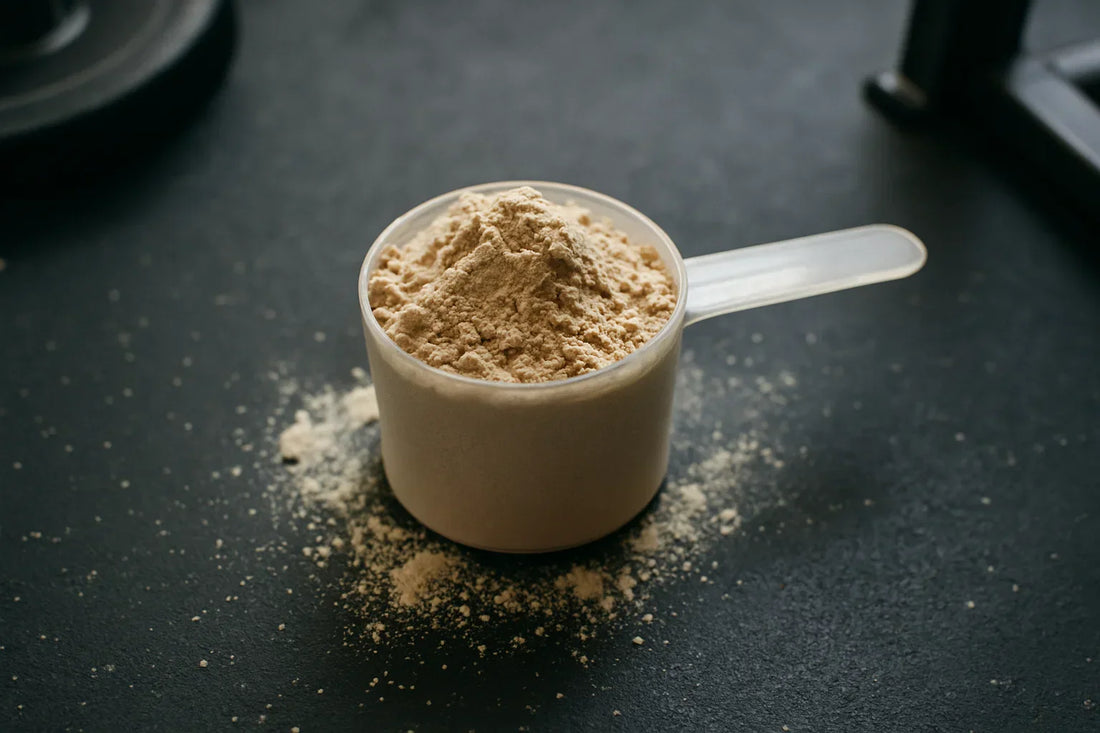
Credit: shivakam.com
Tips For Accurate Measurement
Measuring protein powder accurately is crucial for consistent nutrition. A scoop often varies by brand, leading to confusion. Follow these tips for precise measurements. You can ensure your protein intake aligns with your goals.
Using Kitchen Scales
Kitchen scales provide the most accurate measurement. They help avoid under or over-scooping. Place the scoop on the scale. Reset the scale to zero. Add protein powder until it reaches the desired weight. Check the label for the recommended serving size in grams.
Adjusting For Personal Needs
Consider your dietary goals. Your protein intake may differ from label suggestions. Athletes might need more protein. Those on weight-loss plans might need less. Adjust based on your daily protein goals. Consult with a nutritionist for personalized advice.
Choosing The Right Protein Powder
Choosing the right protein powder can seem daunting. Each type offers distinct benefits and characteristics. Finding the best fit requires understanding your personal needs and goals.
Considerations For Athletes
Athletes often require more protein. Their bodies need it for muscle repair and growth. Whey protein is a popular choice. It absorbs quickly, ideal for post-workout recovery. Casein protein absorbs slower. It provides a steady supply of amino acids. Perfect for overnight muscle repair. Plant-based proteins like pea or hemp are good for vegans. They also offer essential amino acids.
Dietary Preferences
Dietary preferences play a crucial role in selection. Some prefer plant-based options. These include pea, soy, and hemp proteins. They suit vegans and vegetarians. Others might have lactose intolerance. They should avoid whey or casein. For gluten-free diets, check labels carefully. Some powders contain gluten or traces of it.

Credit: www.amazon.com

Credit: www.amazon.com
Frequently Asked Questions
How Many Tbsp Are In 1 Scoop Of Protein Powder?
A typical scoop of protein powder equals about 2 to 3 tablespoons. The exact amount can vary by brand. Always check the packaging for precise measurements.
How Much Is 1 Scoop Of Protein Powder?
A typical scoop of protein powder weighs about 25 to 30 grams. Always check the product label for specific details.
What Is The Equivalent Of 1 Scoop Of Protein Powder?
One scoop of protein powder typically equals 20 to 30 grams or about 1 to 1. 5 tablespoons. The exact weight varies by brand. Check the packaging for precise measurements.
How To Measure 1 Scoop Of Protein Powder?
Use the scoop provided in the protein powder container. Fill it level for an accurate measurement. This ensures you get the recommended serving size. Always check the product label for specific scoop size instructions. A kitchen scale can provide a precise measurement if needed.
Conclusion
Understanding protein powder scoop sizes helps you use them effectively. Always check the label for accurate serving sizes. Measuring precisely supports your health goals. Consistency in servings ensures balanced nutrition. Never assume all scoops are equal; they vary by brand.
Use the right scoop to achieve desired results. This knowledge aids in making informed choices. A little awareness goes a long way in fitness. Stay mindful and make smart decisions. Proper scoop usage simplifies your fitness journey. Start applying these insights today.
Your health benefits from understanding scoop sizes. Keep learning and stay healthy.