
Imagine this: You’re out for a run on a crisp morning, the world around you is waking up, and you’re feeling unstoppable. But then, discomfort creeps in.
Your shoes feel too tight, or maybe they’re too loose. Suddenly, your perfect run is disrupted. We’ve all been there, and it’s frustrating. The way you lace your running shoes can make a world of difference. Whether you’re a seasoned marathoner or just starting your fitness journey, how you lace your shoes can impact your comfort, performance, and even your foot health.
We’ll unravel the mystery of how tight to lace your running shoes to ensure every step you take feels just right. So, are you ready to step up your running game? Let’s dive in and make your next run your best one yet.
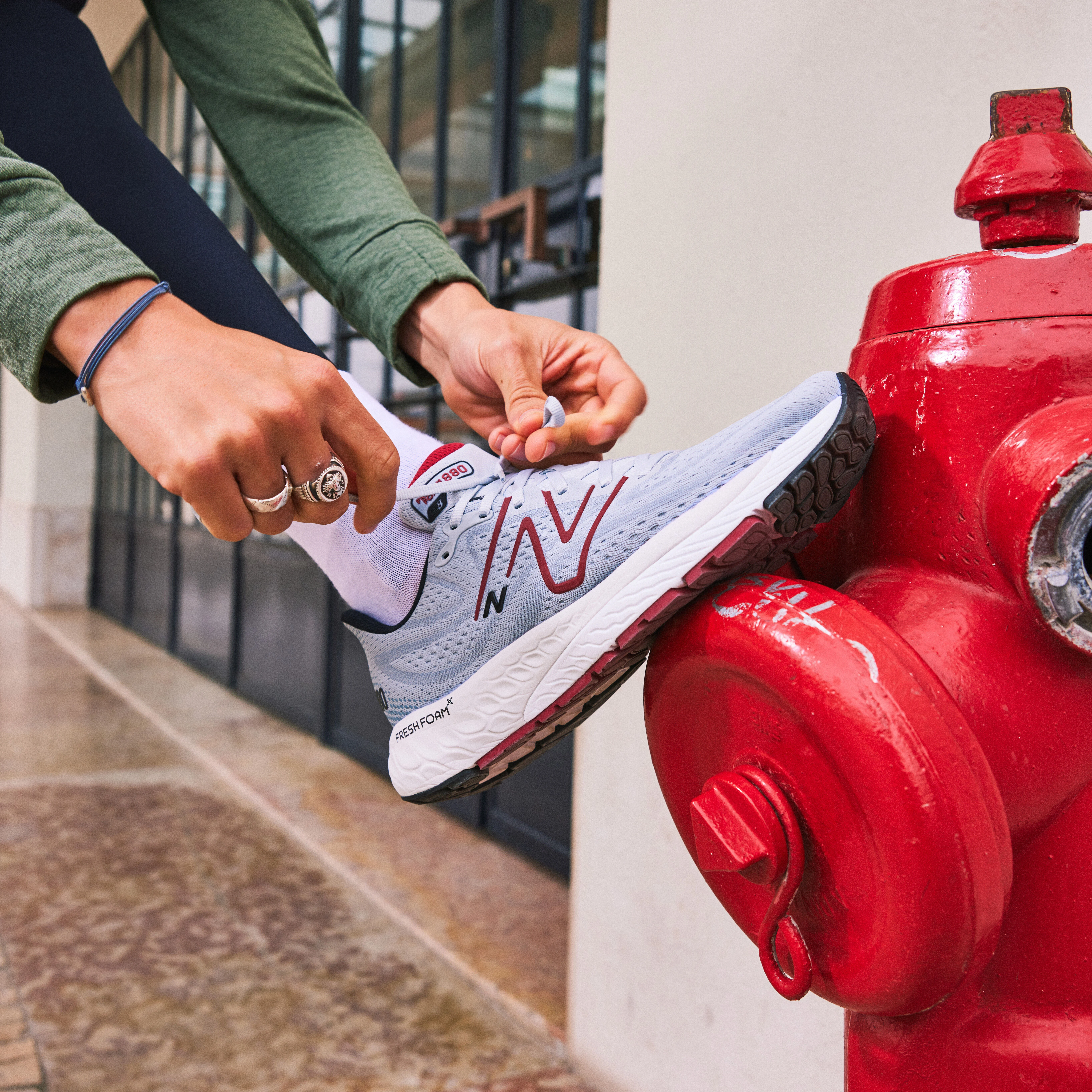
Credit: www.newbalance.co.uk
Importance Of Proper Shoe Lacing
Finding the right tightness for lacing running shoes is crucial for comfort and performance. Proper lacing prevents blisters and ensures foot stability during runs. Adjusting the tightness according to the foot shape helps in avoiding unnecessary pressure points.
Proper shoe lacing is more than just about comfort. It’s a crucial part of your running routine that can significantly impact your performance and overall running experience. Incorrect lacing can lead to discomfort, injuries, and even affect your running efficiency.Understanding The Benefits Of Proper Lacing
Proper lacing ensures your feet are snugly secured, preventing unnecessary movement. This reduces the risk of blisters and hot spots, which are common issues for runners. When your shoes fit well, you can focus on your run without distractions.Enhancing Performance And Comfort
A well-laced shoe provides the right amount of support and cushioning. This can enhance your running performance by allowing better foot movement and preventing injuries. Think of how a slight tweak in your lacing can make those long runs feel less daunting.Preventing Injuries
Injuries are a runner’s worst nightmare. Incorrect lacing can contribute to common injuries like plantar fasciitis and shin splints. By ensuring your shoes are laced correctly, you can maintain the right alignment and support for your feet.Personalizing Your Fit
Every runner has a unique foot shape and size. Proper lacing allows you to customize the fit of your shoes to accommodate high arches, wide feet, or specific pressure points. Have you ever felt that one spot on your foot that just feels too tight? Adjusting your lacing can solve that.Improving Blood Circulation
Tight laces can restrict blood flow, causing numbness or tingling. On a cold morning run, the last thing you want is poor circulation. Ensuring your laces are snug but not too tight can help maintain healthy blood flow. Engage with your shoes as part of your running gear. How tight you lace them can transform your running experience. Have you noticed any changes in your comfort or performance with different lacing techniques? Experiment and find what works best for you.Factors Affecting Lacing Tightness
Proper lacing tightness in running shoes depends on foot shape, shoe design, and personal comfort. Ensuring the right tension prevents discomfort and enhances performance.
Lacing your running shoes just right can make a big difference. It affects comfort, performance, and even injury risk. Understanding factors affecting lacing tightness helps in achieving the perfect fit. Let’s explore these factors to ensure your running shoes support you well.Foot Shape And Size
Everyone’s feet are different. Some have high arches, others have flat feet. Your foot shape impacts how tight your laces should be. Wide feet need looser lacing for comfort. Narrow feet might need tighter lacing for support. Try adjusting the lacing pattern to match your foot shape.Running Terrain
The surface you run on matters. Trails with uneven surfaces require secure lacing. This prevents slipping and supports your ankles. On flat roads, slightly looser lacing could be more comfortable. Adjust your lacing based on the terrain for optimal performance.Shoe Type And Design
Different shoe designs need different lacing techniques. Shoes with more padding can be laced tighter without discomfort. Lightweight shoes might need a looser fit to avoid pressure points. Look at the shoe design and decide how tight to lace them.Expert Tips For Optimal Lacing
Getting your running shoes laced just right can make all the difference in your performance and comfort. Whether you’re hitting the pavement for a leisurely jog or gearing up for a marathon, lacing your shoes correctly can prevent blisters and improve stability. Dive into these expert tips to ensure your shoes are laced to perfection.
Balancing Comfort And Security
Finding the sweet spot between comfort and security is crucial. If your laces are too tight, you might experience numbness or discomfort. Too loose, and your feet could slide around, risking injury.
Consider the shape of your foot and the type of terrain you’ll be running on. For those with wider feet, a looser lace may offer better comfort. Meanwhile, runners tackling rocky paths might prefer a snug fit for added stability.
Experiment with different tightness levels during your training runs. Notice how your feet feel after a few miles. Adjust accordingly for the perfect balance.
Adjusting For Different Runs
Your lacing needs might change based on the type of run you’re doing. Long-distance runs might require a different approach than short, fast-paced sessions.
For longer runs, consider a slightly looser fit to accommodate swelling, which is common after extended periods on your feet. This can help prevent discomfort and blisters.
On the flip side, shorter, high-speed runs often benefit from a tighter lace to ensure maximum support and efficiency. Try adjusting your lacing as you prepare for each type of run.
Special Techniques For Problem Areas
Some runners encounter specific issues like heel slipping or pressure points. Address these with special lacing techniques.
If your heel slips, try a runner’s knot for added security. This involves creating a loop with your laces at the top eyelets before tying them off.
For pressure points, consider skipping eyelets near problem areas or using a parallel lacing technique. This can distribute pressure more evenly, reducing discomfort.
What challenges do you face with your current lacing method? Adjust your technique and see if it makes a difference in your next run.
Lacing your running shoes is more than just a routine; it’s an opportunity to enhance your running experience. By tailoring your approach based on these expert tips, you can ensure every run is as comfortable and efficient as possible.
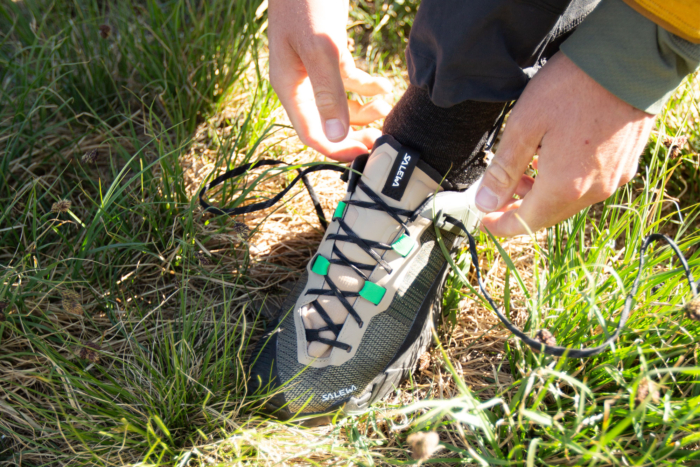
Credit: gearjunkie.com
Common Lacing Mistakes To Avoid
Lacing your running shoes correctly is crucial for comfort and performance. Many runners unknowingly make mistakes that can lead to discomfort or injury. Understanding these common errors can help you enjoy a better running experience.
Over-tightening Risks
Tight laces can restrict blood flow to your feet. This can cause numbness and pain during your run. Over-tightening may also create pressure points, leading to blisters. Ensure your shoes feel snug but not overly tight.
Ignoring Pressure Points
Pay attention to areas where your shoes pinch or rub. Ignoring these spots can result in blisters or calluses. Adjust your lacing to relieve pressure on sensitive areas. This can provide a more comfortable fit.
Inadequate Support
Loose lacing can lead to inadequate foot support. This may increase the risk of ankle sprains. Properly laced shoes should provide a secure fit without slipping. Check your laces before each run to ensure they are secure.
Benefits Of Properly Laced Shoes
Properly laced running shoes improve comfort and prevent injuries. The right tightness ensures stability and support during runs. Adjusting laces carefully can enhance performance and reduce foot fatigue.
Properly laced running shoes offer various benefits to runners. They improve performance, reduce the risk of injury, and enhance comfort. Understanding these benefits can transform your running experience.Improved Performance
Tight laces ensure better foot support. This boosts your stride efficiency. With secure laces, your foot remains stable. This stability helps maintain balance during runs. Proper lacing also aids in power transfer. It ensures your energy moves effectively from your foot to the ground. As a result, you can run faster and longer.Reduced Risk Of Injury
Loose laces increase the chance of accidents. They might cause trips or falls during runs. Tight laces prevent slipping inside the shoe. This reduces the risk of blisters and sprains. Secure laces keep your foot aligned. Good alignment lowers stress on your joints. It minimizes the possibility of injuries over time.Enhanced Comfort
Properly laced shoes feel snug and cozy. They minimize foot movement inside the shoe. This comfort reduces pressure points and irritation. Well-laced shoes prevent rubbing and chafing. This leads to a more enjoyable running experience. Comfortable shoes help you focus on your run. They remove distractions caused by discomfort.Testing And Adjusting Your Lacing
Finding the right tightness for your running shoe laces can make a world of difference in your comfort and performance. Too tight, and you risk cutting off circulation or causing blisters. Too loose, and you might find yourself tripping over your own feet. The key is to test and adjust your lacing until it feels just right. This involves trial runs, adapting to different weather conditions, and regularly reassessing your lacing strategy. Let’s dive deeper into each of these aspects.
Trial Runs For Feedback
How do you know if your laces are tied just right? Take your shoes for a test run. Start with a short, familiar route where you can pay attention to how your feet feel. Are they snug and supported without pinching? Or do you feel uncomfortable pressure points?
Adjust your lacing technique based on this feedback. You might need to experiment with different lacing patterns. Sometimes, just skipping a hole or adding a loop can make a big difference.
Adapting To Weather Conditions
Weather can affect how you should lace your shoes. On colder days, your feet might swell less, meaning you could lace a bit tighter. Conversely, hot weather can lead to swollen feet, necessitating looser laces.
Consider the terrain as well. Wet or slippery paths might require a snugger fit for stability. Keep an eye on the forecast and adjust accordingly before heading out.
Regular Reassessment
Your ideal lacing may change over time. As your running style evolves or your shoes break in, what once worked might not anymore. Regularly reassess the comfort and effectiveness of your lacing.
Ask yourself: Do my feet feel fatigued or sore in new areas? If yes, it might be time to revisit how tight you lace your shoes. Stay proactive to avoid discomfort and enhance your running experience.
Remember, the right lacing isn’t a one-size-fits-all solution. It’s a dynamic process that can enhance your runs if you listen to your body and adjust as needed.

Credit: guidedoutdooradventures.co.uk
Frequently Asked Questions
How To Properly Lace Your Running Shoes?
Start by threading the laces evenly through the bottom eyelets. Cross them alternately up the shoe, ensuring a snug fit. Use the “loop lock” technique for added security. Tie the laces in a bow, keeping ends short to prevent tripping.
Adjust tightness according to comfort and foot support needs.
How Tight To Lace Running Shoes Reddit?
Lace running shoes snugly to prevent slipping, but avoid excessive tightness. Ensure comfort and proper circulation. Adjust tension for optimal support without causing discomfort or restricting movement. Your feet should feel secure, yet flexible enough for natural movement during runs.
Experiment to find the perfect balance for your foot shape and running style.
Is Loose Lacing Bad For Your Feet?
Loose lacing can lead to foot discomfort and instability. It may cause blisters and improper foot support. Ensuring a snug fit with proper lacing helps maintain foot health and comfort. Always adjust laces to fit your foot securely without being too tight.
How To Prevent Lace Bite Running Shoes?
To prevent lace bite in running shoes, ensure proper shoe fit and lacing technique. Use padded tongue pads or gel inserts for cushioning. Adjust laces to distribute pressure evenly. Regularly check for wear and replace shoes as needed to maintain comfort and support.
Conclusion
Finding the right lace tightness can enhance your running experience. Properly laced shoes offer comfort and prevent injuries. Experiment with different tightness levels to find what suits you best. Pay attention to how your feet feel while running. Your comfort should be the priority.
Too tight, and you risk discomfort. Too loose, and you might face instability. Balancing between these extremes is key. Remember, every runner is unique. What works for one may not work for another. Listen to your feet. They will guide you to the perfect fit.
Enjoy your runs with well-laced shoes!