
Are you relying on your fitness tracker to monitor your daily steps, heart rate, and calorie burn? You’re not alone.
Millions of people use these handy devices to keep tabs on their health and fitness goals. But have you ever wondered just how accurate they really are? Imagine putting in all that hard work, only to find out your data might not be as precise as you thought.
This question might have crossed your mind, leaving you curious and perhaps a little skeptical. By diving into this article, you’ll uncover the truth about the accuracy of fitness trackers and discover whether they truly are the reliable companions they claim to be. Let’s explore whether your wrist-worn gadget is genuinely keeping you on track or if it’s time to rethink your fitness strategy.
The Rise Of Fitness Trackers
Fitness trackers have surged in popularity, raising questions about their accuracy. These devices monitor health metrics like heart rate and steps, but their precision can vary. Understanding their limitations helps users make informed health decisions.
The fitness tracker industry has seen an explosive growth over the past decade. These handy gadgets have transformed the way we approach health and exercise. They’ve quickly become a staple in the lives of many, from fitness enthusiasts to those simply aiming for a healthier lifestyle.The Technology Behind Fitness Trackers
The core of any fitness tracker is its sensors. Most devices use accelerometers and gyroscopes to track your movements. These sensors help count steps, monitor sleep patterns, and even measure heart rate. Some advanced models come with GPS to track your running routes. Others are equipped with altimeters to measure elevation changes, which is great for hiking.Popularity And Accessibility
Fitness trackers are no longer just for tech-savvy individuals. Their user-friendly designs and intuitive interfaces have broadened their appeal. Many brands now offer a range of models to fit different budgets and needs. Whether you’re looking for a basic step counter or a comprehensive health monitor, there’s a tracker out there for you. This accessibility has contributed significantly to their widespread use.Are Fitness Trackers A Fad Or Here To Stay?
The question of longevity often arises with new technology. Fitness trackers, however, seem to be more than just a passing trend. Their integration into smartphone ecosystems and the advent of health-focused apps have strengthened their position in the market. Can you imagine a day without your tracker reminding you to move? For many, these devices have become an essential part of daily life, much like smartphones.How Fitness Trackers Work
Fitness trackers have become a popular tool for health enthusiasts. Understanding their accuracy involves exploring how they work. These devices gather data through various components and software. This information helps users monitor their health metrics. Below, we dive into the mechanics of these devices.
Sensors And Technology
Fitness trackers use advanced sensors to collect data. Common sensors include accelerometers and heart rate monitors. Accelerometers track movement by measuring acceleration forces. Heart rate sensors measure your pulse using light. Some devices also include GPS for location tracking. These sensors work together to gather detailed activity data.
The technology within fitness trackers is sophisticated. They are designed to process large amounts of data quickly. Most devices are compact and wearable on the wrist. The integration of multiple sensors enhances data accuracy. This technology allows users to track various activities seamlessly.
Data Processing
Data processing is crucial for the accuracy of fitness trackers. Once sensors collect data, the device processes it. The device uses algorithms to analyze the information. These algorithms estimate metrics like steps and calories burned. Advanced models offer more precise data interpretation.
Processed data is displayed on the device or a connected app. This allows users to view their health metrics easily. The app provides insights into fitness trends and progress. Users can set goals and monitor improvements over time. Efficient data processing ensures reliable feedback for users.
Accuracy In Heart Rate Monitoring
Fitness trackers have become an integral part of our daily lives, promising to keep us on track with our health goals. One key feature most users rely on is heart rate monitoring. But how accurate are these devices in measuring your heart rate? Understanding this can help you make informed decisions about your health and fitness journey.
Comparing With Medical Devices
Fitness trackers are often compared to medical devices like ECG machines to determine accuracy. While they are generally reliable for everyday use, they may not be as precise as clinical tools. A study might show that a tracker records your heart rate within a few beats of an ECG reading, but that small difference can be critical in a clinical setting.
Have you ever compared your fitness tracker’s reading with a doctor’s equipment? You might notice slight variations, especially during high-intensity workouts. This can be due to the simplicity of the sensor technology used in most consumer-grade fitness trackers compared to the sophisticated instruments found in medical devices.
Factors Affecting Heart Rate Readings
Several factors can influence the accuracy of heart rate readings on fitness trackers. Skin tone, for example, can affect the optical sensors that many devices use. These sensors measure blood flow, and darker skin tones may lead to less accurate readings.
Wrist placement also plays a crucial role. Ensure your tracker is snug but not too tight, as incorrect placement can lead to skewed data. Environmental conditions like temperature and humidity can also impact the sensor’s performance.
Have you ever wondered why your heart rate reading seems off after a heavy workout? Sweat can interfere with the sensors, leading to inaccurate results. It’s essential to keep the device clean and dry for the most reliable performance.
Understanding these factors can help you maximize the benefits of your fitness tracker. Are you making the most out of your device, or are these potential inaccuracies holding you back from reaching your fitness goals?
Step Count Reliability
Fitness trackers are popular tools for monitoring daily activities. But how reliable is the step count feature? Step count reliability varies based on several factors. Understanding these factors can help improve accuracy.
Influence Of Device Placement
Where you wear your fitness tracker matters. Placement affects how well the device detects movements. Wearing it on your wrist is common, but it may miss steps. Waist or ankle placements can provide more accurate counts. Some devices allow multiple placement options. Experimenting with different placements may improve accuracy.
Impact Of User Activities
Different activities impact step count accuracy. Walking or running usually provides accurate readings. Activities like cycling or swimming may cause discrepancies. Fitness trackers often struggle with non-walking activities. They may interpret movements incorrectly. Understanding these limitations helps manage expectations.
Calorie Tracking Precision
Calorie tracking is a popular feature of fitness trackers, promising to help you manage your weight and understand your energy expenditure. But how precise are these devices in calculating the calories you burn? Understanding their accuracy can make a big difference in reaching your fitness goals. Let’s explore the intricacies of calorie tracking precision in fitness trackers.
Calculating Calories Burned
Fitness trackers use a combination of heart rate monitoring, movement sensors, and personal data to estimate calories burned. They gather data from activities like walking, running, and cycling. For instance, a tracker might calculate calories based on your heart rate during a brisk walk, combined with your weight and age.
These devices usually ask for personal details like age, weight, height, and gender to tailor their calculations. This information helps improve the accuracy of the calorie estimates. However, the algorithms behind these calculations can vary between devices, leading to different results.
Limitations In Calorie Estimation
While fitness trackers offer a convenient way to track your energy expenditure, they are not foolproof. Factors like body composition, fitness level, and even the type of exercise can affect accuracy. For example, strength training may show lower calorie burn due to less movement, even though it can burn significant calories.
Trackers often struggle with non-steady-state activities, such as interval training or weightlifting. These exercises involve varying intensities that are difficult for sensors to interpret. As a user, you might notice discrepancies in calorie counts compared to other methods, such as metabolic testing.
Have you ever wondered why your tracker shows a different calorie count than your fitness app? It can be due to algorithm differences or sensor sensitivity. Understanding these limitations can help you use your fitness tracker more effectively.

Credit: www.instagram.com
Sleep Tracking Validity
Fitness trackers have become essential in monitoring health and wellness. Sleep tracking is a popular feature. Many people wonder about its accuracy. Sleep tracking validity remains a topic of interest. Let’s explore how fitness trackers measure sleep.
Detecting Sleep Stages
Fitness trackers use sensors to track sleep stages. They measure movements and heart rate. These devices categorize sleep into stages. Light, deep, and REM sleep are the common stages. Understanding these stages helps improve sleep quality.
Accuracy varies among different brands. Some trackers use advanced algorithms. These improve the detection of sleep stages. Yet, they are still not as accurate as sleep labs. Fitness trackers provide a general overview. They offer insights into sleep patterns.
Challenges In Accurate Sleep Analysis
Several factors affect sleep tracking accuracy. Wrist movement can mislead trackers. Activities like reading in bed might be counted as sleep. Heart rate sensors also face challenges. Erratic heart rates can confuse the tracker.
Environmental factors play a role too. Noise and light can disrupt sleep. Trackers might not detect these disturbances. They could impact the accuracy of sleep data. Fitness trackers are still evolving. They aim to provide better sleep insights.
User Experience And Feedback
Fitness trackers often promise precise health metrics, sparking curiosity about their accuracy. User experiences vary, with feedback highlighting inconsistencies in tracking steps and heart rate. While some find them reliable, others report discrepancies, urging users to consider their limitations.
User experience and feedback on fitness trackers vary widely, with some users swearing by their accuracy and others expressing skepticism. Your personal experience with these devices might surprise you. Whether you’re a data enthusiast or a casual user, understanding how others perceive the accuracy of fitness trackers can guide your expectations.Perceived Accuracy
Many users believe that fitness trackers provide a reasonably accurate measure of their daily activities. People often compare the step count with manual counting and find it aligns closely. However, some users report discrepancies, especially in activities like cycling or strength training. These variations can make you question the accuracy of the data presented. Does the tracker truly reflect your effort, or is it missing out on certain movements? This question often arises when the numbers don’t match your perception of your workout intensity.Trust In Fitness Data
Trust in fitness data varies greatly among users. Some individuals rely heavily on this data to track progress and set goals, trusting the numbers implicitly. Others prefer to use the data as a general guide, supplementing it with their own insights and external tools. This balanced approach can help mitigate the effects of any potential inaccuracies. Would you trust your fitness tracker to guide your health decisions, or do you see it as one piece of a larger puzzle? Balancing trust with skepticism might just be the key to using these devices effectively.Improving Tracker Accuracy
Fitness trackers have become essential companions for many seeking to maintain a healthy lifestyle. Yet, a common question arises: are these devices truly accurate? Improving their accuracy is a continuous endeavor. As technology advances, so do the methods that enhance the reliability of these gadgets. Understanding how you can make the most of these advancements can significantly improve your tracking experience.
Advancements In Technology
Technology in fitness trackers has evolved tremendously. Manufacturers are now integrating more sophisticated sensors and algorithms to provide precise data. For instance, optical heart rate sensors have improved in measuring blood flow changes, offering better heart rate readings during workouts.
Moreover, GPS integration has become a standard feature, delivering accurate distance tracking. The combination of these advancements ensures that your fitness tracker is more reliable than ever before.
Recommendations For Users
To ensure your tracker delivers accurate data, there are simple steps you can follow. First, regularly update your device’s firmware. Updates often include improvements in accuracy and functionality.
Wear your tracker correctly. Placement can significantly affect the data it collects. If your device is a wristband, ensure it fits snugly but comfortably, just above your wrist bone.
Consider manual calibration, especially if your tracker allows it. This can involve inputting your stride length for better step count accuracy. Are you maximizing your tracker’s potential by following these guidelines?
The Future Of Fitness Tracking
The future of fitness tracking promises exciting advancements. As technology evolves, fitness trackers are becoming more sophisticated. They are not just counting steps anymore. New features aim to provide deeper insights into our health and wellbeing.
Emerging Trends
Wearable technology is rapidly changing. Fitness trackers are now integrating with smart devices. This allows for real-time data exchange and personalized feedback. More people are using these devices to monitor their health. The demand for accurate and comprehensive data is growing.
Another trend is the focus on mental health. Trackers are starting to include stress and mood tracking. This holistic approach is gaining popularity. It helps users understand the connection between physical and mental health.
Potential Innovations
Future trackers might use AI for better accuracy. AI can learn from user data and provide tailored suggestions. It can predict health trends and offer preventive advice. This could make fitness trackers more valuable in daily life.
Another innovation is in sensor technology. New sensors can measure a wider range of health metrics. This includes blood oxygen levels and sleep quality. Enhanced sensors can provide more precise data.
Data privacy is also a focus. Companies are working on secure ways to store health data. Users want assurance that their information is safe. Innovations in encryption and data security are essential.
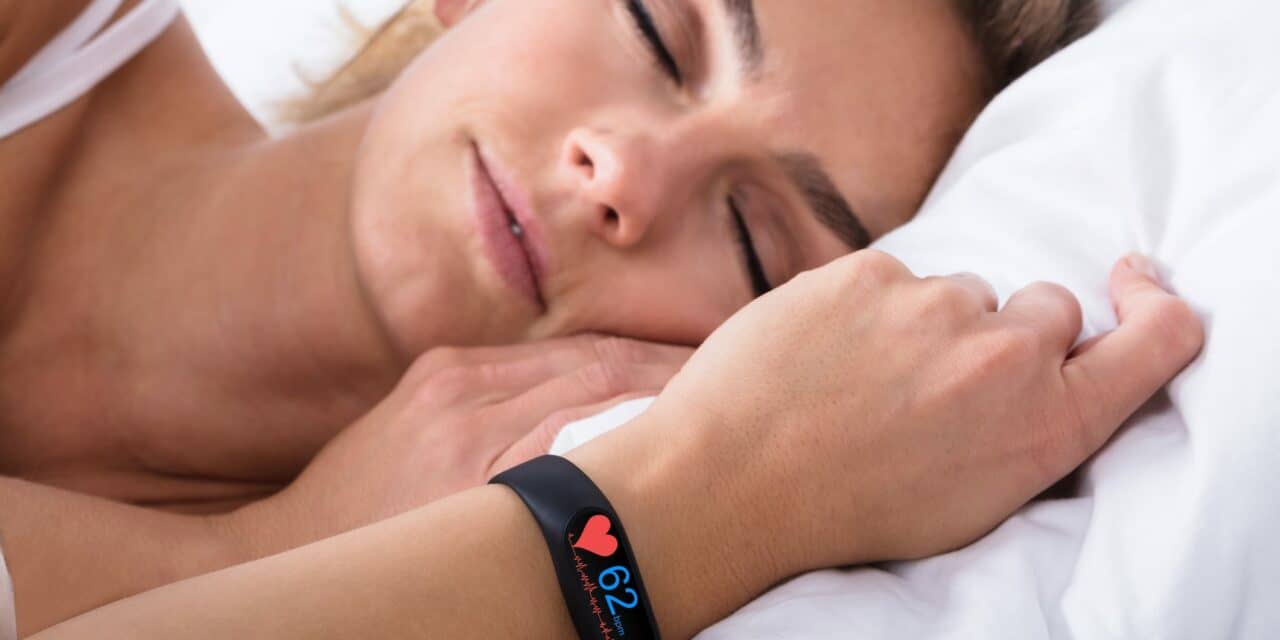
Credit: sleepreviewmag.com

Credit: m.facebook.com
Frequently Asked Questions
How Do I Know If My Fitness Tracker Is Accurate?
Compare the fitness tracker’s data with manual measurements. Check its accuracy against trusted devices. Regularly update its software for improved performance. Read user reviews and expert opinions on its precision.
Do Fitness Trackers Overestimate Calories Burned?
Fitness trackers sometimes overestimate calories burned. Accuracy varies based on the device and activity type. Factors like heart rate and movement can impact readings. Regular calibration and understanding device limitations can help improve accuracy. Using them as a general guide rather than precise measurement is recommended for better fitness tracking.
Do Fitness Trackers Overestimate Steps?
Fitness trackers can sometimes overestimate steps due to arm movements or improper placement. Accuracy varies across different models and activities. Regular calibration and proper usage improve reliability. Users should consider these factors when interpreting step counts.
Which Fitness Tracker Is Most Accurate?
Garmin fitness trackers are highly accurate for tracking heart rate and GPS. Fitbit offers excellent sleep tracking accuracy. Apple Watch provides reliable health metrics and integrates well with iOS devices. Choose based on your specific needs and preferences.
Conclusion
Fitness trackers offer useful insights into daily activity. They help monitor steps, heart rate, and sleep patterns. Accuracy varies among models and features. Some track better than others. Factors like placement and calibration affect accuracy. Regular updates improve data reliability.
Users should view them as guides, not definitive sources. Keep realistic expectations. Choose a tracker that meets your needs. Understand its limitations. Continuous use helps build healthy habits. Fitness trackers can motivate and inform. They support a balanced lifestyle. Always consult professionals for health advice.
Embrace the technology, but stay informed.