
Imagine stepping onto the golf course with confidence, knowing that your grip on the club is spot on. You’re about to unlock a key secret that can transform your game.
Holding a golf club correctly isn’t just a matter of comfort; it’s the foundation of powerful and accurate swings. If you’ve ever felt your shots could be better or wondered why your golf friends seem to have more control, you’re in the right place.
This guide is designed to give you the edge, showing you the step-by-step process to master your grip. You’ll discover simple techniques that can lead to more consistent, straighter shots. Stick with us, because by the end of this article, you’ll feel like a pro every time you pick up your club. Ready to enhance your golf game? Let’s dive in!
Grip Types
Finding the right grip can transform your golf experience. Each grip type offers unique advantages. Understanding these can improve your control and swing. Let’s explore the main grip types in golf.
Interlocking Grip
The interlocking grip connects your pinky finger with the index finger of the other hand. It provides a secure hold. This grip is popular among players with smaller hands. The interlock offers stability and control during swings. Many professional golfers prefer this grip for its firmness.
Overlapping Grip
The overlapping grip, also known as the Vardon grip, is widely used. Here, the pinky finger rests on the gap between the index and middle finger. This grip is ideal for players with larger hands. It allows for better wrist movement and flexibility. The overlapping grip is known for its balance and comfort.
Ten-finger Grip
The ten-finger grip is also called the baseball grip. All ten fingers hold the club, similar to holding a baseball bat. This grip is beneficial for beginners. It feels natural and offers a strong hold. The ten-finger grip can provide more power in swings. It’s a great starting point for those new to golf.
Grip Pressure
Understanding grip pressure is crucial for your golf swing. The right grip pressure can make a big difference in your performance. Too tight and you lose control; too loose and you lack precision. Let’s explore how to achieve the perfect balance and avoid common mistakes.
Finding The Right Balance
Grip pressure should feel natural and relaxed. Aim for a firm hold without squeezing too hard. Use a scale from 1 to 10 to gauge pressure. A comfortable grip usually falls between 4 and 6. This allows flexibility and control during the swing.
Check your grip regularly. Adjust pressure as needed for different shots. Practice with different clubs to find the right balance. Listen to the feedback from your grip. If your hands tire quickly, you’re gripping too tightly.
Common Mistakes
- Gripping the club too tightly can limit wrist movement.
- Holding the club too loosely causes it to twist during the swing.
- Ignoring grip pressure leads to inconsistency in shots.
Many golfers grip the club too hard under pressure. This often happens during important shots. Relax your hands and breathe deeply to ease tension. Over time, the right grip pressure will improve your game.
Hand Positioning
Getting the right hand positioning is crucial for a consistent and powerful golf swing. It’s not just about gripping the club but doing so in a way that maximizes control and precision. This can be the difference between slicing the ball into the rough and landing it perfectly on the fairway.
Dominant Hand Placement
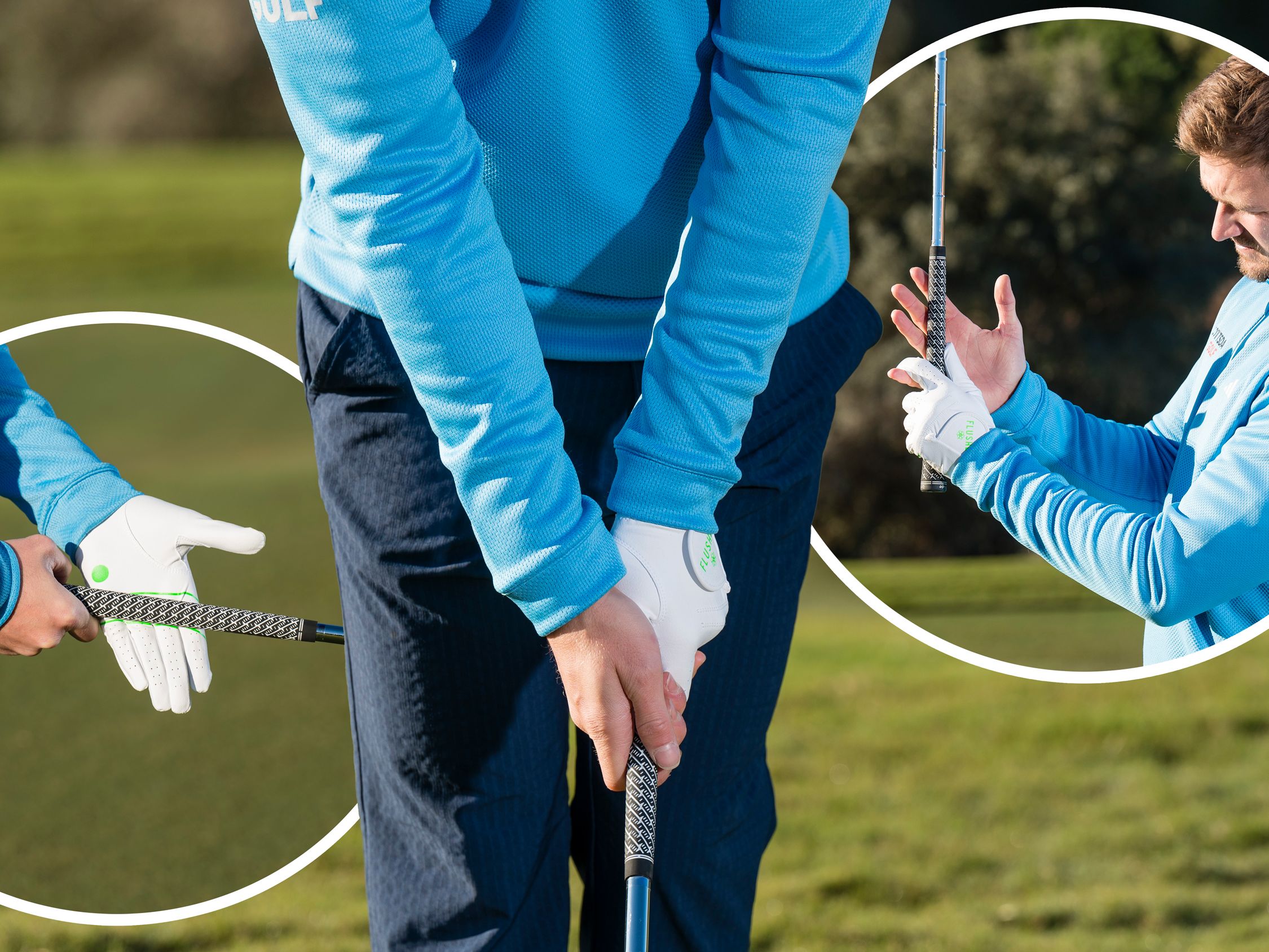
Your dominant hand plays a significant role in how you control the club. Start by placing the club in the fingers, not the palm, of your dominant hand. This allows for greater flexibility and feel during your swing.
Wrap your fingers around the grip, ensuring your thumb points down along the shaft. This thumb alignment is key for stability. Check if you can see two knuckles on the back of your hand; this indicates a neutral grip.
Think of your dominant hand as the guide, directing the path of your swing. How does your grip feel? If it’s too tight, you might be sacrificing fluid motion. A relaxed grip often leads to better performance.
Non-dominant Hand Placement
Your non-dominant hand completes the grip, adding support and balance. Position the club across the base of your fingers, not too deep in the palm. This helps maintain a light, yet secure hold.
Cover your dominant hand with your non-dominant palm, ensuring that both thumbs are aligned on the club. The “V” shapes created by your thumbs and index fingers should point towards your dominant shoulder.
This hand positioning helps unify your grip, working as a single unit. Have you noticed that a cohesive grip leads to a more controlled swing? It’s often these subtle adjustments that make the biggest difference in your game.
Adjusting For Different Clubs
Adjusting your grip for different golf clubs is essential. Each club type requires a unique grip style. Understanding these differences can enhance your swing and precision. Let’s explore how to adjust your grip for drivers, irons, and putters.
Drivers
Drivers have long shafts and large heads. Grip them with a light touch. This allows for a fluid swing and maximum distance. Position your hands so the clubface points towards your target. Keep a firm base with your lower hand. Your top hand should guide the club. This helps maintain control and stability.
Irons
Irons require a more precise grip. Place your hands closer together. This gives better control for accuracy. Your thumbs should run down the top of the shaft. Ensure your grip pressure is medium. Too tight or too loose can affect your swing. Adjust your grip according to the iron’s length.
Putters
Putters need a steady, soft grip. The aim is smoothness and precision. Your hands should feel relaxed but firm. Align the clubface square to your target line. Use a reverse overlap grip for stability. This reduces wrist action during the putt. The focus is on guiding, not swinging.
Role Of Wrist Movement
Understanding the role of wrist movement is vital in holding a golf club. Proper wrist action can enhance your swing, giving you control and precision. It influences the club’s angle and path, affecting your shot’s power and direction. Let’s explore how maintaining flexibility and timing can improve your game.
Maintaining Flexibility
Flexible wrists allow for a smooth swing. They help in adjusting the club’s angle easily. Practice wrist exercises to keep them supple. This flexibility ensures a fluid motion during your swing. A stiff wrist can cause tension, impacting the shot’s accuracy. Regular stretching can help maintain this flexibility.
Timing And Control
Timing your wrist movement is crucial for control. The right wrist action at the right time increases shot accuracy. Practice coordinating your wrist with your swing. This coordination aids in achieving consistent shots. Controlled wrist movement prevents mishits and ensures a steady swing.
Credit: www.ballflightacademy.com
Common Errors And Corrections
Mastering the correct way to hold a golf club can significantly improve your game. Yet, many golfers, both new and seasoned, fall into common grip errors. Identifying and correcting these can be the key to unlocking better swings and more precise shots.
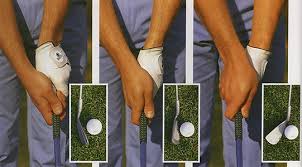
Avoiding A Strong Grip
A strong grip can hinder your swing and lead to a slice. This happens when your hands are too rotated on top of the club. Imagine your clubface closing at impact, sending your ball curving right.
To correct this, adjust your grip so that the V’s formed by your thumbs and forefingers point toward your right shoulder. Check that only two or three knuckles of your left hand are visible. Practice this until it feels natural.
Correcting A Weak Grip
A weak grip can cause the clubface to open at impact, resulting in a hook. This occurs when your hands are too far underneath the club. Your shots might start straight but veer off to the left.
To fix a weak grip, ensure the V’s on your hands point between your chin and right shoulder. Make sure the club sits diagonally across your palm, not in your fingers. Adjust your hold until it feels comfortable and balanced.
Have you checked your grip lately? It’s a small change that can make a big difference. Adjusting your grip might feel strange at first, but consistency is key. Notice the changes in your game as you refine your hold. Are your shots more accurate? Do you feel more control? Embrace these small tweaks and watch your golf game transform.
Practice Drills
Proper grip is crucial for effective swings in golf. Place your lead hand on the club with fingers angled down. Then, position the trailing hand below, interlocking or overlapping fingers for a firm hold.
Practicing the right drills is key to mastering how to hold a golf club correctly. It’s not just about gripping the club; it’s about consistency and building muscle memory. By including specific drills in your routine, you can enhance your grip strength and swing consistency, ultimately improving your performance on the course. Let’s delve into some effective practice drills.Grip Strengthening Exercises
Strengthening your grip is crucial for maintaining control over your club. Try using a stress ball or a hand gripper. Squeeze it tightly for ten seconds, then release. Repeat this exercise 15-20 times daily for noticeable improvements. Another great exercise is the towel wring. Take a wet towel and wring out the water as if you’re wringing out a dishcloth. This motion mimics the grip pressure needed in a golf swing. If you incorporate these simple exercises into your routine, you’ll find your grip becoming naturally stronger.Swing Consistency Drills
Consistency is key in golf, and your swing plays a huge part in this. One effective drill is the “Swing and Hold.” Take your normal swing, but pause at the top for a moment before finishing. This helps you focus on maintaining a consistent grip throughout the swing. You might also try the “Feet Together Drill.” Stand with your feet together and swing your club. This limits your body movement and forces you to rely more on your arms and grip. It’s a great way to ensure your grip remains steady, even when your lower body is less involved. These drills can transform your game by ensuring you maintain a strong, consistent grip with every swing. How might your game change with these simple yet powerful exercises?
Credit: golfdr.app
Credit: www.golfmonthly.com
Frequently Asked Questions
What’s The Correct Way To Hold A Golf Club?
Grip the club with your left hand, placing the handle across your fingers. Wrap your right hand around, ensuring both thumbs point downwards. Keep hands close together for control and maintain a firm but relaxed grip. Adjust pressure for comfort and control.
Practice regularly for consistent performance.
What Are The 3 P’s In Golf?
The 3 P’s in golf are posture, pivot, and path. Posture ensures proper body alignment. Pivot involves rotating the hips and shoulders effectively. Path refers to the direction of the clubhead during the swing. Mastering these elements enhances accuracy and performance on the golf course.
How To Grip A Golf Club For Beginners?
Begin with a neutral grip, positioning your left hand on the club. Align the thumb with the shaft. Place the right hand below, overlapping the left. Ensure the right thumb fits over the left thumb. Maintain a light, comfortable grip for better control and swing.
How Do I Hold A Golf Club If I’m Right Handed?
Grip the club with your left hand first, placing the handle in your fingers. Position your right hand below the left, ensuring the right palm faces the target. Overlap or interlock your pinky finger with the left hand. Maintain a relaxed grip for better control and swing.
Conclusion
Holding a golf club correctly boosts your game. Practice helps you improve grip strength. Focus on maintaining a relaxed grip. Check hand positions frequently. Ensure fingers wrap comfortably around the club. Revisit your posture regularly. Keep wrists flexible for better swings.
Adjust grip pressure when needed. Try different grips to find comfort. Consistency leads to better control. Enjoy the process of learning. Step by step, progress will follow. Golf becomes more enjoyable with a good grip. Experience the game with ease and fun.
Remember, practice leads to improvement. Keep swinging with confidence!