
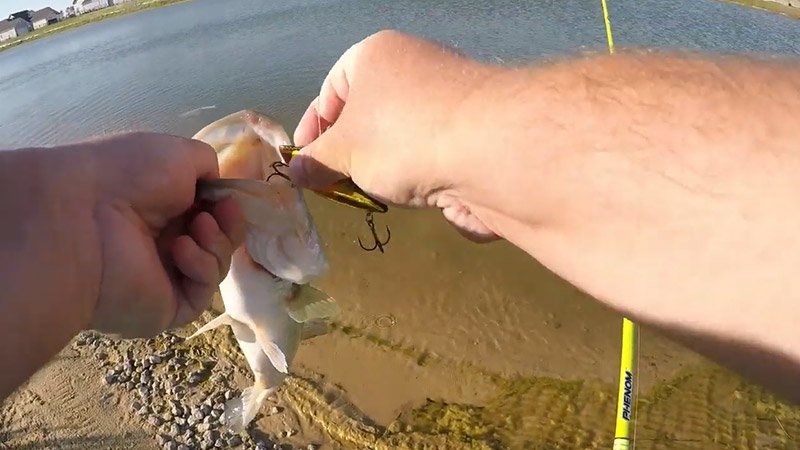
Have you ever wondered what happens when a fish swallows a hook? Do fish hooks dissolve in fish, or do they remain lodged inside, potentially harming the fish?
If you’re an angler or simply curious about the natural world, this question might have crossed your mind. You might be surprised by the answer, and knowing it could change how you think about fishing and fish welfare. Imagine the impact of your fishing habits and how a seemingly small piece of metal could affect the life of a fish.
Understanding what happens to fish hooks inside a fish isn’t just about curiosity—it’s about making informed choices that could improve your fishing experience and protect aquatic life. Dive into this article to discover the truth about fish hooks, their materials, and what science says about their fate. Your perspective on fishing might just change forever.
Fish Hooks And Their Materials
Understanding the materials fish hooks are made of is crucial for any angler. The choice of hook material can impact not only the success of your fishing trip but also the welfare of the fish. Let’s explore the different types of fish hooks and the materials they are commonly made from.
Types Of Fish Hooks
Fish hooks come in various shapes and sizes, each designed for specific fishing techniques and target species. Common types include:
- J-Hooks:Traditional and versatile, often used in general fishing.
- Circle Hooks:Known for reducing gut hooking, ideal for catch and release.
- Treble Hooks:Three-pronged, perfect for lures and artificial baits.
- Siwash Hooks:Long shank and single barb, great for spinnerbaits.
Have you ever wondered why one type of hook might work better than another? It often comes down to the material it’s made from.
Common Materials Used
The materials used in fish hooks greatly influence their performance and durability. Here are some common materials:
- High Carbon Steel:Offers strength and durability, but can rust if not maintained properly.
- Stainless Steel:Resistant to rust, making it suitable for saltwater fishing but harder on fish due to its toughness.
- Nickel-Plated:Provides a shiny finish and some rust resistance, though not as durable as stainless steel.
- Tinned Hooks:Coated for corrosion resistance, typically used in saltwater environments.
Have you ever checked the material of your hooks before heading out? Knowing the pros and cons of each material can give you an edge, ensuring you’re equipped for the right conditions.
Next time you prepare your tackle, consider the environmental impact and longevity of your hook choice. It might just lead to a more rewarding and sustainable fishing experience.

Credit: www.reddit.com
Myths Surrounding Fish Hooks
Myths surrounding fish hooks have been a topic of intrigue and debate among anglers for years. You might have heard tales about hooks magically disappearing inside a fish. But are these stories rooted in fact, or are they just part of fishing folklore?
Origin Of The Dissolving Myth
The idea that fish hooks dissolve inside fish may have started as a hopeful assumption. Anglers, concerned about the harm to fish, might have wished for a natural resolution. Over time, this wishful thinking evolved into a widely accepted myth.
Early fishing communities may have spread these tales, aiming to justify leaving hooks in fish. But the question remains: how much truth is there to these claims?
Popular Beliefs Among Anglers
Many anglers believe that fish hooks dissolve over time, minimizing harm to the fish. This belief is often passed down through generations of fishing enthusiasts. It’s comforting to think that nature takes care of what we leave behind.
Some anglers insist that certain hook materials, like those made of bronze or steel, degrade faster. But without scientific backing, these claims remain part of fishing lore. Have you ever wondered how these beliefs influence your fishing practices?
While myths can be compelling, it’s crucial to seek factual information. As a responsible angler, understanding the impact of hooks on marine life is essential. Next time you’re out on the water, consider the choices you make and their effects on the ecosystem.
Scientific Perspective
Understanding whether fish hooks dissolve in fish requires a dive into the science behind it. Many anglers and nature enthusiasts wonder if lost hooks pose a risk to fish or if they will eventually degrade. This section sheds light on the chemical properties of hook materials and environmental factors that influence corrosion.
Chemical Properties Of Hook Materials
Fish hooks are primarily made from metals like steel, aluminum, or alloys. Each of these materials has unique chemical properties that affect their durability and decomposition.
- Steel hooks are popular due to their strength and affordability. However, they are prone to rust, which eventually leads to breakdown.
- Aluminum hooks are lightweight and resistant to corrosion, but they might not dissolve as quickly in aquatic environments.
- Alloy hooks offer a balance of strength and corrosion resistance, designed to endure longer.
Choosing the right hook material can influence how quickly it will dissolve if lost in water. Are you considering the environmental impact while selecting your fishing gear?
Environmental Factors Affecting Corrosion
The environment plays a crucial role in determining the rate at which hooks dissolve. Water temperature, salinity, and pH levels are significant factors.
- Warmer waters tend to accelerate corrosion, potentially breaking down hooks faster.
- Saltwater environments are harsher, promoting quicker rusting and degradation of metal hooks.
- Acidic or alkaline water conditions can also impact the corrosion rate. Neutral pH levels may slow down the process.
Thinking of where you fish, have you noticed differences in hook durability between freshwater and saltwater locations? Your observations can guide ethical fishing practices that protect aquatic life.
Credit: www.battlbox.com
Impact On Fish Health
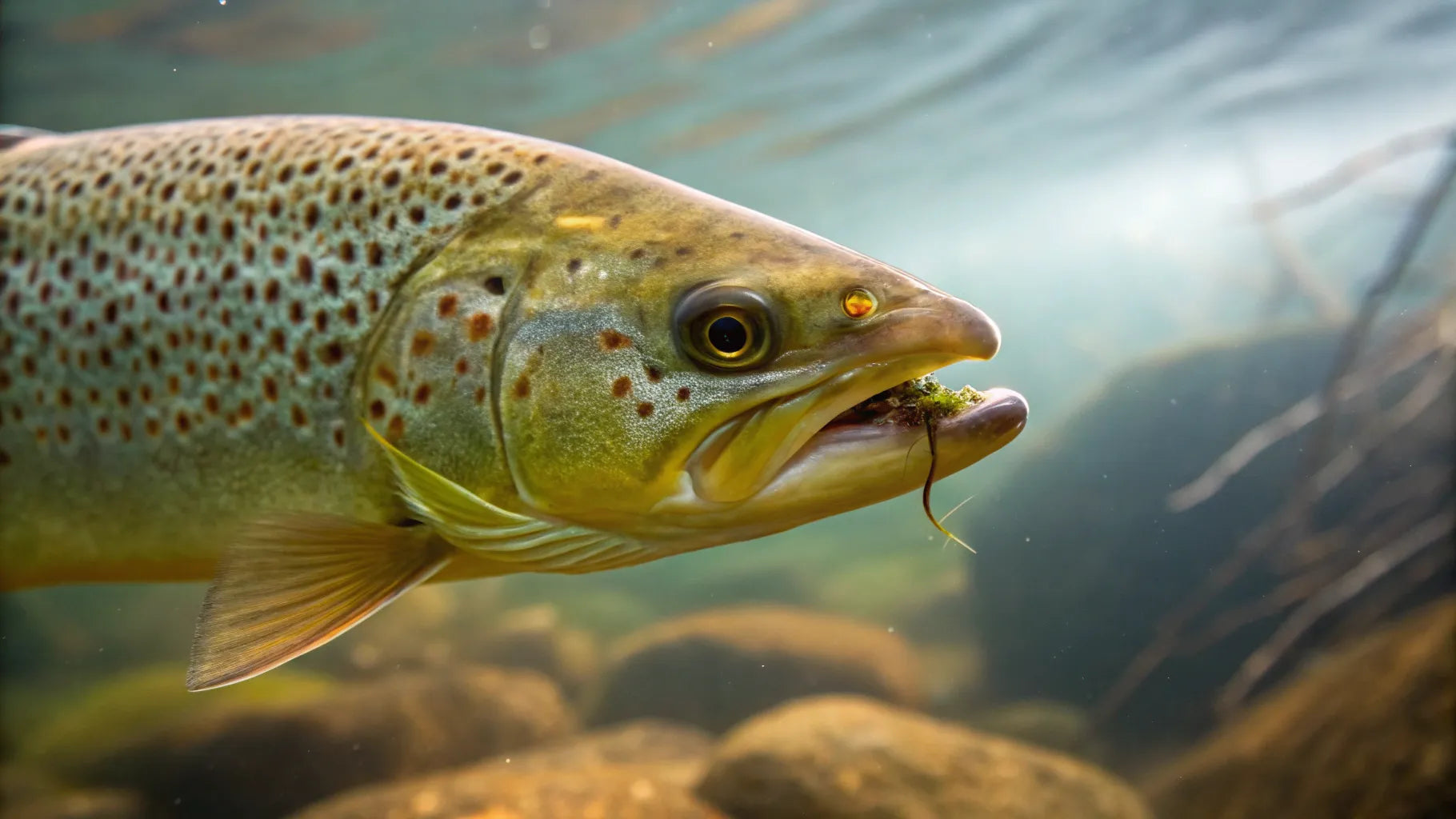
When a fish swallows a hook, it might seem like a small mishap, but the impact on fish health can be significant. Fish hooks often remain lodged, leading to various health issues. Understanding these impacts can help us become more responsible anglers and protect aquatic life.
Physical Effects On Fish
The immediate physical effects on fish can be quite distressing. Hooks can puncture vital organs, causing internal bleeding. You might have noticed a fish struggling more than usual after being hooked, an indication of the pain and injury it endures.
Additionally, a lodged hook can impair a fish’s ability to eat. Imagine trying to eat with a sharp object stuck in your mouth—it’s not just uncomfortable but potentially life-threatening. Fish could starve if they can’t remove the hook.
Long-term Health Consequences
Long-term health consequences can be even more severe. The presence of a hook can lead to infections. These infections can spread, weakening the fish over time.
Moreover, the stress from carrying a foreign object can have broader implications. Stress in fish is linked to decreased immune function, making them susceptible to diseases. This can significantly shorten their lifespan.
Have you ever considered how a single hook might affect an entire ecosystem? A decrease in fish health can disrupt the food chain, impacting other wildlife and even the fishing industry. Being mindful of these effects is crucial for sustainable fishing practices.
Fishing Practices And Ethics
Fishing hooks generally do not dissolve quickly in fish. They can take months or even years to break down. Proper disposal and ethical fishing practices help reduce harm to fish populations and the environment.
Fishing practices and ethics are crucial topics for any angler. They ensure that our love for the sport doesn’t harm the environment or the creatures we aim to catch. The question of whether fish hooks dissolve in fish ties directly into these practices, prompting us to reflect on the broader implications of our actions on aquatic life.Catch And Release Techniques
Catch and release is a widely embraced practice among ethical anglers. This approach allows fish to be returned to the water unharmed, ensuring they continue to thrive. To improve survival rates, consider using barbless hooks and handling fish with wet hands to minimize stress and injury. When releasing a fish, avoid holding it by the gills or squeezing its body. Instead, support the fish gently under its belly and allow it to swim out of your hands. This respectful handling demonstrates a commitment to sustainability and the health of fish populations.Responsible Angling Practices
Responsible angling extends beyond just catching and releasing fish. It involves using gear that minimizes harm, such as circle hooks that reduce gut hooking. It also means being mindful of the fishing location, ensuring it’s legal and not overfished. Dispose of fishing lines and hooks properly to prevent wildlife entanglement. Consider participating in local cleanup efforts to protect waterways. These actions not only preserve the environment but also set a positive example for others in the fishing community. Have you ever considered how your fishing habits impact the ecosystem? By embracing ethical practices, you contribute to a healthier environment and a more sustainable future for fishing.Alternatives To Traditional Hooks
Fishing enthusiasts often question the impact of lost hooks on fish and the environment. Traditional hooks are metal and can remain in the water for years. This concern leads to the search for alternatives that are safer and more eco-friendly. Let’s explore some innovative options that aim to address these challenges.
Biodegradable Hooks
Biodegradable hooks are designed to break down over time. They are made from materials that nature can decompose. This ensures that even if a hook is lost, it won’t linger in the ecosystem for long. These hooks provide a safer option for fish and other aquatic life. By choosing biodegradable options, anglers contribute to cleaner waters and healthier fish populations.
Innovative Designs
Innovative hook designs are changing the fishing landscape. These designs focus on minimizing harm to fish. Some hooks feature barbless designs, reducing injury during catch and release. Others incorporate quick-release mechanisms, allowing easy detachment. These hooks aim to blend efficiency with care for aquatic life. Anglers can enjoy their sport while ensuring fish safety.

Credit: www.youtube.com
Frequently Asked Questions
Can Fish Dissolve Fish Hooks?
Fish cannot dissolve fish hooks. Hooks are made of metal, which does not break down in a fish’s body. Hooks may rust over time, but this process takes longer than a fish’s lifespan. Removing hooks gently is crucial to minimize harm to the fish.
What Happens If A Hook Stays In A Fish?
A fish can survive with a hook if it doesn’t cause severe injury. The hook may rust away or dislodge over time. If the hook is in the mouth, the fish might continue eating normally. It’s best to remove the hook gently to prevent further harm.
Can A Fish Survive With A Hook Inside It?
A fish can sometimes survive with a hook inside it, but it depends on the hook’s size and location. Hooks can cause internal injuries or infections. Removing the hook gently or cutting the line close can increase survival chances. Always practice catch-and-release fishing carefully to minimize harm.
Is There Such A Thing As Dissolving Fish Hooks?
Yes, dissolving fish hooks exist. They are designed to biodegrade in water over time. These hooks minimize harm to fish and the environment. Made from materials like corrodible metals, they break down naturally, reducing the risk of injury or death to fish if lost or swallowed.
Conclusion
Fish hooks in water don’t dissolve quickly. Instead, they take time. This means hooks can stay in fish for a while. Anglers should use safe fishing methods. Choose biodegradable hooks if possible. This helps protect fish and the environment. Also, handle caught fish with care.
Reduce the risk of injury from hooks. Understanding these facts aids in responsible fishing practices. Protect our aquatic life. Make informed choices when fishing. Enjoy the sport while caring for nature. Remember, every little action counts. Let’s keep our waters safe for all creatures.