

Have you ever watched the Olympics and wondered why white water rafting isn’t among the thrilling sports featured? If you love adventure and the rush of the rapids, this question might have crossed your mind.
Imagine the power of the current, the teamwork, and the sheer excitement. You might think it’s a perfect fit for the global stage of the Olympics. But is it? What keeps this adrenaline-pumping sport from being included? You’re about to uncover the surprising truths and intriguing possibilities surrounding white water rafting’s Olympic status.
Keep reading to discover why this exhilarating sport hasn’t made the cut and what the future might hold.
History Of White Water Rafting
White water rafting has long captivated thrill-seekers and nature lovers alike. But have you ever wondered about its journey through time? The history of this exhilarating sport is as turbulent and exciting as the rapids themselves. Let’s navigate through its origins and see how it evolved into the global phenomenon it is today.
Origins And Evolution
White water rafting began as a necessity rather than a leisure activity. Indigenous peoples and early explorers used rafts to navigate treacherous waters for trade and exploration. In the 19th century, adventurous spirits in the United States and Europe began to see rafting as a recreational activity. The invention of inflatable rubber rafts in the 1940s by the U.S. military further propelled its popularity, making the sport more accessible and safer.
By the 1970s, organized rafting tours and competitions emerged, setting the stage for modern white water rafting. The sport’s official recognition by various international bodies sparked a new wave of enthusiasm and innovation.
Popularity And Global Reach
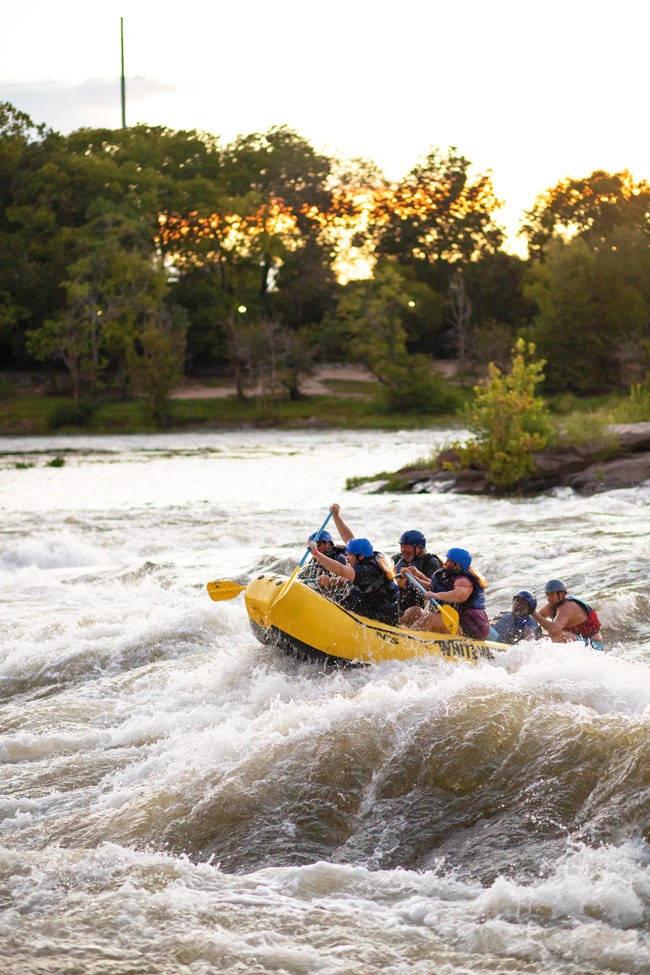
Today, white water rafting is enjoyed on every continent except Antarctica. Countries like the United States, Costa Rica, and New Zealand boast some of the most challenging and picturesque rafting routes. The sport’s universal appeal lies in its ability to cater to all levels of expertise. Whether you’re a beginner or a seasoned rafter, there’s a river out there that matches your skill level.
Have you ever considered how far you’d travel for a thrilling experience? Many enthusiasts plan entire vacations around rafting, exploring new cultures and landscapes along the way. This global reach has led to a thriving community that shares stories, tips, and a passion for the untamed waters.
Credit: www.mantripping.com
Criteria For Olympic Sports
When you think of the Olympics, images of athletes pushing the limits in various sports might flash through your mind. But have you ever wondered what makes a sport eligible for this global stage? The criteria for Olympic sports are a blend of tradition, global appeal, and rigorous standards. Understanding these criteria can shed light on why some sports make the cut, while others, like white water rafting, are still striving for inclusion.
Selection Process
The selection process for Olympic sports is both fascinating and complex. It involves a detailed evaluation by the International Olympic Committee (IOC). The committee looks at factors like the sport’s history, popularity, and the potential for gender equality. You might be surprised to learn that the decision isn’t just about physical prowess; it’s about showcasing diversity and excitement to a worldwide audience.
Consider this: Why do sports like surfing and skateboarding, which were once considered niche, now have a place in the Olympics? Their growing popularity and youthful energy make them appealing additions. Could white water rafting capture similar interest and excitement?
Requirements For Inclusion
To be included in the Olympics, a sport must meet specific requirements. Global reach is crucial—sports should be practiced widely across continents. This ensures that athletes from different backgrounds can compete. Additionally, the sport should have an organized governing body that ensures fair play and standardized rules.
Imagine the thrill of watching rafters navigate tumultuous waters, showcasing skill and teamwork. But before white water rafting can join the Olympic roster, it needs to demonstrate widespread appeal and robust organizational structure. Could the adrenaline rush it offers captivate audiences and fulfill these requirements?
White Water Rafting As A Competitive Sport
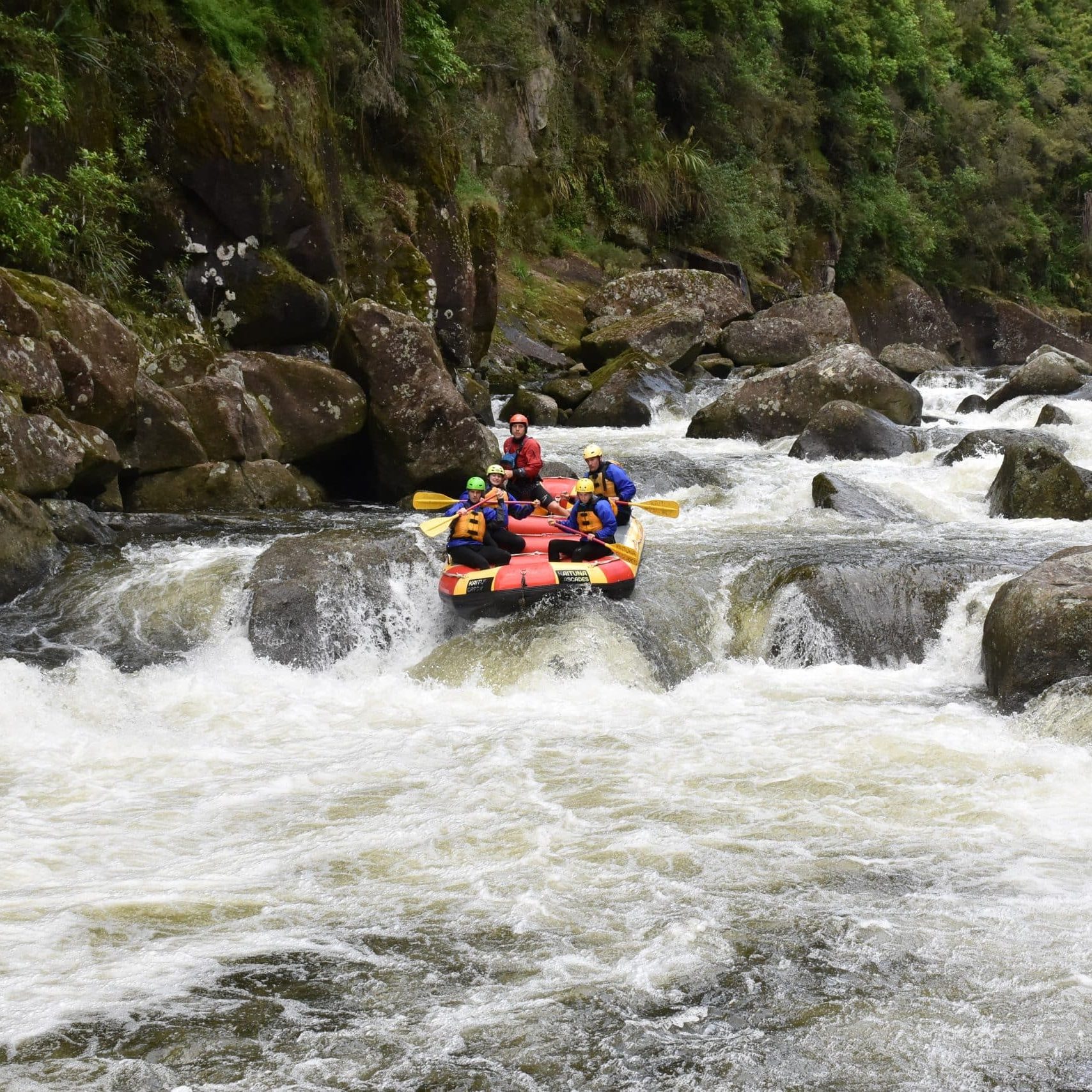
White water rafting captivates thrill-seekers worldwide. This exciting sport demands teamwork and skill. It has evolved beyond recreational activity to competitive sport status.
Rafters navigate challenging rapids in high-energy races. The sport tests endurance, strategy, and precision. Passionate athletes push limits to compete in this exhilarating arena.
International Competitions
White water rafting features in various global competitions. The International Rafting Federation organizes major events. These events attract skilled teams from around the world.
Competitions take place in diverse locations. Rivers provide unique challenges based on their terrain. Teams compete for prestige and recognition on international stages.
Rules And Regulations
Competitive rafting follows strict rules and regulations. Safety is a top priority in these events. Teams must adhere to guidelines for fair competition.
Races include timed sections and technical maneuvers. Judges assess performance and ensure compliance. Proper conduct is crucial for maintaining the sport’s integrity.
Credit: kaitunacascades.co.nz
Challenges In Olympic Inclusion
White water rafting is an exciting sport. Many enthusiasts wonder why it isn’t in the Olympics. The journey to Olympic inclusion isn’t easy. The challenges are numerous and complex. Understanding these challenges provides insight into the Olympic selection process.
Logistical Concerns
Organizing white water rafting at the Olympics is tough. It requires specific venues with suitable rapids. Not every host city has these natural resources. Building artificial courses is costly and time-consuming. Transportation of equipment and teams adds complexity. The logistics need careful planning and significant investment.
Safety And Accessibility
Safety is crucial in white water rafting. The sport involves navigating through turbulent waters. Ensuring athlete safety is challenging. It requires trained professionals and strict protocols. Accessibility is another concern. Not all countries have access to suitable training locations. This limits the number of participating nations. The Olympic committee considers these factors carefully.
Case Studies Of Similar Sports
Exploring sports like white water rafting helps determine its potential as an Olympic sport. Analyzing other similar water sports provides insights into its suitability for inclusion in the Olympic Games.
White water rafting is not yet an Olympic sport, but it shares similarities with other water-based sports that have made their mark in the Olympics. Exploring these sports provides insights into how they gained recognition and the lessons that could be applied to white water rafting.Canoeing And Kayaking
Canoeing and kayaking are established Olympic sports. They feature different styles, such as sprint and slalom events. Both sports require skill and precision. Athletes navigate through challenging courses, which test speed and technique. Their inclusion in the Olympics underscores the potential for dynamic water sports like rafting to gain recognition. The structured competitions and global interest in canoeing and kayaking offer a blueprint for rafting enthusiasts aiming for Olympic status.Success Stories And Lessons Learned
The journey of canoeing and kayaking in the Olympics is inspiring. Athletes have achieved incredible feats, pushing boundaries and setting records. Their success stories highlight the importance of developing talent and investing in training facilities. These sports have grown through organized events and international competitions. They have taught valuable lessons in marketing and audience engagement. Understanding these factors could help propel white water rafting to greater prominence on the global stage.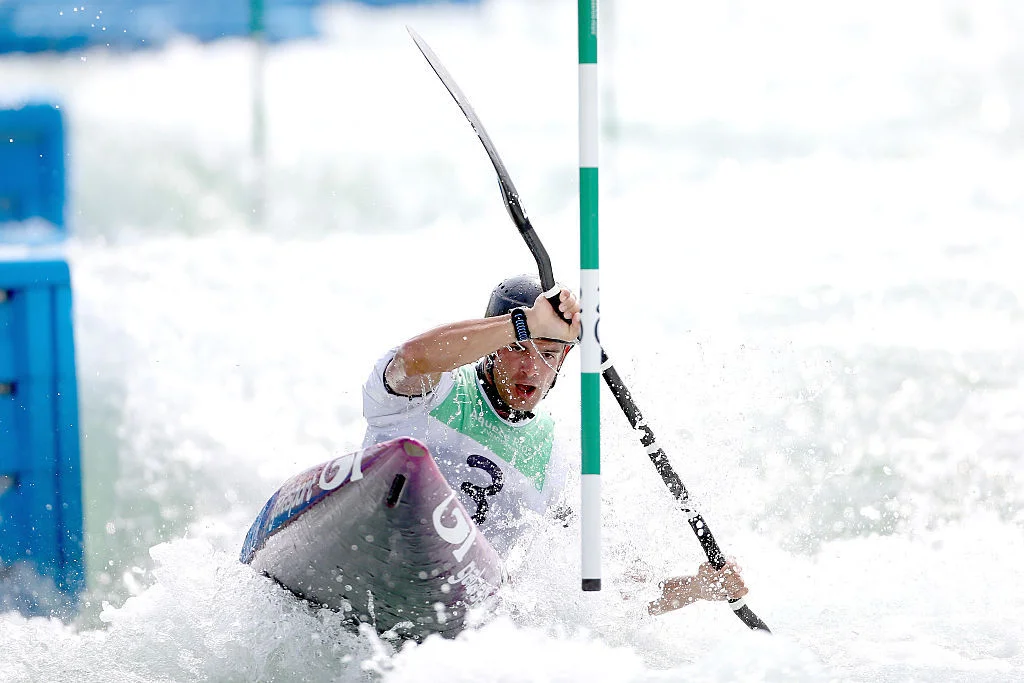
Credit: fyfluiddynamics.com
Future Prospects
White water rafting has captured the hearts of adventure seekers worldwide. Its thrilling nature and teamwork make it a candidate for Olympic inclusion. Many enthusiasts wonder about its future in the global sports arena.
Potential For Growth
White water rafting has seen a rise in popularity. More people are participating in this adrenaline-filled activity. The sport’s growth is evident in new rafting locations and competitions globally. It’s becoming a staple in adventure tourism. This popularity could fuel its Olympic aspirations. Increased exposure may lead to international recognition. The sport’s thrilling nature appeals to audiences, drawing attention from diverse groups. This growth presents opportunities for greater investment and development.
Advocacy And Efforts
Several organizations are pushing for white water rafting’s Olympic inclusion. They highlight the sport’s unique challenges and team dynamics. Advocacy groups emphasize rafting’s global appeal. Efforts focus on standardizing rules and safety measures. These steps ensure fair play and enhance competitiveness. Support from national sports federations boosts its chances. Collaborative efforts aim to showcase rafting’s potential as an Olympic sport. Key figures in the rafting community are leading the charge. Their passion and commitment drive these initiatives forward.
Frequently Asked Questions
Is Whitewater An Olympic Sport?
Yes, whitewater is an Olympic sport. It features in the Canoe Slalom event. Athletes navigate through a challenging whitewater course. The sport tests speed and precision. It has been part of the Olympics since 1972.
What Is The New Water Sport In The Olympics?
Surfing is the new water sport added to the Olympics. It made its debut at the Tokyo 2020 Games. This sport involves athletes riding waves using surfboards, showcasing skill and agility. Surfing’s inclusion highlights the Olympics’ embrace of diverse sports and growing global popularity.
Which Sport Is Not In The Olympics?
Cricket is not currently included in the Olympics. Despite its global popularity, it hasn’t been an Olympic sport since 1900. Efforts are ongoing to reintroduce it in future Games. Other sports not in the Olympics include squash and chess.
Is Finswimming An Olympic Sport?
Finswimming is not currently an Olympic sport. It is governed by the CMAS and featured in the World Games. Enthusiasts hope for its inclusion in future Olympic events.
Conclusion
White water rafting offers thrilling adventure and intense teamwork. It’s not yet an Olympic sport, but it has potential. The sport’s excitement and skill draw global interest. Fans hope for its inclusion in future games. Until then, rafting remains a popular outdoor activity.
It challenges individuals and strengthens bonds. Whether Olympic or not, the sport’s appeal is undeniable. Rafters continue to enjoy its adrenaline rush. Safety remains a priority, ensuring fun for all. Explore this sport and experience its unique challenges. Rafting’s future in the Olympics remains uncertain, but its spirit thrives worldwide.