

Are you curious about the thrilling world of Olympic water sports? You’re about to dive into a fascinating exploration of these exhilarating activities.
Water sports in the Olympics aren’t just about swimming; they encompass a variety of events that test speed, strength, and skill in the aquatic realm. From the heart-pounding races of swimming to the graceful elegance of synchronized diving, the Olympic Games showcase the very best in water-based competition.
Imagine the adrenaline rush, the splash of water, and the roar of the crowd as athletes push their limits. Whether you’re a sports enthusiast or just eager to learn more, this article will reveal the captivating variety of water sports that make waves at the Olympics. Get ready to be hooked and discover the exciting events that keep you on the edge of your seat!
Olympic Swimming
Olympic Swimming is one of the most watched sports in the Olympics. It showcases incredible speed, skill, and endurance. Swimmers from around the world compete in various styles and distances. The events are thrilling and the competition fierce. Many athletes train for years to qualify for this prestigious event.
Events And Distances
The Olympic swimming events feature a variety of styles. These include freestyle, backstroke, breaststroke, and butterfly. Swimmers race over different distances. Short races like the 50-meter freestyle are about speed. Longer races like the 1500-meter freestyle test endurance. There are also medley events. These combine different strokes in one race. Team relays add an exciting team element to the competition.
Famous Olympic Swimmers
Many swimmers have become legends at the Olympics. Michael Phelps is a household name. He holds the record for the most Olympic gold medals. Katie Ledecky is another star. She excels in long-distance freestyle events. Ian Thorpe, known as the “Thorpedo,” is famous for his performances. These athletes inspire future generations of swimmers.
Records And Achievements
Olympic swimming records are constantly challenged. Michael Phelps set many records during his career. His achievements are celebrated worldwide. New swimmers strive to break these records. They push the limits of human ability. World records can fall during any Olympic Games. Each record represents years of hard work and dedication.
Credit: www.olympics.com
Diving Competitions
Diving competitions are a thrilling part of the Olympic water sports lineup. Athletes perform acrobatic jumps and dives from springboards or platforms, showcasing skill and precision. These events captivate audiences with their blend of artistry and athleticism.
Diving competitions in the Olympics are a mesmerizing blend of athletic prowess and artistic grace. These events showcase divers leaping from heights, performing acrobatics mid-air, and executing precision entries into the water. Watching these athletes can feel like witnessing poetry in motion, leaving you in awe of their talent. But what makes these competitions even more fascinating is the intricate scoring system and the unique challenges posed by different diving platforms.Platform And Springboard
In Olympic diving, athletes compete on two types of apparatus: the platform and the springboard. The platform diving events are held from a height of 10 meters. Imagine standing atop a three-story building and leaping into the air—it’s not for the faint-hearted. Divers from the platform perform intricate flips and twists, making the most of the height to achieve complexity and elegance. The springboard, on the other hand, is a flexible board that allows divers to gain height through the force of their jump. It sits 3 meters above the water, and the bounce adds an extra dimension to the dive. This requires impeccable timing and control, as the board’s recoil can either enhance or hinder a dive. Which type of diving would you dare to try?Scoring Criteria
The judging of Olympic diving is a meticulous process. Each dive is evaluated on several factors, including execution, difficulty, and entry into the water. Judges look for clean, splash-free entries and flawless form in the air. Did you know that even the smallest splash can significantly lower a diver’s score? The difficulty of the dive also plays a crucial role. Divers perform a range of maneuvers with varying levels of complexity, and more challenging dives carry higher potential scores. It’s a delicate balance between risk and reward—choosing a dive that showcases skill while maximizing points. If you were a diver, would you opt for a safer dive or push the boundaries with a high-risk move?Notable Olympic Divers
Throughout Olympic history, certain divers have etched their names into the annals of greatness. Greg Louganis, often hailed as one of the best, won multiple gold medals with his exceptional technique and fearless dives. His performance in the 1988 Olympics, despite a head injury, remains legendary. Another remarkable diver is Fu Mingxia from China, who won her first gold medal at just 13 years old. Her youthful exuberance and flawless dives captivated audiences worldwide. Which Olympic diver inspires you to reach for new heights? These athletes exemplify the dedication and courage required to excel in diving. As you watch the next Olympic diving competition, consider the skill and bravery it takes to leap into the unknown, trusting your training and instincts.Artistic Swimming
Artistic swimming combines dance and acrobatics in water, showcasing athletes’ grace and flexibility. It’s part of the Olympic water sports lineup, celebrated for its synchronized routines and stunning performances.
Artistic Swimming is a mesmerizing blend of athleticism and artistry, captivating audiences with its graceful movements and synchronized performances. This sport, formerly known as synchronized swimming, has been a part of the Olympic program since 1984. It challenges athletes to display both physical strength and creative expression in the water. Whether you’re watching a solo performance or a team routine, the elegance and precision of artistic swimming are truly awe-inspiring.Team And Solo Performances
In artistic swimming, athletes compete in both team and solo events. Team performances involve groups of swimmers executing perfectly synchronized routines, showcasing teamwork and coordination. The solo performances, on the other hand, allow individual swimmers to shine, demonstrating their personal flair and technique. Each format presents unique challenges and opportunities for athletes to express their creativity and athletic prowess.Choreography And Music
Choreography is a crucial element of artistic swimming, dictating the flow and style of each routine. Swimmers and coaches work together to design intricate sequences that highlight strengths and tell a story. Music selection plays a vital role, setting the tone and rhythm for the performance. The right music can enhance the emotional impact and elevate the entire routine to a new level. Have you ever wondered how a song choice can transform a performance?Iconic Routines
Throughout Olympic history, many artistic swimming routines have left a lasting impression. Iconic performances are often remembered for their creativity, complexity, and emotional resonance. These routines push the boundaries of the sport and inspire future generations of swimmers. Some routines become legendary, etched in the minds of fans and participants alike. What makes a routine unforgettable to you?Water Polo
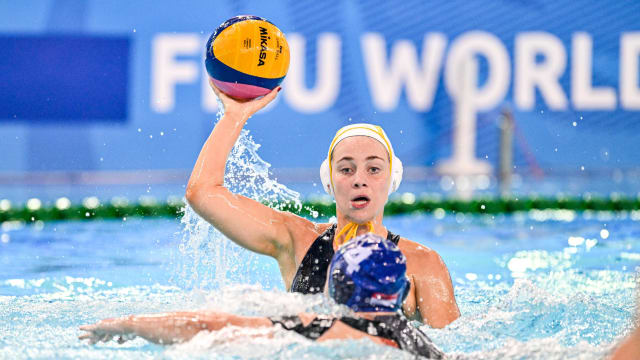
Water Polo is an exciting Olympic water sport. It combines swimming, teamwork, and strategy. Played in a pool, it requires strength and endurance. Two teams compete to score goals. Players pass the ball while treading water. It’s fast-paced and thrilling to watch.
Rules And Gameplay
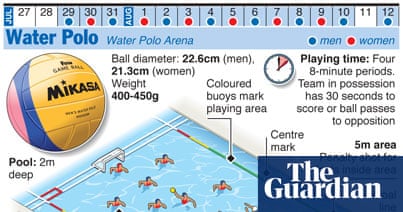
Water Polo has unique rules. Each team has seven players, including a goalie. Matches last four periods, each eight minutes long. Players cannot touch the pool floor. Passing and shooting occur while treading water. Goals are scored by throwing the ball into the opponent’s net. Fouls result in free throws or exclusions. Players must avoid holding or sinking opponents.
Top Teams And Players
Several countries excel in Water Polo. Hungary, Italy, and Serbia are top contenders. The USA and Spain also have strong teams. These nations produce skilled and competitive players. Famous players include Dezső Gyarmati from Hungary. He won three Olympic gold medals. Manuel Estiarte from Spain is another legend. He participated in six Olympic Games. These athletes inspire future generations.
Olympic History
Water Polo has a rich Olympic history. It debuted in 1900 at the Paris Games. Initially, only men’s teams competed. Women’s Water Polo joined in 2000 at the Sydney Olympics. Hungary has been particularly successful. They have won nine gold medals. This makes them the most successful nation in Water Polo history. The sport continues to grow in popularity worldwide.
Canoe And Kayak
Canoe and kayak races are thrilling water sports included in the Olympics. These events showcase speed and skill on water, captivating audiences worldwide.
Canoe and kayak events in the Olympics showcase thrilling water sports. These events demand strength, precision, and teamwork. Competitors navigate through water at incredible speeds. Both sports have unique styles and challenges.Sprint And Slalom
Canoe and kayak have two main disciplines: sprint and slalom. Sprint is all about speed. Athletes race in calm water over a straight course. The goal is to reach the finish line first. Slalom is more complex. Competitors navigate through a course with obstacles in turbulent water. They need agility and quick decision-making.Equipment And Techniques
Canoes are open and paddled with a single-bladed paddle. Kayaks are closed and use a double-bladed paddle. Each sport requires distinct techniques. In sprint, athletes focus on power and rhythm. In slalom, they need precise control and balance. Equipment must be lightweight and durable. It should withstand the challenges of competitive racing.Memorable Olympic Moments
The Olympics have seen unforgettable canoe and kayak moments. In 1992, Germany’s Birgit Fischer won gold in sprint. She became the most decorated Olympic kayaker. In 2008, Slovakia’s Michal Martikán excelled in slalom. His skill and strategy were outstanding. These moments inspire future generations of athletes.Rowing Events
Rowing is a classic Olympic water sport. It showcases strength, teamwork, and strategy. Athletes compete in narrow boats, called shells, using oars. The sport has been part of the Olympics since 1900. Let’s dive deeper into the rowing events in the Olympics.
Types Of Races
Olympic rowing features two main types of races: sculling and sweep rowing. In sculling, rowers use two oars each. Common events include the single, double, and quadruple sculls. Sweep rowing involves each rower using one oar. Events include pairs, fours, and eights. Races are usually over a distance of 2000 meters. This tests both speed and endurance.
Team Dynamics
Teamwork is crucial in rowing. Each rower must synchronize with others. The coxswain, or “cox,” steers the boat and sets the pace. Communication is key. Good teams move as one unit. Every stroke must be perfectly timed. Teams train for years to achieve this harmony. Strong team dynamics often lead to Olympic success.
Legendary Olympians
Rowing has produced many legendary Olympians. Sir Steve Redgrave is a notable name. He won gold in five consecutive Olympics. Another legend is Elisabeta Lipa. She holds the record for most Olympic rowing medals. Their achievements inspire future generations. Watching these athletes compete is thrilling. Their dedication and skill are unmatched.
Sailing Challenges
Sailing in the Olympics presents unique challenges for athletes. Competitors must navigate unpredictable weather and tricky waters. Every sailor needs to adapt quickly to changing conditions. The variety of boats and courses adds to the complexity. It tests their precision and endurance. Let’s explore these challenges further.
Classes And Courses
Olympic sailing includes different classes, each with unique boats. These classes determine the type of race and rules. Common classes are Laser, Finn, and 49er. Courses vary from short sprints to long-distance challenges. Each race tests different skills and tactics. Sailors must be versatile and prepared for any scenario.
Strategies And Skills
Success in sailing requires sharp strategies. Sailors must read the wind and water currents. Decision-making is crucial to stay ahead of rivals. Tactics change with weather and sea conditions. Skilled sailors use their instincts and experience. They must balance speed with precision and control.
Olympic Sailing Stars
Olympic sailing has produced many legendary athletes. These stars inspire with their talent and determination. Names like Ben Ainslie and Anna Tunnicliffe stand out. They have set records and won numerous medals. Their achievements highlight the sport’s competitive nature. Upcoming sailors look to them for inspiration and guidance.
Credit: www.theguardian.com
Triathlon
Triathlon in the Olympics features three water sports: swimming, cycling, and running. Athletes start with a swim, showcasing their endurance. This demanding event tests versatility and stamina in varied environments.
Triathlon is an exciting Olympic event combining swimming, cycling, and running. Athletes need strength, speed, and strategy to succeed. This sport tests endurance and versatility. Competitors face unique challenges in each leg. Let’s explore the swim leg specifics, transition techniques, and memorable championship performances.Swim Leg Specifics
The swim leg is the first stage of the triathlon. Athletes start in open water, often a lake or sea. They must navigate waves and currents. It requires strong swimming skills and mental focus. Swimmers need to pace themselves to save energy for later stages. The distance varies, typically around 1.5 kilometers. Good technique and breathing are crucial. It’s a fast-paced part of the race.Transition Techniques
Transitions are key moments in triathlon. Athletes switch from swimming to cycling and then to running. Speed and efficiency in transitions save valuable time. Competitors practice quick changeovers, removing wetsuits and putting on cycling gear. Every second counts. Proper organization of equipment is essential. Some athletes use special gear like clipless pedals for faster transitions. Mastering transitions can lead to victory.Championship Performances
Triathlon has seen remarkable Olympic performances. Athletes push limits and break records. In Rio 2016, Gwen Jorgensen won gold with incredible consistency. Her swim, cycle, and run were perfectly timed. Alistair Brownlee’s victory in London 2012 showcased his dominance. He set a high standard for future triathletes. These performances inspire athletes worldwide. They demonstrate the spirit of triathlon and Olympic determination.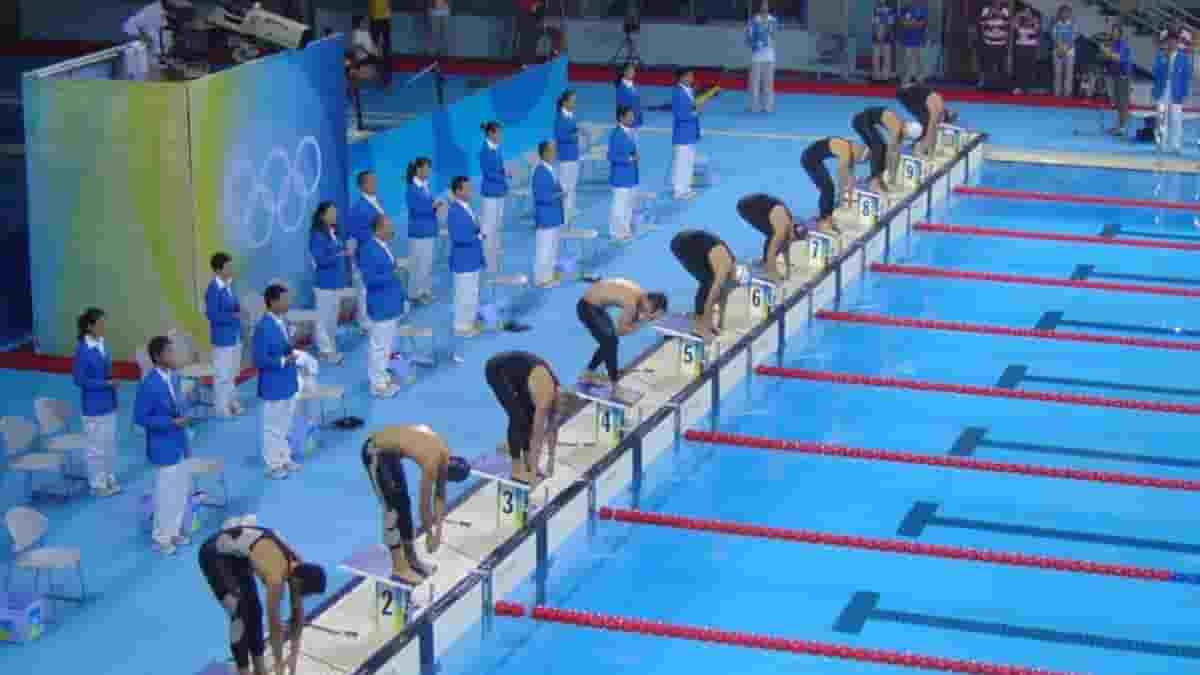
Credit: sportsdigest.in
Frequently Asked Questions
How Many Water Sports Are In The Olympics?
The Olympics feature four main water sports: swimming, diving, water polo, and artistic swimming. Each sport has various events. These exciting competitions showcase athletes’ skills and are a major highlight of the Games.
What Are The 37 Olympic Swimming Events?
The 37 Olympic swimming events include 18 men’s, 18 women’s, and 1 mixed relay. These cover freestyle, backstroke, breaststroke, butterfly, individual medley, and relays over various distances, from 50m sprints to 1500m races. Mixed medley relay is the only mixed-gender event.
What Is The New Water Sport In The Olympics?
Surfing is the newest water sport added to the Olympics. It made its debut at Tokyo 2020. Competitors showcase skills on shortboards in ocean waves, judged on maneuvers and speed. Olympic surfing has increased global attention and interest in the sport.
What Is The 8 Boat Olympics?
The “8 boat Olympics” likely refers to rowing events featuring eight-member teams. Rowing is a popular Olympic sport. Teams compete in various categories, showcasing strength and teamwork. The men’s and women’s eight are prestigious events, drawing global attention and celebrating athletic excellence.
Conclusion
Water sports in the Olympics offer excitement and skill. Each event showcases athletes’ dedication and teamwork. Swimming, diving, and rowing bring intense competition. Surfing and sailing add thrilling challenges. Olympic water sports unite global audiences. They inspire future generations and foster sportsmanship.
Watching these events can spark interest in participating. It’s not just about winning; it’s about passion and perseverance. Water sports in the Olympics highlight the beauty of human determination. Whether in the pool or on open waters, athletes shine. Their achievements remind us of the power of dreams.
Engage with these sports for pure excitement.
2 Responses