
Imagine slipping into a pair of yoga pants that feel like a second skin—soft, flexible, and perfectly comfortable. You probably adore how they move with you during every stretch and pose.
But have you ever wondered what makes yoga pants so incredibly comfortable? The answer lies in the fabric. Understanding what yoga pants are made of can help you make better choices for your wardrobe, ensuring ultimate comfort and performance. You’ll discover the secrets behind the fabrics used in yoga pants, helping you to choose the right pair for your needs.
Dive in to find out how the right material can elevate your yoga sessions and everyday wear to new heights.
Popular Fabrics For Yoga Pants
Yoga pants are commonly made from fabrics like polyester, spandex, and nylon. These materials offer flexibility and moisture-wicking properties. Cotton blends are also popular for their comfort and breathability.
Yoga pants have become a staple in many wardrobes, offering comfort and flexibility whether you’re hitting the gym or lounging at home. The secret to their versatility lies in the fabrics used. Different materials provide unique benefits, from breathability to stretchability, making each pair of yoga pants perfect for specific activities and personal preferences. Let’s dive into the popular fabrics that make yoga pants a beloved choice for so many.Cotton
Cotton is loved for its softness and breathability. Many people appreciate the natural feel of cotton against their skin, especially during low-impact activities like yoga or pilates. However, cotton tends to absorb moisture, which might not be ideal for high-intensity workouts where sweat-wicking is crucial.Polyester
Polyester is a popular choice for its durability and moisture-wicking properties. It keeps you dry by drawing sweat away from your skin. This makes polyester yoga pants ideal for intense workouts. Plus, they resist wrinkles, meaning you can toss them in your gym bag without worry.Nylon
Nylon is known for its strength and flexibility. It offers a silky smooth feel, making it comfortable for both exercise and casual wear. Nylon yoga pants often have a high level of stretch, supporting a wide range of movements. Additionally, they dry quickly, keeping you fresh during and after your workout.Spandex
Spandex, often blended with other fabrics, is all about stretch. It allows yoga pants to move with your body, providing a snug yet flexible fit. If you’ve ever wondered why your yoga pants hug your body so perfectly, spandex is the reason. However, too much spandex might reduce breathability, so it’s often combined with other materials to balance comfort and function. When choosing your next pair of yoga pants, consider what activities you’ll be doing and how each fabric meets your needs. Are you more about comfort, or do you need performance gear that keeps up with intense workouts? Your choice of fabric can make a significant difference in your yoga experience.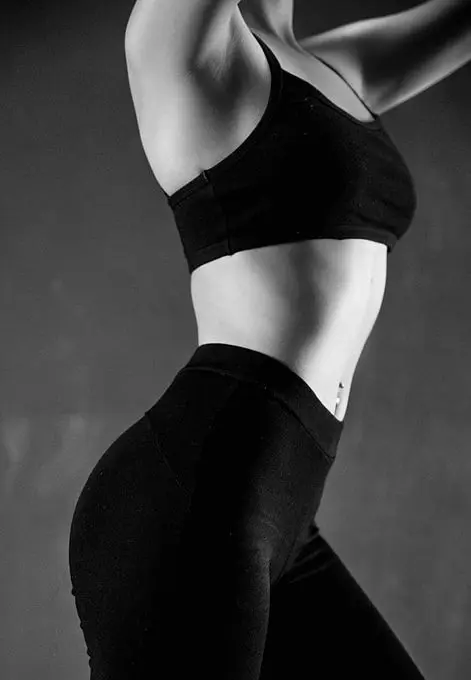
Credit: www.fluxmagazine.com
Benefits Of Fabric Choices
Yoga pants are often made from fabrics like spandex, nylon, and polyester. These materials offer flexibility and comfort, essential for smooth movement during yoga sessions. Breathability and moisture-wicking properties enhance the overall experience, keeping you cool and dry.
Yoga pants are popular for their comfort and versatility. The fabric choice plays a crucial role in the experience. Different materials offer distinct benefits, enhancing performance and comfort during yoga sessions. Let’s explore the advantages of various fabric choices in yoga pants.Breathability
Breathable fabrics make yoga sessions more comfortable. These materials allow air to circulate, reducing heat buildup. Cotton is a common choice for breathability. It lets your skin breathe, keeping you cool. This feature is essential during intense workouts. It prevents overheating and improves focus.Moisture Wicking
Moisture-wicking fabrics keep you dry. They pull sweat away from your skin. Polyester and nylon are popular for this quality. These materials dry quickly. They prevent that sticky feeling during exercise. Staying dry helps maintain comfort and hygiene. It also reduces the risk of chafing.Flexibility
Flexibility is key in yoga pants. Stretchy fabrics allow a full range of motion. Spandex and elastane are often used for this purpose. They provide the stretch needed for complex poses. This flexibility ensures unrestricted movements. It enhances performance and comfort.Durability
Durable fabrics extend the life of yoga pants. They withstand regular wear and washing. Nylon is a strong material known for its durability. It resists wear and tear, maintaining its shape. Durable fabrics save money in the long run. They ensure your yoga pants last through many sessions.Innovations In Fabric Technology
Yoga pants often use fabrics like polyester, nylon, and spandex. These materials offer flexibility and moisture-wicking properties. They ensure comfort and durability during workouts.
Yoga pants have come a long way with fabric technology. Comfort and performance are at the core of these innovations. Modern fabrics offer unique properties that enhance the yoga experience. Let’s explore some of these exciting advancements.Eco-friendly Materials
The demand for sustainable fashion is growing. Brands now use eco-friendly materials in yoga pants. Recycled polyester and organic cotton are popular choices. These materials reduce environmental impact. They offer durability and comfort for yoga enthusiasts.Thermal Regulation
Thermal regulation is vital for any workout gear. Advanced fabrics can adapt to body temperature changes. They keep you cool during intense sessions. They also retain warmth during cooler times. This ensures a comfortable experience in any climate.Antimicrobial Properties
Hygiene is crucial in activewear. Antimicrobial properties in fabrics prevent odor-causing bacteria. This keeps yoga pants fresh for longer periods. Silver ions and bamboo fibers are common antimicrobial agents. These materials ensure you stay fresh and confident throughout your practice.
Credit: www.amazon.com
Choosing The Right Fabric
Yoga pants often feature fabrics like polyester, spandex, and nylon for flexibility and comfort. These materials provide a snug fit and stretch needed for yoga movements. Breathability and moisture-wicking properties are also important for keeping you cool and dry during workouts.
Choosing the right fabric for yoga pants can enhance your practice. The fabric affects comfort, durability, and performance. Different activities, climates, and preferences need different materials. Understanding these factors helps in selecting the perfect pair.Activity Level
For high-intensity workouts, choose moisture-wicking fabrics. Materials like nylon and polyester keep sweat at bay. They dry quickly and maintain shape. If your practice is more relaxed, consider cotton blends. They offer softness and breathability, ideal for gentle stretching.Climate Considerations
The climate plays a crucial role in fabric choice. For hot weather, select lightweight and breathable fabrics. Polyester and spandex blends are great options. They offer ventilation and flexibility. In colder climates, opt for thicker materials. Fleece-lined leggings provide warmth and comfort.Personal Preferences
Personal preferences greatly influence fabric selection. Some prefer the softness of cotton for its comfort. Others prioritize the durability of synthetic blends. Consider how the fabric feels against your skin. Ensure it meets your style and comfort needs.Maintenance And Care
Yoga pants often consist of stretchy materials like nylon, polyester, and spandex. These fabrics offer comfort and flexibility. Proper care ensures they last longer, maintaining their shape and vibrant colors.
Maintaining and caring for yoga pants is essential for their longevity. The right fabric care ensures they remain comfortable and functional. Proper maintenance also helps preserve their color and elasticity. Follow these guidelines to keep your yoga pants in top shape.Washing Instructions
Wash yoga pants in cold water to maintain their color. Use a gentle cycle to prevent fabric damage. Avoid fabric softeners as they can weaken the fibers. Turn them inside out before washing to protect the outer surface. Use mild detergent for optimal results. Hand-washing can be a good alternative for delicate fabrics.Storage Tips
Store yoga pants in a cool, dry place. Avoid hanging them, which can stretch the fabric. Fold neatly to prevent creases and wrinkles. Keep them away from direct sunlight to maintain color. Use breathable storage containers to prevent moisture build-up.Longevity Of Fabrics
High-quality fabrics last longer with proper care. Lycra and spandex retain elasticity when cared for correctly. Cotton blends may require extra attention to avoid shrinkage. Regular maintenance extends the life of your yoga pants. Invest in quality fabrics for better durability and performance.
Credit: www.amazon.com
Frequently Asked Questions
What Fabric Is Used For Yoga Pants?
Yoga pants typically use fabrics like polyester, nylon, and spandex. These materials ensure stretch, comfort, and moisture-wicking. Cotton blends may also be used for breathability and softness. Choose fabrics that offer flexibility and durability for optimal performance during workouts.
What Material Are Lululemon Yoga Pants Made Of?
Lululemon yoga pants are primarily made of their patented fabric called Luon. This fabric includes a blend of nylon, Lycra, and polyester, offering stretch and comfort. They also use other fabrics like Nulu, Everlux, and Luxtreme, each designed for specific activities and comfort levels.
Should Yoga Pants Be Cotton?
Cotton yoga pants are breathable and comfortable, ideal for gentle yoga practices. They offer softness and natural stretch. For intense workouts, consider moisture-wicking fabrics like polyester or spandex for better sweat management. Choose based on personal preference and activity level to ensure comfort and performance.
What’s The Difference Between Leggings And Yoga Pants?
Leggings are typically thinner and used for casual wear. Yoga pants are thicker, stretchy, and designed for exercise. Yoga pants often have a fold-over waistband and moisture-wicking fabric. Leggings might lack these features but offer various styles and colors for everyday fashion.
Both are popular for comfort and versatility.
Conclusion
Yoga pants come in many fabrics, each offering unique benefits. Cotton feels soft and breathable, perfect for gentle activities. Nylon and spandex provide stretch and durability, ideal for intense sessions. Polyester blends wick away sweat, keeping you dry during workouts.
Bamboo fabric is eco-friendly and gentle on sensitive skin. Choosing the right material depends on your needs and preferences. Comfort, flexibility, and moisture management are key factors. Explore different options to find your perfect fit. Your choice impacts performance and experience.
Happy yoga practice!