
Have you ever found yourself puzzled about the size of a shoe box? Whether you’re trying to organize your closet, planning a crafty DIY project, or preparing to ship a pair of shoes, knowing the dimensions of a shoe box can make all the difference.
You might think that all shoe boxes are the same, but they actually come in a variety of sizes, and understanding these can simplify your life. You’ll discover the secrets behind shoe box dimensions and why they matter to you.
Ready to dive in and uncover the facts that could change how you see this everyday item? Keep reading, because what you learn here could save you time, effort, and maybe even a little frustration.
Standard Shoe Box Sizes
Shoe boxes come in various sizes, but some are standard across brands. Knowing these sizes helps in organizing and storing shoes efficiently. It also aids in purchasing the right storage solutions.
Men’s Shoe Box Size
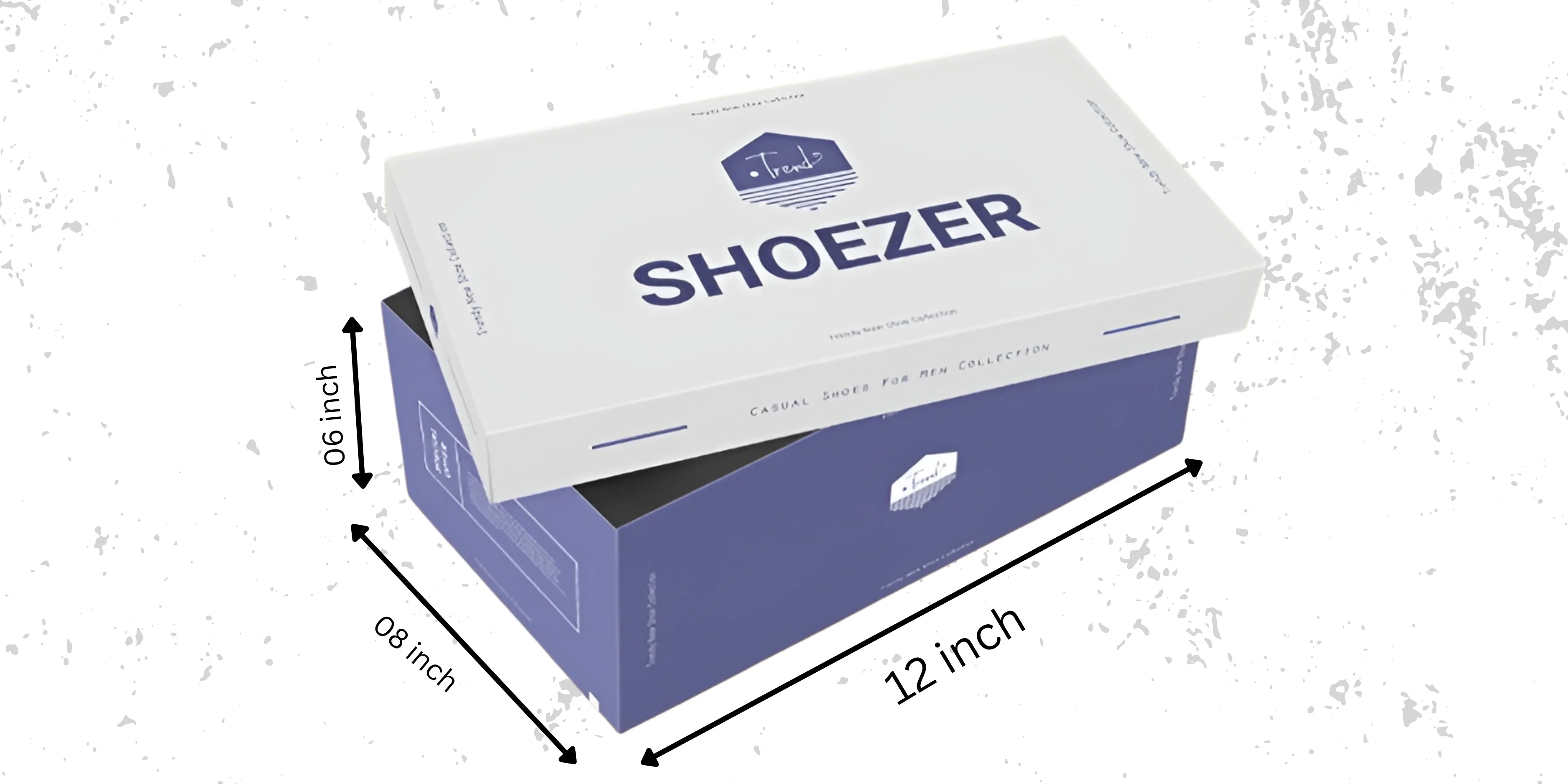
Men’s shoe boxes are usually larger to fit bigger shoe sizes. The typical dimensions are about 14 inches long, 10 inches wide, and 5 inches high. These boxes accommodate bulkier shoes like boots or sneakers.
Women’s Shoe Box Size
Women’s shoe boxes are often smaller than men’s. They measure around 13 inches long, 8 inches wide, and 4 inches high. These dimensions work well for most women’s shoes, including heels and flats.
Children’s Shoe Box Size
Children’s shoe boxes are the smallest. They typically measure 7 inches long, 5 inches wide, and 3 inches high. These boxes are perfect for tiny shoes that require less space.
Boot Shoe Box Size
Boot shoe boxes are larger to fit tall boots. They can be up to 18 inches long, 11 inches wide, and 6 inches high. These dimensions ensure that boots are stored without being squished.
Credit: www.expertcustomboxes.com
Factors Influencing Shoe Box Dimensions
The dimensions of a shoe box can vary significantly. Several factors influence these variations. Understanding these factors can help in choosing the right box. Let’s explore the key elements that dictate shoe box sizes.
Shoe Type Variations
Shoe type plays a crucial role in determining box size. Athletic shoes often require larger boxes for cushioning and support. Dress shoes, being sleeker, fit into smaller boxes. Boots, especially knee-high ones, need elongated boxes. Sandals and flats can be accommodated in compact boxes. Each shoe type demands specific dimensions to ensure proper fit and protection.
Brand Specifications
Each brand may have its own box dimensions. High-end brands often use larger boxes for aesthetics. Budget brands might opt for smaller boxes to save costs. Some brands customize boxes for unique designs. This ensures each product is perfectly housed. Brand identity can also influence box size and design.
Material Considerations
The material of the shoe impacts box dimensions. Heavier materials like leather might need sturdier boxes. Lightweight materials require less space and support. Some materials might need additional protection, affecting box size. The box material itself can also affect size. Cardboard thickness and strength can dictate the box’s overall dimensions.
Measurement Techniques
Measuring a shoe box involves noting its length, width, and height. These dimensions help in storage and packaging. Accurate measurements ensure the box fits the intended space and protects the shoes inside.
Understanding the dimensions of a shoe box can seem straightforward, yet it involves a few precise techniques to get accurate measurements. Whether you’re organizing your closet, planning a move, or selling shoes online, knowing the exact size of a shoe box is essential. Here, we’ll explore some practical measurement techniques that ensure you get the most accurate results.Using A Tape Measure
A tape measure is a handy tool most people have at home. To measure a shoe box, start by placing the box on a flat surface. Measure the length by stretching the tape from one end of the box to the other. Record this number. Next, measure the width by placing the tape across the top of the box. Again, jot down this measurement. Finally, measure the height by running the tape from the base to the top of the box. Ensure the tape is straight and not twisted, as this can affect accuracy.Digital Tools For Accuracy
In the age of technology, digital tools provide a modern twist on traditional methods. Smartphone apps can offer precision with minimal effort. Apps like Measure on iPhone use augmented reality to gauge dimensions. Simply point your camera at the box and let the app do the work. Digital calipers, though more commonly used in technical settings, can also be employed for smaller shoe boxes. They provide highly accurate readings, especially for depth measurements. Which method do you find more reliable—traditional tape measure or digital tools? Your choice might depend on convenience, but both offer valuable ways to ensure your shoe boxes are measured accurately.Custom Shoe Box Options
Custom shoe boxes cater to specific needs and preferences. They offer unique dimensions and materials. Customers can choose options that suit their style and values. These boxes enhance brand identity and customer satisfaction.
Tailored Dimensions For Specialty Shoes
Specialty shoes often require unique box dimensions. Boots and high heels need taller boxes. Sneakers might need wider options. Custom dimensions ensure a perfect fit for each shoe type. This prevents damage and improves presentation.
Eco-friendly Choices
Many brands opt for sustainable materials in packaging. Eco-friendly shoe boxes use recycled or biodegradable materials. This choice appeals to environmentally conscious consumers. It reduces environmental impact and promotes sustainability.
Impact Of Shoe Box Size On Shipping
The dimensions of a shoe box can significantly impact shipping. Larger boxes often mean higher shipping costs. Smaller boxes may lead to packing inefficiencies. Understanding these impacts can help optimize shipping strategies.
Cost Implications
Shoe box size affects shipping costs. Larger boxes take up more space. This can increase shipping fees. Carriers often charge based on volume. Even if the box is light, its size matters. Smaller boxes can reduce shipping costs. They fit more easily into shipping containers.
Packaging Efficiency
Efficient packaging can save money. Smaller boxes use less material. This reduces waste and cost. They also allow for more items in a shipment. This increases the number of shoes that can be shipped at once. Larger boxes might seem spacious but can be inefficient. They often require more filler material to protect contents.

Credit: www.amazon.com
Innovative Shoe Box Designs
In the world of footwear, shoe boxes are evolving. Brands are pushing boundaries with inventive designs. These boxes are not just for storage. They are becoming a part of the shopping experience. Unique designs attract customers and offer practical benefits. Let’s explore some innovative shoe box ideas.
Space-saving Solutions
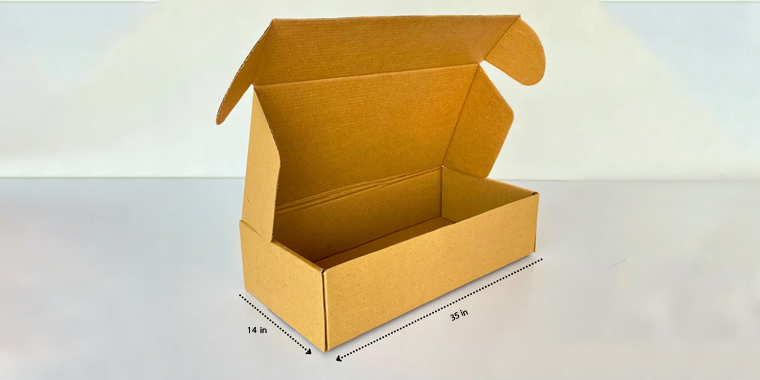
Shoe boxes can take up a lot of space. Space-saving designs help organize small closets. Some boxes fold flat when empty, saving room. Others stack neatly, maximizing vertical space. These designs keep shoes safe without cluttering your home.
Sustainable Materials
Environmental impact is a growing concern. Many brands are switching to sustainable materials. Recycled cardboard is common. It’s eco-friendly and sturdy. Some boxes use biodegradable plastics. This reduces waste and supports eco-conscious shopping.
Credit: customdesignsboxes.com
Frequently Asked Questions
What Are The Dimensions Of A Usps Shoebox?
The USPS shoebox dimensions are 7. 5 inches x 5. 125 inches x 14. 375 inches. This size is ideal for shipping shoes. It’s lightweight and efficient for mailing footwear. The box ensures safety and protection during transit. Perfect for customers and retailers needing reliable shoe shipping solutions.
What Size Parcel Is A Shoe Box?
A standard shoe box is typically a small parcel, measuring around 12 x 8 x 4 inches. Sizes may vary by brand and shoe type. Always check specific dimensions for accurate shipping.
What Is The Size Of A Nike Shoe Box?
Nike shoe boxes vary in size based on the shoe model and size. A typical box measures around 13 x 9 x 5 inches. For larger sizes, boxes can be slightly bigger. Always check the specific product details for exact measurements.
What Are The Dimensions Of An Operation Christmas Child Shoebox?
Operation Christmas Child shoebox dimensions are approximately 12 inches long, 7 inches wide, and 4 inches deep. These dimensions ensure that the box can hold various items, making it suitable for packing gifts and essentials for children. Always check for specific guidelines from the organization for any updates.
Conclusion
Understanding shoe box dimensions helps in organizing and storing shoes. Knowing the right size makes planning easier. It also aids in maximizing space. Shoe boxes come in various sizes for different types. Large boxes suit boots, while smaller ones fit flats.
Choose the correct box for your needs. This ensures protection and neat storage. Always check the dimensions before buying. This saves time and effort. A well-organized space brings peace. It also helps keep shoes in good condition. Start organizing today for a clutter-free tomorrow.
Happy shoe storing!