
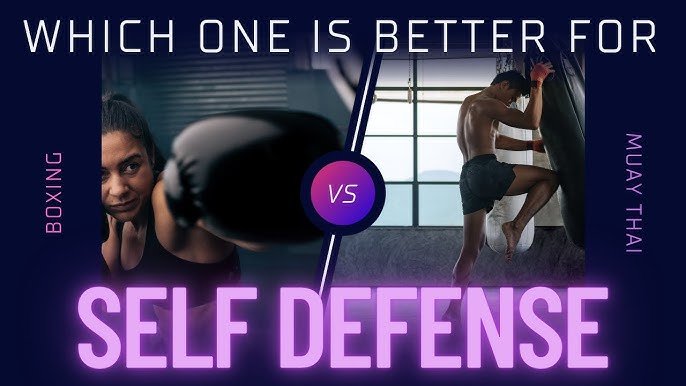
Have you ever wondered if boxing could be your secret weapon in self-defense? Picture this: you’re walking down a dimly lit street and suddenly, you find yourself in a situation that demands quick thinking and swift action.
Wouldn’t it be empowering to know that you have the skills to protect yourself? Boxing might just be the answer you’re looking for. This dynamic sport not only boosts your physical strength but also sharpens your mental agility. Imagine having the confidence to handle unexpected challenges with ease.
As you delve deeper into this article, you’ll discover why boxing could be the perfect self-defense solution for you. Ready to unveil the benefits and see if boxing is the right fit for your safety needs? Let’s explore together!
Boxing Basics
Boxing offers valuable skills for self-defense, combining strength, agility, and quick reflexes. It teaches you how to block, dodge, and counter attacks effectively. Practicing boxing can improve awareness and confidence in challenging situations.
Boxing is often celebrated for its thrilling matches and legendary fighters, but it also serves a vital purpose in self-defense. Understanding the basics of boxing can empower you with skills that transcend the ring and offer practical self-defense strategies. Let’s dive into some fundamental aspects of boxing that are essential for anyone looking to use it as a self-defense tool.Fundamental Techniques
Mastering the basic techniques of boxing is crucial for effective self-defense. Start with the stance: keep your feet shoulder-width apart, knees slightly bent, and hands up to protect your face. This stance not only prepares you for an offensive move but also shields you from potential attacks. Practice the jab, cross, hook, and uppercut. Each punch serves a unique purpose, from maintaining distance to delivering a powerful blow. Regularly drilling these moves enhances your muscle memory, allowing you to react swiftly in a self-defense situation. Footwork is equally important. Quick, light steps help you evade attacks and position yourself advantageously. Consider shadowboxing to refine these skills; it’s a great way to simulate real-life scenarios.Physical Conditioning
Boxing demands a high level of physical fitness, which is a significant benefit when considering it for self-defense. Cardio workouts, strength training, and agility exercises are integral parts of a boxer’s training regimen. Being physically fit can make a difference in a self-defense situation. Increased endurance helps you maintain energy and focus during a confrontation. Strength and speed give you the upper hand, whether you’re defending yourself or trying to escape a threat. Engage in regular training sessions to build these attributes. Not only will this improve your boxing skills, but it will also boost your confidence in handling challenging situations.Mental Toughness
Boxing is as much a mental game as it is a physical one. The sport teaches you how to stay calm under pressure, a vital skill in self-defense scenarios. Mental toughness allows you to assess situations quickly and make informed decisions. It helps you maintain composure and focus, even when faced with intimidating circumstances. By regularly training in boxing, you learn to overcome fear and anxiety. This mental resilience translates into everyday life, preparing you for unexpected challenges and enhancing your overall self-defense capability. Have you ever considered how mental preparation can impact your ability to defend yourself? Developing this aspect through boxing could be the key to staying safe and confident in any situation.
Credit: www.instagram.com
Self-defense Skills
Boxing is often seen as a sport of strength and strategy, but it offers valuable self-defense skills that can be incredibly effective in real-world situations. Whether you’re navigating a crowded street or just want to feel more secure, boxing equips you with the tools to protect yourself. Let’s delve into the essential self-defense skills you can gain from boxing.
Footwork And Movement
Good footwork is the foundation of boxing and a crucial self-defense skill. By mastering footwork, you learn how to maintain balance and control your distance. This helps you evade attacks and position yourself advantageously.
Imagine being able to quickly sidestep a potential threat or move out of harm’s way without losing your footing. Practicing footwork drills can enhance your agility and confidence in any situation. Have you ever noticed how boxers seem to float around the ring? That’s the power of skilled footwork.
Punching Power
Punching isn’t just about brute force; it’s about technique and precision. Boxing teaches you how to deliver powerful punches effectively. This skill can be a decisive factor in self-defense, allowing you to incapacitate an aggressor swiftly.
Learning to punch with proper form ensures maximum impact with minimal effort. It’s about channeling your body’s energy efficiently. Next time you throw a punch, think about the mechanics behind it—are you using your hips, shoulders, and core?
Defensive Maneuvers
Defensive skills in boxing are about more than just blocking punches. They involve a combination of head movement, parrying, and slipping to avoid attacks. These maneuvers can help you minimize damage and create opportunities to counterattack.
Consider a situation where you need to protect yourself—defensive maneuvers allow you to remain calm and composed. By practicing these techniques, you can develop a natural reflex to threats, making you harder to hit. How prepared are you to defend yourself when it really matters?
Incorporating these boxing skills into your self-defense repertoire can offer you peace of mind and a sense of empowerment. Why not give boxing a try and see how it can transform your approach to personal safety?
Comparing Boxing To Other Martial Arts
Boxing and martial arts have long been popular for self-defense. Each offers unique techniques and strategies. Understanding their differences helps in choosing the right one for your needs. Here, we explore how boxing compares with karate, jiu-jitsu, and mixed martial arts.
Boxing Vs. Karate
Boxing and karate both focus on striking techniques. Boxing uses punches like jabs and hooks. Karate emphasizes kicks and punches with disciplined stances. Karate practitioners train for controlled movements. They often incorporate defense techniques with strikes. Boxing prioritizes agility and quick reactions. It relies on footwork and timing to avoid hits. While boxing is fast-paced, karate blends speed with precision.
Boxing Vs. Jiu-jitsu
Boxing and jiu-jitsu differ significantly in approach. Boxing is a stand-up fighting style, focusing on punches. Jiu-jitsu is a grappling art. It involves ground fighting and submission holds. Boxing excels in striking and dodging attacks. Jiu-jitsu practitioners aim to control opponents on the ground. They use techniques like joint locks and chokeholds. Boxing requires strength and speed. Jiu-jitsu relies on leverage and technique over force.
Boxing Vs. Mixed Martial Arts
Mixed Martial Arts (MMA) combines various fighting styles. Boxing is a key component of MMA. It provides strong punching skills. MMA fighters use boxing for striking but also learn other techniques. MMA includes grappling, kicks, and ground fighting. Boxing focuses on hand skills and footwork. MMA offers a broader range of techniques. It demands versatility from fighters. Boxing provides a solid foundation for hand-to-hand combat.
Situational Awareness
Boxing skills enhance self-defense by boosting situational awareness. This crucial skill helps identify threats early, allowing for quick reactions. Being aware means noticing changes in the environment and behavior. It builds confidence, making you feel safer.
Assessing Threat Levels
Recognizing potential danger is vital. Boxing trains you to evaluate situations swiftly. Observe body language and facial expressions. Are they aggressive or calm? Look for signs of hostility. This assessment helps decide the best course of action.
Understanding Surroundings
Your environment plays a big role in self-defense. In boxing, you learn to scan the area. Are there escape routes? Is there anything you can use for protection? Understanding your surroundings aids in planning your response effectively.
Reacting To Aggressors
Quick reactions are key in self-defense. Boxing teaches precise movements and responses. If someone approaches aggressively, stay calm and ready. Position yourself to defend or evade. Use your boxing skills to protect yourself wisely.
Physical And Mental Benefits
Boxing enhances physical strength and agility, making it effective for self-defense. It also boosts mental resilience and confidence.
Boxing is not just about throwing punches; it offers a range of physical and mental benefits that make it an excellent choice for self-defense training. Imagine the transformative power of a workout that enhances your strength, boosts your confidence, and helps manage stress all at once. Whether you’re stepping into the ring or practicing in a gym, boxing can be a holistic approach to improving both body and mind.Fitness And Strength
Boxing is a full-body workout that targets various muscle groups. It helps build endurance, agility, and power. Regular boxing sessions can improve cardiovascular health, increase muscle tone, and enhance overall physical fitness. Think about the feeling of throwing a well-aimed punch with all your might. This action requires coordination, strength, and speed, all of which are developed through consistent practice. As you train, you’ll notice a significant improvement in your physical capabilities.Confidence Building
Every punch you throw in boxing builds more than just muscle—it builds confidence. Knowing that you can defend yourself in challenging situations boosts your self-esteem. This newfound confidence doesn’t just stay in the gym; it extends into your daily life. Imagine walking into a room with the assurance that comes from mastering a skill like boxing. It’s empowering and can change how you handle social interactions, work challenges, and personal relationships. Boxing teaches you resilience, making you feel more capable and self-assured.Stress Management
Ever felt the need to blow off steam after a long, stressful day? Boxing offers a productive outlet for stress release. The physical exertion of hitting a punching bag can be incredibly therapeutic. Boxing requires focus and discipline, which helps take your mind off everyday worries. The rhythm of training and the concentration it demands can be meditative, allowing you to leave stress behind and emerge with a clearer mind. Isn’t it fascinating how a sport can offer so many benefits beyond just physical fitness? Boxing does that, providing a comprehensive approach to self-defense and personal development.Real-life Applications
Boxing sharpens reflexes and boosts confidence, making it effective for self-defense. Its techniques teach quick thinking in tense situations.
Boxing is not just a sport; it’s a powerful tool for self-defense with real-life applications. As you learn to throw punches and move defensively, you gain skills that can be effectively used outside the ring. Understanding how boxing fits into various scenarios can enhance your confidence and preparedness in unexpected situations. Let’s explore how boxing can be beneficial in different environments.Street Encounter Scenarios
Imagine walking home late at night and sensing a potential threat. Boxing equips you with quick reflexes and the ability to assess threats rapidly. Your footwork learned in boxing helps you maintain balance and positioning, making it easier to dodge or deflect an attack. The striking techniques enable you to defend yourself effectively, even against larger opponents. But remember, it’s not just about punching your way out. Boxing teaches you to stay calm and think strategically, assessing whether it’s safer to stand your ground or to retreat.Home Defense Tactics
In the comfort of your home, boxing skills can still play a crucial role. Picture a scenario where an intruder enters your space. The discipline and focus from boxing training help you remain composed and alert. Your ability to move swiftly and strike with precision can be crucial in protecting yourself and your loved ones. Knowing how to position yourself advantageously within confined spaces adds another layer of defense. Beyond physical skills, boxing instills a mental toughness that is essential in high-pressure situations, enabling you to think clearly and act decisively.Personal Safety Strategies
How often do you consider personal safety in your daily routines? Boxing encourages you to be aware of your surroundings and anticipate potential dangers. You develop a keen sense of observation, noticing things others might miss. This heightened awareness is a cornerstone of personal safety, allowing you to avoid risky situations before they escalate. Boxing also builds confidence. This self-assurance is your first line of defense, as attackers often target those who appear vulnerable. By projecting confidence, you can deter threats before they become real problems. What are you doing today to enhance your personal safety? Perhaps boxing is the missing piece in your self-defense strategy.Training For Self-defense
Training for self-defense through boxing is a practical choice for many. It’s not just about learning to throw punches; it’s about building confidence, discipline, and physical fitness. When you step into a boxing gym, you’re entering a world where each jab and dodge could one day protect you. However, the path to mastering boxing for self-defense requires thoughtful decisions.
Finding The Right Gym
Your journey begins with finding the right gym. Look for a facility that prioritizes teaching self-defense techniques alongside traditional boxing skills. A gym that focuses solely on competitive boxing might not offer the defensive strategies you need. Visit different gyms, observe classes, and talk to members to get a sense of the environment. Is it welcoming and supportive? Do they emphasize practical self-defense scenarios? These factors are crucial in ensuring you get the training you’re looking for.
Choosing A Qualified Coach
A qualified coach can make all the difference in your training. You need someone who understands the nuances of boxing as a self-defense tool. Ask about their experience in teaching self-defense specifically. Have they worked with people of varying skill levels? Do they offer personalized guidance? A good coach will help you develop a strategy tailored to your strengths and weaknesses. They should also be able to teach you how to remain calm and composed in stressful situations.
Balancing Self-defense And Sport
Boxing is both a sport and a means of self-defense. How do you balance these aspects? It’s essential to focus on self-defense tactics while enjoying the sport. Engage in sparring sessions that mimic real-life scenarios. Practice defensive moves that allow you to evade or counter an attack effectively. At the same time, embrace the sport’s competitive spirit, which will boost your motivation and endurance. Consider what you want from boxing: protection or competition? Your answer will guide your training approach.
Boxing can be a powerful ally in self-defense. But the key lies in finding the right gym and coach, while balancing sport and defense. Are you ready to step into the ring and start your journey? Remember, every punch you learn is a step closer to confidence and safety.

Credit: www.instagram.com

Credit: www.tiktok.com
Frequently Asked Questions
Can Boxing Help You In A Street Fight?
Boxing can enhance your street fight skills. It improves hand-eye coordination, reflexes, and striking power. Boxing teaches you footwork and defensive techniques, helping you stay agile and avoid hits. While it offers advantages, remember street fights are unpredictable. Always prioritize personal safety and avoid conflicts when possible.
Which Sport Is Best For Self-defense?
Martial arts like Krav Maga, Brazilian Jiu-Jitsu, and Muay Thai are ideal for self-defense. They teach practical techniques and improve reflexes. These sports enhance physical fitness and boost confidence, providing effective defense skills in real-life scenarios. Consider personal preferences and goals when choosing a self-defense sport.
What Does God Say About Boxing?
The Bible doesn’t directly mention boxing. It emphasizes treating others with love and respect. Engaging in violent sports like boxing can conflict with biblical teachings on peace and non-violence. Christians often seek guidance through prayer and personal conviction regarding participation in such activities.
Can A Boxer Fight In Self-defense?
Yes, a boxer can fight in self-defense if threatened. Legal justification exists when facing imminent harm or danger. Training should focus on controlled responses to avoid unnecessary injury. It’s crucial to understand local laws and regulations regarding self-defense to ensure actions are legally permissible.
Conclusion
Boxing is a solid choice for self-defense. It builds strength and speed. You learn how to punch effectively. Footwork becomes second nature. Quick reflexes help in real situations. The training boosts confidence. Discipline develops over time. You gain mental toughness.
These skills are practical in self-defense. Boxing focuses on more than just physical power. It teaches strategy and timing. These can be crucial in dangerous situations. Remember, practice is key. Regular training enhances your abilities. Boxing can be a valuable tool for self-defense.
Consider adding it to your routine.