
Have you ever wondered just how much you can bench press if you’re comfortably dumbbell pressing 50 pounds? You’re not alone.
Many fitness enthusiasts find themselves asking this question as they strive to improve their strength and physique. Knowing how much you can bench is like unlocking a secret level in your workout routine—it can guide your training and help you set realistic goals.
You might be surprised at the connection between dumbbell presses and bench presses. This article will break down the science behind it, offering insights that can help you push beyond your limits. By the end, you’ll have a clearer understanding of your potential and feel motivated to take your training to the next level. Dive in to discover how your current routine could translate into new achievements on the bench press.

Credit: www.reddit.com
Bench Press Basics
The bench press is a fundamental exercise in weight training. It’s essential for building upper body strength. Many wonder how much they can bench if they dumbbell press 50 pounds. Understanding the basics of bench press helps in estimating this.
Understanding Bench Press
The bench press involves lifting a barbell while lying on a bench. It targets the chest muscles primarily. The exercise requires coordination and strength. Typically, the bench press can lift heavier weights than dumbbell presses. This is because both arms work together to stabilize the barbell. When estimating bench press weight from dumbbell press, consider overall muscle development and technique.
Role Of Muscles In Bench Press
Several muscles are engaged during the bench press. The primary muscles include the chest, shoulders, and triceps. The chest muscles provide the main force for lifting. Shoulders assist in stabilizing the movement. Triceps help in extending the arms during the lift. A strong core is also crucial for maintaining balance. Each muscle group plays a role in the effectiveness of the bench press.
Dumbbell Press Fundamentals
The dumbbell press is a staple exercise in strength training, offering versatility and effectiveness. Unlike the barbell bench press, the dumbbell press requires individual arm strength, balance, and control, leading to a more balanced muscle development. Understanding the fundamentals of this exercise can elevate your training routine, boosting your performance and results.
Techniques And Benefits
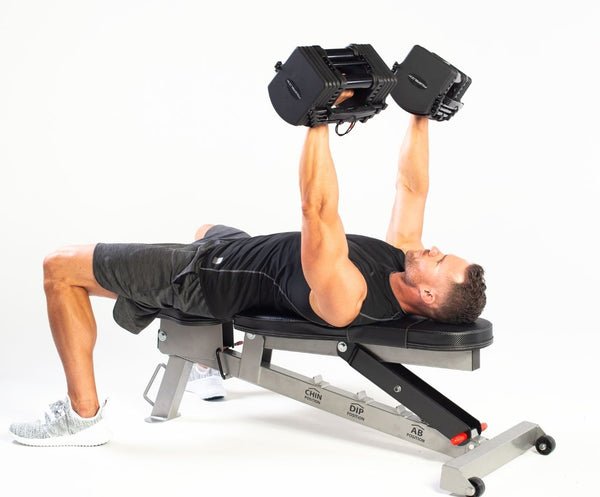
Mastering the dumbbell press involves focusing on proper form and technique. Start with a controlled motion, lowering the dumbbells slowly to your chest and pressing them back up with steady force. Keep your wrists straight and elbows close to your body to maximize stability and reduce injury risk.
Benefits of the dumbbell press include improved muscle symmetry and enhanced stabilization. The requirement for each arm to work independently strengthens your weaker side, promoting balanced growth. This exercise also engages core muscles, aiding in overall body strength.
Muscle Engagement In Dumbbell Press
While performing the dumbbell press, you primarily target the chest muscles, but it’s not just about the pecs. You also engage your deltoids, triceps, and even your core for stabilization. This multi-muscle engagement makes the dumbbell press a comprehensive upper body workout.
Feel the burn in your shoulders as they support the weight, and notice the triceps working hard with each press. Have you ever considered how much your core contributes to maintaining balance and control during the press?
Comparing Bench And Dumbbell Press
The bench press and dumbbell press are popular strength exercises. Both target the chest, shoulders, and triceps. Many wonder how they compare in terms of results. Understanding their differences helps you choose the best fit for your goals.
Differences In Muscle Activation
The bench press often uses a barbell, engaging both arms together. This allows for lifting heavier weights. It also stabilizes the body, focusing on major muscles.
In contrast, the dumbbell press requires each arm to work independently. This activates more stabilizer muscles. Dumbbells improve balance and coordination. They can highlight any muscle imbalances between sides.
Impact On Strength Development
Both exercises build strength but in different ways. The bench press allows heavier loads, boosting overall power. It’s great for those aiming for maximum strength.
The dumbbell press focuses on muscle control. It enhances muscle endurance and joint stability. Over time, this can improve your bench press performance too.

Credit: www.menshealth.com
Calculating Bench Press Potential
Calculating your bench press potential involves understanding the relationship between dumbbell press strength and bench press capability. Many fitness enthusiasts often question how their performance in dumbbell pressing translates to bench pressing. The answer depends on various factors, each influencing the conversion rate and potential strength gains.
Factors Affecting Conversion
Several elements impact how dumbbell pressing converts to bench pressing. Muscle balance plays a crucial role; uneven strength can affect performance. Technique is another key factor. Proper form in dumbbell press may not directly translate to bench press. Equipment differences also matter. Dumbbells allow for a greater range of motion than a barbell. Finally, personal strength levels vary. Some people naturally excel with dumbbells, while others perform better with barbells.
Estimating Strength Gains
Estimating strength gains requires an assessment of your current performance. Track your progress in both dumbbell and bench pressing. Consistent improvement indicates potential gains. Use a structured training program. This helps improve both dumbbell press and bench press capabilities. Consider the weight ratio. Typically, bench press weight is higher than dumbbell press. Calculate using percentages. For example, bench press might be 20-30% more than dumbbell press. Always prioritize safety. Avoid overestimation to prevent injury.
Improving Bench Press Performance
Estimating bench press capabilities from dumbbell press strength requires careful analysis. If you can dumbbell press 50 pounds, your bench press might range around 70-80 pounds. Factors like form and muscle endurance play significant roles in determining exact numbers.
Improving your bench press performance requires focus and dedication. Dumbbell pressing 50 pounds is a good start. Progressing from this point involves refining your technique and strategy. Understanding key concepts can help you maximize your potential. Let’s explore some effective methods.Training Tips And Strategies
Consistency is crucial for strength gains. Train your chest, shoulders, and triceps regularly. Balance your routine with rest and recovery. Incorporate compound exercises like push-ups and dips. They target similar muscle groups. Gradually increase your dumbbell press weight. Aim for small, steady progress. Focus on proper form. Keep your wrists straight and core engaged. Lower the dumbbells slowly to enhance control. Explode upwards with power. This helps build strength efficiently. Consider including variations like incline and decline presses. They target different parts of the chest.Common Mistakes To Avoid
Avoid lifting too heavy too soon. It can lead to injuries. Progress at a manageable pace. Don’t neglect warm-ups. Prepare your muscles with dynamic stretches. This reduces the risk of strain. Poor form reduces effectiveness. Maintain a stable position on the bench. Avoid arching your back excessively. Control the weights throughout the movement. Rushing through reps sacrifices form. Prioritize quality over quantity. Listen to your body. Rest if you feel pain or discomfort. This prevents long-term damage. Remember, patience and persistence are key.Real-life Bench Press Examples
Understanding the correlation between your dumbbell press and bench press can be enlightening. It’s not just about the weights; it’s about how your body adapts to the challenges. Many fitness enthusiasts have shared their experiences, offering valuable insights into this progression.
Stories From Fitness Enthusiasts
Emily, a dedicated gym-goer, shared how she transitioned from dumbbell pressing 50 pounds to bench pressing 135 pounds. Her journey was marked by consistent training and a focus on form. By prioritizing technique over sheer weight, she found her bench press numbers climbing steadily.
Meanwhile, Jason’s story is equally compelling. Despite starting with a modest dumbbell press, he emphasized the importance of core stability and overall strength. His approach involved integrating compound exercises, which enhanced his bench press performance significantly over time.
Lessons Learned From Experience
These stories underline the importance of patience and persistence. If you’re dumbbell pressing 50 pounds, you might wonder how this translates to your bench press. The answer isn’t straightforward; it’s influenced by several factors including your body mechanics and training consistency.
- Focus on building a solid foundation of strength before increasing weights.
- Ensure your form is correct to prevent injuries and improve performance.
- Use complementary exercises to enhance muscle groups involved in bench pressing.
How do these insights align with your fitness journey? Assess your progress and consider whether you need to adjust your approach. The key is to keep learning from others’ experiences while tailoring their lessons to suit your needs.

Credit: www.instagram.com
Frequently Asked Questions
Is A 50 Lbs Dumbbell Press Good?
A 50 lbs dumbbell press is good for beginners and intermediate lifters. It helps build strength and muscle. Progress depends on individual fitness levels. Always prioritize form and consistency in workouts. Adjust weights as you gain strength to continue challenging your muscles effectively.
How Much Can I Bench Based Off A Dumbbell Press?
To estimate your bench press, double your dumbbell press weight. This gives a rough approximation. Individual strength and form may vary. Always prioritize safety and consult with a trainer if needed.
Are 50 Pound Dumbbells Enough To Build Muscle?
Yes, 50-pound dumbbells can build muscle effectively. They offer enough resistance for various exercises. Progressively increase reps or sets for continued growth. Adjust your workout routine to target different muscle groups. Proper form and consistency are key to maximizing results with this weight.
Does Dumbbell Press Equal Bench?
Dumbbell press and bench press are similar but not equal. Dumbbell press offers more range of motion and activates stabilizing muscles. Bench press typically allows lifting heavier weights and focuses on overall chest development. Both exercises are effective for building chest strength and muscle, but they target slightly different areas.
Conclusion
Understanding your dumbbell press can guide your bench press progress. Consistent practice builds strength. Each person has unique capabilities. Track your progress regularly. Consult a fitness expert for personalized advice. Listen to your body. Balance is key in weightlifting. Ensure proper form to avoid injuries.
Gradual increase in weights helps. Celebrate small achievements. They add up over time. Stay motivated and focused. Your strength journey is personal. Keep pushing forward. Remember to enjoy the process. Fitness is a lifelong journey. Keep learning and improving. Your dedication will pay off.
Stay committed to your goals.