

Imagine stepping onto the pavement, feeling the freedom and comfort with each stride. You’re looking for that perfect balance between support and flexibility, and neutral running shoes might be your answer.
These shoes are designed to cater to runners who have a neutral gait, offering a smooth ride without the extra bulk of motion control features. Whether you’re a seasoned marathoner or just getting started with your jogging routine, understanding the benefits of neutral running shoes can transform your experience.
Curious about how the right pair can enhance your runs and reduce the risk of injury? Keep reading, as this guide will reveal everything you need to know about choosing the perfect neutral running shoes tailored just for you.
Neutral Running Shoes Basics
Neutral running shoes are a popular choice among runners due to their versatile design and comfort. They cater to those with a neutral gait, meaning your foot lands on the heel and rolls forward evenly. But what exactly sets them apart from other running shoe types? Let’s explore the basics of neutral running shoes.
Definition Of Neutral Running Shoes
Neutral running shoes are designed for runners who have a neutral foot strike. This means that when you run, your foot naturally lands and lifts off without excessive inward or outward rolling. If you’ve ever felt that your foot’s arch neither collapses nor overpronates, these shoes might be your perfect match. They typically offer a balance of cushioning and support, allowing for a natural stride.
Key Features
These shoes often come with several defining features that enhance comfort and performance.
- Cushioning:Neutral shoes usually provide ample cushioning, making them ideal for absorbing the shock of each step.
- Flexibility:They often boast a flexible midsole, which helps accommodate the natural movement of your foot.
- Lightweight Design:Most models are designed to be lightweight, which reduces fatigue during long runs.
- Arch Support:While not as pronounced as stability shoes, they offer enough arch support to maintain comfort.
When choosing neutral running shoes, consider your usual running terrain and distance. Do you often run on pavement, trails, or a mix of both? This can influence the type of cushioning and tread you might need. Personal comfort is key, and trying on different models can help you find the perfect fit.
Have you ever wondered if the shoes you’re wearing are truly right for your foot type? Paying attention to how your foot moves can lead to more comfortable and injury-free runs. Next time you’re shoe shopping, remember these basics to make an informed choice.
Benefits Of Neutral Running Shoes
Neutral running shoes provide even support, making them ideal for those with a natural gait. They offer flexibility and cushioning, enhancing comfort and reducing injury risk during runs. Perfect for runners with neutral arches, they help maintain efficient movement.
Neutral running shoes are a popular choice for runners seeking a balance between support and flexibility. These shoes are designed for individuals with a neutral gait, meaning their feet do not excessively roll inward or outward when they run. But why should you consider investing in a pair of neutral running shoes? Here are some key benefits that might just convince you.Enhanced Comfort
Neutral running shoes offer a cushiony feel, providing an extra layer of comfort that many runners appreciate. The cushioning absorbs shock, reducing the impact on your joints with every step. Have you ever felt like your feet were being pampered while you ran? That’s the comfort level you can expect. This makes them ideal for long-distance runs where every mile counts toward your comfort level.Improved Performance
When your shoes offer the right support, you can focus more on your performance rather than your feet. Neutral shoes promote a natural stride, which can enhance your running efficiency. Imagine shaving off precious seconds from your personal best because your shoes are working with you, not against you. This can be especially beneficial for those training for marathons or competitive races. The right pair of neutral running shoes can make all the difference in achieving your running goals. Are you ready to experience the benefits firsthand?Who Should Wear Neutral Running Shoes
Neutral running shoes are ideal for runners with a neutral gait or slight supination. These shoes offer balanced cushioning without added support for overpronation, making them suitable for those with a stable foot arch. Ideal for runners seeking comfort and flexibility in their stride.
Who Should Wear Neutral Running Shoes Neutral running shoes offer minimal support for those with a natural gait. They are ideal for runners with normal arches who don’t overpronate. These shoes provide cushioning and flexibility for a comfortable run. But who exactly should wear these shoes?Foot Type Considerations
Understanding your foot type is crucial. Do you have a normal arch? Neutral shoes are perfect for you. They work well for those with a stable stride. If you don’t need extra arch support, consider neutral shoes. They cater to the foot’s natural movement. Those with flat or high arches might need more support.Running Style Compatibility
Your running style also matters. Neutral shoes fit well with a natural running style. They suit runners who land evenly on their feet. If you have a neutral gait, these shoes are a great choice. They allow for a smooth heel-to-toe transition. Runners who prefer lightweight shoes often choose neutral options. They offer flexibility and comfort on various terrains.
Credit: www.fleetfeet.com
Comparison With Stability Running Shoes
Neutral running shoes are designed for runners with a balanced gait. They provide cushioning without added support, ideal for those with neutral pronation. Unlike stability shoes, they don’t counteract overpronation, offering a more natural running experience.
Comparing neutral running shoes with stability running shoes can be enlightening, especially if you’re trying to find the perfect fit for your running style. While both are designed for running, they cater to different foot mechanics and needs. Understanding these differences can help you make an informed choice, ensuring comfort and support during your runs.Design Differences
Neutral running shoes are designed for those with a natural foot strike. They offer cushioning and flexibility to support the foot’s natural movement. You’ll often find them to be lighter, providing a more uninhibited running experience. In contrast, stability running shoes come with added support features like medial posts or dual-density foam. These are intended to control excessive foot motion, particularly for those who overpronate. The added support can sometimes make stability shoes feel a bit heavier.Performance Variations
Neutral shoes allow your foot to move naturally, which can enhance speed and agility. They’re ideal for runners who have a neutral gait, providing just enough cushioning without altering your stride. This can result in a more comfortable and efficient run for those who don’t need extra support. Stability shoes, however, are crafted to offer added support and control. If you tend to overpronate, these shoes can help distribute impact more evenly across your foot. This can reduce the risk of injury and improve your running form over time. Have you ever noticed your running shoes wearing out unevenly? This could be a sign that you’re in the wrong type of shoe. Choosing the right shoe not only enhances your performance but also keeps injuries at bay.Top Brands Offering Neutral Running Shoes
Neutral running shoes provide balanced cushioning for runners with a natural gait. Top brands like Nike, Adidas, and Brooks excel in crafting these shoes, catering to diverse needs with comfort and style.
Neutral running shoes are a popular choice for many runners. They offer balanced support and cushioning. Many top brands provide high-quality options in this category. These brands focus on comfort, durability, and style. Let’s explore some of the top brands known for their neutral running shoes.Popular Choices
Several brands stand out for their neutral running shoes. Nike offers a range of lightweight and comfortable options. Their shoes often feature breathable materials and modern designs. Adidas is another favorite among runners. They focus on performance and sleek aesthetics. Brooks provides shoes known for their comfort and durability. Their models often include advanced cushioning technologies. ASICS is renowned for their reliable and supportive shoes. They balance comfort with stability. These brands consistently deliver quality products for neutral runners.Innovative Designs
Innovation is key in neutral running shoes. Nike uses Flyknit technology for a snug fit. This design improves flexibility and reduces weight. Adidas incorporates Boost cushioning for enhanced energy return. This helps runners maintain their pace and comfort. Brooks designs often include DNA Loft technology. This provides a smooth and soft ride. ASICS utilizes GEL technology for superior shock absorption. These innovations enhance the running experience for many athletes. Each brand strives to offer unique features for every runner’s needs.
Credit: www.fleetfeet.com
Tips For Choosing Neutral Running Shoes
Neutral running shoes offer balanced cushioning, ideal for those without significant pronation issues. Choose shoes with good arch support and lightweight materials. Prioritize comfort and fit for optimal performance.
Choosing the right neutral running shoes can make all the difference in your running experience. Whether you’re a beginner or a seasoned marathoner, comfort, durability, and fit are crucial. The right pair not only enhances your performance but also prevents injuries. Here’s how to choose wisely.Fit And Comfort
Your running shoe should feel like an extension of your foot. When trying on shoes, consider the snugness around the heel and the space in the toe box. Your toes need wiggle room to avoid blisters and nail issues. Consider the arch support and cushioning. A shoe that feels comfortable from the get-go is crucial. Trust your instincts—if a shoe feels off even after a short walk, it might not be the best choice.Durability Factors
A durable shoe saves money and frustration. Look for shoes made with high-quality materials that withstand varied terrains. Check the outsole for rubber durability and the midsole for cushioning longevity. Inspect the stitching and seams. Shoes with double stitching and reinforced areas tend to last longer. Ask yourself, will these shoes endure my running habits and environments? Choosing the right neutral running shoes involves more than just picking a style. Pay attention to details like fit, comfort, and durability to enhance your running experience.Maintaining Your Neutral Running Shoes
Neutral running shoes offer balanced support, ideal for runners with a neutral gait. These shoes feature cushioning that evenly distributes impact. Proper maintenance includes regular cleaning to remove dirt and checking for wear to ensure optimal performance.
Maintaining your neutral running shoes is crucial to ensure longevity and performance. These shoes, designed for runners with a natural gait, require regular attention to stay in prime condition. By investing a little time in their upkeep, you can maximize their lifespan and maintain the comfort and support they offer during your runs. Let’s dive into how you can take care of your neutral running shoes effectively.Cleaning And Care
Regular cleaning not only keeps your shoes looking fresh but also extends their life. After a run, let your shoes air out to prevent odor and moisture buildup. Avoid tossing them in the washing machine, as this can damage the materials. Instead, use a soft brush or cloth to remove dirt and mud. Mix mild soap with warm water to gently clean the surface. Dry your shoes naturally by removing the insoles and stuffing them with newspaper to absorb excess moisture. Avoid direct sunlight or using heat sources like a hairdryer, as high temperatures can warp and weaken the shoe materials.When To Replace
Knowing when to replace your neutral running shoes is as important as caring for them. Pay attention to the signs of wear and tear. If you notice decreased cushioning or if the tread is worn out, it might be time for a new pair. Consider how many miles you’ve logged on your shoes. Most running shoes last between 300 to 500 miles. Keep track of your mileage and assess the shoe’s condition regularly. Ask yourself: do they still provide the support and comfort you need? If not, it’s time for an upgrade. Remember, maintaining your neutral running shoes not only saves you money but also enhances your running experience. So, how do you plan to care for your shoes?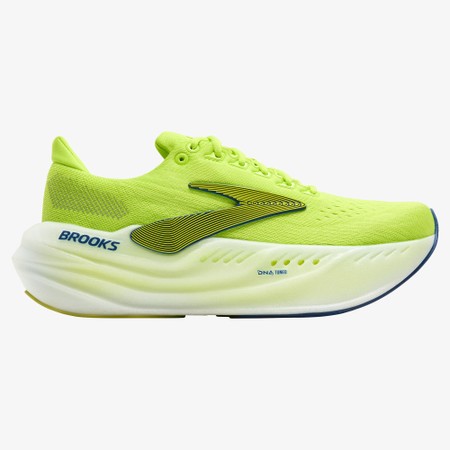
Credit: www.runandbecome.com
Frequently Asked Questions
Who Should Wear Neutral Running Shoes?
Neutral running shoes suit individuals with a balanced gait and minimal overpronation. Ideal for runners with stable arches and efficient foot strike. They provide cushioning without corrective features, catering to those who prefer a natural running experience. Perfect for athletes seeking comfort and flexibility in their footwear.
How Do I Know If I’m A Neutral Runner?
Check your foot arch and gait analysis. Neutral runners have a medium arch and balanced pronation while running. Visit a specialty running store or consult a professional for a gait assessment. This helps determine your running style and the best shoe type for support.
What Is A Good Neutral Running Shoe?
A good neutral running shoe offers balanced cushioning and support. Popular choices include Brooks Ghost, Nike Pegasus, and ASICS Gel-Nimbus. These shoes are ideal for runners with a neutral gait, providing comfort and durability for various terrains. Always consider personal fit and comfort when selecting a running shoe.
How Do I Know If I’m Neutral Or Overpronation?
Check your shoe wear pattern. Neutral pronation shows wear in the center, while overpronation displays wear on the inner edge. Consult a podiatrist for a gait analysis. Observe your foot arch; flat arches often indicate overpronation, while medium arches suggest neutral pronation.
Conclusion
Neutral running shoes offer balanced support and cushioning. They cater to runners with a neutral foot motion. Choosing the right pair enhances comfort and reduces injury risk. These shoes work well for everyday runners. They provide flexibility and stability. Perfect for varied terrains and distances.
Ensure they fit snugly for the best experience. Check for quality materials and durability. Neutral shoes are versatile and reliable. They suit different running styles and goals. So, invest wisely in the right pair. Happy running!