
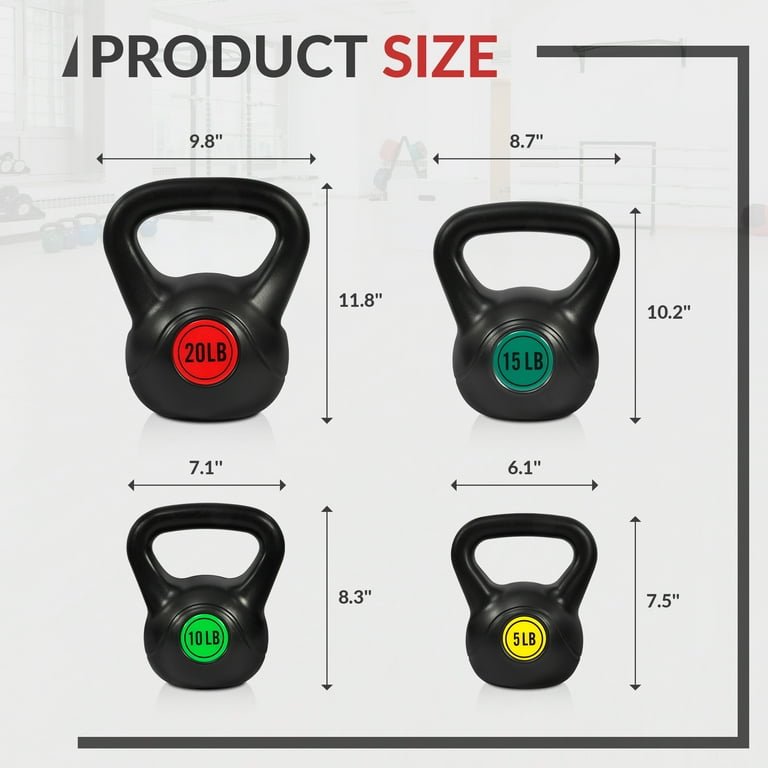
Choosing the right kettlebell weight can feel like an overwhelming task, especially when you’re eager to start your fitness journey. You might wonder, “Will I choose a weight that’s too heavy or too light?”
Or “How do I find the perfect balance for my workout goals? ” These questions aren’t just common—they’re crucial. Your choice impacts not only your workout effectiveness but also your motivation and progress. Imagine having a kettlebell that feels just right in your hands, enhancing your strength and boosting your confidence with every swing.
It’s not just about lifting weights; it’s about unlocking a new level of fitness that feels both challenging and achievable. This guide will help you make the best decision, ensuring that your kettlebell becomes a powerful tool in your fitness arsenal. Dive in to discover how to pick the perfect kettlebell weight tailored to your needs, and transform your workout experience.
Choosing The Right Kettlebell
Selecting the appropriate kettlebell weight depends on your fitness level and goals. Beginners often start with lighter weights, around 8 to 12 kg. More experienced individuals may choose heavier options, ranging from 16 to 24 kg. Always prioritize safety and proper form.
Choosing the right kettlebell can make or break your workout routine. The wrong weight may lead to ineffective exercises or even injury. Selecting the perfect kettlebell involves knowing your fitness level and understanding your goals. Whether you’re a beginner or seasoned athlete, the correct weight boosts your strength and enhances your endurance.Factors To Consider
Several factors influence the ideal kettlebell weight for you. Your current fitness level plays a significant role. Beginners should start with lighter weights to build foundational strength. Experienced users can opt for heavier kettlebells for advanced techniques. Your age and physical condition also matter. Older adults or those recovering from injury should begin with manageable weights. Consider your workout space too. Ensure there’s room to swing and lift safely.Importance Of Weight Selection
Choosing the right weight is crucial for effective training. A weight that’s too light won’t challenge you. A weight that’s too heavy might cause strain or injury. Proper weight allows safe progression in your fitness journey. It helps maintain form and technique during exercises. Correct weight selection also maximizes muscle engagement. This ensures you gain strength without compromising safety.Beginner Weight Recommendations
Choosing the right kettlebell weight is crucial for beginners. It ensures safety and effectiveness. A suitable weight prevents injuries and encourages progress. Let’s explore the recommended starting weights for both men and women.
Starting Weight For Men
Men new to kettlebells should start with a manageable weight. A 16 kg (35 lbs) kettlebell is often ideal. This weight provides a good balance of challenge and control. It helps build strength without overwhelming the user. Focus on mastering basic movements first. Gradually increase the weight as confidence grows.
Starting Weight For Women
Women beginners should consider a lighter starting weight. An 8 kg (18 lbs) kettlebell is a good choice. This weight offers a gentle introduction to kettlebell exercises. It allows women to develop proper form and technique. As strength and skills improve, consider moving to a 12 kg (26 lbs) kettlebell. Remember, it’s about gradual progression, not rushing.
Intermediate And Advanced Options
Choosing the right kettlebell weight is crucial for effective workouts. As you progress, you might find your current weights too light. Intermediate and advanced athletes need to challenge their muscles further. This section helps identify suitable kettlebell weights for these stages. Let’s dive into progressing and recognizing readiness for heavier weights.
Progressing To Heavier Weights
Progression is vital for strength and endurance. Start with a weight that lets you perform exercises with good form. Gradually increase the weight as exercises become easier. Aim to maintain control and balance during workouts. Use heavier weights for fewer reps. This approach strengthens muscles effectively.
Track your progress. Keep a workout log. Note the weights used and reps completed. This helps identify patterns and improvements. Adjust your training based on these observations. Be patient and consistent. Progression takes time.
Signs You’re Ready To Advance
Several signs indicate readiness for heavier weights. You easily complete your current workout routine. You maintain proper form even with increased reps. Your recovery time between sets decreases. You feel less challenged by your current weights.
Listen to your body. Avoid rushing into heavier weights. Ensure your body is fully ready to handle the new challenge. Recognizing these signs helps avoid injury. It also ensures continued progress in your fitness journey.

Credit: www.walmart.com
Types Of Kettlebells
Kettlebells come in different types, each offering unique benefits. Choosing the right type is essential for your fitness journey. Let’s explore the main types of kettlebells available.
Standard Kettlebells
Standard kettlebells are commonly used for general fitness. They have a cast iron construction and a wide handle. This design makes them versatile for various exercises. Their weight varies, starting from 4 kg up to 50 kg or more. Beginners often start with lighter weights. The wide handle allows easy grip and maneuverability during workouts. This type suits people who want a broad range of exercises.
Competition Kettlebells
Competition kettlebells are designed for professional athletes. They have a uniform size regardless of the weight. This consistency helps in maintaining form and technique. Made from steel, they often have a narrower handle. Their uniform size aids in precise movements, crucial for competitions. They usually come in bright colors for easy identification. This type is ideal for those focusing on technique and form.
Understanding Kettlebell Materials
Choosing the right kettlebell weight is essential for effective workouts. Consider your fitness level and training goals. Beginners often start with lighter weights, while experienced users might opt for heavier ones.
Understanding the materials used in kettlebells can significantly impact your workout experience. Each material offers distinct benefits and drawbacks, influencing your grip, durability, and even the aesthetics of your fitness space. Choosing the right kettlebell material is crucial for both beginners and seasoned fitness enthusiasts.Cast Iron Vs. Vinyl
Cast iron kettlebells are the classic choice, known for their durability and simplicity. They’re often favored by traditionalists who appreciate their straightforward design. However, they can be rough on your hands, especially during longer workouts. On the other hand, vinyl kettlebells are usually more beginner-friendly. They’re often coated, providing a softer grip and reducing the risk of floor damage. But, they might not last as long as their cast iron counterparts under heavy use.Steel Vs. Rubber-coated
Steel kettlebells are the go-to for competition and serious training. They offer a uniform size across different weights, which helps in maintaining consistent form. Steel’s sleek design can be appealing, though it might be less forgiving on floors and surfaces. Rubber-coated kettlebells offer a bit of versatility. The rubber coating provides a buffer, protecting both your floors and your hands from wear and tear. This makes them a great option for home gyms, but they can sometimes be bulkier due to the added material.
Credit: www.amazon.com
Benefits Of Proper Weight Selection
Selecting the right kettlebell weight is crucial for a safe workout. It enhances your fitness journey by ensuring effective workouts and minimizing injury risks. Here’s why choosing the correct weight matters.
Maximizing Workout Effectiveness
Proper kettlebell weight boosts workout performance. It allows you to focus on form. This helps target the right muscles effectively. You burn more calories and build strength faster. The right weight keeps you motivated and challenged.
Reducing Injury Risks
Choosing the correct weight reduces injury risks significantly. It allows you to control each movement safely. This control prevents strain and muscle fatigue. Proper weight selection also helps avoid joint stress. It ensures a safer and more enjoyable fitness routine.
Expert Tips For Buying Kettlebells
Choosing the right kettlebell can enhance your workout experience. It’s essential to consider several factors before making your purchase. From budget concerns to quality indicators, getting the right kettlebell can make a big difference.
Budget Considerations
Set a budget first. Kettlebells vary in price. Cheaper options might save money but could lack durability. Investing in a quality kettlebell can prevent future costs. Look for deals and discounts. Some brands offer sales regularly. Check online stores for price comparisons. Shipping costs can add up, so consider buying locally.
Quality Indicators
Quality matters for a lasting kettlebell. Look for solid construction. Cast iron kettlebells often last longer. Handle smoothness is crucial. A rough handle can cause blisters. Check for a stable base. A wobbly base can affect your workout. Consider the finish. Powder coating provides a better grip. Look for reputable brands known for quality. Read reviews from other buyers for insights.
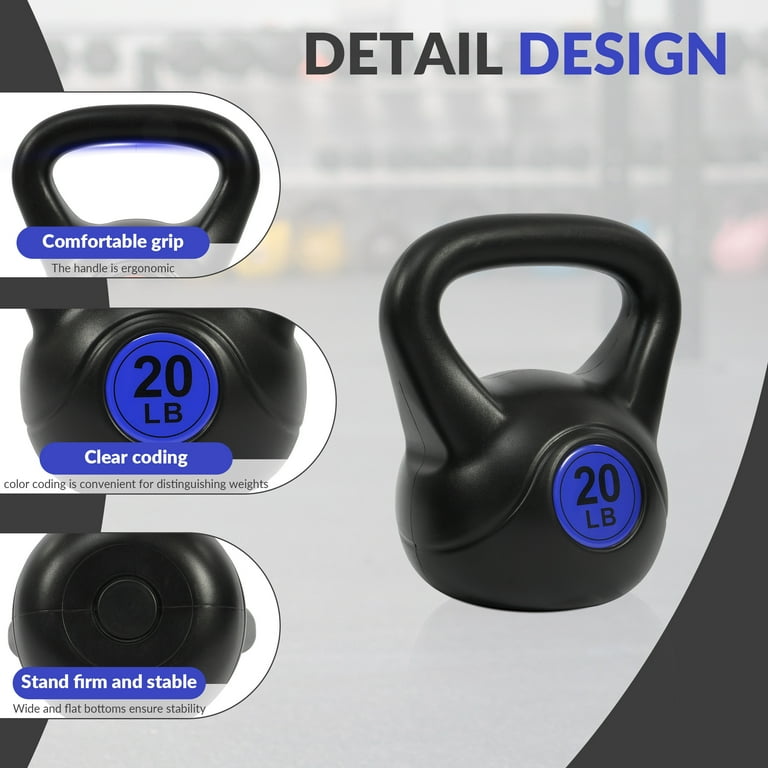
Credit: www.walmart.com
Frequently Asked Questions
What Weight Of Kettlebell Should I Start With?
Begin with a kettlebell weighing between 8-16kg (18-35lbs) for beginners. Consider your fitness level and technique. Gradually increase weight as strength improves. Consult a trainer for personalized advice.
How Big Of A Kettlebell Should I Buy?
Choose a kettlebell weight based on your fitness level. Beginners should start with 8-12 kg (18-26 lbs) for men and 4-8 kg (9-18 lbs) for women. Progress as you gain strength and confidence. Always prioritize proper form and safety while exercising.
Is A 25 Lb Kettlebell Enough?
A 25 lb kettlebell suits beginners for basic exercises like swings and squats. It provides enough resistance to build strength and endurance. Advanced users may need heavier weights for progression. Always prioritize proper form and technique.
What Kettlebell Weight Is Best For Beginners?
Beginners should start with a kettlebell weighing 8-12 kg for men and 4-8 kg for women. This weight range allows proper form and technique while building strength. Adjust based on your fitness level and comfort. Always prioritize safety and consult a professional if unsure.
Conclusion
Choosing the right kettlebell weight is important. Consider your fitness level and goals. Beginners might start with a lighter weight. Advanced users may choose a heavier option. Safety is key. Always focus on proper form. It’s better to start light and progress gradually.
Ask a trainer for advice if unsure. Trying different weights can help find what feels right. Remember, fitness is a journey. Enjoy it and stay consistent. Keep these tips in mind when shopping. Your perfect kettlebell awaits!