

Picture this: You’re ready to hit the road on your bike, but your lock won’t budge. Frustrating, right?
Whether you’ve forgotten your combination or lost your key, unlocking a bike lock doesn’t have to be a headache. This guide is here to help you get back on track quickly and safely. Imagine the sense of relief when you master the art of bike lock unlocking.
You’ll feel empowered, knowing you can handle any lock-related hiccup. Dive into this article and discover practical tips to unlock your bike lock with ease, ensuring your cycling adventures never hit a snag.
Types Of Bike Locks
Bike locks come in a variety of designs, each with its own unique features and benefits. Understanding the different types can help you choose the right one for your needs, whether you prioritize security, portability, or technology. Let’s dive into the common types of bike locks you might consider.
U-locks
U-locks are known for their robust security. They’re shaped like a U and designed to resist cutting and leveraging attacks. The rigid structure makes them a reliable choice for urban environments. However, carrying them can be cumbersome due to their size and weight. Have you ever struggled to fit a U-lock into your backpack?
Cable Locks
Cable locks offer flexibility and convenience. They’re lightweight and easy to carry, wrapping around odd-shaped objects with ease. But beware, their security is lower compared to U-locks. If you’re planning to leave your bike unattended for long periods, you might want to think twice about using just a cable lock.
Chain Locks
Chain locks strike a balance between security and flexibility. They consist of a chain enclosed in a protective sleeve, offering higher resistance to cutting tools. Remember, though, they can be heavy, which might not be ideal for your daily commute. Do you find it worth the extra weight for the added peace of mind?
Folding Locks
Folding locks are compact and versatile. They unfold to secure your bike and fold back for easy storage. Their unique design offers solid security, similar to U-locks, but with better portability. If space is a concern for you, a folding lock might be the perfect solution. Have you ever marveled at how such a small lock can provide such great security?
Smart Locks
Smart locks bring technology into the mix. They offer features like keyless entry, GPS tracking, and even alerts to your phone if someone tampers with your bike. While they offer convenience and modern features, they require charging and can be costly. Are you ready to embrace the future of bike security with a smart lock?
Common Challenges With Bike Locks
Bike locks often pose challenges like jammed keys and forgotten combinations. Weather can rust locks, making them hard to open. Simple maintenance and regular checks help prevent these issues.
Unlocking a bike lock should be a simple task, yet it often presents unexpected hurdles. These challenges can leave you feeling frustrated, especially when you’re in a hurry. Understanding these common issues helps you prepare and handle them efficiently.Forgotten Combinations
Forgetting the combination to your bike lock can be surprisingly common. You might be in a rush or just have too many numbers to remember. If this happens, try recalling any patterns or memorable dates you might have used. Consider keeping a digital note of your combinations on your phone. This saves you from future headaches. Have you ever thought of using a password manager for your lock codes?Jammed Locks
A jammed lock can be a real annoyance, especially if it’s unexpected. Often, dirt and rust are the culprits. A quick spray of lubricant might be all you need to free the mechanism. Regular maintenance of your lock can prevent this issue. Cleaning it every few months ensures smooth operation. Have you maintained your lock recently?Lost Keys
Losing your bike lock keys is a dreaded scenario. It’s easy to misplace keys when you’re juggling multiple items. If you find yourself in this situation, check common places like your backpack or coat pockets. Consider attaching a Bluetooth tracker to your keychain. This way, you can easily locate them using your smartphone. How do you usually keep track of small items like keys?Safety Measures Before Unlocking
Ensure your surroundings are safe before unlocking your bike. Check for any suspicious activity nearby. Keep your personal belongings secure to avoid distractions.
Before unlocking your bike lock, ensure your safety. Taking a few precautions can prevent potential issues. Follow these steps to stay safe while unlocking your bike.Checking For Damage
Inspect the lock for visible damage. Look for scratches or dents. Damaged locks might not function properly. If the lock is broken, consider finding a safe space. You might need professional help.Inspecting Surroundings
Look around you. Make sure you’re in a safe area. Check for people nearby. Avoid secluded or dark places. Being aware can help prevent theft or harm.Assessing Lock Integrity
Check if the lock mechanism works smoothly. Insert the key or code. If it’s hard to turn, there might be a problem. Ensure the lock clicks open without force. A faulty lock can break or jam. If unsure, contact a locksmith.
Credit: www.facebook.com
Expert Techniques For Unlocking
Unlocking a bike lock can be tricky. Yet, it’s a skill you can learn. Different techniques suit different situations. Master a few methods for success.
Manual Methods
Manual methods rely on skill and patience. Use a pen lid for simple locks. Insert and twist gently. For chain locks, leverage is key. Use a screwdriver to apply pressure. Twist until it snaps. Remember, practice makes perfect.
Using Lock Picking Tools
Lock picking tools require precision. Get a basic lock pick set. Insert the tension wrench into the lock. Apply slight pressure. Use the pick to lift the pins. Feel each pin click into place. Practice improves your feel for the lock.
Electronic Solutions
Electronic solutions offer convenience. Some locks have digital keypads. Enter the code to unlock. Others use Bluetooth technology. Connect your phone to the lock. Unlock it with a simple tap. Check if your lock supports these features.
Professional Help
Seeking expert assistance can ensure your bike lock is opened safely and efficiently. Professional services offer the right tools and techniques to handle various lock types. Avoid potential damage by letting experienced hands tackle the task.
Sometimes, despite your best efforts, a bike lock just won’t budge. That’s when seeking professional help can be your best option. Locksmiths have the expertise and tools to safely and quickly resolve lock issues without damaging your bike. This route can save you time and frustration, especially if you’re in a hurry or the lock is particularly stubborn.When To Contact A Locksmith
If you’ve exhausted DIY methods without success, it might be time to contact a locksmith. A professional can handle complex situations like jammed locks or lost keys. You should also consider this option if you’re worried about damaging your bike or lock by trying to force it open. Contacting a locksmith is ideal if you’re in an unfamiliar area and need immediate assistance. They can provide the necessary tools and expertise, ensuring a hassle-free experience. Plus, having a professional handle it means you won’t have to worry about potential damage to your bike.Finding A Reliable Service
Start by researching local locksmiths with good reviews. Check online platforms like Google or Yelp for customer feedback. Look for services that specialize in bike locks to ensure they have the right expertise. Ask for recommendations from friends or fellow cyclists. Personal experiences can lead you to trustworthy professionals. Always verify their credentials and inquire about pricing upfront to avoid unexpected costs. Consider keeping the contact information of a reliable locksmith handy. Having a go-to professional can be a lifesaver in emergencies. It’s one less thing to worry about when you find yourself locked out and in need of quick assistance.
Credit: www.facebook.com
Preventive Strategies
Secure your bike by choosing a sturdy lock and always locking to a fixed object. Regularly check the lock for damage and replace worn parts. Keep a spare key in a safe place to avoid getting locked out.
Preventive Strategies are key to ensuring your bike lock remains reliable and effective. Consider these proactive measures to avoid frustrating situations where you find yourself unable to unlock your bike. Let’s dive into some practical tips that will help you keep your bike secure and accessible.Choosing The Right Lock
Selecting a lock that suits your needs can make all the difference. Consider the environment where you usually park your bike. U-locks are great for urban areas, offering robust security against theft. Cable locks are flexible and easier to carry, perfect for quick stops. Always check the lock’s security rating; a higher rating ensures better protection. Have you thought about the lock’s size and weight? It’s crucial for convenience and ease of transport.Maintaining Your Lock
A well-maintained lock is less likely to jam or break. Regularly inspect your lock for any signs of rust or damage. Use lubricant to keep the locking mechanism smooth and functional. Clean the lock with a soft cloth to prevent dirt buildup. Keeping your lock in top condition ensures it will work when you need it most. How often do you check your lock for wear and tear?Keeping Spare Keys
Having spare keys can be a lifesaver. Store a spare key in a safe place, like your wallet or a drawer at home. You might even give a copy to a trusted friend or family member. Consider using a keychain that attaches to your bike gear for easy access. Have you ever been stranded because of a lost key? A spare can save you from costly lock replacements or locksmith fees. These preventive strategies can protect your bike from theft and ensure you’re never caught off guard by a malfunctioning lock. Implement these simple practices to keep your biking adventures stress-free and secure.Innovative Lock Solutions
Innovative lock solutions are transforming the way we secure our bikes. These advanced technologies are designed to enhance security and convenience. They provide peace of mind by offering features that traditional locks lack.
Smart Lock Technology
Smart locks connect to your smartphone via Bluetooth or Wi-Fi. This allows remote locking and unlocking. Some models send alerts if someone tampers with your lock. They often come with apps that track location and usage. A smart lock can also integrate with other smart devices, adding another layer of security.
Biometric Locks
Biometric locks use your fingerprint to unlock. This technology eliminates the need for keys or combinations. Fingerprint recognition offers personalized security. It ensures only authorized users can unlock the bike. Biometric locks are user-friendly and quick to operate. This makes them a favorite for tech-savvy cyclists.
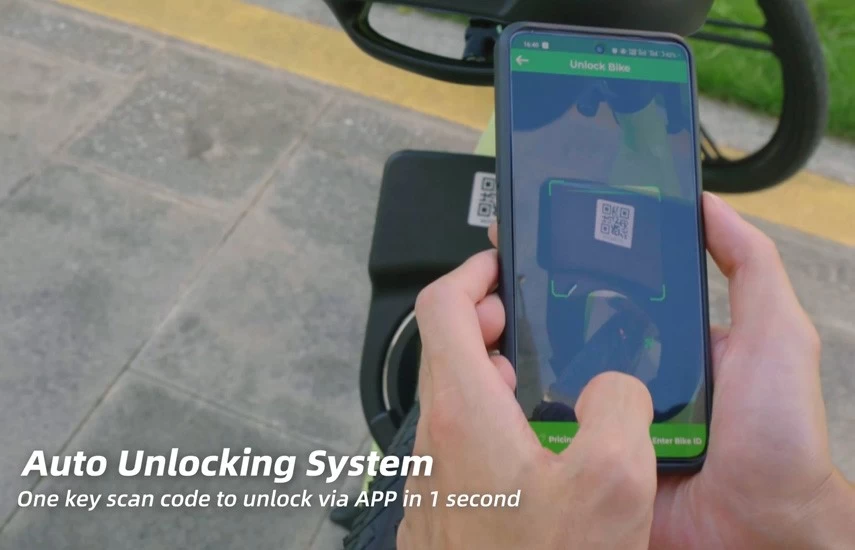
Credit: www.smartlockssupplier.com
Frequently Asked Questions
What To Do If The Bike Lock Won’t Open?
Check the lock for debris or dirt. Apply lubricant to the keyhole. Wiggle the key gently to open. Use bolt cutters if necessary but be aware this might damage the lock. Contact a locksmith for professional help if needed. Always keep a spare key for emergencies.
How To Unlock An E-bike Lock?
Use the key or combination code provided with your e-bike lock. Ensure the lock is in working condition. Insert the key or enter the code to unlock. If problems persist, consult the lock’s manual or manufacturer for troubleshooting steps. Always secure your e-bike safely after unlocking.
How To Reset A Bike Lock 4 Digit?
Turn the lock to the current combination. Pull the reset lever or button. Set your new 4-digit code. Release the lever or button. Test the new combination to ensure it works. Remember to note the new code for future use.
How To Unlock A Lock If The Key Is Lost?
Use a lock picking set to open the lock. Try a bump key if compatible with your lock. Call a locksmith for professional help. For combination locks, reset if possible using the manufacturer’s guidelines. Use bolt cutters for padlocks as a last resort.
Conclusion
Unlocking a bike lock can be simple with the right steps. Always ensure you have the correct key or combination. Practice patience if the lock sticks. Regularly maintain the lock for smooth operation. Keep a spare key in a safe place.
Remember, safety first, and never force the lock open. Following these tips helps keep your bike secure and accessible. Stay calm and confident each time you unlock your bike. Your bike is an important asset. Protect it well, and enjoy your rides every day.