
Imagine zipping through traffic effortlessly on an electric bike, feeling the breeze without the hassle of a car or a crowded bus. Sounds appealing, right?
But before you hit the road, there’s one burning question you need to answer: Do you need a license for your electric bike? Whether you’re looking to save money on transportation, reduce your carbon footprint, or simply explore your city in a fun and convenient way, understanding the legal requirements is crucial.
You wouldn’t want to get caught off guard with fines or penalties, would you? Dive into this article to uncover the essentials about electric bike regulations, so you can ride with confidence and peace of mind. Get ready to unlock the freedom and excitement of electric biking!
License Requirements
Electric bikes often don’t require a license, but regulations can vary by location. Always check local laws to ensure compliance. Some places may require registration for higher-speed models.
Navigating the world of electric bikes can be exhilarating. But understanding the license requirements can be a bit daunting. Are you legally required to have a license to ride an electric bike? The answer is not as straightforward as you might think. It varies greatly depending on where you live and even where you might want to travel. Let’s dive into the specifics.Local Regulations
The rules for electric bikes differ from one place to another. In some areas, electric bikes that fall under a certain speed limit and motor power might not require a license at all. For example, in many U.S. states, if your e-bike’s top speed is below 20 mph and the motor is under 750 watts, you’re free to ride without a license. However, other regions might have stricter requirements. Places like New York City have specific classifications for e-bikes, and each class might come with its own set of rules. It’s crucial to check your local Department of Motor Vehicles (DMV) website or equivalent authority for the most accurate information.International Perspectives
Traveling with your e-bike? Know the rules of the land! Countries like the UK and Canada have their own definitions and requirements for electric bikes. In the UK, for instance, e-bikes are treated similarly to regular bicycles, provided they meet certain criteria. Riders must be at least 14 years old, but no license is required if the bike meets the “electrically assisted pedal cycles” (EAPC) standards. Meanwhile, in some parts of Australia, specific licenses or registrations might be needed depending on the power and design of the e-bike. Understanding these international perspectives can save you from potential legal hassles. Have you ever faced any surprising regulations while traveling with your e-bike? Share your experiences in the comments! In the end, the key takeaway is to always do your homework. Knowing the local and international rules ensures a smooth and hassle-free ride on your beloved e-bike. So, before you hit the road, make sure you’re fully equipped with the right knowledge to comply with the law.
Credit: leoguarbikes.com
Types Of Electric Bikes
Electric bikes come in various types, including pedal-assist and throttle-controlled models. Most pedal-assist e-bikes don’t require a license. Throttle-controlled bikes might need one, depending on local laws. Always check your area’s regulations before purchasing or riding an electric bike.
Understanding the different types of electric bikes can help you decide whether you need a license to ride one. Electric bikes, or e-bikes, come in various styles, each with unique features and functionalities. Knowing these differences can guide you in choosing the right e-bike that fits your lifestyle and adheres to local regulations.Pedal Assist
Pedal assist e-bikes are quite popular. They offer a boost to your pedaling efforts with an electric motor. Imagine cycling up a steep hill with ease! These bikes make riding less strenuous and more enjoyable. With pedal assist, you still engage in physical activity, making it perfect for fitness enthusiasts.Throttle Operated
Throttle operated e-bikes allow you to control speed without pedaling. A twist of the throttle, similar to a scooter or motorcycle, propels you forward. This type can be a game-changer for those who prefer effortless rides. However, they might require a license in certain areas due to their speed and power.Speed Variants
E-bikes also vary by speed capabilities. Some are designed for leisurely rides, while others can reach speeds that rival motorcycles. These speed variants can influence whether a license is necessary. For instance, bikes that exceed certain speeds might be classified differently under traffic laws. When choosing an e-bike, consider where and how you’ll be riding. Does your route have steep hills that pedal assist can conquer? Or do you prefer the ease of a throttle operated ride? Understanding these types helps ensure you pick a bike that meets your needs and complies with local laws.Impact Of Speed And Power
Electric bikes with higher speed and power may require a license. Regulations vary by location, so check local laws. Riding without a license can lead to fines or penalties.
The impact of speed and power on electric bike regulations is significant. Understanding these factors helps riders comply with local laws. Speed and power influence whether a license is necessary. Each country or region may have different rules.Speed Limits
Speed limits determine the classification of electric bikes. Many regions categorize bikes based on their top speed. Lower speed bikes often have fewer restrictions. They are seen as safer for public roads. Electric bikes exceeding certain speeds may require a license. This ensures that riders are prepared for high-speed riding. Local authorities set specific speed limits for safety.Power Restrictions
Power restrictions are another factor in electric bike regulations. The motor’s wattage often dictates the need for a license. Bikes with low power motors are typically less restricted. They are considered similar to regular bicycles. High-powered electric bikes may face stricter rules. These bikes can reach higher speeds quickly. Therefore, they might require a license to ensure rider competence. Understanding power restrictions helps in choosing the right bike.Safety Considerations
Riding an electric bike can be thrilling, but safety comes first. Understanding safety considerations is crucial for a secure ride. This section delves into essential safety measures for electric bike riders.
Helmet Laws
Wearing a helmet can protect your head during accidents. Many regions require helmets by law for electric bike riders. It’s essential to check local laws about helmet use. Even if not required, wearing a helmet is a smart choice. It can prevent severe injuries and save lives.
Safety Gear Recommendations
Safety gear goes beyond just helmets. Consider wearing gloves to protect your hands. Sturdy shoes offer better grip and foot protection. Padded jackets or vests can reduce injury risks. Reflective clothing increases visibility, especially at night. Eye protection shields against dust and debris. These gear choices enhance safety and ensure a smoother ride.
Registration And Insurance
Determining if you need a license for an electric bike depends on local regulations. Some areas require registration and insurance, while others do not. Always check your local laws to ensure compliance before riding.
Understanding the requirements for electric bike registration and insurance is crucial. These aspects can vary based on your location. Knowledge of these factors ensures a smooth riding experience. Let’s explore the essentials of registration and insurance for electric bikes.Registration Necessities
Registering an electric bike depends on the model and local laws. Some regions require registration similar to motor vehicles. Others might not have such strict rules. Check local regulations to be sure. Typically, registration involves:- Providing proof of ownership
- Filling out a registration form
- Paying a registration fee
Insurance Options
Insurance for electric bikes varies by region. Some areas require it, while others do not. Insurance can cover theft, damage, and liability. Consider the following options:- Liability coverage for accidents
- Theft protection
- Damage coverage
Benefits Of Licensing
Licensing an electric bike brings several benefits that enhance your riding experience. It provides assurance and peace of mind, knowing you are compliant with regulations. Let’s explore how licensing improves safety and offers legal protection.
Enhanced Safety
Licensing ensures electric bikes meet safety standards. This reduces risks of accidents. Riders become more aware of traffic rules, promoting safer riding habits. With proper training, licensed riders handle bikes confidently. They navigate roads with ease and caution.
Legal Protection
Licensing offers legal security for electric bike riders. It confirms your bike is recognized by law. In case of disputes, legal backing is available. Having a license aids in resolving accidents or theft issues. It strengthens your position in legal matters.
Exceptions And Exemptions
Electric bikes have surged in popularity, offering a green transport alternative. Yet, the need for a license can be confusing. Some bikes and riders enjoy exceptions and exemptions from licensing laws. Understanding these can help you choose the right bike and ride legally.
Age Requirements
In many regions, age impacts license requirements for electric bikes. Riders under a certain age may need to follow specific rules. For example, some places allow those under 18 to ride without a license, while others set a minimum age limit for exemption. Check local laws to know the age criteria for licensing.
Specific Models
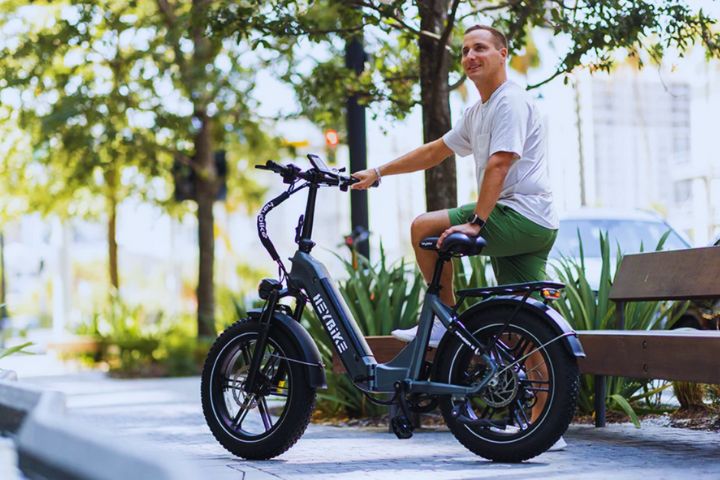
Certain electric bike models qualify for exemptions based on design and speed. Bikes that travel below a specific speed often fall outside licensing rules. Pedal-assist models might be exempt if they meet power and speed criteria. Knowing your bike’s specifications can clarify its licensing status.
Credit: www.techsplashers.com
Future Trends
The future of electric bikes is bright and full of potential. As technology advances and policies evolve, electric bikes will become a more integral part of transportation. Understanding these trends can help you navigate the world of electric biking.
Technological Advancements
New battery technologies are emerging, offering longer rides. These innovations make electric bikes more efficient. Lightweight materials are also being used. This means bikes are easier to handle and carry. Smart features are being integrated too. Apps now monitor speed and battery life. This makes the ride more enjoyable and safe. Electric bikes are becoming more adaptable. They can be customized to meet individual needs.
Policy Changes
Governments are reconsidering regulations on electric bikes. Some regions are easing licensing requirements. This makes it easier for people to use electric bikes. New policies aim to promote eco-friendly transport. Incentives are being offered to electric bike owners. These include tax benefits and subsidies. Infrastructure is also being developed. Dedicated bike lanes are being constructed. This increases safety and encourages more people to ride.
Credit: www.lawfran.com
Frequently Asked Questions
Can I Drive An Electric Bicycle Without A License?
You can drive an electric bicycle without a license in most regions. Check local laws for specific requirements. Electric bicycles usually fall under the same regulations as regular bicycles, making them accessible for all riders. Always follow safety guidelines and wear a helmet for protection.
Do You Need A License To Ride An E-bike?
In many places, you don’t need a license for e-bikes. They are classified differently from motorcycles. However, regulations can vary by region, so it’s wise to check local laws before riding.
Are Electric Bikes Subject To Age Restrictions?
Yes, some regions impose age restrictions on e-bike riders. Typically, riders must be at least 16 years old. Always verify local regulations to ensure compliance with age requirements.
Do E-bikes Require Registration Like Cars?
Most e-bikes don’t require registration like cars. They are usually treated similarly to bicycles. However, some high-speed models might need registration, depending on local laws.
Conclusion
Navigating electric bike laws can seem tricky. But it’s simpler than it looks. Most places don’t need a license for low-speed electric bikes. This makes them a great choice for daily travel. Always check local rules to be sure. Safety gear is still important.
Wear a helmet and follow traffic rules. Electric bikes offer fun and eco-friendly rides. They save money and reduce pollution. Perfect for short commutes or leisurely rides. Enjoy the freedom they bring! Stay informed, ride safe, and enjoy your electric bike journey.