
Have you ever seen a dirt bike zooming past and wondered if you could take one for a ride on the road? You’re not alone.
The thrill of riding a dirt bike is undeniable, but the big question is: can you legally ride it on the street? This is a crucial question for anyone looking to transform their off-road adventures into a daily commute or a fun road trip.
You’ll discover what the law says about dirt bikes on roads, what modifications might be needed, and how you can ensure you’re riding safely and legally. Whether you’re a seasoned rider or just curious, understanding the rules can save you from potential fines and help you enjoy the ride without worries. Keep reading to find out everything you need to know before hitting the asphalt with your dirt bike!

Credit: riiroo.com
Legal Status Of Dirt Bikes
The thrill of riding a dirt bike is unmatched, but have you ever wondered about the legal status of dirt bikes on the road? It’s essential to understand the rules and regulations before you rev up your engine and hit the pavement. Knowing whether your dirt bike is legally classified for road use can save you from hefty fines and ensure a smooth ride.
Classification Of Dirt Bikes
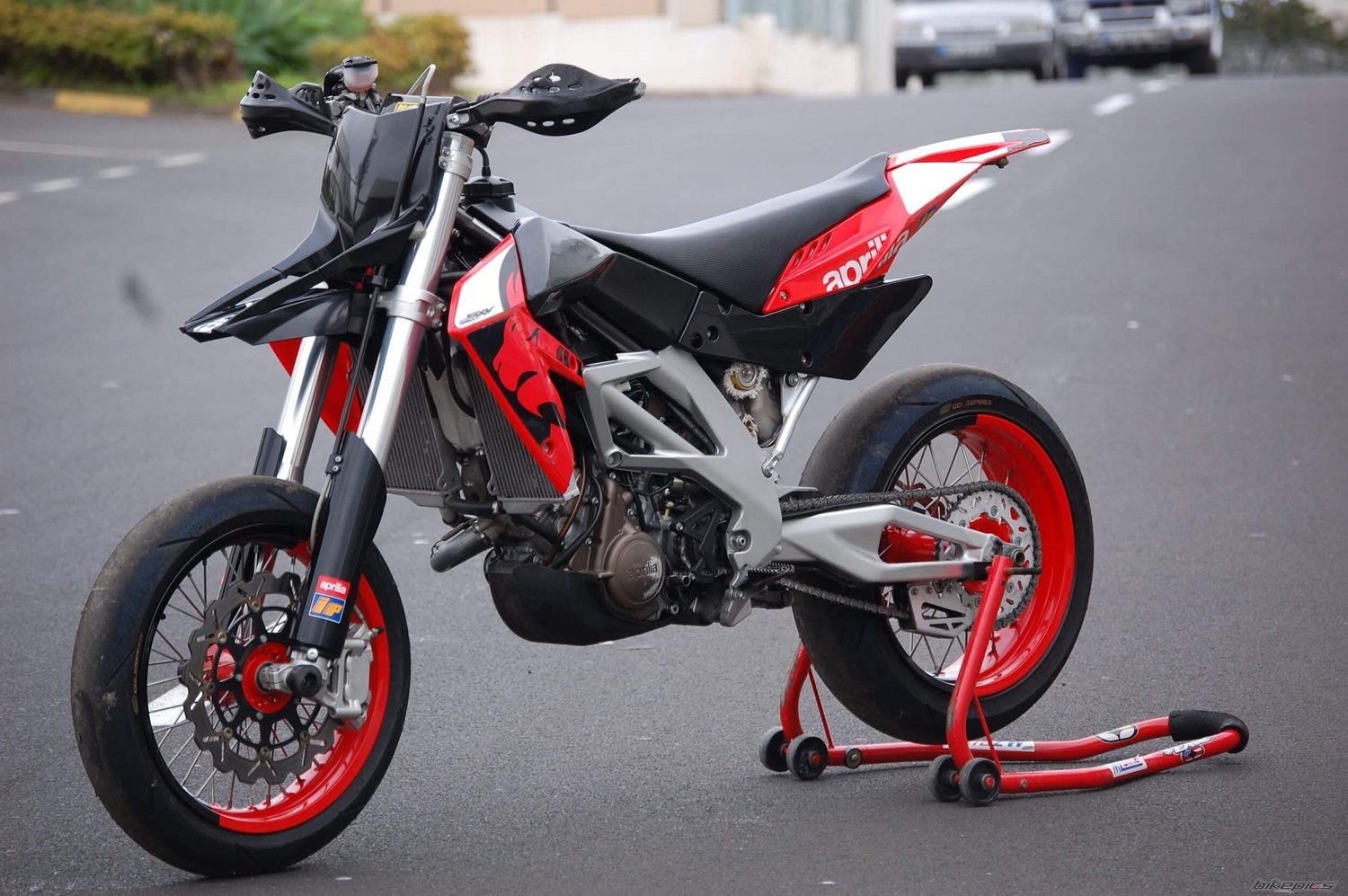
Dirt bikes are generally classified based on their design and intended use. Most dirt bikes are manufactured for off-road riding, featuring knobby tires and a lightweight frame ideal for rugged terrain. However, some models are designed to be street-legal, equipped with necessary components like headlights, mirrors, and turn signals. Understanding the classification of your dirt bike is the first step in determining its road legality.
Street-legal Vs Off-road Models
Street-legal dirt bikes come equipped with features that make them compliant with road regulations. They typically have a license plate holder, horn, and proper exhaust systems to meet emission standards. On the other hand, off-road models lack these components and are not intended for highway use. If you’re planning to ride your dirt bike on the road, consider converting your off-road model to meet street-legal requirements. But is it worth the hassle?
Ask yourself: how often will you use your dirt bike on the road? If the answer is frequently, investing in a street-legal model might be your best bet. Not only does this save you from potential legal issues, but it also enhances your riding experience. Picture yourself cruising down city streets without the constant worry of being pulled over.
Ultimately, understanding the legal status of dirt bikes is about balancing thrill and compliance. Dive into local regulations and ensure your bike is up to standard. Riding responsibly not only keeps you safe but also preserves the freedom to enjoy your dirt bike wherever you go.
Credit: www.dirtlegal.com
State Regulations
Driving a dirt bike on the road depends on state regulations. Some states require specific modifications and registrations. Always check local laws before riding on public streets.
Driving a dirt bike on the road can be a thrilling experience, but before you rev up your engine, it’s crucial to understand the state regulations that apply. These rules can vary significantly, impacting whether you can legally ride your dirt bike on public roads. Knowing these regulations not only keeps you on the right side of the law but also ensures your safety and that of others.Varied Laws Across States
Each state has its own set of laws regarding dirt bikes on public roads. In some states, dirt bikes are considered off-road vehicles and are not allowed on highways or city streets. In others, you might be able to convert your dirt bike into a street-legal vehicle with some modifications. Consider California, where stringent emissions regulations mean dirt bikes must meet specific environmental standards to be roadworthy. Meanwhile, states like Arizona might have more lenient rules, allowing easier conversion of dirt bikes for street use. This diversity in regulations means you need to research your state’s specific laws before hitting the road.Permits And Licensing Requirements
Even if your state allows dirt bikes on roads, you might need a special permit or license. Some states require a motorcycle endorsement on your driver’s license. This involves passing a written test and a skills test to ensure you’re capable of handling a two-wheeled vehicle safely. In addition to a license, you might need to register your dirt bike and equip it with certain features like headlights, taillights, and mirrors. These modifications can help your dirt bike meet the safety standards necessary for road use. Have you considered whether you’re prepared to make these changes and obtain the needed permits? Understanding the specific requirements in your state is vital for ensuring a legal and safe riding experience. So, before you take your dirt bike for a spin on the open road, make sure you are fully informed about the relevant state regulations.Safety Considerations
Driving a dirt bike on the road requires careful attention to safety. Understanding safety considerations can help prevent accidents. Proper preparation makes the ride enjoyable and secure.
Protective Gear Necessities
Wearing the right protective gear is vital for safety. A helmet protects your head in case of falls. Choose a helmet that meets safety standards. Goggles shield your eyes from dust and debris. Gloves provide a better grip and protect your hands. Boots guard your feet and ankles from injury. A sturdy jacket and pants protect your body in a crash. Always gear up before hitting the road.
Traffic Rules And Awareness
Obeying traffic rules is essential for safe road riding. Always stay on designated paths for dirt bikes. Use signals to communicate with other road users. Keep a safe distance from other vehicles. Stay alert to your surroundings. Watch for pedestrians and other road hazards. Riding defensively can help you avoid accidents. Understanding road signs and signals ensures a safer ride.
Modifications For Road Use
Driving a dirt bike on the road requires specific modifications. Equip it with headlights, tail lights, and turn signals. Ensure it meets the legal requirements for street use in your area.
Modifying a dirt bike for road use can be an exciting project, transforming your off-road beast into a street-legal machine. But before you hit the pavement, there’s a checklist of modifications to consider. Ensuring your bike is equipped with necessary road features, compliant with emissions and noise regulations, and meets safety standards is essential. Let’s delve into these key areas.Necessary Equipment
To legally ride your dirt bike on the road, you need to add equipment typically found on street motorcycles.- Mirrors:Install rearview mirrors to keep an eye on traffic behind you.
- Headlights and Taillights:Ensure your bike is visible during day and night.
- Turn Signals:These help indicate your intentions to other drivers.
- Horn:A must-have for alerting others in traffic.
Emissions And Noise Compliance
Modifying your dirt bike’s exhaust system is crucial for road use. Often, dirt bikes have high-emission exhausts and loud engines. You might need to swap out the exhaust for a quieter, emissions-compliant version. Consider this: the thrill of a roaring engine is unbeatable off-road, but on the street, it’s a ticket magnet. Have you ever had to explain your bike’s noise level to an officer? Not fun. Meeting these compliance standards not only keeps you legally safe but also promotes a healthier environment. Is your bike ready for a quieter ride?Insurance And Liability
Driving a dirt bike on the road involves understanding insurance and liability. Many riders overlook these important aspects. Ensuring you have proper coverage is crucial. It protects you from unexpected expenses and legal troubles.
Coverage Options
Not all insurance policies cover dirt bikes on public roads. Check if your current policy includes on-road coverage. Some insurers offer specialized plans for dirt bikes. These plans can include theft, collision, and liability coverage. Compare different policies to find the best fit for your needs. Consider factors like cost, coverage limits, and company reputation.
Legal Implications Of Accidents
Accidents can lead to serious legal consequences. Without proper insurance, you may face hefty fines. You could also be liable for damages or injuries. This can result in expensive lawsuits. Having the right insurance mitigates these risks. It provides financial protection and peace of mind. Always ensure your dirt bike meets road safety standards. This includes having the necessary equipment and permits.

Credit: riiroo.com
Common Misconceptions
Driving dirt bikes on roads often stirs a pot of confusion and myths. While they can offer thrilling rides and a sense of adventure, many misconceptions surround the legality and practicality of using them on public roads. Let’s dive into these misunderstandings and clarify what is fact and what is fiction.
Myths About Dirt Bikes On Roads
Many people believe dirt bikes are just small motorcycles and can be used on roads like any other bike. This is not always the case. Dirt bikes are designed for off-road use, featuring knobby tires and lightweight frames that aren’t ideal for paved surfaces. They often lack essential road equipment like mirrors, turn signals, and horns, making them unsuitable and illegal for road use without modifications.
Another myth is that you can freely ride dirt bikes on any road as long as you’re in a rural area. This assumption can lead to legal troubles. Even in rural areas, roads have regulations, and riding without proper licensing and equipment can result in fines or penalties. It’s crucial to check local laws before hitting the road.
Clarifying Legal Misunderstandings
Understanding the legal requirements for riding dirt bikes on roads can be tricky. Many think a regular motorcycle license covers dirt bike usage, but this isn’t always the case. Some regions require specific endorsements or permits, especially if the bike has been modified for road use.
Road legality also depends on the bike itself. A street-legal dirt bike needs specific features like headlights, taillights, and a license plate. Without these, you’re risking legal issues. If you plan to use your dirt bike on the road, ensure it meets all regulatory standards and check with your local DMV for specific requirements.
Have you ever thought about the implications of riding a dirt bike on roads without proper knowledge? Taking the time to understand the rules can save you from unexpected penalties and ensure a safe and enjoyable ride.
Frequently Asked Questions
Can I Drive A Dirt Bike On The Local Streets?
Driving a dirt bike on local streets is usually illegal. Check local laws and regulations for specific rules. Some areas may allow it with modifications and proper registration. Always prioritize safety and adhere to traffic laws to avoid penalties.
What Happens If I Ride A Dirt Bike On The Road?
Riding a dirt bike on the road can lead to legal issues. It may result in fines or penalties. Dirt bikes are not typically street-legal. They lack necessary equipment like mirrors and lights. Always check local laws before riding on public roads to avoid violations.
Can Dirt Bikes Go On Normal Roads?
Dirt bikes can go on normal roads if they are street-legal. Ensure they have necessary modifications like headlights, taillights, mirrors, and a horn. Check local laws and regulations, as they vary by location. Always wear appropriate safety gear while riding on public roads.
In What States Can You Ride Dirt Bikes On The Road?
Some states allow dirt bikes on the road if they are street-legal. These include Arizona, California, Colorado, and Florida. Ensure the bike has necessary modifications like headlights, turn signals, and mirrors. Always check specific state regulations before riding.
Conclusion
Dirt bikes bring thrill and adventure. But road rules matter. Check local regulations before riding. Some areas allow dirt bikes on roads. Others don’t. Safety is crucial. Wear protective gear. Respect road laws to avoid fines. Dirt bikes aren’t always road-ready.
Consider modifications for legal riding. Lights, mirrors, and horn are essential. Ensure your dirt bike meets all requirements. Riding responsibly keeps everyone safe. Dirt bikes offer fun. But safety comes first. Explore off-road trails for the best experience. Enjoy your ride, but stay safe.
Always know where you can legally ride. Adventure awaits, with care.