

Are you a road cycling enthusiast wondering if your sleek road bike can tackle the rugged allure of gravel paths? You’re not alone.
Many cyclists are intrigued by the idea of exploring beyond the pavement, where adventure beckons and the scenery is often breathtaking. But can your trusted road bike handle the rough and tumble of gravel terrain? We’ll dive into the possibilities and challenges of taking your road bike off the beaten path.
Discover how you can make the most of your cycling experience, whether you’re aiming for a thrilling ride or simply curious about expanding your cycling horizons. Get ready to uncover the secrets that will boost your confidence and enhance your biking adventures.
Road Bikes On Gravel
Road bikes can tackle gravel paths with some adjustments. Wider tires and lower pressure offer a smoother ride. Riders need to handle the bike carefully on uneven surfaces.
Road bikes are typically designed for smooth pavements. Many cyclists ask if they can handle gravel paths. Exploring gravel with a road bike is possible and offers a unique adventure. It provides a chance to experience different terrains without switching to a gravel-specific bike.Benefits Of Gravel Riding
Gravel riding enhances your cycling skills. It improves balance and control on uneven surfaces. Riding on gravel strengthens leg muscles due to increased resistance. It also boosts endurance over long distances. Gravel paths often lead through scenic routes away from traffic. This offers a peaceful riding experience. Exploring gravel roads introduces new challenges and excitement. It encourages cyclists to try different routes and push their limits. Riding on gravel helps develop quick reflexes for sudden changes in terrain.Challenges On Gravel
Gravel surfaces can be unpredictable. Loose stones make handling difficult. Road bikes have thin tires, which affect grip on gravel. Navigating these surfaces requires skill and caution. Gravel can cause wear and tear on road bikes. Dust and debris may damage the bike frame over time. Reduced speed is common when riding on gravel. It can be frustrating for riders used to faster paces. Transitioning from smooth pavement to gravel requires adaptation. Riders must adjust their techniques for safe navigation.
Credit: road.cc
Bike Design Features
Can road bikes tackle gravel terrains? It depends on their design features. Certain bikes handle gravel better due to specific components. These include frame geometry, tire size, and wheel type. Understanding these features helps in making an informed choice.
Frame And Geometry
Road bikes have a lightweight frame. This design aids speed on smooth surfaces. For gravel, a sturdy frame is better. It withstands rough roads and offers stability. Geometry also plays a role. A longer wheelbase enhances control on uneven paths. Bikes with relaxed angles provide comfort during long rides.
Tire And Wheel Considerations
Tires matter greatly on gravel. Wider tires offer more grip and cushioning. They absorb shocks and reduce the risk of punctures. Tread patterns also enhance traction. Smooth tires slip on loose gravel; knobby ones grip better. Consider wheel size too. Larger wheels roll over obstacles easily. This makes the ride smoother and more enjoyable.
Adaptation Techniques
Adapting your road bike for gravel adventures can be a thrilling way to expand your cycling horizons. It’s about making small tweaks that provide big benefits on uneven terrains. Imagine the satisfaction of smoothly cruising over gravel paths without losing speed or comfort. With some simple adjustments, your road bike can handle gravel like a charm. Let’s dive into key adaptation techniques.
Choosing The Right Tires
Your tire choice can make or break your gravel riding experience. Opt for tires that are wider and have tread patterns suited for loose surfaces. This provides stability and reduces the risk of slipping. Consider tires with a width of at least 28mm or more for better grip and comfort. Think of it as giving your bike a new pair of shoes that are fit for the terrain.
- Look for tires labeled as “gravel” or “all-road”.
- Ensure they have puncture protection to handle sharp stones.
- Experiment with different brands to find your perfect match.
Adjusting Tire Pressure
Tire pressure can significantly affect your ride quality on gravel. Lowering your tire pressure enhances grip and absorbs shock from rough surfaces. But be careful not to go too low, as it might increase the risk of pinch flats. A pressure range between 50-70 psi is often ideal for gravel.
Think of tire pressure as your bike’s handshake with the ground. Adjust it to feel the terrain, not fight it. By lowering the pressure, you allow your tires to better conform to uneven surfaces, improving traction and comfort.
- Check your tire pressure regularly, especially after long rides.
- Use a reliable gauge to ensure accuracy.
- Test different pressures to find what feels most stable.
Are you ready to conquer gravel paths with your road bike? Imagine the thrill of speeding through landscapes previously deemed off-limits. With these adaptation techniques, your road bike won’t just survive the gravel—it will thrive.

Credit: www.cyclingnews.com
Essential Gear For Gravel
Gravel riding is gaining popularity among cyclists. It combines the thrill of road biking with the ruggedness of off-road trails. To enjoy this adventure safely and comfortably, having the right gear is crucial. Proper equipment not only enhances your performance but also ensures your safety. Let’s explore the essential gear for gravel biking.
Protective Gear
Safety should be your top priority on gravel. A sturdy helmet is a must-have. It protects your head from unexpected falls. Choose one with good ventilation for comfort. Gloves provide a better grip and protect your hands. In case of a fall, they minimize injuries. Knee and elbow pads add an extra layer of protection. This is especially important on rough terrains.
Navigation Tools
Getting lost in unfamiliar terrain can be daunting. A reliable GPS device is essential. It keeps you on track and helps you navigate tricky paths. Smartphone apps can also serve as good navigation tools. Make sure they have offline maps. This ensures you aren’t stranded without a signal. A traditional paper map can be a lifesaver. It doesn’t rely on battery power, making it a dependable backup.
Training For Gravel Rides
Training for gravel rides? Yes, road bikes can handle gravel with a few adjustments. Wider tires and lower pressure improve stability on rough paths.
Training for gravel rides is an exciting journey that demands a different approach than traditional road biking. The thrill of tackling varied terrain can be immensely rewarding. However, it requires specific preparation to ensure a smooth and enjoyable experience.Building Endurance
Gravel rides often cover longer distances and require more energy than typical road biking. You need to focus on building endurance to keep up with the demands. Start by gradually increasing your ride lengths each week. Incorporate interval training to boost stamina. This involves alternating between high and low-intensity efforts during your ride. Consistency is key, so aim to ride multiple times a week to see improvement.Improving Handling Skills
Handling a road bike on gravel is different from riding on smooth pavement. Practicing on varied surfaces will enhance your bike control. Find local trails or paths with loose gravel to get accustomed to the feel. Focus on maintaining a relaxed grip on the handlebars. A tense grip can make it harder to react to sudden changes in the terrain. As you ride, practice shifting your weight to maintain balance, especially when navigating turns or obstacles. What strategies do you use to improve your handling skills? Experimenting with different techniques can help you discover what works best for you. The more you practice, the more confident you’ll become on gravel surfaces.Popular Gravel Routes
Exploring gravel routes on a road bike opens up a world of adventure. These routes offer a mix of terrains, challenging your skills and enhancing your riding experience. Whether you’re a seasoned cyclist or a curious beginner, gravel paths provide thrilling rides and breathtaking views. Discover some of the top gravel destinations and local trails perfect for your next adventure.
Top Destinations
Some places are renowned for their exceptional gravel routes. Consider exploring these top destinations:
- Tuscany, Italy:Famous for its Strade Bianche, with rolling hills and scenic views.
- Gravelly Range, Montana, USA:Offers stunning landscapes and diverse wildlife.
- Scottish Highlands, UK:Features rugged terrain and historical sites.
Each location offers unique challenges and experiences. The landscapes and cultural elements enrich your cycling journey. These destinations are ideal for those seeking unforgettable rides.
Local Trails
Local trails can provide equally exciting gravel adventures. Many communities have hidden gems waiting to be explored. Here are a few local trail options:
- Forest Paths:Enjoy the serenity and challenge of nearby wooded areas.
- Old Railway Lines:These often-untouched paths offer flat and easy rides.
- Riverside Routes:Experience the calming presence of water as you ride.
Local trails offer convenience and a chance to connect with nature. They provide an excellent opportunity for practice and exploration close to home. These routes are perfect for short weekend rides or after-work excursions.
Community And Events
Riding road bikes on gravel is gaining popularity. This trend has sparked a vibrant community and exciting events. Enthusiasts gather to share experiences, tips, and tales of adventure. From group rides to competitive races, there’s something for everyone. Discover the camaraderie and thrill of gravel biking.
Gravel Riding Groups
Gravel riding groups offer a welcoming space. Riders of all skill levels join in. These groups organize regular meet-ups and rides. They explore scenic routes and challenging terrains. Sharing a passion for adventure, cyclists enjoy the journey together.
Many groups have online platforms. They use these to plan rides and discuss gear. Riders exchange tips on tackling tricky paths. Newcomers find support and seasoned riders find companionship. It’s a community built on shared love for gravel paths.
Gravel Racing Events
Gravel racing events are a thrilling spectacle. These races test endurance and skill. Courses vary from short sprints to long-distance challenges. Each event offers a unique blend of excitement and difficulty.
Participating in these races builds community spirit. Riders cheer each other on. Spectators enjoy the competitive atmosphere. Events often feature local food and music, creating a festive vibe. It’s not just about winning but enjoying the ride and the community.
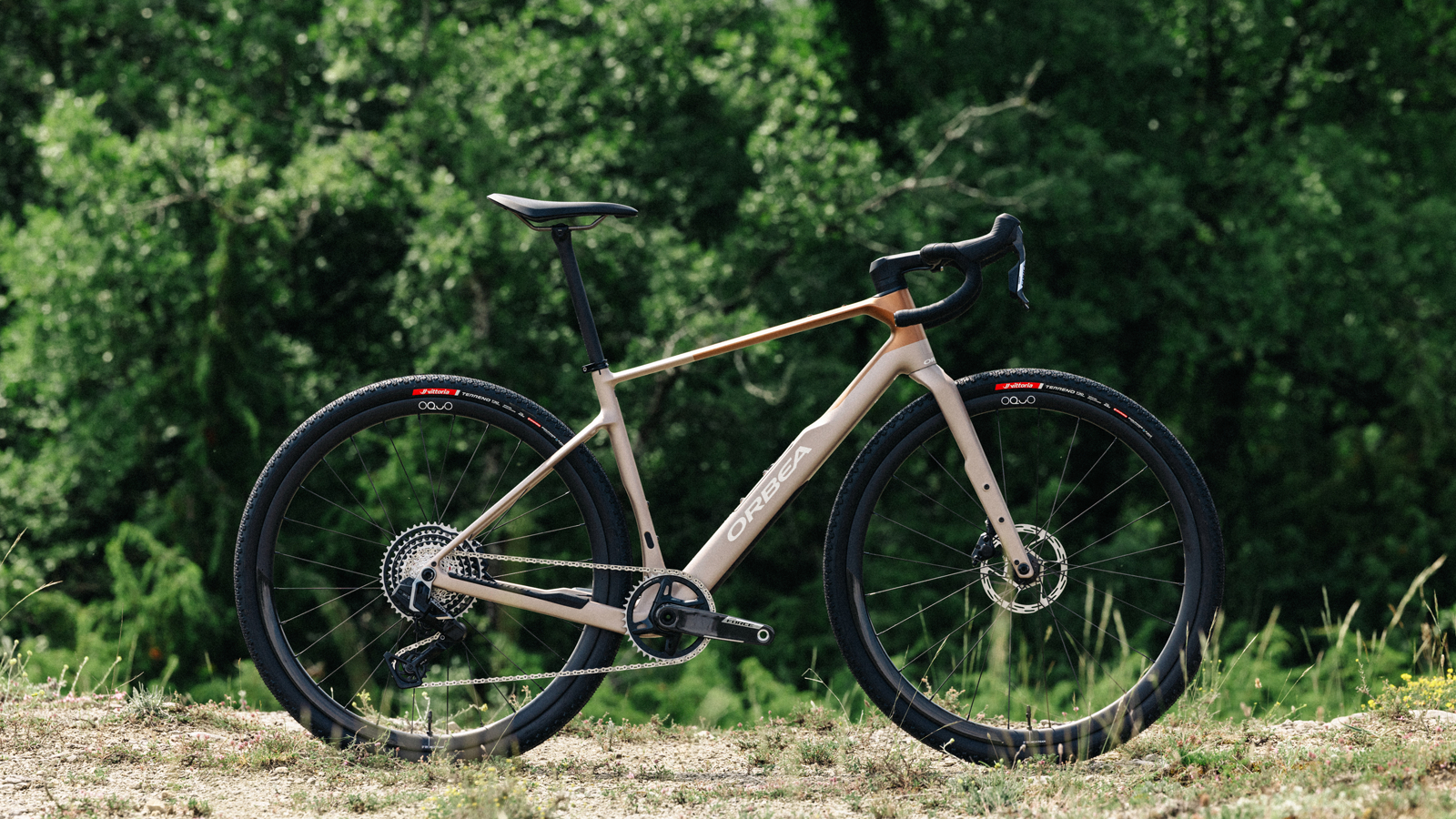
Credit: www.cyclingnews.com
Frequently Asked Questions
Can I Use A Road Bike For Gravel?
Yes, you can use a road bike for gravel with certain modifications. Consider wider tires for better stability and grip. Adjust the tire pressure for a smoother ride. Ensure your bike frame can accommodate these changes. Remember, road bikes aren’t designed for rough terrains, so be cautious.
Should You Ride A Road Bike On Gravel?
Yes, you can ride a road bike on gravel. Ensure you have wider tires for stability. Lower tire pressure can improve grip and comfort. Avoid loose gravel as it may cause skidding. Regularly check your bike for wear and tear after gravel rides.
Are Road Bike Tires Ok On Gravel?
Road bike tires can handle light gravel but may struggle with loose, deep gravel. Opt for wider tires for better grip. Consider gravel-specific tires for improved traction and stability. Riding technique and tire pressure also affect performance on gravel surfaces.
Adjust accordingly for a smoother ride.
Can You Ride A Road Bike On Crushed Stone?
Yes, you can ride a road bike on crushed stone, but it requires careful handling. Road bikes have thin tires that may struggle with stability on loose surfaces. Riding at a slower pace and maintaining control is essential for safety.
Consider wider tires for better traction and comfort on crushed stone paths.
Conclusion
Road bikes can handle gravel paths. Just choose the right tires. Wider tires offer better control on rough surfaces. Check your bike’s frame and fork clearance. Gravel routes can be fun with some adjustments. Keep an eye on tire pressure too.
Lower pressure helps with grip and comfort. Riding on gravel builds confidence and skills. It’s a different experience, but rewarding. Enjoy the adventure and challenge. Explore new paths. Feel the thrill of varied terrain. Road bikes can definitely go beyond paved roads.
Embrace the journey and ride safely.