

Imagine zipping through traffic with the breeze in your hair, effortlessly overtaking cars as you glide down the street. Electric bikes make this dream a reality, offering a fun and efficient way to travel.
But just how fast can they go? This question might be buzzing in your mind, especially if you’re considering switching to an e-bike for your daily commute or weekend adventures. You’re about to discover the surprising speeds these two-wheeled wonders can reach and how they compare to traditional bicycles and cars.
Understanding the speed potential of electric bikes can transform your perception of urban travel and might even tempt you to try one for yourself. So, buckle up, because what you’re about to learn could change the way you think about getting from point A to point B.
Electric Bike Speed Basics
Electric bikes are gaining popularity worldwide. They offer an eco-friendly transportation option. Understanding their speed is crucial for potential buyers. Electric bikes come with different speed capabilities. This varies based on design, motor power, and other factors.
Average Speed Range
Electric bikes usually have a speed range of 15 to 28 mph. Basic models often reach up to 15 mph. Advanced ones can achieve speeds near 28 mph. It’s essential to check the model specifications. This helps to know the exact speed range offered.
Factors Influencing Speed
Several factors affect electric bike speed. Motor power is a significant influence. Higher wattage motors provide faster speeds. Battery capacity also plays a role. A stronger battery supports better speed and longer rides.
Terrain impacts speed. Riding uphill may slow the bike down. Flat surfaces allow for optimal speed. Rider weight is another consideration. Heavier riders may experience slower speeds.
Weather conditions can affect performance. Wind resistance can reduce speed. Proper tire inflation ensures better speed. Keep tires well-maintained for efficient rides.
Understanding these factors helps choose the right bike. It ensures a satisfactory riding experience.
Motor Power And Speed
Electric bikes are becoming increasingly popular as they offer an eco-friendly and efficient way to commute. One of the key factors that determine how fast an electric bike can go is its motor power. The motor power not only influences the speed but also the overall performance of the bike.
Types Of Motors
Electric bikes typically come with different types of motors, each offering varying levels of power and speed. The most common types are hub motors and mid-drive motors. Hub motors are usually located in the wheel, either front or rear, and provide direct power to the wheel. This setup is simple and offers decent speed for casual riders.
Mid-drive motors, on the other hand, are positioned near the bike’s bottom bracket and drive the bike’s chain. They are known for providing more balanced power distribution, especially on hilly terrains, making them popular among those who seek performance and higher speed. However, they might require more maintenance due to the complex setup.
Impact On Speed
The power of the motor directly impacts the speed of an electric bike. Generally, the higher the wattage, the faster the bike can go. Most e-bikes range from 250 watts to 750 watts, with some powerful models reaching up to 1000 watts. A 250-watt motor is often sufficient for city commuting, offering speeds of up to 20 mph.
Higher wattage motors, like 750 watts, can propel the bike to speeds exceeding 28 mph, providing an exhilarating ride for thrill-seekers. Yet, it’s crucial to consider that local regulations may limit the maximum speed and power of e-bikes, so you need to check these rules before purchasing or upgrading.
Would you prefer speed over efficiency, or is a balanced ride more your style? Understanding how different motor types and power levels affect your ride can help you make a choice that perfectly suits your needs and lifestyle.
Battery Capacity And Performance
Electric bikes have surged in popularity for their eco-friendliness and efficiency. A key factor that determines their speed is the battery capacity and performance. The type of battery and its role in speed can significantly affect how fast your e-bike can go.
Battery Types
The type of battery in your electric bike is crucial to its performance. Common options include lithium-ion, nickel-metal hydride, and lead-acid batteries. Each type has its pros and cons in terms of weight, cost, and energy efficiency.
- Lithium-ion:Lightweight, with a high energy density, making them popular for high-speed e-bikes.
- Nickel-metal hydride:More environmentally friendly but heavier and less efficient.
- Lead-acid:Least expensive but also the heaviest and least efficient.
Choosing the right battery can enhance your e-bike’s speed and overall performance.
Role In Speed
Battery capacity directly influences how fast your e-bike can travel. A higher capacity allows for more power output, translating to higher speeds. If you enjoy zipping through city streets, a robust battery is a must.
Consider this: a friend of mine upgraded to a higher capacity lithium-ion battery. The difference was noticeable, not just in speed, but also in how long the bike could maintain that speed. Are you ready to experience a similar boost?
Remember, while speed is thrilling, it’s essential to balance it with safety and efficiency. What battery will you choose for your next e-bike adventure?

Credit: www.iscooterglobal.co.uk
Terrain And Environmental Effects
Electric bikes are not just about speed; they are also about how efficiently they can adapt to different terrains and environmental conditions. The speed you experience on an electric bike can vary significantly depending on the ground beneath your wheels and the weather around you. Understanding these factors can help you make the most of your e-bike’s capabilities and enjoy a smoother ride.
Impact Of Terrain
Whether you’re cruising on a flat city road or tackling a rugged mountain trail, the type of terrain plays a crucial role in how fast your electric bike can go. On smooth and level roads, e-bikes can often reach their top speeds with ease, providing a swift and enjoyable journey. However, if you’re riding uphill or on uneven surfaces, expect a reduction in speed as the motor works harder to overcome the resistance.
Consider the surfaces you frequently ride on. Are they paved, gravelly, or perhaps sandy? Each surface offers a unique challenge. For instance, sandy trails can slow you down as the tires struggle for grip, while gravel paths might shake things up, quite literally. When planning your routes, keep in mind how different terrains will affect your travel time and effort.
Weather Conditions
Weather can be a game-changer for your e-bike’s performance. Wind, rain, and even temperature can influence how fast you can go. A strong headwind can significantly slow your pace, while a tailwind might just give you a speed boost.
Rainy conditions demand caution as wet surfaces can be slippery, requiring slower speeds to maintain safety. Cold weather might reduce battery efficiency, potentially affecting speed and range. Ever wondered how often you check the weather before a ride? It’s a small step that can make your journey more enjoyable.
Understanding these environmental factors can transform your e-bike experience from a mere commute to an adventure tailored to your surroundings. How do you plan to use this knowledge on your next ride?
Legal Speed Limits
Electric bikes are gaining popularity, with maximum speeds often capped at 20 to 28 mph. Legal speed limits vary by country, ensuring safe riding conditions. Always check local regulations for specific speed restrictions.
Electric bikes, often seen as the future of personal transport, offer speed and convenience to riders across the globe. However, it’s crucial to understand the legal speed limits that govern these modern vehicles. Without adhering to these regulations, you could find yourself on the wrong side of the law.Regulations By Region
The legal speed limits for electric bikes vary significantly depending on where you are. In the U.S., federal law restricts electric bikes to a maximum speed of 20 mph when using motor power alone. However, state laws can differ, so it’s essential to check local regulations. In Europe, the limit is generally set at 25 km/h (about 15.5 mph) for most e-bikes. This uniformity ensures safety while allowing you to enjoy a swift ride. Meanwhile, countries like Australia have embraced similar limits, with e-bikes categorized by power output and speed capability.Safety Concerns
While speed is thrilling, it also introduces potential hazards. Riding beyond legal speed limits can increase the risk of accidents. You might find yourself unable to react quickly to sudden obstacles or changes in terrain. Additionally, higher speeds can lead to more severe injuries in the event of a crash. Consider this: a slight delay in braking at high speeds can make all the difference between a safe stop and a dangerous collision. So, think about your safety and the safety of others on the road. Is the thrill of speed worth the potential danger? Understanding these legal frameworks not only keeps you compliant but also ensures a safer riding experience. Your morning commute can be efficient and enjoyable without compromising safety.Comparing Electric Bikes And Traditional Bikes
Electric bikes have quickly become a popular mode of transportation, offering a modern twist to the traditional cycling experience. But how do they stack up against the traditional bikes that have been around for ages? Understanding the differences in speed and performance can help you make an informed choice about which one best suits your lifestyle.
Speed Differences
Electric bikes generally offer a significant speed advantage over traditional bikes. While an average cyclist can reach speeds of 10 to 15 mph on a traditional bike, electric bikes can easily accelerate to speeds of 20 mph or more, thanks to their built-in motor. Some high-end models even reach up to 28 mph, making them a faster option for daily commutes or quick errands.
Consider how this speed can impact your daily routine. If you’re looking to cut down on travel time, an electric bike may be the way to go. However, keep in mind that speed can vary based on factors such as battery life and terrain.
Performance Factors
Several factors influence the performance of both electric and traditional bikes. For electric bikes, the motor’s power and battery capacity are key. A powerful motor can handle steep hills and rough terrains, while a high-capacity battery ensures longer rides without needing a recharge.
On the other hand, traditional bikes rely heavily on the rider’s physical strength and endurance. The lightweight design of a traditional bike can make it easier to maneuver and transport. However, they may not provide the same level of assistance on challenging routes or longer distances.
Think about what matters most to you. Is it the thrill of speed, the ease of assistance, or the satisfaction of a physical workout? Your priorities will guide your choice between these two types of bikes.
Future Of Electric Bike Speed
Electric bikes are speeding up with advanced technology. Many models can now reach speeds of 28 mph. Future innovations promise even faster rides while ensuring safety and efficiency.
The future of electric bike speed is an exhilarating topic that captures the imagination of tech enthusiasts and everyday commuters alike. With rapid advancements in technology, the potential for faster and more efficient e-bikes is limitless. Imagine a world where your morning commute is not only eco-friendly but also swift and thrilling. As we delve into this topic, we’ll explore how technological advancements and potential developments are shaping the speed of electric bikes.Technological Advancements
The electric bike industry is witnessing a boom in technology, with new innovations emerging at a breakneck pace. Battery technology is at the forefront, with manufacturers developing lighter and more powerful batteries that extend range and increase speed. Motor efficiency is another area of focus, as cutting-edge designs aim to deliver more power with less energy. Improved aerodynamics are also playing a vital role, as sleeker designs reduce drag and allow for higher speeds.Potential Developments
Looking ahead, what could the future hold for electric bike speeds? One exciting possibility is the integration of smart technology, where AI can optimize performance based on riding conditions. There’s also talk of modular components, allowing riders to customize their bikes for speed or endurance depending on their needs. Consider the implications of wireless charging systems that could power bikes on the go, eliminating downtime and keeping you moving faster for longer. What advancements are you hoping to see in the electric bike industry? As technology continues to evolve, the potential for faster and more efficient e-bikes becomes not just a dream, but a thrilling reality.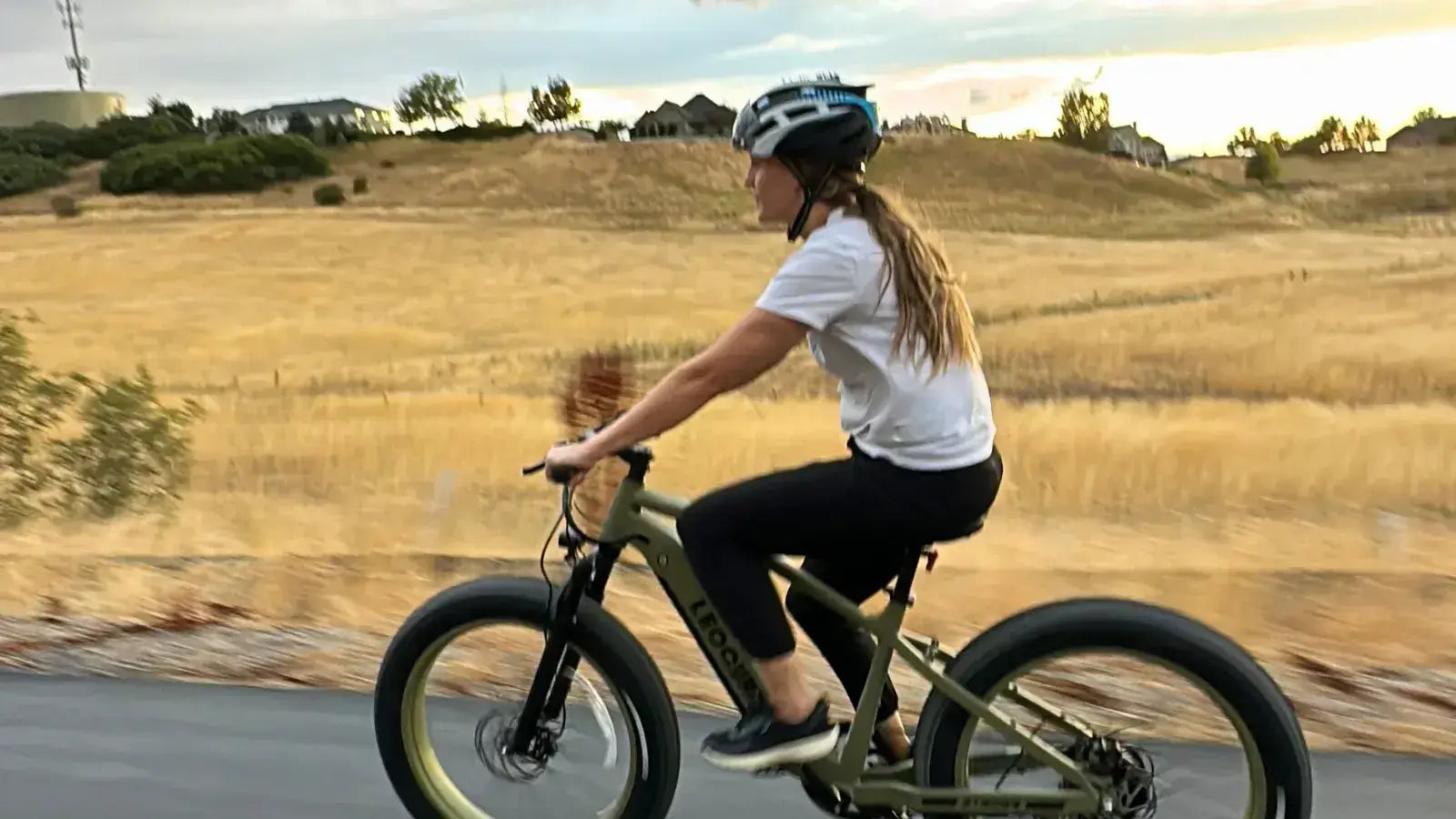
Credit: leoguarbikes.com

Credit: www.iscooterglobal.co.uk
Frequently Asked Questions
Can An Electric Bike Go 60 Mph?
Most electric bikes cannot reach 60 mph due to speed limits and safety concerns. Some custom or high-performance models can achieve this speed, but they are rare and often illegal for road use. Always check local laws and manufacturer specifications before attempting such speeds.
Can Ebikes Go 50 Mph?
Most ebikes are designed to reach speeds up to 28 mph. Some high-performance models can exceed 50 mph. Always check local regulations for legal speed limits and safety requirements before riding.
Can Ebikes Go 40 Mph?
Some ebikes can reach speeds of 40 mph, especially high-performance models. They usually require powerful motors and batteries. Always check local regulations, as speed limits for ebikes vary by location. Safety equipment is essential for riding at high speeds.
How Fast Can An Ebike Legally Go?
In the U. S. , ebikes are legally limited to 20 mph for Class 1 and 2. Class 3 ebikes can reach 28 mph. In Europe, the limit is typically 25 km/h (about 15. 5 mph). Always check local regulations, as they can vary by region or country.
Conclusion
Electric bikes offer a blend of speed and convenience. They cater to those seeking efficient urban travel. Different models vary in speed. Some reach up to 28 mph. Choose based on your needs and local regulations. Electric bikes provide a fun ride while reducing carbon footprints.
They are a smart choice for eco-friendly transport. Perfect for short commutes or leisurely rides. Their popularity grows as technology advances. With the right model, you enjoy a quick ride. Stay safe and always wear a helmet. Electric bikes are a promising option for modern travel.