
Ever watched a boxing match and wondered how the fighters’ reach is measured? You’re not alone.
Understanding a boxer’s reach can give you insights into their fighting style and strategy. It’s not just about how far a punch can go; it’s about mastering the art of distance and control in the ring. But how exactly is reach calculated in boxing, and why does it matter to you as a fan or aspiring boxer?
By diving into the details of reach measurement, you’ll gain a new perspective on how it impacts every punch, dodge, and counter in the fast-paced world of boxing. Curious to know more? Stick around to uncover the fascinating intricacies behind this critical aspect of the sport.
Importance Of Reach In Boxing
In the world of boxing, reach is a crucial metric that can significantly influence a fighter’s performance inside the ring. Reach, which is essentially the measurement from fingertip to fingertip, often determines how a boxer can engage with their opponent. It’s not just about physical advantage; it’s about how fighters adapt their style and strategy to leverage their reach effectively. Understanding the importance of reach can help you appreciate the complexity and skill involved in boxing.
Influence On Fighting Style
Reach plays a vital role in shaping a boxer’s fighting style. Fighters with longer reach often prefer to maintain distance, using their extended arms to keep opponents at bay. This can lead to a more strategic, defensive approach where jabs and straight punches become critical tools.
On the other hand, boxers with shorter reach often develop an aggressive style, closing the gap quickly to deliver powerful hooks and uppercuts. They learn to navigate inside their opponent’s guard, turning their reach disadvantage into a close-quarters advantage. What’s your preferred style when watching boxing?
Impact On Strategy
Boxers must tailor their strategy to their reach. Those with longer reach might focus on scoring points through precision and maintaining control from a distance. This strategy often involves footwork that enhances their ability to maneuver around the ring, avoiding close confrontations while landing effective punches.
Shorter-reach fighters often adopt strategies that involve pressure and intimidation. They might aim to cut off the ring, cornering opponents to limit their movement and capitalize on their own strength in close-range combat. How do you think reach influences a boxer’s ability to control the pace of a match?
Understanding reach is not just about measuring arms; it’s about appreciating the strategic and stylistic nuances that make boxing such a compelling sport. Next time you watch a match, consider how each fighter uses their reach to their advantage.

Credit: www.ubudmuaythai.com
Components Of Reach Measurement
Understanding how reach is measured in boxing is crucial for both fighters and fans alike. Reach, often a determining factor in a fight’s strategy, is composed of several elements that provide insights into a boxer’s ability to land punches effectively. Let’s delve into the key components that contribute to reach measurement.
Arm Length
Arm length is the most obvious factor in measuring reach. It directly affects how far a boxer can extend their punches. Imagine a fighter with long arms; they can hit opponents from a distance, keeping them at bay.
But arm length is more than just a physical attribute; it influences a boxer’s fighting style. Fighters with longer arms often adopt a defensive stance, focusing on keeping opponents at arm’s length.
Consider your own reach. If you were in the ring, would you prefer the advantage of striking from afar or the close-up power of shorter arms?
Height Considerations
Height plays a significant role in reach measurement. Taller fighters naturally have a longer reach, allowing them to dominate with jabs and cross punches. Height offers the advantage of a downward striking angle, which can be harder for shorter opponents to defend.
However, height isn’t just about reach. It can affect a fighter’s agility and speed. Taller fighters might struggle with quick movements but make up for it with powerful long-range strikes.
If you’re thinking about the dynamics of reach, consider how height might affect your strategy. Would you use your height to intimidate or control the pace of the fight?
Tools For Measuring Reach
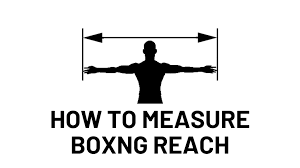
Boxing measures reach by calculating the distance from one fingertip to the other when arms are stretched out. Reach helps determine a fighter’s ability to hit opponents from a distance, offering strategic advantages in the ring. Accurate reach measurement is crucial for understanding fighter potential.
To measure a boxer’s reach, tools play a key role. Accurate measurements help trainers understand a fighter’s potential. They also aid in strategy planning. Traditional tools like tape measures are still popular. Modern technology offers digital devices too. Each tool has its benefits and drawbacks.Tape Measures
Tape measures are simple and reliable. They provide quick results. Most gyms have them handy. A coach or teammate stretches the tape from fingertip to fingertip. This measures arm span effectively. Tape measures are inexpensive. They require no special skills to use. However, human error can affect accuracy. Misreading or misplacing the tape might lead to mistakes.Digital Devices
Digital devices offer precise measurements. They use sensors and software to measure reach. These devices can connect to apps or computers. This allows data storage and analysis. Digital tools reduce human error. They often give more consistent results than tapes. They can be costly, though. Not all gyms can afford them. Digital devices need careful handling and maintenance.
Credit: www.youtube.com
Common Techniques Used
Measuring reach in boxing involves calculating the arm span from fingertip to fingertip. This helps determine a boxer’s ability to strike opponents from various distances. Coaches often use this measurement to tailor training strategies, enhancing fighter performance in the ring.
Measuring reach in boxing is crucial for understanding a boxer’s advantage. Reach refers to the length of a boxer’s arm span, which can impact their ability to hit opponents while staying out of range. Various techniques exist to measure reach, each offering different insights and accuracy.Traditional Methods
Traditional methods often involve simple tools and manual measurements. The most common technique is using a measuring tape. The boxer stands straight with arms extended horizontally. The tape is stretched from fingertip to fingertip across the chest. This method gives a straightforward measurement of reach. It’s simple and requires minimal equipment. Coaches and trainers have relied on this method for years. Another traditional approach is using a yardstick. This method is similar to the tape measure technique. It involves holding the yardstick between the fingertips. This approach is less flexible but can be effective.Modern Approaches
Modern techniques integrate technology for more precise measurements. Digital tools and apps are now available to measure reach. Some use cameras and sensors to capture arm length data. These tools can provide detailed analysis and instant results. Motion capture systems are also gaining popularity. They use infrared sensors to record movement and length. This method is highly accurate and offers comprehensive data. It’s especially useful in professional settings where precision matters. Some gyms utilize specialized software. It calculates reach based on multiple body points. This gives a more holistic view of a boxer’s physical capabilities. These modern methods offer more than just basic measurements. They contribute to strategic planning and performance enhancement.Accuracy And Challenges
Measuring reach in boxing is crucial to understanding a fighter’s potential effectiveness in the ring. However, ensuring accuracy in this measurement presents unique challenges. While reach is straightforward in concept, its execution can be rife with potential errors and demands precision.
Potential Errors
Consider how reach is measured: from fingertip to fingertip. It sounds simple, yet factors such as posture and arm positioning can skew results. Imagine a boxer slouching or failing to fully extend their arms during measurement—this could result in inaccurate data.
Additionally, mistakes in measurement technique or using inconsistent methods can lead to discrepancies. If one gym uses a different protocol than another, how can you ensure reliable comparisons?
Improving Precision
Improving accuracy in reach measurements involves standardizing procedures. Consistency is key: using the same method across different gyms and competitions can minimize errors.
Incorporating technology, like digital measurement tools, can also enhance precision. These tools ensure that measurements are consistent and reduce human error.
But what about the human element? Training staff to follow standard practices can ensure that every boxer is measured accurately, fostering fair competition. Have you ever thought about how these small changes could impact the outcomes of matches?
Role Of Reach In Matchmaking
In the high-stakes world of boxing, every inch can make a difference. One such crucial element is a boxer’s reach—the distance from fingertip to fingertip with arms outstretched. Reach isn’t just a number; it’s a strategic tool in matchmaking that can tilt the scales of a fight.
Influencing Match Outcomes
Reach can often dictate the pace and style of a match. A fighter with longer reach can control the distance, keeping opponents at bay with jabs. This advantage becomes apparent when you consider how it affects a fighter’s ability to land punches without getting hit in return.
Think about a time you played a sport and had a physical advantage—it felt empowering, right? In boxing, a longer reach can give fighters a psychological edge, boosting confidence before they even step into the ring. Yet, it doesn’t guarantee victory; skill and strategy are still paramount.
Balancing Advantages
In matchmaking, balancing reach is key to ensuring a fair fight. Promoters and trainers often look for opponents with comparable reach to create an even playing field. This careful consideration helps maintain the sport’s integrity and ensures thrilling, competitive bouts.
But what happens when a boxer with shorter reach faces a longer-limbed opponent? It becomes a test of adapting tactics and leveraging other strengths like speed and footwork. It challenges fighters to be more creative and resourceful, often leading to more dynamic and exciting matches.
Do you think reach should be a defining factor in a boxer’s career, or should adaptability hold more weight? Share your thoughts in the comments below!
Historical Perspectives
In the world of boxing, measuring reach has always been crucial. Reach refers to the distance a boxer can extend their arm. This measurement impacts strategy and fighting style. Historical perspectives offer insights into how reach was seen and valued in boxing’s evolution.
Famous Boxers And Their Reach
Boxers like Muhammad Ali and Mike Tyson had notable reach. Ali’s reach was 78 inches, giving him an advantage in many fights. Tyson, despite his shorter stature, had a reach of 71 inches. These boxers used their reach to control distance and land punches effectively. Their reach became a key part of their fighting identity.
Evolution Of Measurement Techniques
Early boxing matches relied on simple tape measures for reach. Accuracy varied, and measurements weren’t standardized. Over time, methods improved with technology. Today, digital tools ensure precise measurements. These advancements help trainers and fighters understand reach dynamics better. They also aid in tailoring training and strategy.

Credit: www.tiktok.com
Frequently Asked Questions
How Do They Measure A Boxer’s Reach?
A boxer’s reach is measured from fingertip to fingertip across the outstretched arms. This measurement includes the width of the shoulders and helps determine the fighter’s advantage in the ring. Reach plays a crucial role in a boxer’s ability to land punches effectively and maintain distance from opponents.
Is 71 Inch Reach Good?
A 71-inch reach is considered average for many sports, like boxing and MMA. It can be advantageous if used effectively. Reach helps in maintaining distance and landing strikes. Individual skill and technique often matter more than reach alone.
How Is Your Reach Calculated?
Reach is calculated by measuring the number of unique users who see your content. It includes users who view your posts, ads, or stories. This metric helps gauge visibility and potential audience size, aiding in optimizing content strategies for better engagement and growth.
What Is The Average Reach For A 6ft Person?
A 6ft person typically has an average arm span of about 6ft, matching their height. This reach generally covers 72 inches, useful for tasks requiring extended reach. The reach may vary slightly due to individual proportions.
Conclusion
Measuring reach in boxing is crucial for understanding fighters’ advantages. Reach affects strategy, defense, and attack. Long arms can keep opponents at bay. Shorter reach might need closer fighting tactics. Knowing your reach helps with effective training plans. Coaches use reach to guide fighters.
It influences match outcomes. Reach isn’t the only factor, but it plays a key role. Boxing success relies on various skills and strategies. Understanding reach helps fighters prepare better. It improves their chances in the ring. Keep learning about reach to enhance boxing knowledge.