

Imagine stepping into the boxing ring, where every inch counts and each move can make or break your strategy. Here, “reach” is more than just a physical measurement; it’s a game-changing factor that can tilt the odds in your favor.
Ever wonder why some boxers seem to have an edge, even before the first punch is thrown? The secret often lies in their reach. By understanding reach, you can gain insights into how boxers plan their attacks and defend against opponents.
Dive into this fascinating aspect of boxing, and discover how reach influences the dynamics of a fight. Ready to uncover the secrets behind those winning jabs and knockout punches? Let’s explore what reach really means in the world of boxing and how it can change the way you view the sport.
Reach In Boxing
Reach is a crucial factor in boxing that can significantly influence a fighter’s performance in the ring. It involves the distance a boxer can cover with their arm extension, impacting their ability to strike effectively and defend against opponents. Understanding reach can be the difference between a knockout victory and a missed opportunity.
Definition Of Reach
Reach in boxing refers to the length from a fighter’s shoulder to the tip of their fist. It’s essentially the maximum distance a boxer can punch without stepping forward. Reach is important because it allows a fighter to maintain distance, control the pace, and potentially land punches without receiving counterattacks.
Think of reach as your personal safety zone in the ring. The longer your reach, the more room you have to maneuver and strike. It’s a strategic advantage that can help dictate the flow of a fight.
Measurement Techniques
Measuring reach is straightforward, yet crucial. You can use a tape measure to determine the length from shoulder to fingertip with the arm extended horizontally. This gives a clear indication of how far your punches can travel.
Another method involves measuring the wingspan from fingertip to fingertip across both arms. This provides a holistic view of a fighter’s reach capabilities, considering both arms. This measurement can sometimes give a more comprehensive understanding of a boxer’s range.
Consider keeping a record of your reach measurements over time. Notice any changes and adjust your training accordingly. Does your reach give you the edge you need, or should you focus on enhancing other skills?
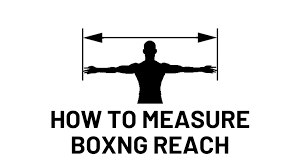
Credit: boxingessential.com
Impact Of Reach On Performance
In boxing, reach plays a crucial role in a fighter’s performance. Reach refers to the distance a boxer can stretch out his arms. It influences both offensive and defensive strategies in the ring.
Offensive Strategies
Boxers with longer reach can maintain distance while striking. They land punches from afar, keeping opponents at bay. This advantage allows more frequent jabs and straights. Fighters with extended reach can control the pace of the fight. They dictate the range and force their opponent to adapt. Establishing a strong offense becomes easier with longer reach.
Defensive Benefits
Long reach enhances a boxer’s defense. It provides a buffer between the fighter and his opponent. Boxers can deflect and avoid punches with ease. Longer arms create an effective shield, reducing damage. They can maintain distance and frustrate aggressive opponents. This defensive edge helps conserve energy during intense bouts.
Reach Vs Other Physical Attributes
Reach in boxing refers to the arm length from shoulder to fist, crucial for striking distance. It often surpasses other physical attributes like height or weight in importance, influencing a fighter’s ability to land punches effectively and maintain control during a match.
In boxing, reach is a critical factor that can dictate the flow of a match. However, reach doesn’t operate in isolation. It intertwines with other physical attributes like height, weight, and arm length to influence a boxer’s performance. Understanding how these attributes play together can give you a deeper insight into a fighter’s strategy and potential.Height And Weight
Height can be both an advantage and a challenge in boxing. Taller boxers often have a longer reach, allowing them to keep opponents at bay. However, being taller can also mean a higher center of gravity, which might affect balance and agility. Weight is equally crucial. While heavier boxers might pack more power, they may sacrifice speed and stamina. A fighter’s weight class can determine their approach—whether they rely on knockout power or swift, strategic movements. How does your favorite boxer balance these elements?Arm Length
Arm length is often confused with reach, but they’re not the same. Reach measures the distance from fingertip to fingertip across the body, while arm length refers to the span from shoulder to fist. A longer arm length can allow a boxer to deliver jabs and punches from a safer distance, keeping them out of their opponent’s striking range. It’s a subtle advantage that can make a significant difference in close contests. Consider how a boxer with longer arms might adjust their stance to maximize this benefit. This interconnectedness of reach, height, weight, and arm length shapes a boxer’s fighting style. Each attribute offers unique advantages and challenges. How do you think these factors influence the strategies boxers use in the ring?Famous Boxers With Advantageous Reach
In boxing, reach refers to the distance a boxer can extend their arm. It often gives fighters an advantage in the ring. Boxers with longer reach can keep opponents at bay, landing punches from afar. This trait has played a pivotal role in the careers of many boxing legends. Let’s explore some famous boxers who have benefited from their advantageous reach.
Notable Examples
Several boxers have used their reach to dominate the sport:
- Muhammad Ali: Known for his quick jabs and long reach.
- Lennox Lewis: His reach helped him control fights and win titles.
- Vitali Klitschko: Famous for using reach to deliver powerful punches.
Impact On Their Careers
Boxers with long reach often control the pace of a fight. They can strike from a distance, avoiding close-range conflicts. This strategic advantage often leads to more wins and fewer injuries. Muhammad Ali’s reach allowed him to outmaneuver opponents, securing his legacy as a top fighter. Lennox Lewis used his reach to dominate heavyweight matches, earning multiple championships. Vitali Klitschko’s reach contributed to his impressive knockout record.
Training To Optimize Reach
Reach in boxing refers to the distance a boxer can extend their arm to punch. Training to optimize reach focuses on improving arm length utility, enhancing punch impact, and maintaining defensive positions. Effective reach can give a competitive advantage, allowing boxers to hit opponents while staying out of their range.
Training to optimize reach in boxing enhances a fighter’s advantage in the ring. A longer reach allows striking from a distance, keeping opponents at bay. Developing reach involves specific techniques and exercises. Effective training can transform reach into a strategic asset. Below, we explore key drills and methods to improve reach.Techniques And Drills
Focus on footwork. Proper footwork increases effective reach. Practice moving swiftly in the ring. Use agility ladders and cones. These tools improve speed and precision. Shadowboxing is another essential drill. Extend punches fully, envisioning an opponent just out of reach. This improves muscle memory. Utilize the heavy bag. Aim for long-range punches. Concentrate on reaching further with each strike. Partner drills also help. Sparring with a taller partner challenges your reach. Adapt and adjust your style accordingly.Improving Flexibility
Flexibility is crucial for maximizing reach. Incorporate stretching into your routine. Focus on shoulders, arms, and back. Dynamic stretching before training warms up muscles. Static stretching post-training enhances flexibility over time. Yoga can be beneficial. It strengthens and stretches muscles simultaneously. Consider incorporating yoga sessions into your weekly routine. A flexible fighter can extend punches further, gaining an edge in the ring. Use resistance bands to improve reach. They help stretch and strengthen muscles. Regular practice with bands enhances flexibility and reach. Remember, consistent training and flexibility exercises maximize your boxing reach.
Credit: www.youtube.com
Reach In Boxing Matches
Reach in boxing matches is a crucial factor. It refers to the distance a boxer can cover with their punches. A longer reach can mean better control of the fight. It allows a boxer to hit opponents from afar. Shorter reach may require fighters to get closer, risking more exchanges. Understanding reach helps in predicting fight outcomes and strategies.
Strategic Usage
Boxers use reach strategically. Longer reach lets them maintain distance. They can hit while avoiding counter punches. It enhances defensive tactics. Fighters with shorter reach often need quick footwork. They must close gaps swiftly. This requires agility and precision. Both types of fighters can exploit reach effectively. They adjust strategies to fit their reach.
Analyzing Fight Dynamics
Reach affects fight dynamics. It influences pace and control. Longer reach can slow down aggressive opponents. It forces them to think before attacking. Shorter reach can increase fight intensity. It leads to more exchanges and close combat. Observing reach reveals potential fight scenarios. Analysts study reach to predict moves and outcomes. It provides insight into possible advantages and disadvantages.

Credit: www.tiktok.com
Frequently Asked Questions
How Does Boxing Calculate Reach?
Boxing calculates reach by measuring from the tip of one middle finger to the other with arms outstretched.
Is Reach The Same As Wingspan?
Reach and wingspan are different measurements. Wingspan measures fingertip to fingertip distance. Reach measures arm length from shoulder.
What Is The Average Reach Of A 6 Foot Man?
A 6-foot man typically has an average reach of about 7 feet. This measurement includes arm span from fingertip to fingertip. Reach varies based on individual body proportions.
Is 76 Inch Reach Long?
A 76-inch reach is considered long, especially in sports like boxing or MMA. It offers a competitive advantage, allowing athletes to strike from a distance. Many successful fighters have similar reach measurements, enhancing their defensive and offensive capabilities. Reach is crucial for maintaining distance and controlling fights.
Conclusion
Boxing reach matters. A fighter’s arm length influences their strategy. Longer reach? Advantage in keeping distance. Shorter reach? Focus on close combat. Understanding reach helps in predicting fight outcomes. It also guides training methods. Coaches plan tactics based on reach.
Fans enjoy analyzing fighters’ reach before matches. Exciting to see how it affects each fight. Reach isn’t the only factor, but it’s crucial. Fighters adapt their style to their reach. Knowing this adds depth to watching boxing. So next time, watch the reach.
See how it shapes the fight!