
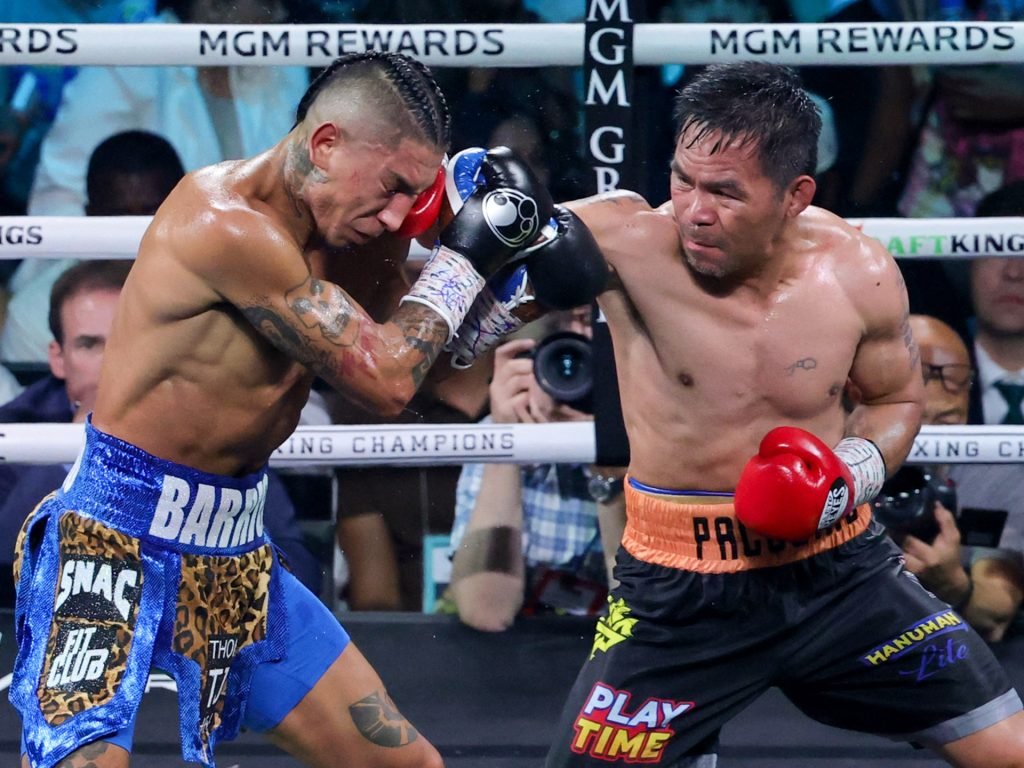
Imagine watching a thrilling boxing match, your heart racing with every punch, only to hear the match ends in a “majority draw.” Confused?
You’re not alone. As a boxing enthusiast, understanding every detail of a match can enhance your viewing experience. A majority draw isn’t just another term; it’s a decision that can change the course of a boxer’s career. So, what does it really mean when a match ends this way?
And how does it impact the fighters involved? By the end of this article, you’ll have a clear grasp on this intriguing outcome, making your next boxing match even more exciting and enjoyable. Dive in to discover the ins and outs of a majority draw and become the expert in your circle.

Credit: www.tiktok.com
Majority Draw Concept
A majority draw in boxing occurs when two judges score the match as a draw, while the third judge favors one fighter. This outcome indicates a closely contested fight, with no clear winner declared. Fans often find majority draws intriguing, as they reflect evenly matched skills between fighters.
The term “Majority Draw” in boxing can be puzzling, especially if you’re new to the sport. Imagine watching a thrilling match where both fighters deliver powerful punches and strategic moves. You await the judge’s decision with bated breath, only to hear that the result is a majority draw. What does this mean for the fighters and the sport? Let’s dive into the concept to understand what exactly goes down when a boxing match ends in a majority draw.Understanding The Majority Draw
A majority draw occurs when two of the three judges score the fight as a draw, while the third judge awards the fight to one of the boxers. This means that neither fighter is declared the outright winner. Picture yourself in the ring. You’ve trained hard, fought intensely, and after several rounds, the scores are tallied. Two judges see it as even, while one favors you. There’s no winner, but it’s not a loss either. For the boxers, a majority draw can be both frustrating and motivating. It means neither fighter was dominant enough to secure a unanimous victory. This result might push them to analyze their strategies, enhance their skills, and aim for a decisive win in future bouts. Think of it as a chance to reassess. What could you have done differently to tip the balance in your favor?Role Of Judges
Judges play a crucial role in determining the outcome of a match. Their scores are based on criteria like the number of punches landed, defense, and overall control. Ever wondered how you’d judge a fight? Would your focus be on aggression, technique, or control?Implications For Betting And Rankings
A majority draw can significantly affect betting outcomes and fighter rankings. Bettors might find themselves in a predicament, as their predictions are neither right nor wrong. Rankings might remain unchanged, or fighters could be compelled to prove themselves once more. How would you handle the uncertainty in betting? Would you see it as an opportunity to refine your betting strategy? In the end, a majority draw leaves fans and fighters alike pondering the match’s dynamics. As a fan, how do you feel when a fight ends in a draw? Does it leave you wanting more or satisfied with the performance?Scoring System Basics
Understanding the scoring system in boxing is crucial for grasping what a majority draw means. The sport employs a unique points-based system to determine the winner of a match. This involves judges scoring each round based on specific criteria, leading to outcomes that may not always be straightforward. Let’s break down the basics of how boxing matches are scored and what factors contribute to a majority draw.
How Judges Score Boxing Matches
In professional boxing, three judges are responsible for scoring each fight. They evaluate rounds by considering factors such as clean punches, defense, ring control, and overall aggression. Each round is scored on a 10-point scale, with the winner typically receiving 10 points and the opponent 9 or fewer. It’s fascinating how a few key punches can sway the judges’ decision, making each round critical.
Understanding The 10-point Must System
The 10-point must system is the backbone of boxing scoring. It requires judges to award 10 points to the round’s winner, ensuring a structured evaluation. If you’ve ever watched a match and felt unsure why a fighter won a round, it’s likely due to this system. It emphasizes performance and technique, rewarding fighters for their skill and precision in the ring.
What Happens When Judges Disagree?
Boxing matches can become intriguing when judges don’t see eye to eye. If two judges score the fight as a draw while the third sees it differently, the result is a majority draw. This often leaves fans debating the outcome, pondering whether the scoring truly reflected the fight. Have you ever been at the edge of your seat, wondering how the judges reached their decision?
Impact Of A Majority Draw On Fighters
A majority draw can have mixed consequences for boxers. It may lead to rematches or affect rankings, altering their career trajectory. Fighters often express frustration when their hard work doesn’t translate into a clear victory. As a fan, you might wonder how such decisions impact their future prospects and training focus.
Role Of Compubox In Scoring
CompuBox offers a technological edge in scoring by tracking punches thrown and landed. This data supplements judges’ observations, providing a quantitative measure of performance. It’s intriguing to consider how technology influences traditional scoring methods, potentially changing the landscape of boxing evaluations.
Judges’ Role In Decision
Judges in boxing play a crucial role in determining the outcome of a match. A majority draw occurs when two judges agree on a draw, while the third judge favors one fighter. This decision highlights the judges’ differing opinions on the fighters’ performance and impact in the ring.
In the world of boxing, the role of judges is pivotal to the sport’s integrity and outcome. Judges are tasked with the critical responsibility of scoring each round and ultimately deciding the winner when a fight doesn’t end in a knockout. Their decisions can be controversial and sometimes lead to a result known as a majority draw. But what exactly goes on in a judge’s mind during a fight, and how do they arrive at their decisions?Understanding The Scoring System
Judges use a 10-point must system to score each round. Typically, the winner of a round receives ten points, while the loser gets nine or less, depending on the round’s dominance. This system aims to provide a clear framework for evaluating the fighters’ performances.Factors Judges Consider
Judges evaluate several key factors, such as effective aggression, defense, ring generalship, and clean punching. Each judge may weigh these factors differently, leading to varied interpretations of the same round. Have you ever wondered why two judges can see the same fight so differently?The Impact Of Bias
Unintentional biases can sometimes creep into a judge’s decision-making process. Familiarity with a fighter, crowd reactions, or even personal preferences can subtly influence scores. This is why transparency and accountability are crucial for maintaining trust in the judging process.Challenges Faced By Judges
Judges must make split-second decisions in a high-pressure environment. Unlike viewers at home, they do not have the luxury of replays. Their position at ringside also limits their view, which can affect their ability to see every punch clearly.Ensuring Fairness And Consistency
To ensure fairness, judges undergo rigorous training and certification processes. Regular reviews and feedback sessions help them maintain a high standard of judging. This continuous improvement is essential for minimizing controversies in fight outcomes.Lessons From Personal Experience
Having attended several live boxing matches, I noticed how differently a fight feels in person compared to watching on TV. The energy, the crowd, and the pace can sometimes cloud objective judgment. This realization made me appreciate the difficult job judges have in maintaining impartiality. Considering these insights, do you think the judging system in boxing needs reform, or is it simply the nature of the sport?
Credit: www.tiktok.com
Impact On Fighters
A majority draw in boxing leaves fighters with mixed feelings. Neither wins nor loses, impacting their career progression. It can affect motivation, leading to uncertainty in future match opportunities.
Impact on Fighters A majority draw can be a perplexing outcome for fighters. It leaves both boxers without a decisive victory, affecting their career trajectory and emotional well-being. Understanding its impact on fighters gives you insight into the high stakes of boxing.Emotional Toll
Experiencing a majority draw can be emotionally taxing for fighters. Imagine training for months, only to walk away without a clear win. This can lead to frustration, self-doubt, and even questioning their future in the sport.Career Implications
A majority draw can stall a fighter’s career progression. It neither improves nor diminishes their record significantly. This can affect their ranking and future match opportunities, sometimes making it harder to secure high-profile bouts.Financial Impact
Fighters often rely on win bonuses and sponsorship deals. A majority draw can mean missed financial opportunities. Without a win, fighters might struggle to negotiate better deals, impacting their livelihood.Motivation And Future Strategy
How do fighters bounce back after a majority draw? It can fuel their determination to train harder and improve their skills. Fighters might reassess their strategy, focusing on areas that need enhancement to ensure a clearer victory in future bouts.Fan Perception
A majority draw can also influence how fans perceive a fighter. It might lead to divided opinions on their abilities and potential. Are fans left questioning the fighter’s prowess, or do they see it as an opportunity for redemption in future matches?Historical Examples
A majority draw in boxing means that two judges score the fight as a draw while one judge chooses a winner. An example is the 1999 clash between Evander Holyfield and Lennox Lewis, where the outcome was controversial and led to a rematch.
Understanding what a majority draw means in boxing can be intriguing, especially when you delve into its historical examples. Over the years, this outcome has been a source of contention and debate among fans and analysts alike. It’s fascinating to explore how these draws have affected the careers of some of the most iconic boxers in history.Floyd Mayweather Jr. Vs. Marcos Maidana I (2014)
In 2014, the boxing world witnessed a thrilling bout between Floyd Mayweather Jr. and Marcos Maidana. The fight was intense, with Maidana delivering relentless pressure and Mayweather showcasing his defensive prowess. The judges scored it a majority draw, sparking debates and discussions among fans, wondering if Maidana had done enough to dethrone Mayweather.Evander Holyfield Vs. Lennox Lewis I (1999)
The first clash between Evander Holyfield and Lennox Lewis ended in a controversial majority draw. Despite Lewis dominating the fight with his reach and jab, the judges couldn’t come to a unanimous decision. This result led to widespread criticism and calls for better judging standards in boxing.Manny Pacquiao Vs. Juan Manuel Marquez I (2004)
Manny Pacquiao’s first encounter with Juan Manuel Marquez was nothing short of electrifying. Pacquiao knocked Marquez down three times in the first round, yet Marquez rallied back in the subsequent rounds. The bout ended in a majority draw, leaving fans on the edge of their seats and setting the stage for an epic rivalry.Oscar De La Hoya Vs. Pernell Whitaker (1997)
Oscar De La Hoya’s fight against Pernell Whitaker was another memorable bout that ended in a majority draw. Known for his slick defense, Whitaker managed to evade De La Hoya’s punches effectively. The draw added a layer of complexity to both fighters’ legacies, prompting fans to question who truly had the upper hand. These examples show that a majority draw can reshape narratives and fuel discussions for years. Have you ever watched a fight where you felt the outcome was unjust? These historical moments remind us that boxing is as much about strategy and skill as it is about the drama that unfolds within the ring.Public Perception
When a boxing match ends in a majority draw, the public’s reaction can be a mix of confusion and frustration. As fans, we invest emotionally in the fighters, hoping for a decisive victory. A majority draw often leaves us questioning the fairness and accuracy of the judges’ decisions. How do these outcomes shape our perception of the sport and the fighters involved?
Public Perception Of Judges’ Decisions
Many fans see the judges as the ultimate arbiters in boxing. A majority draw can sometimes lead to skepticism about their ability to make unbiased decisions. You might wonder if personal biases or external pressures influence their scoring. This skepticism can erode trust in the sport, making audiences question the integrity of future bouts.
Impact On Fighter Reputation
For a fighter, a majority draw can be a double-edged sword. On one hand, it may protect them from a loss, but it can also hinder their progress in rankings. Imagine training tirelessly, only for your efforts to be labeled inconclusive. How does this affect your perception of their skill and perseverance?
Fan Engagement And Discussion
A majority draw can ignite heated discussions among fans. You might find yourself debating the outcome with fellow enthusiasts, analyzing each round in detail. This engagement can increase interest in the sport, yet it may also divide opinions. Do these debates enhance your enjoyment of boxing, or do they leave you feeling dissatisfied?
Potential Influence On Future Matches
Boxing promotions may view majority draws as opportunities for rematches. These can be marketed as unfinished business, drawing in viewers eager for resolution. As a fan, you may anticipate these rematches, hoping for a clear winner. How do these potential matchups affect your excitement and loyalty to the sport?
Strategies After A Draw
A majority draw in boxing means no clear winner is declared. Fighters often reassess strategies for future bouts. Analyzing performance, improving weaknesses, and focusing on strengths become crucial for progress.
A majority draw in boxing leaves both fighters without a win. After such a result, both boxers must rethink their strategies. They need to decide how to proceed in their careers. Drawing a fight can be frustrating, but it also opens up new possibilities. Fighters can learn from the experience and improve their skills. They might also consider a rematch, which can be appealing to fans.Learning From Mistakes
Analyzing the fight is crucial. Boxers should review their performance and identify any mistakes. Understanding what went wrong can help them improve. They should focus on their weaknesses and work on them. Coaches can play a big role in this process. They offer valuable insights and advice.Improving Training Regimen
Training adjustments might be necessary. Fighters should enhance their physical conditioning and technique. Adding new exercises can boost their performance. They might also benefit from sparring with different partners. This exposes them to various fighting styles.Enhancing Mental Preparation
Mental strength is as important as physical skill. Boxers should work on their focus and determination. Visualization techniques can be useful. Imagining success helps build confidence. Staying positive keeps them motivated.Considering A Rematch
A rematch can be a great opportunity. It allows fighters to prove themselves. They have the chance to correct mistakes. Fans often look forward to rematches. They bring excitement and anticipation.Exploring New Opportunities
Sometimes, fighters seek new challenges. They might consider facing different opponents. This can help them grow and develop. New matches can attract a fresh audience. They keep careers dynamic and engaging.Future Implications
A majority draw in boxing indicates an equal split in judges’ opinions, leaving the outcome undecided. It can lead to rematches, impacting fighters’ rankings and future matchups. Understanding its implications helps fans and fighters anticipate potential career shifts.
The future implications of a majority draw in boxing can be significant. This outcome influences fighters’ careers, rankings, and future matchups. Understanding these effects helps fans and fighters anticipate the next steps in a fighter’s journey.Impact On Fighter Rankings
A majority draw can halt a fighter’s rise in rankings. Without a clear winner, ranking boards struggle to adjust positions. This can delay a fighter’s chance at a title shot. Fighters might need another bout to prove their superiority.Influence On Career Trajectories
Fighters often reassess their strategies after a majority draw. They may change trainers or tweak their fighting style. This decision can affect their future performance. A draw can be a learning experience for both boxers.Potential For Rematches
A majority draw often leads to a rematch. Both fighters might agree to another bout to settle the score. Fans usually welcome this, as it promises an exciting follow-up. Rematches can draw significant attention and revenue.Psychological Effects On Fighters
A draw can impact a fighter’s confidence. They may question their abilities or training methods. Overcoming this mental hurdle is crucial for future success. Some fighters use it as motivation to improve.Fan Reactions And Expectations
Fans react strongly to a majority draw. They may feel unsatisfied or eager for a rematch. This influences ticket sales and viewership for future fights. Promoters take fan reactions into account when planning events.
Credit: thegame-onemega.com
Frequently Asked Questions
What Happens If A Title Fight Is A Draw?
A title fight ending in a draw means the champion retains the belt. No new champion is declared. Both fighters may pursue a rematch to settle the tie. The draw signifies equal scoring by judges or a stalemate in performance.
Fans often anticipate follow-up bouts for closure.
What Does It Mean To Have A Draw In Boxing?
A draw in boxing occurs when judges score the fight evenly. Neither boxer is declared the winner. This can happen when each boxer wins equal rounds or scores the same number of points. Draws highlight closely matched skills and can lead to rematches for a decisive victory.
How Do You Get A Majority Decision?
A majority decision occurs when more than half of a group votes in agreement. Ensure all members understand the options and cast their votes. Tally the votes, and the option with the most votes wins. This decision-making process is common in meetings, elections, and group discussions.
What Does Majority Decision Mean?
A majority decision occurs when most members agree on a particular choice or outcome in a group setting.
Conclusion
Understanding a majority draw in boxing can be confusing. It’s a rare outcome. Both fighters leave the ring without a win. Judges score the fight evenly. This result shows the fighters’ equal performance. Fans often debate the fairness of such draws.
Boxing can be unpredictable. The excitement lies in its uncertainty. Every fight tells a unique story. A majority draw adds another layer to the sport. Boxers aim for victory, yet sometimes the fight ends in balance. This keeps the audience guessing.
Keeps them engaged. Ultimately, boxing’s charm is in its surprises.