

Have you ever wondered what’s inside a punching bag that lets you unleash your energy with each powerful punch? Understanding what a punching bag is made of not only helps you choose the right one for your needs but also ensures you get the most out of your workouts.
Whether you’re a seasoned boxer or just starting your fitness journey, knowing the materials that make up a punching bag can enhance your training experience. Dive into the fascinating world of punching bags and discover the secrets behind their durability, resilience, and performance.
By the end of this article, you’ll be equipped with knowledge that could transform your training sessions into something extraordinary. So, are you ready to find out what lies beneath the surface of your trusty punching bag?

Credit: www.amazon.com
Types Of Punching Bags
Punching bags come in various types, each serving a different purpose. Understanding these types helps in choosing the right bag for your training needs. Whether you’re a beginner or a pro, selecting the right punching bag can enhance your workout experience.
Heavy Bags
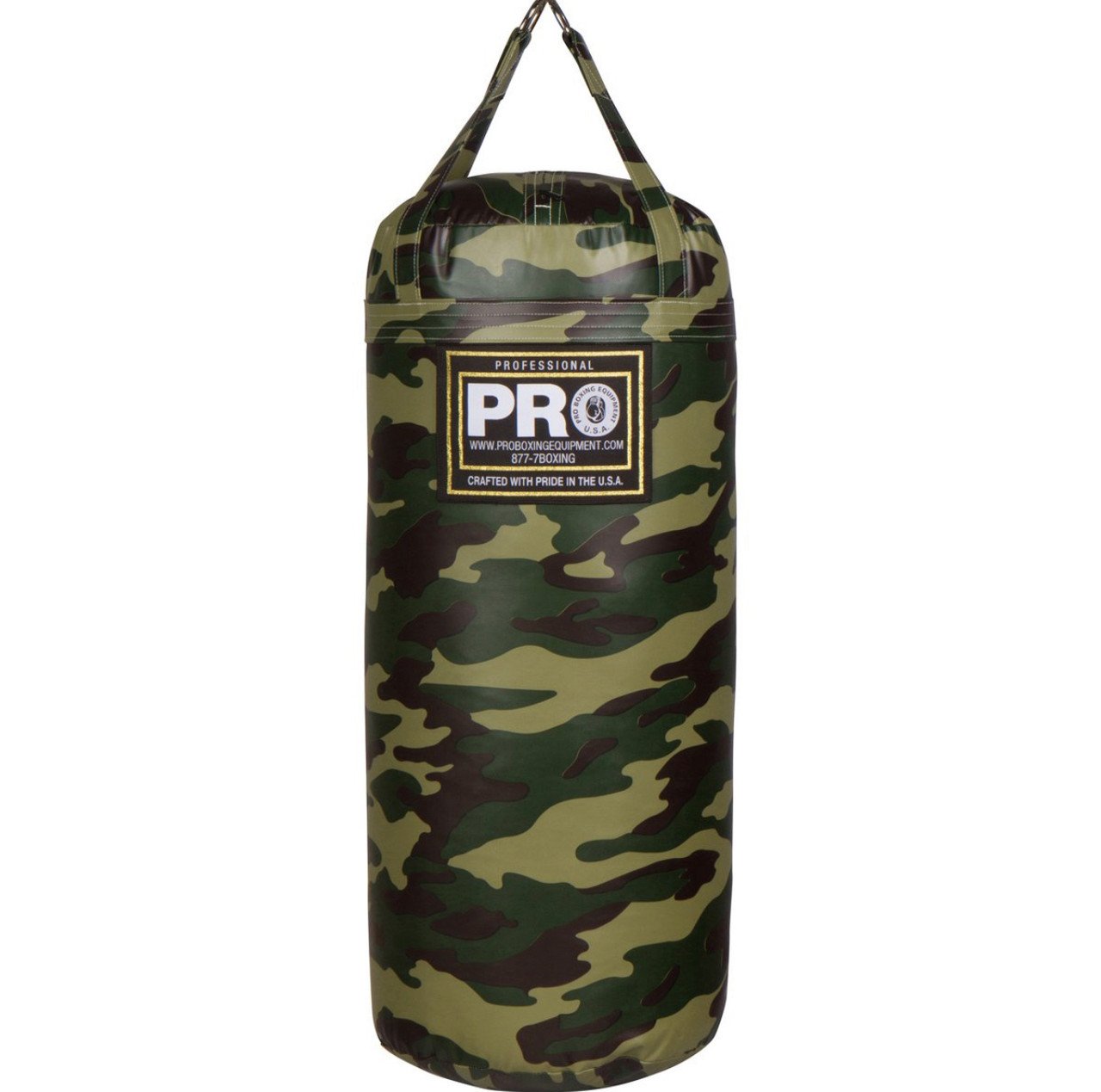
Heavy bags are the most common type used in gyms. Made from durable materials like leather or vinyl, they withstand powerful punches. They are usually filled with sand or fabric. Their weight ranges from 70 to 150 pounds. These bags improve strength and technique.
Speed Bags
Speed bags are small, air-filled balls. They hang from a platform and rebound quickly. Made from lightweight leather, they enhance hand-eye coordination. These bags improve speed and timing. Perfect for boxers who want to sharpen their reflexes.
Free-standing Bags
Free-standing bags are versatile and portable. They consist of a padded bag mounted on a base. The base can be filled with water or sand for stability. Made from synthetic materials, they are ideal for home use. Easy to move and store, they suit varied workouts.
Credit: fightingoutlet.com
Outer Materials
Punching bags are crafted with durable outer materials like leather, canvas, or synthetic fabric. These materials resist wear and tear during intense workouts. Leather offers luxury and longevity, while canvas and synthetic options provide affordability and strength.
Understanding what a punching bag is made of can significantly enhance your training experience. The outer material of a punching bag plays a critical role in its durability and feel. It affects not only how long the bag will last but also how it responds to your punches and kicks. Let’s dive into the different outer materials commonly used in punching bags and see how each one can impact your workout.Leather
Leather is often considered the premium choice for punching bags. It’s known for its durability and ability to withstand intense training sessions. Leather bags offer a natural feel, which many boxers and martial artists prefer. They tend to be more expensive, but the investment pays off in longevity. If you’ve ever punched a leather bag, you know it’s like hitting a well-padded wall—firm, yet forgiving. This is why leather is the go-to for serious trainers.Canvas
Canvas is another popular option, especially for beginners or those on a budget. It’s a more affordable alternative to leather but still offers decent durability. Canvas bags are often used for lighter training and can be a good choice for home gyms. While they might not provide the same luxurious feel as leather, canvas bags are practical and effective. Plus, they are easier to maintain and clean, which is a nice bonus if you’re just starting your fitness journey.Synthetic Fabrics
Synthetic fabrics such as vinyl or polyurethane are increasingly popular due to their versatility. These materials can mimic the feel of leather without the high cost. They are resistant to wear and tear and can handle moisture, making them ideal for humid environments. Synthetic bags are often lighter, which might be beneficial if you need to move the bag frequently. If you’re looking for a cost-effective yet durable option, synthetic fabrics might be your best bet. Which material suits your training style and needs? Consider your goals and budget to make the best choice for your punching bag.Inner Fillings
Punching bags are essential for training and stress relief. The materials inside these bags affect their weight, feel, and durability. Understanding the inner fillings helps in choosing the right bag for your needs.
Sand
Sand provides a firm and heavy filling for punching bags. It adds significant weight, making the bag stable during intense workouts. Sand-filled bags are perfect for building strength and endurance. They offer a solid and challenging surface to punch or kick. Ensure the bag is tightly sealed to prevent sand leakage.
Water
Water-filled punching bags offer a unique experience. They mimic the feel of striking a real opponent. These bags are adjustable by changing the water level. Filling or emptying the bag is easy, making them convenient for home use. Water bags absorb shock well, reducing stress on joints. They are suitable for beginners and those with joint concerns.
Textile Fibers
Textile fibers provide a softer, more flexible filling. They are lightweight, making the bag easy to move. This filling is gentle on hands and wrists, ideal for beginners. Textile-filled bags have a consistent feel across the surface. They are durable and resistant to wear and tear. This filling offers a balance between softness and firmness.
Support Structures
Punching bags are typically crafted from leather or synthetic materials like vinyl. These durable exteriors are filled with materials such as sand, rags, or foam to absorb punches.
Support structures play a crucial role in ensuring your punching bag can withstand the rigorous pounding it’s likely to receive. These structures not only hold the bag in place but also ensure your safety while training. Understanding the different components can significantly enhance your workout experience.Chains And Straps
Chains and straps are the most common support elements you’ll encounter. Chains are typically made of durable steel, offering robust support and the ability to adjust the height of the bag easily. Straps, on the other hand, are often crafted from heavy-duty nylon or leather, providing a quieter alternative that reduces noise from metal clanging. When selecting between chains and straps, consider your workout environment. If you’re training at home and noise is a concern, straps might be the better option. However, for commercial gyms, chains are often preferred due to their longevity and strength.Mounting Brackets
Mounting brackets are essential for securing your punching bag to ceilings or walls. They come in various designs, from simple hooks to more elaborate systems that can absorb shock. The choice of bracket can influence the stability and movement of your bag. A well-installed bracket ensures that your bag remains securely in place, even under heavy punches. Always check the weight capacity of the bracket to match your punching bag. Have you ever considered the impact of your mounting choice on your training efficiency? Using a high-quality mounting bracket not only enhances safety but also prolongs the life of your punching bag setup. If you’re unsure about installation, seeking professional help can be a worthwhile investment.Durability Factors
Punching bags are crafted from durable materials like leather, vinyl, and canvas. Their toughness ensures longevity and withstands repeated strikes. Inside, they are often filled with sand, water, or foam, providing a resilient surface for training.
Durability factors are crucial when selecting a punching bag. These factors determine how long the bag will last and how well it performs over time. A durable punching bag can withstand constant strikes, maintaining its shape and functionality.Wear And Tear Resistance
Punching bags face constant impact. High-quality materials resist wear and tear. Bags made from leather or synthetic leather are popular. They are strong and offer excellent durability. Canvas bags are another option. They are tough but may fray over time. Reinforced stitching adds to the bag’s lifespan. Double or triple stitching prevents seams from splitting. This ensures the bag can handle intense workouts.Impact Absorption
Impact absorption is vital for both the bag and the user. A good bag absorbs punches, reducing stress on hands and wrists. Foam padding is common in many bags. It provides cushioning and prevents injuries. Some bags use gel-infused layers. These layers offer superior shock absorption. They help maintain the bag’s shape and structure. Proper filling also affects impact absorption. Common fillings include cloth, sand, or water. Each offers different levels of firmness and stability.Choosing The Right Material
Selecting the ideal material for a punching bag is crucial. Common choices include leather, vinyl, and canvas. Each offers unique benefits. Leather is durable and feels premium. Vinyl is cost-effective and easy to clean. Canvas provides a rugged, traditional feel.
Choosing the right material for your punching bag is crucial to enhance your training experience. Whether you’re a seasoned boxer or just stepping into the world of fitness, the material of your punching bag can significantly impact your workout. Let’s dive into how different materials can serve various purposes and suit diverse budgets.Purpose And Usage
Different materials cater to different training needs. If you’re focusing on heavy-duty workouts, canvas might be your best bet. It’s durable and can withstand intense punches over time. Leather bags offer a premium feel, often preferred by professionals for their smooth surface and resistance to wear and tear. Meanwhile, synthetic materials like vinyl are perfect for indoor settings, offering a balance between affordability and durability. Ever thought about how your training goals affect your choice of material? Reflect on your workout intensity and frequency before making a decision.Budget Considerations
Your budget plays a pivotal role in choosing the right punching bag material. Leather bags might have a higher upfront cost but promise longevity, making them a worthy investment for serious trainers. Canvas options provide durability at a lower price, ideal for beginners or those on a budget. Vinyl bags are often the most affordable, perfect for light training sessions. Consider what you’re willing to spend for the quality and longevity you desire. Do you prioritize high-end features, or are you looking for something budget-friendly for casual use? Balancing cost with your training goals is key.
Credit: www.amazon.in
Frequently Asked Questions
What Material Is Used To Make A Punching Bag?
Punching bags are commonly made from synthetic leather, canvas, or genuine leather. These materials ensure durability and withstand intense training. Filling includes sand, cloth, or foam to maintain shape and absorb impact. Quality construction ensures longevity and safe use.
What Are Heavy Punching Bags Filled With?
Heavy punching bags are typically filled with sand, water, or fabric materials. Sand provides firmness and weight. Fabric offers a softer feel. Water-filled bags offer adjustable weight and portability. Each filling type affects the bag’s density and impact resistance. Choose based on training needs and preferences.
What Is The Best Material For Punching Bags?
Leather is the best material for punching bags due to its durability and resistance to wear and tear. Canvas and synthetic materials like vinyl are also popular for their affordability and ease of maintenance. Choose based on your budget and training needs.
What Are Old Punching Bags Made Of?
Old punching bags are typically made of heavy-duty leather or canvas. They often contain materials like sand, cloth, or horsehair for filling. These durable materials ensure longevity and withstand repeated impacts during training sessions, making them ideal for boxing and martial arts practice.
Conclusion
Understanding the materials in punching bags helps in choosing wisely. Canvas suits beginners with its affordability. Leather offers durability and comfort for serious athletes. Vinyl is easy to clean and affordable for casual use. Water-filled bags provide unique resistance and portability.
Sand-filled options ensure stability for heavy hitters. Each material serves a different need, catering to various training styles. Consider your goals and preferences before purchasing. A well-chosen bag enhances your workout experience. Invest in quality, and enjoy effective training sessions.
Picking the right bag helps you reach your fitness aims efficiently.