

Have you ever wondered what sets apart a street fighter from a traditional boxer? If you’re intrigued by raw, unfiltered combat techniques, then dirty boxing might just captivate your interest.
Unlike the orthodox styles you often see in the ring, dirty boxing blends elements of boxing with street fighting tactics, creating a unique and thrilling approach to combat. But what exactly is dirty boxing, and why is it gaining popularity among fighters and enthusiasts alike?
You’ll discover the secrets and strategies behind dirty boxing that can give you an edge, whether you’re stepping into the ring or just curious about the art of the fight. Stay tuned to uncover how this unconventional style could change the way you think about boxing.

Credit: www.eventbrite.com
Origins Of Dirty Boxing
Dirty boxing is a unique style of fighting that blends various techniques. Its origins are steeped in history, showcasing a fusion of combat styles. This form of boxing is not bound by strict rules, allowing fighters to use diverse tactics. Understanding its roots helps appreciate its distinctive approach.
Historical Roots
Dirty boxing has deep historical roots in various cultures. It evolved from informal street fighting methods. Fighters used whatever means necessary to gain an advantage. Ancient warriors often relied on these tactics during battles. Over time, these moves became part of more structured fighting systems.
Boxers in the early 20th century also employed these tactics. They used them to surprise opponents during matches. These techniques were not always welcomed in professional settings. Yet, they proved effective in real combat scenarios. Their practical nature ensured they remained part of the fighting culture.
Influence Of Traditional Martial Arts
Traditional martial arts heavily influenced dirty boxing. Many martial arts emphasize close-quarter combat. Techniques like clinching and elbow strikes come from these practices. Muay Thai, for example, uses elbows and knees effectively. These moves are common in dirty boxing.
Filipino martial arts also contributed significantly. They introduced rapid hand techniques and footwork. These skills are essential in maintaining control over opponents. Such influences enriched dirty boxing, giving it a diverse range of tactics. This blend makes dirty boxing adaptable and unpredictable.

Credit: www.instagram.com
Techniques Of Dirty Boxing
Dirty boxing blends traditional techniques with unconventional methods. This approach enhances striking in close quarters and adds a unique edge to fights. Understanding dirty boxing techniques can improve your skills in tight situations.
Close Range Combat
Close range combat is key in dirty boxing. Fighters stay near their opponents, limiting their movement. It allows quick strikes and better control. Using elbows and short punches is common. This keeps the opponent guessing and unable to anticipate moves.
Clinch Work Strategies
Clinch work is essential in dirty boxing. It involves holding the opponent while striking. Fighters use their upper body strength to maintain control. This prevents opponents from escaping or striking back effectively. Clinch work combines grappling and striking for dominance.
Unorthodox Strikes
Unorthodox strikes surprise opponents. These include unusual punches, elbows, and kicks. Techniques focus on unexpected angles. Fighters use creative methods to land effective hits. Unorthodox strikes break the rhythm and confuse the opponent.
Training For Dirty Boxing
Dirty boxing blends traditional boxing with close-range combat techniques. It involves clinch fighting, elbow strikes, and rapid punches. Training focuses on building endurance, agility, and hand-eye coordination for effective in-fight control.
Training for Dirty Boxing involves blending physical fitness with tactical skills. Fighters need to be agile, strong, and smart. This training combines conditioning, skill drills, and sparring to create a well-rounded fighter.Conditioning And Strength
Conditioning is key for any fighter. Dirty boxing demands endurance and power. Regular cardio, like running or cycling, builds stamina. Strength training is equally important. Focus on exercises like squats and deadlifts. These build core and leg strength. Strong muscles help absorb punches and deliver powerful blows. Include push-ups and pull-ups to enhance upper body strength.Skill Development Drills
Skill drills are vital for mastering dirty boxing. Practice close-range punches and clinching techniques. Footwork drills improve mobility and balance. Try shadow boxing to refine movement and technique. Mirror drills help fighters anticipate opponent moves. Focus mitt training enhances hand speed and accuracy. Practice combinations to improve fluidity in attacks.Sparring And Practice
Sparring is a crucial part of training. It allows fighters to apply learned skills in real-time. Controlled sparring sessions help in understanding timing and distance. Always use protective gear to prevent injuries. Practice with different partners to experience varied fighting styles. Regular sparring builds confidence and sharpens instincts.Benefits Of Dirty Boxing
Dirty boxing involves close-range fighting techniques that can enhance a fighter’s agility and unpredictability. These techniques often focus on clinching, striking, and using elbows and shoulders, offering practical self-defense skills. It can improve hand-eye coordination, strength, and tactical thinking in martial arts.
Dirty Boxing offers numerous benefits to fighters and self-defense enthusiasts. This style combines traditional boxing with close-range combat techniques. It enhances physical and mental skills. Practicing Dirty Boxing can significantly improve one’s fighting abilities.Enhanced Fight Iq
Dirty Boxing improves your Fight IQ through strategic thinking. Fighters learn to read opponents better. This skill helps in anticipating moves and counterattacks. It involves understanding timing and distance. Fighters become more adaptable in different situations. The ability to make quick decisions is crucial.Versatility In Combat
Dirty Boxing adds versatility to your combat skills. It blends striking and grappling seamlessly. This style works well in various fighting scenarios. Fighters can transition smoothly between techniques. It offers options for both offense and defense. Versatility keeps opponents guessing.Improved Self-defense Skills
Dirty Boxing enhances self-defense capabilities significantly. It equips individuals with practical techniques for real-life situations. Close-range fighting techniques are effective in confined spaces. These skills can be life-saving in emergencies. Practitioners gain confidence in handling threats. Self-defense becomes more intuitive and effective.Dirty Boxing In Modern Martial Arts
Dirty boxing blends traditional boxing with close-quarters techniques like clinching and striking. Fighters use elbows, knees, and short punches to gain an edge. This style enhances martial arts by adding unpredictable moves.
Dirty Boxing in Modern Martial Arts Dirty boxing, with its roots deeply embedded in traditional pugilism, has found a unique place in modern martial arts. It is characterized by its use of close-range fighting techniques, often involving clinches, short punches, and subtle, yet effective, maneuvers. As martial arts evolve, dirty boxing offers an intriguing blend of practicality and effectiveness, making it a valuable skill for fighters today.Integration Into Mma
In Mixed Martial Arts (MMA), dirty boxing has seamlessly integrated into the fighter’s arsenal. MMA champions often employ these techniques during clinches against the cage, where they can deliver powerful short punches and elbows. The ability to strike effectively in tight spaces gives fighters a strategic edge, often catching opponents off guard. Many fighters have developed their own style of dirty boxing, adapting it to their strengths and unique fighting styles. This adaptability allows athletes to surprise their opponents, break the rhythm, and control the pace of the fight. Have you ever noticed how some fighters manage to land impactful blows in seemingly impossible positions? That’s dirty boxing at work.Influence On Street Fighting
Dirty boxing’s influence extends beyond the octagon, finding relevance in street fighting scenarios. Its emphasis on close-quarters combat and quick, efficient strikes makes it particularly useful in self-defense situations. In a real-world altercation, the ability to deliver effective strikes while maintaining control of an opponent is crucial. Street fights are unpredictable, and dirty boxing provides the tools needed to adapt quickly. Its techniques are less about showmanship and more about survival, focusing on effectiveness rather than form. Have you ever wondered how you would react in a sudden confrontation? Dirty boxing could provide the answers you need to protect yourself.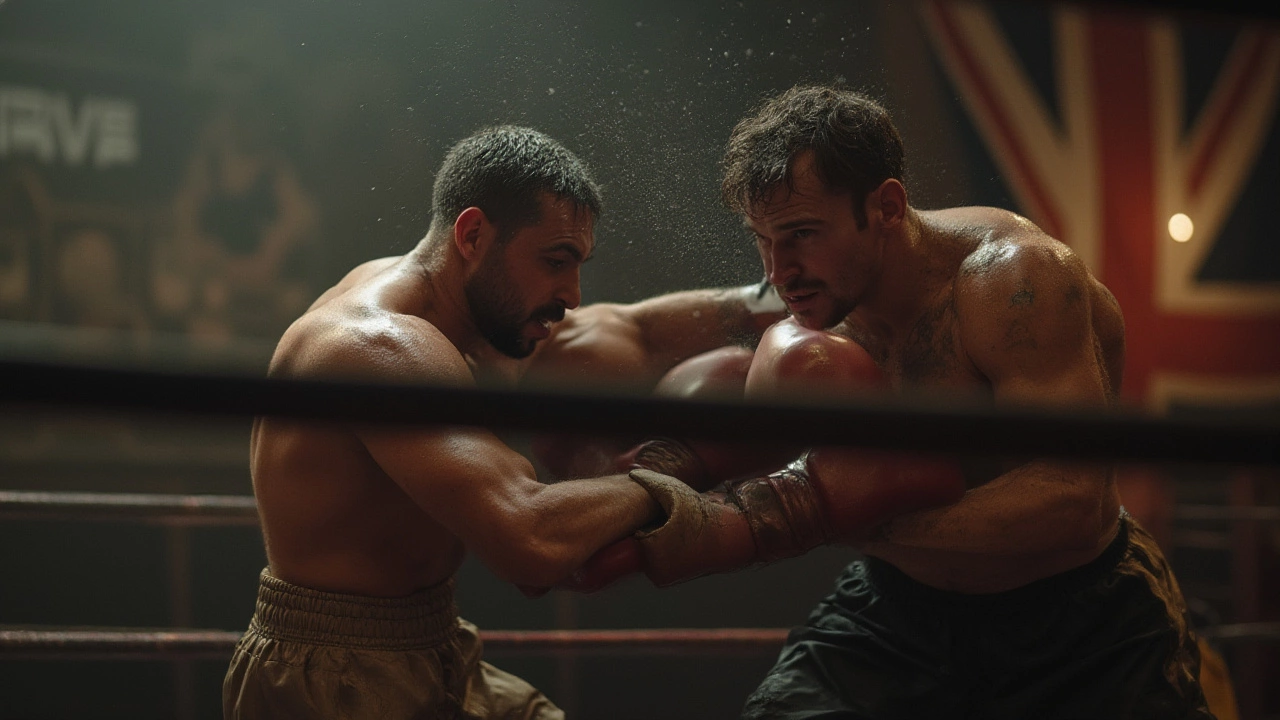
Credit: britishairwaysfc.co.uk
Controversies Surrounding Dirty Boxing
Controversies Surrounding Dirty Boxing Dirty boxing involves techniques like clinching and hitting, often blurring lines of fair play. Fighters use it to gain an edge, sparking debates on its legality. These tactics create tension between preserving sportsmanship and maximizing competitive advantage.
Dirty boxing, a term often whispered in the world of combat sports, carries a weight of controversy that divides opinions. While some view it as a clever strategy to gain an upper hand, others see it as a breach of sportsmanship. The controversies surrounding dirty boxing invite intriguing debates on ethics and legality. As you explore these aspects, you might find yourself questioning where to draw the line between tactical advantage and fair play.Ethical Concerns
Dirty boxing involves techniques that blur the lines of traditional boxing rules. Think about using elbows or holding an opponent while striking, which can raise eyebrows regarding fairness. Critics argue that these tactics undermine the integrity of the sport. They believe boxing should be a contest of skill, not a game of bending rules. Supporters, however, claim it’s an art of opportunism. In a fight, isn’t seizing every chance part of the strategy?Legal Aspects
The legality of dirty boxing is murky. Different organizations have varied rules regarding what constitutes foul play. In professional boxing, certain moves might lead to penalties or disqualification. Yet in mixed martial arts (MMA), these techniques might be considered fair game. This inconsistency often leaves fighters and fans puzzled. Shouldn’t there be a universal standard that defines acceptable tactics?Frequently Asked Questions
Why Do They Call It Dirty Boxing?
Dirty boxing involves unconventional tactics, often used in clinches. Fighters use close-range punches, elbows, and holds. It’s called “dirty” because these tactics blur traditional boxing rules, adding a strategic edge. This style aims to surprise and overpower opponents, making it effective and unpredictable in combat sports.
What Are The Rules Of Dirty Boxing?
Dirty boxing involves using clinching, close-range strikes, and unconventional tactics. Fighters exploit elbows, headbutts, and foot stomps. It prioritizes aggression and control over traditional rules. Techniques focus on infighting and leverage. It’s often used in mixed martial arts, emphasizing creativity and adaptability in combat situations.
What Is Dirty Boxing Style?
Dirty boxing is a fighting style mixing boxing with grappling techniques. Fighters use close-range strikes, clinching, and unconventional tactics. This style often includes elbow strikes, head butts, and punches inside the clinch. It’s effective for controlling opponents and exploiting openings, commonly seen in MMA and street fighting scenarios.
What Is Down And Dirty Boxing?
Down and dirty boxing involves close-range combat techniques. Fighters use clinches, short punches, and elbows. It emphasizes aggressive tactics and physicality. This style often includes unconventional moves and focuses on dominating opponents in tight spaces. It’s popular in mixed martial arts for its effectiveness in close encounters.
Conclusion
Dirty boxing blends boxing with close-range combat skills. It offers fighters unique advantages in the ring. Using elbows, clinches, and quick punches, this style creates a thrilling and intense fight experience. Fighters need agility, strategy, and awareness to excel. Many have embraced dirty boxing for its versatile techniques.
Its growing popularity shows its impact on modern combat sports. As more fighters explore this style, the sport continues to evolve. Dirty boxing remains a vital aspect of martial arts today. Embracing its techniques can enhance any fighter’s skill set and adaptability.